|
Cancer News Digest, February 2026
Visit our website
CFC #11967
| |
Why cancer patients and cancer survivors should be physically active!
You probably heard that exercise can help prevent cancer, but did you know about the many benefits for cancer patients and cancer survivors? Our newly updated article explains that cancer patients who exercise regularly during and after treatment have fewer side effects from treatment, including less fatigue, fewer problems with concentration and memory, and better overall fitness and health. Even more important, patients who exercise are less likely to experience a return of cancer in the future and are more likely to live longer, healthier lives.
There have been studies showing these benefits for several types of cancer for years, but a new study published in JAMA Network Open shows that exercise is even more beneficial than we realized. Those researchers combined 11 years of data from over 17,000 cancer patients and found that regular exercise significantly helps prevent dying of cancer, including for seven less-studied cancers like lung, ovarian, bladder, rectal, and endometrial cancer. The researchers concluded that 2.5 to 5 hours of moderate-intensity exercise a week can save the lives of many cancer patients. For survivors of oral and rectal cancer, doubling or tripling that amount of activity showed even greater survival benefits.
Based on all the research that has been done over the last few years, our article shows that even if you were completely inactive before your diagnosis, starting an exercise routine afterwards can still significantly improve your chances of survival. You don't need to be athletic and it is never too late to start! Even minimum exercise, like walking one hour per week, can improve the health of cancer patients who have completed treatment, compared to cancer patients who do not exercise at all. Walking 3-5 hours/ week is even better. In general, physical activities averaging 20-30 minutes each day make a big difference. Sitting less is also helpful, even if you're just walking around the house.
Read our updated web article here or read about the JAMA research in Medpage Today.
| |
Are prostate cancer screenings necessary?
We recently updated our web article on prostate screenings with an important new JAMA study showing that most men do not benefit from annual or biennial prostate cancer screening (PSA) tests. The research suggests that a single PSA test in a man's 50s can predict his risk of prostate cancer over the next 20 years. Consequently, most men with the lowest scores won't need another test for 10-20 years. Those with moderate scores can likely wait 5-10 years, while the relatively few with higher scores will require frequent testing.
Prostate cancer is the most common cancer in men, but it is usually not fatal. The PSA blood test was once recommended annually for men over 50. However, frequent false positives often lead to unnecessary biopsies and treatments, which carry complications such as ED and incontinence. The goal is to better predict who will benefit from frequent screening, since that will save lives without harming the many men who are very unlikely to be harmed by prostate cancer.
The harmful side effects of unnecessary screening have fueled years of controversy over whether asymptomatic men should undergo routine PSA screening. Fortunately, this new study offers clarity, suggesting that a single baseline test in a man's 50s can effectively guide whether frequent, annual testing is actually necessary.
Read our article here.
| | We're Speaking Out For You |
Do older men need more testosterone?
FDA recently urged more women to take estrogen therapy as they age, and is now considering telling men to take testosterone as they age. In response to the FDA's request for public comments, we pointed out that recent research found that increasing testosterone could increase blood pressure, heart arrhythmias, and kidney injury. Even though testosterone increased bone density, it surprisingly led to more bone fractures. We warned that short-term research likely underestimates long-term dangers, possibly including prostate cancer risk.
Despite claims that hormones can be a "fountain of youth," clinical trials show testosterone does not effectively treat chronic fatigue, weight gain, depression, or physical weakness. While it may slightly boost libido, it does not improve overall sexual function or cure erectile dysfunction.
We criticized the recent FDA expert panel on testosterone for relying on personal stories rather than scientific evidence, noting a similar lack of evidence at an FDA meeting that discussed female testosterone therapies. Since the known risks to men include blood clots, testicular atrophy, and sleep apnea, we urged the FDA to demand large, long-term studies before granting approval of "testosterone replacement therapy" for the normal signs of aging.
Read our written comment here.
|
This new health insurance policy could ruin you!
The Trump Administration is proposing new Affordable Care Act (ACA, also called Obamacare) rules that would allow insurance companies to offer plans that cost less per month but that do not cover most medical expenses. Many health insurance plans come with a "deductible," which is the amount of healthcare costs that the insurance company requires the patients to pay before insurance will pay for anything. Under the proposed rules, policies with the least expensive monthly fees would require a family to pay $31,000 for family members' medical care before their insurance company covers the cost of any of their care. People with an individual policy would not have any of their medical expenses paid until they had paid $15,000 for their medical expenses.
While the administration argues these plans will "increase consumer choice," critics warn that many people would face financial ruin as a result. If you have an accident, an emergency room visit, an unexpected hospital stay, or unexpected expenses from a medical condition like diabetes, would you have $15,000 to pay for your care, in addition to other expenses that your insurance doesn't cover? The goal of health insurance is supposed to be coverage for unexpectedly high medical expenses. Paying a cheaper monthly bill shouldn't mean facing bankruptcy when you actually need medical care—yet these plans will mean impossibly high costs for patients who can least afford them.
Read more about it in The New York Times
|
Food additives cause cancer?
Processed foods and beverages rely heavily on preservatives to extend shelf life and lower costs, but their impact on your health lasts longer than you think. A huge study of over 105,000 participants published in a prestigious medical journal reported the increased cancer risks of consuming more foods with preservatives. Sorbates & Acetates (in baked goods, sauces, cheese) were linked to a higher risk of breast cancer, and Sodium Nitrite (in processed meats like bacon, hot dogs, deli slices) was linked to a higher risk of prostate cancer.
Because these additives are so common, you probably consume them regularly. Public health experts suggest that government agencies should make it easier to avoid cancer by setting stricter limits on these preservatives and disclosing them clearly on food labels. In the meantime, the study reminds us to choose "real" foods that haven't been processed, such as fresh fish, meats, fruits, and vegetables. For example, you can make your own simple meals and iced tea or coffee instead of buying the packaged ones with preservatives.
Read more in the Medpage Today article.
|
HHS leadership shuffle: Improving health or midterm election strategy?
HHS Secretary Robert F. Kennedy Jr. is shaking up his top staff, moving several key officials from health agencies into senior advisor roles. Kennedy says these changes will help push his "Make America Healthy Again" (MAHA) agenda and fight the status quo.
However, there is evidence that this is primarily a political strategy to improve polling numbers before the midterm elections. MAHA voters were important in 2024, but MAHA activists warn that the GOP is only "renting" their support, rather than making converts to the Republican Party. As HHS focused on vaccines rather than pesticides and ultra-processed foods, they turned off many voters. Since the White House is defending pesticides, HHS seems to hope that focusing on ultraprocessed foods will win back 2024 voters. The question is: will the change in focus be permanent or just temporary moves to keep voters happy until November?
Read more in THE HILL article.
| | |
Check us out!
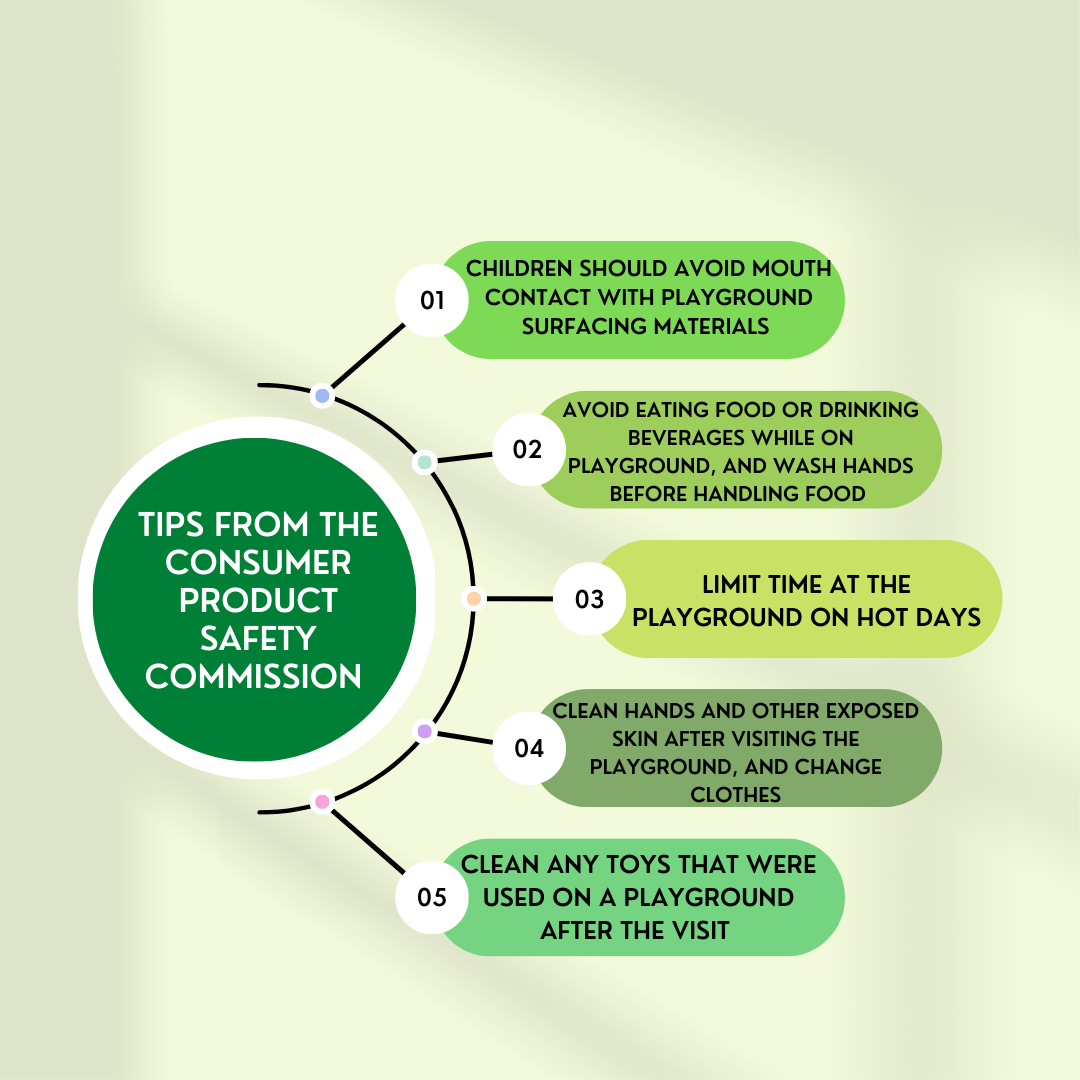
Did you know that artificial turf, rubber playground surfaces, and rubber mulch contain chemicals that can cause attention problems, obesity, early puberty, asthma, and cancer? Are your children or grandchildren getting exposed when they play? Follow us @safe.to.play
| Our main Instagram account and Threads provide free information about new medical research, programs, and policies to help health experts, patients, and the public improve the health of individuals and communities. Follow us @healthresearch4u | |
| Connect With Us on Our Other Social Media! | | |
Your Contribution Can Make a Difference
We do not accept any funding from drug companies, device companies, chemical companies, or other sources that could influence our work and compromise our integrity. That's why so many people turn to us when they need help. Donations of any size are greatly appreciated (and tax deductible.)
Please consider giving to the Cancer Prevention and Treatment Fund online or by mail to the address below.
| |
To sign up for these monthly updates, click here.
| |
Cancer Prevention and Treatment Fund | 1001 Connecticut Ave NW, Suite 1100
CFC# 11967
| | | | |