Online Exploitation of Youth


Most exploitation occurs on our phones or online. In this month's guide, you will learn:


  • The definition of online sexual exploitation
  • The signs of online exploitation
  • The risks of being online
  • How to prevent online exploitation as a youth, parent, and community member


WHAT IS ONLINE SEXUAL EXPLOITATION?


Sexual exploitation refers to causing harm sexually for gain. This can be the use of sex or sexual images in order to make money or gain advantage. Advantage is using someone's weakness for one's benefit.


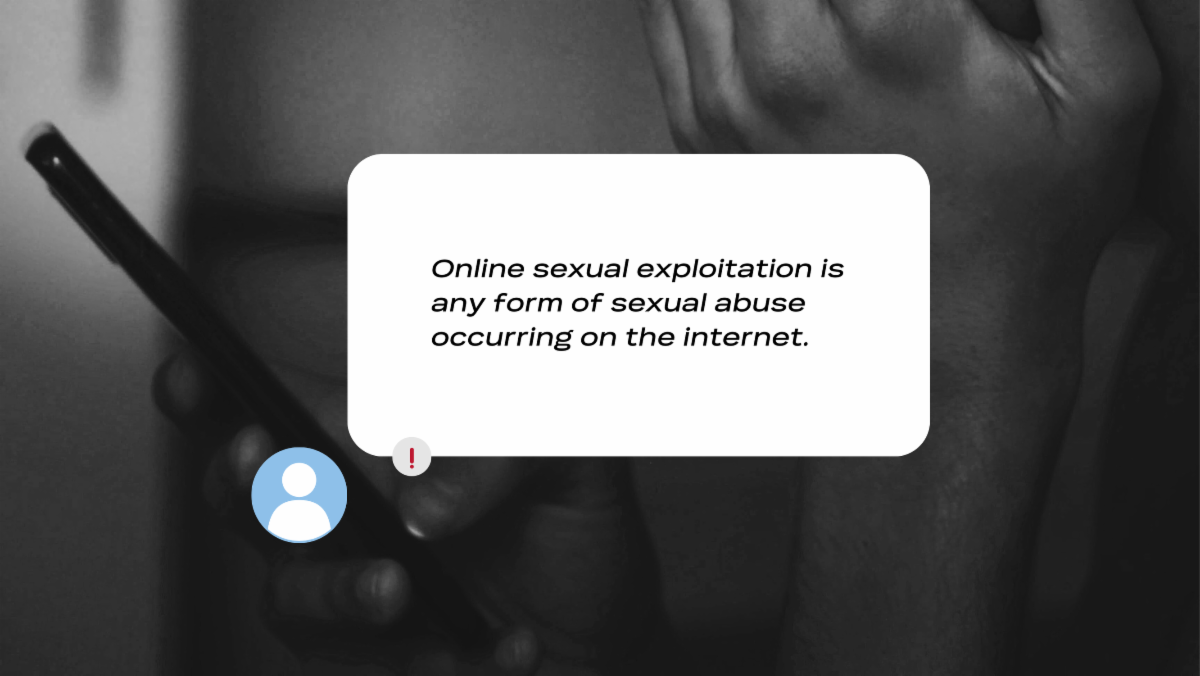
Online sexual exploitation is any form of sexual abuse occurring on the internet.


In 2024, the National Center for Missing & Exploited Children (NCMEC) reported that their CyberTipline received 20.5 million reports of suspected child sexual exploitation.


Source: Cambridge Dictionary


WHAT ARE THE SIGNS OF ONLINE EXPLOITATION?


If the person/people you are communicating with are:


  • Sending you unwanted images, videos, requests for livestream
  • Asks you sexual questions or makes inappropriate sexual comments
  • Asking to perform sexual requests on webcam and/or makes you watch them perform sexual acts (If this happens at all to a minor or if it happens without permission or consent to an adult)
  • Sharing private images or videos with others without your consent


Source: National Sexual Violence Resource Center

Source: Kids Help Phone


WHAT ARE THE RISKS OF GOING/POSTING ONLINE?


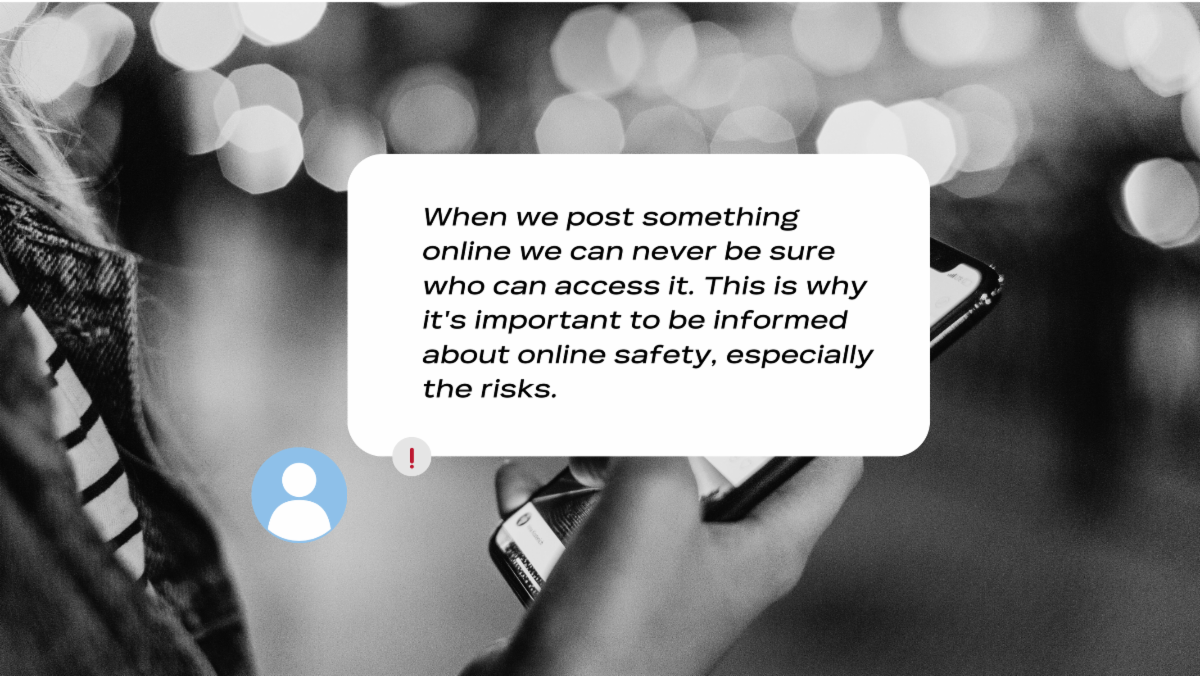
When we post something online we can never be sure who can access it. This is why it's important to be informed about online safety, especially the risks. Such as:


  • Being Manipulated: On online platforms, it's very easy to lie about your intentions and pretend to be someone else just to gain another person's trust (also known as catfishing).
  • Personal Information Being Used Against You: Once you give out any personal information online there is always a risk for it to be used for someone else's gain.
  • Losing Control: Sharing information gives control to someone else. Once you send something out, you typically can't undo it.


Source: Homeland Security

Source: National Center for Missing & Exploited Children

Source: Australian Government eSafety Commissioner


HOW TO PREVENT ONLINE EXPLOITATION OF YOUTH


Online exploitation can be prevented. The first step is awareness.


Preventing Online Exploitation as a Youth


  1. Talk to a Trusted Adult: If you are feeling unsafe, targeted, or pressured by an online presence and/or exposed to unwanted content, reach out to an adult you trust.
  2. Block the Person's Account: A "Block" option should be available on most social media platforms.
  3. Your Don't Owe Anyone: If someone messages you, even if it is not an inappropriate message, you do not have to respond.


Preventing Online Exploitation as a Parent


  1. Learn About the Platforms: Discover which apps your child goes on and learn how they work. You don't have to be an expert on all apps — focus on the ones that actually impact your child.
  2. Set Boundaries: Consider rules/boundaries that you can set to keep your child safe. For example, reviewing games and social media apps before they download them.
  3. Connect with Friend's Parents: Kids want to feel included. If they are the only ones with rules/boundaries, they will often feel left out and push back or break those rules. Talk with your kid's friend's parents and see if you can all create collective boundaries (Ex: kids in the group get 2 hours of video game time on the weekend).


Preventing Online Exploitation as a Community Member


  1. Talk About It: Share these Hope In Motion emails and/or share what you learn with your community.
  2. Share Prevention Programs: We at C.A.S.T. have qualified and trained speakers who can equip people with the knowledge and tools they need to protect themselves. This includes topics like: Human Trafficking 101, Round Table Events, and Parent Workshops (with a focus on internet safety).


Source: U.S. Department of Justice

Source: The Anxious Generation by Jonathan Haidt


A SPECIAL THANK YOU


We want to acknowledge the important work that Desiree Wiesen-Martin and her students at the University of Wisconsin - River Falls have done for C.A.S.T.!


The research for this month's Preventative Power: Hope in Motion newsletter was done by the following students of CRIM 241 Victimology Class:


  • Madeline Brock
  • Merideth Hansen
  • Em Murray
  • Madeline Ranalla


We are incredibly grateful to Desiree and her student's for their dedicated work and enthusiasm for making positive change.! View the students full research and project by clicking on the button below.


Looking For More Prevention Resources?


Want additional talking points, situational drills, and a person to have direct Q&A? Request a FREE virtual or in-person speaker from C.A.S.T. for topics like:


  • Human Trafficking 101
  • Parent Workshops
  • Youth Presentations
  • Round Tables (small groups sessions for brainstorming and Q&A)


Want to Share With Us How You Are Taking Steps Toward Prevention?


P.O. Box 251001,

Woodbury, MN, 55125

www.castmn.org

Facebook  Instagram