|
This newsletter is intended for educators and other stakeholders who have a role in providing school-based prevention activities. Any information contained is to provide updates to the field on prevention matters. This newsletter should not be forwarded. | The Utah State Board of Education (USBE) Prevention Team upholds the Board’s Mission to open doors of opportunity for all students by working to identify and decrease risk factors, increase protective factors, and provide students with access to resources in a safe environment that will help them thrive. In collaboration with families, educators, and communities, the USBE Prevention Team aims to foster students' well-being and success across all stages of life. |
Message from the
Prevention Coordinator
| |
|
As the 2025–2026 school year comes to a close, we extend our sincere appreciation for all you have done in service of Utah’s students. We hope this year has been meaningful and rewarding for you.
As you reflect on the past year, we invite you to consider the many ways you have made a difference in the lives of the students you serve. One of the strongest protective factors for children is the presence of consistent, supportive, and caring adults in their lives. Your daily interactions, encouragement, and commitment place you among those protective factors, and your impact cannot be overstated.
As you look ahead to the summer months, we recognize that many of you will continue engaging in professional learning and training. At the same time, we encourage you to intentionally make space for rest, renewal, and personal well-being. Taking time to recharge is essential not only for your health, but also for sustaining your effectiveness and longevity in the field of education. Recharging may include rest and relaxation, as well as activities that help you feel renewed, energized, and prepared for the year ahead.
Please note that the Prevention newsletter will pause for the month of July. During this time, our team will be planning and preparing new learning opportunities and resources for the upcoming school year. We look forward to sharing these with you when the newsletter resumes in August, and we encourage you to stay tuned for more information.
We also invite you to share your feedback on the Prevention newsletter by completing a brief anonymous Prevention Newsletter Effectiveness Survey. Your input is valuable in helping us ensure that the information we provide is relevant, helpful, and a meaningful use of your time. We welcome your suggestions for topics you would like to see featured in future issues and are committed to using your feedback to strengthen and improve the newsletter in the coming year.
In closing, thank you for your ongoing partnership in prevention work. We are grateful for your participation in training, your collaboration with our team, and your dedication to supporting students. It has been a privilege to work alongside you, both in professional learning and in schools across the state.
We wish you a restful and enjoyable summer.
Warm regards,
Tanya Albornoz
USBE Prevention Coordinator
Please reach out to prevention@schools.utah.gov with questions or for help.
| Protective Factor Feature | |
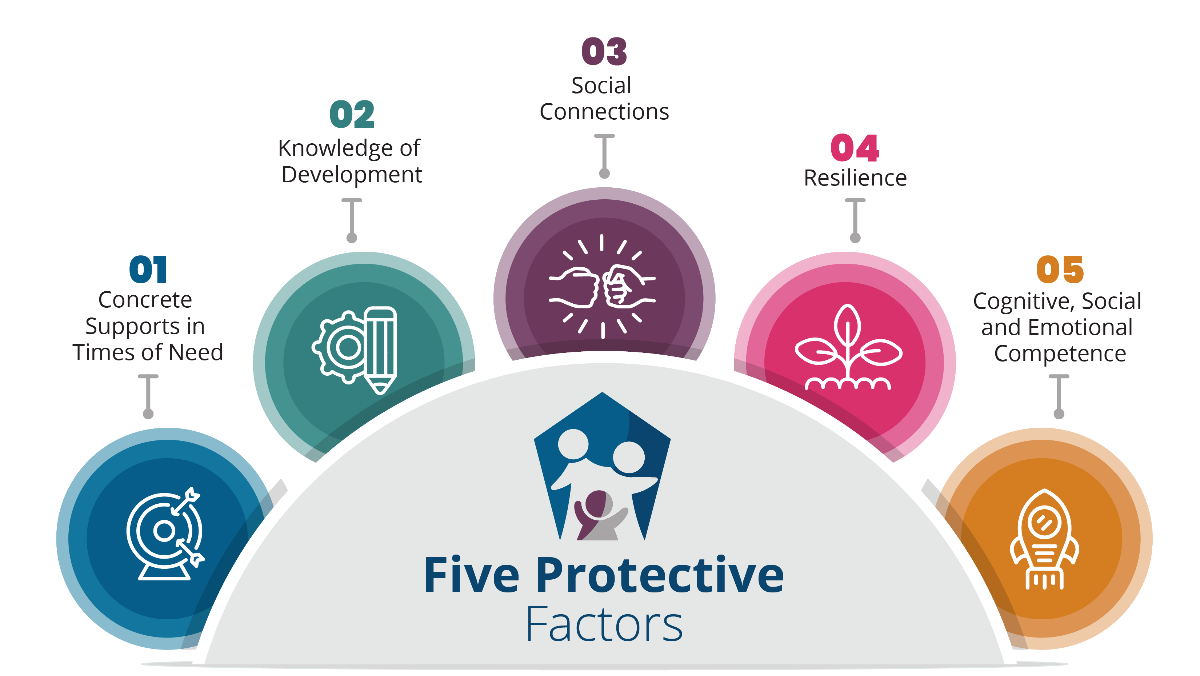
The Protective Factor Framework is a research-based approach that strengthens and improves child and family well-being by reducing risks and promoting positive outcomes, even amid adversity. It guides education staff to focus on five key attributes that help reduce student risk, enhance well-being, and support student success: Concrete Supports; Knowledge of Development; Social Connections; Resilience; and Cognitive, Emotional, and Social Competence. | | Building Protective Factors Through Everyday School Practices: Tips for Planning for a New School Year | | |
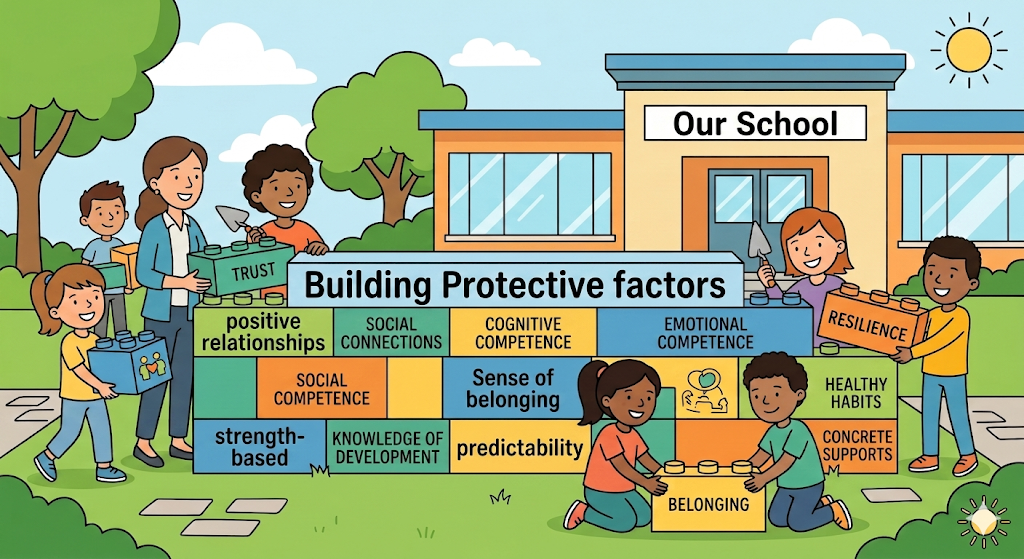
As schools prepare for the upcoming year, one of the most impactful strategies for improving student well-being is the intentional strengthening of protective factors. The good news is that building protective factors does not require a new program. It requires intentional use of everyday practices.
Protective factors are not built through one assembly, one program, or one initiative. They are built through consistent actions that shape how students experience school every day. The most effective schools are not asking, “What new program should we add?” They are asking, “How can we strengthen protective factors through what we already do?” Even small intentional shifts can meaningfully improve student well-being, connection, and success.
As you plan for the coming school year, consider the following strategies:
-
Make Concrete Supports visible and accessible. Plan lessons that promote self-advocacy and normalize asking for help. Clearly communicate available supports and revisit them throughout the year, not just at the beginning. Students are more likely to seek help when information is reinforced regularly. Consider scheduling multiple family engagement opportunities focused on accessing school and community resources.
-
Build Knowledge of Development. Provide transition support at the start of the year and incorporate age-appropriate lessons on brain development and emotional functioning. Plan for student-led conferences to build ownership of learning, and offer family education nights focused on child and adolescent development.
-
Start with Connection. Students thrive when they feel known and valued. Use brief daily check-ins, peer mentoring, and structured classroom circles to strengthen relationships and increase sense of belonging. Schools can also develop staff connection maps to ensure every student has a trusted adult, and create advisory or lunch groups designed for connection, not compliance.
-
Teach and model Resilience. Provide regular opportunities for students to practice coping and problem-solving. Implement class discussions that normalize mistakes as part of learning, and guide students in reflecting on challenges and how they worked through them.
-
Expand Emotional and Social Competence. Teach and reinforce skills that help students build positive relationships, manage emotions, and make responsible decisions. Integrate these skills into academic instruction through discussion and reflection. Co-create classroom norms with students and revisit them regularly. In addition, provide for opportunities for structured group work with clear expectations.
-
Create predictable environments. Clear, positively stated expectations and positive recognition systems that celebrate effort, growth, and kindness will help students feel safe and ready to learn. Consistent routines for entering class, transitions, and closing lessons helps create predictability, reduces anxiety, and increases student capacity to engage academically and socially.
-
Elevate student voice. Provide meaningful opportunities for students to share ideas, lead activities, and shape their school experience. When student voices lead to visible change, engagement and ownership increase.
Small, consistent actions across classrooms and schools can have a powerful cumulative effect. By intentionally embedding these practices into daily routines, educators create environments where all students can feel connected, capable, and supported.
|
| Prevention Updates & Information | |
|
Announcing the New
USBE Model Bullying Policy
| |
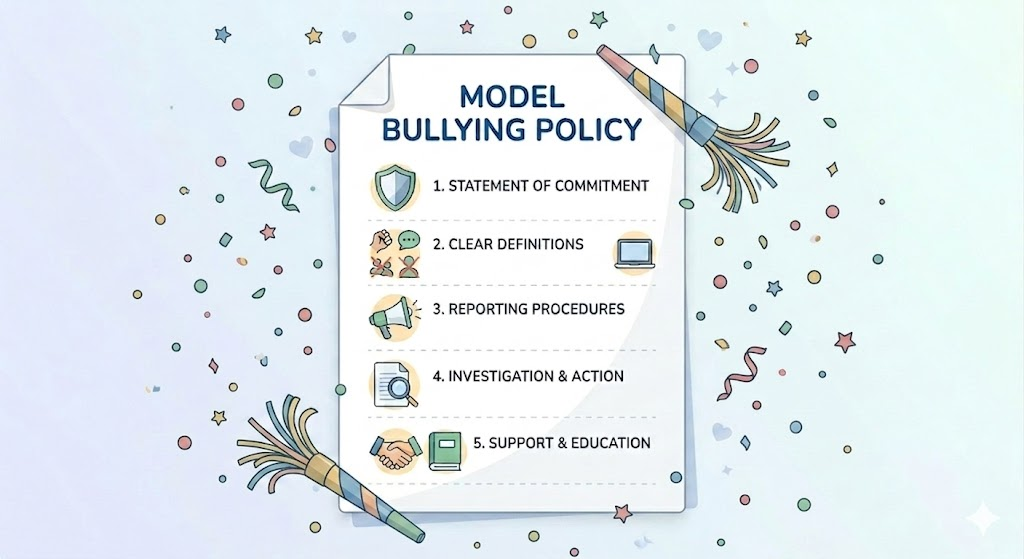
We are celebrating! After several years of thoughtful development and ongoing refinement to align with legislative updates, the Local Education Agency (LEA) Bullying Model Policy is now complete.
This milestone reflects a strong commitment to supporting safe and respectful school environments across Utah. We extend our sincere gratitude to the many partners who contributed their time, expertise, and feedback to make this work possible.
| | |
The new model policy incorporates all legislative and Board Rule updates through January 2026, providing LEAs with a current and comprehensive foundation. LEAs are encouraged to adapt this model to reflect their unique local context while ensuring all legal requirements are fully met.
This achievement also marks the beginning of expanded support for bullying prevention efforts statewide. In the coming months, additional resources will be released, including model forms and training materials designed to strengthen implementation and maximize impact.
For more information, please contact Becca Rae
(becca.rae@schools.utah.gov), USBE Bullying Prevention and Behavior Support Specialist.
| |
Substance Use Prevention Resources
for School Staff
| | |
Even though the school year has come to a close, prevention work continues year-round. The Utah State Board of Education (USBE) Substance Use Prevention webpage serves as a hub for resources and guidance. These materials can help schools and parents prevent student use of alcohol, tobacco, vaping products, and other substances.
On the USBE Substance Use Prevention webpage, school staff can find:
- Resources for talking with youth about substance use and prevention
- Information on current substances and trends, including vaping, marijuana, and prescription drug misuse
- Guidance for families, including how to support conversations at home
- Tools to recognize warning signs and respond appropriately to student needs
- Prevention planning support, including Positive Behaviors Plans and policy guidance
- Evidence-based program directories
As you prepare for the upcoming school year, we encourage you to explore these materials, share them with colleagues and families, and consider how they can support your school’s prevention efforts moving forward.
For more information, please contact Clarissa Stebbing (Clarissa.Stebbing@schools.utah.gov), USBE Prevention Specialist.
| | Supporting Student Safety: New Utah Mandated Child Abuse Reporting Requirements for Education Staff Canvas Course | | |
We are excited to announce the official release of our brand new, state-approved Mandated Child Abuse Reporting Requirements for Education Staff Canvas course.
As educators and school staff, we are often the first line of defense in recognizing when a student is in crisis or facing danger. To equip every adult in Utah schools with the knowledge to protect our students, Board Rule R277-401-3(4) requires annual notification and training for school employees regarding their legal responsibility to report suspected child abuse or neglect to the appropriate authorities. This course fulfills that requirement. The content explores key Utah statutes, defines specific responsibilities for education staff (such as administrators, teachers, paraprofessionals, office staff, related service providers, etc.), and outlines the correct procedures for making a report.
For questions regarding this course, please reach out to Mindy Elliott (mindy.elliott@schools.utah.gov) or Tina Morandy (tina.morandy@schools.utah.gov).
| |
Coming Next Year:
Prevention Funding Opportunities
| | |
All funding opportunities for the 2025–2026 school year are now closed. Because the Legislature’s Fiscal Analyst Office reviews budget balances at the end of July, Local Education Agencies (LEAs) are asked to submit all reimbursement requests by the end of June. This helps ensure that budget reports accurately reflect funds that have been used and prevents the appearance of large, unspent balances.
Several funding and grant opportunities will be available for the upcoming school year. For more information about any of these grants, please email prevention@schools.utah.gov.
-
Prevention Block Grant: A new round of the Prevention Block Grant will be released next school year. This is a two-year competitive grant intended to support Tier 1 and Tier 2 prevention activities at the LEA level. Applications for the July 1, 2026, through June 30, 2028, grant period will be released through Utah Grants in October 2026. Additional information will be posted on the USBE Prevention Block Grant webpage.
-
Child Sexual Abuse and Human Trafficking Alternative Provider Choice Grant: This grant is available to LEAs that choose to use an approved provider rather than Prevent Child Abuse Utah, the statewide contract provider. Funding is awarded on a first come, first served basis and may be used to support implementation costs for elementary student training. This includes printing materials, travel for trainers, and online training resources. Funds may also be used to stipend educators to become or are already certified to deliver approved programs. Funds may not be used for the required school staff or parent prevention education. This grant will be released through Utah Grants in fall 2026.
- $1,000 per school for suicide prevention efforts.
- $4,000 per school to support implementation of a positive behaviors plan. Of the $4,000 allocated for positive behaviors, $3,000 must be used for a stipend for the positive behaviors specialist and $1,000 must be used to support implementation of the plan.
- Positive Behaviors funds are meant to address the causes of student use of tobacco, alcohol, electronic cigarette products and other controlled substances through promoting positive behaviors.
-
As outlined in Utah Code Section 53F-2-5255, if LEAs have a comprehensive prevention plan that has been approved by the USBE Prevention Team, they may choose to use these funds to support the implementation of their comprehensive prevention plan, allowing for a more coordinated and strategic approach to prevention.
| | |
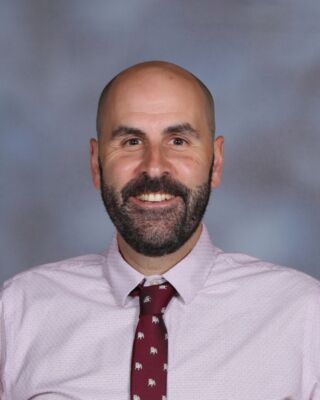
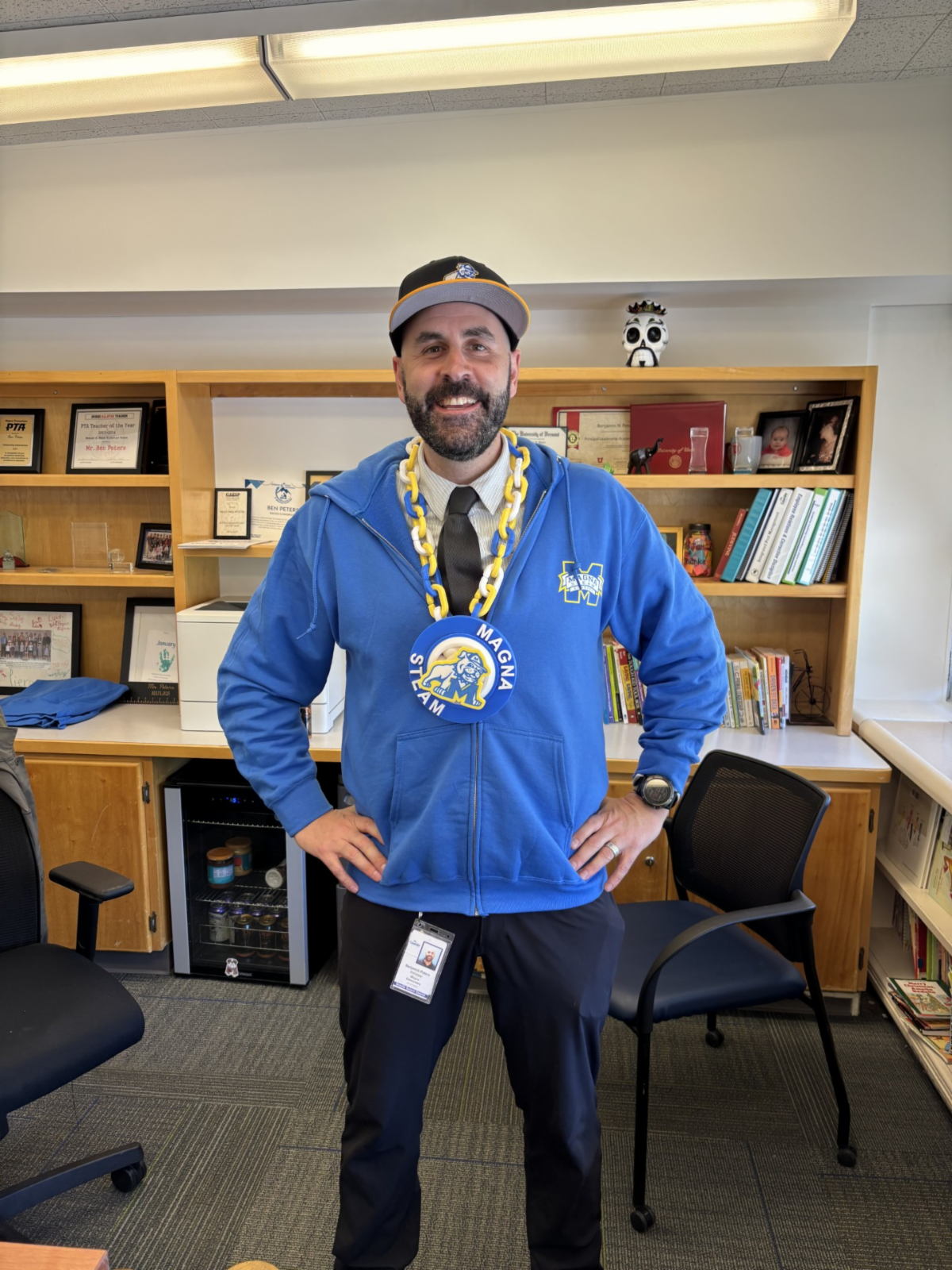
We are pleased to recognize BENJAMIN PETERS as the Prevention Star for June 2026.
Mr. Peters is currently the principal of Magna Science, Technology, Engineering, Arts, and Mathematics (STEAM) Academy, where he has been the administrator for the past ten years. He was nominated by Jordan Petersen, the Coalition Coordinator for the Magna United Communities that Care coalition.
| | |
Jordan wrote:
“Principal Benjamin Peters models prevention-focused leadership through active coalition engagement, open-door collaboration, and strong PTA support. A visible, trusted presence, he fosters belonging, family partnership, and healthy school culture that benefits students and community.”
Congratulations, Principal Peters! We are so happy to have wonderful administrators like you working with Utah’s students. Your passion, clear vision of prevention work, and leadership is making a meaningful difference. Thank you for your dedication to Utah’s students.
| | Nominate a Prevention Star | | |
The USBE Prevention Team wants to highlight outstanding prevention efforts across Utah. Share your success stories, best practices, or exemplary work from your LEA (district or charter school). These will be featured in newsletters, statewide webinars, and professional learning opportunities.
You can nominate a district, charter, program, school, or individual. We may follow up for details.
Please fill out this Qualtrics form to nominate a Prevention Star.
| | Prevention Team Spotlight | |
| |
We believe that school counselors are essential partners in prevention work. They serve on the front lines in schools and are often the driving force behind meaningful prevention efforts. Their daily interactions with students, families, and staff place them in a unique position to identify needs, build relationships, and implement effective support.
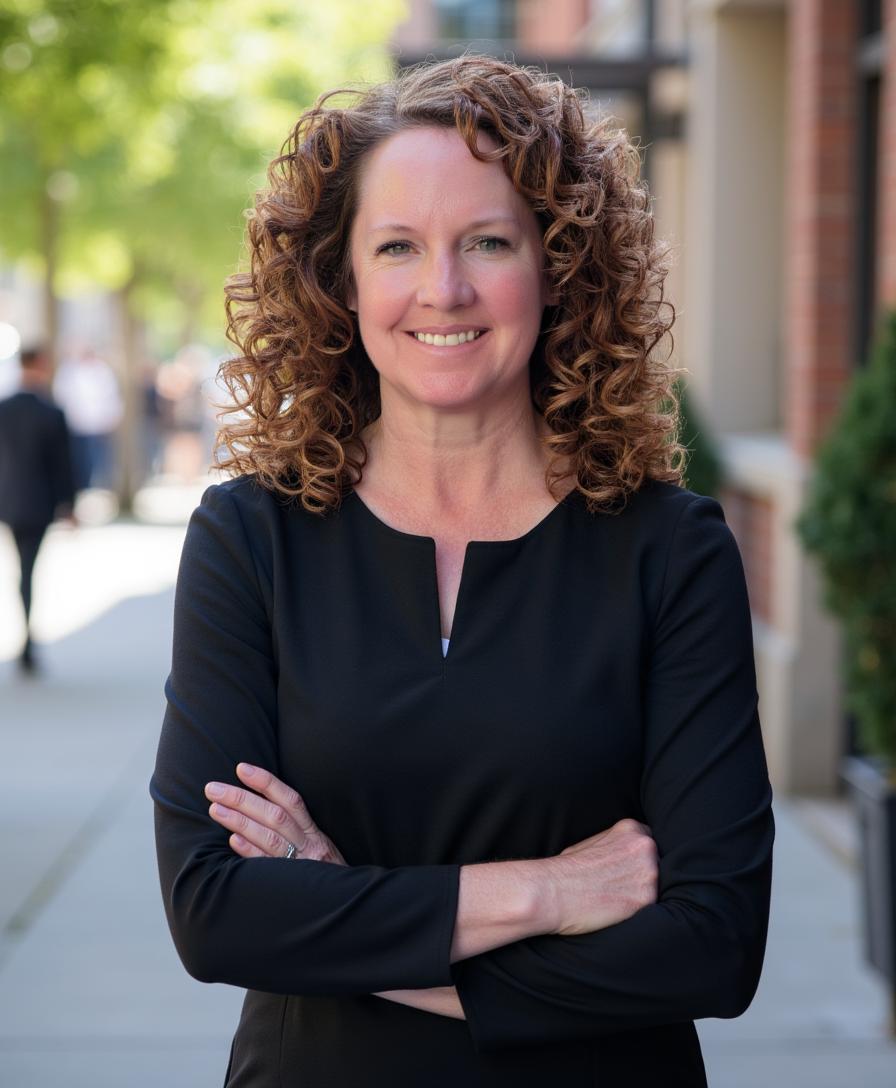
For this reason, this month we are excited to spotlight USBE’s amazing School Counseling Specialist, Bethany Marker.
Bethany has worked as the School Counseling Specialist at the Utah State Board of Education since August of 2021 and currently works on our Student Services team. She has been a professional school counselor for over 24 years and has worked in both the elementary and secondary levels.
In addition to working as a professional school counselor, Bethany holds a degree in Social Work and is a Licensed Substance Use Disorder Counselor. Bethany currently serves as a commissioner for UServe Utah through the Utah Lieutenant Governor’s Office and is an adjunct professor in the School Counseling Program at Utah Valley University.
Bethany loves hiking with her family, traveling, reading, basketball, playing pickleball, anything involving music, and eating out.
| | |
The USBE Prevention Team offers many professional learning opportunities. You can find the details in the Professional Learning sidebar menu on the Prevention webpage.
For customized professional learning or training requests please use the Student Services Training Request Portal (TRP).
Remember to put the following dates on your calendars.
| | 2025-2026 Prevention and Student Services Webinar Series | | |
We held our final webinar of the 2025–2026 school year on May 21, highlighting the Check & Connect Mentoring Program and other effective strategies for supporting student attendance. We are grateful for your continued participation and engagement throughout this year’s webinar series. If you missed a session, would like to revisit a webinar, or would like to share a webinar with colleagues, recordings and materials from all past webinars are available on the Utah State Board of Education (USBE) Prevention Professional Learning webpage.
We are already hard at work planning next year’s webinar series and hope you will continue to join us. Webinars will be held on the third Thursday of each month from 12-1, with the exception of August and October, when sessions will take place on the last Thursday of the month (August 27 and October 29). Please mark your calendars as you are able.
Registration for the 2026–2027 webinar series will open soon. We encourage you to watch for registration details and secure your spot once registration becomes available. We would love to have you join us again.
If you have ideas or suggestions for future webinar topics, we would greatly value your input. Please contact us at prevention@schools.utah.gov.
| |
No-Cost Training Opportunity:
Caring Connections Teen Grief Support Program
| | |
WHAT: The Caring Connections Teen Grief Support Program is an eight-session, evidence-informed grief support group designed specifically for high school students who have experienced the death of a parent, family member, or someone close to them. The program addresses the unique developmental needs of adolescents navigating grief.
The program is not a clinical intervention, is not a restrictive service, and does not need to be facilitated by licensed clinicians. An all-day training is available for school counselors and social workers to learn how to implement the model with students. Caring Connections is part of the University of Utah College of Nursing.
WHO: The Teen Grief Support Program is designed for high school students and can be facilitated by school counselors, school social workers, or school psychologists.
WHEN: Training is offered throughout the year and can be scheduled at a time that works best for your Local Education Agency (LEA).
WHERE: Training is delivered on-site within (LEAs) and is designed to support implementation of the program in high schools. The model can also be used by other professionals in the community.
ACTION: LEAs interested in hosting a training should contact Laura Bradbury (laura.bradbury@nurs.utah.edu), to schedule a session for LEA personnel.
INFORMATION: By the end of high school, approximately 5% of students will have lost a parent, and nearly 20% will have experienced the death of someone close by age 18. Because adolescents are “nearly, but not yet, adults,” they face distinct emotional and developmental challenges when coping with loss. In response to this need, Caring Connections developed this structured, eight-session grief support model for teens. Training is offered to LEAs at no cost, and all materials are provided.
| |
Save the Date!
2026 Behavior Support and Prevention Summit
| | |
WHAT: Utah State Board of Education’s (USBE’s) Behavior Support and Prevention teams are excited to sponsor a two-day Behavior Solutions Customized Workshop. This training, based on the work of Dr. John Hannigan and colleagues, will provide a framework for establishing and implementing proactive, tiered behavior supports. This approach is designed to bridge the gap between academic and social behavior instruction through a systematic structure. This workshop will move learning beyond theoretical concepts to build effective interventions that reduce classroom disruption. Participants will leave with a customized framework for their school. This is a free workshop and will be provided at no costs for participants.
WHO: This training is designed for educators at all levels. School teams (teachers, administrators, related service providers, etc.) are encouraged to attend together in order to facilitate framework development.
WHEN: September 24-25, 2026 | 8:00 a.m. - 3:00 p.m.
WHERE: Utah Valley Convention Center (220 W Center St, Provo, UT 84601)
ACTION: Watch for registration information coming soon!
INFORMATION: For more information, contact Krisanne Lewis (krisanne.lewis@schools.utah.gov) or Tanya Albornoz (tanya.albornoz@schools.utah.gov).
| |
SAVE THE DATE!
2026-2027 Early Warning System Webinar Series
| | |
WHAT: In February 2026, the Utah State Board of Education (USBE) announced Panorama Education as the state contractor to support Local Education Agencies (LEAs) in meeting the Early Warning System (EWS) requirements outlined in Utah Code Section 53F‑4‑207. Passed during the 2024 legislative session, the law requires each LEA to implement a digital Student Intervention EWS in every school. LEAs must have a plan in place to comply with EWS requirements by the beginning of the 2026–2027 school year.
The five-year contract with Panorama Education provides participating LEAs access to EWS services at a reduced cost. USBE will fund 50% of the cost per school, and participating LEAs will be responsible for the remaining 50%. Additional information, including enrollment instructions and contact information, is available on the EWS Webpage.
Supporting LEAs in Building Stronger Early Warning Systems (EWS)
Panorama and USBE will host a monthly webinar series beginning August 12, 2026, from noon to 1:00 p.m. The series is designed to help LEAs strengthen EWSs that enable timely, data-informed support for students. Through practical guidance, implementation strategies, and real-world examples, participants will learn how to build coordinated systems that improve student outcomes and sustain effective intervention practices.
Goals of the Series
Participants will:
- Strengthen their understanding of effective EWSs
- Build practical workflows for intervention and progress monitoring
- Improve collaboration across student support teams
- Increase confidence in using data to drive timely action
- Develop sustainable systems for supporting student success
WHO: LEA leaders (superintendents, IT leaders, department leaders, and charter directors) and school principals
WHEN: Generally held on the second Wednesday of each month from noon to 1:00 p.m., beginning August 12, 2026, with the exception of November and February.
WHERE: Zoom Registration link coming soon.
ACTION: Webinar topics, dates, and registration information will be announced soon.
INFORMATION: For more information, please visit the EWS Webpage. Webinar dates and registration links will be shared through LEAs’ designated EWS points of contact, posted on the EWS webpage, and distributed through other communication channels. For questions, contact Cuong Nguyen at Cuong.Nguyen@schools.utah.gov.
| | |
The Utah State Board of Education:
- Approved $120,000 in funding for all-abilities playground equipment to support accessibility for students with disabilities.
- Approved up to $350,000 in contingency funds to support UPPAC investigations.
- Directed USBE staff to address a Career and Technical Education audit report by improving alignment with workforce needs.
The Utah State Board of Education approved, amended, or repealed the following administrative rules:
-
R277-726, Statewide Online Education Program The Utah State Board of Education approved an amendment to this rule, which outlines requirements for online course access and participation for secondary students. The amendments to the rule revise definitions and eliminate duplicative language.
-
R277-625, Mental Health Screeners The Utah State Board of Education approved the continuation of this rule, which addresses policies and procedures related to student mental health screening, and removed some language.
-
R277-916, College and Career Awareness The Utah State Board of Education approved the repeal of this rule, which governs the College and Career Awareness program. This rule is no longer necessary, as many of the previous requirements were removed from statute after significant changes during this year’s legislative session. All remaining requirements were moved to R277-916.
-
R277-407, School Fees The Utah State Board of Education approved a continuation and amendment of this rule, which establishes guidelines for school fees and fee waivers.
-
R277-632, Funding for At-Risk Students and Students Learning English The Utah State Board of Education amended this rule, which addresses the distribution of funds for at-risk and multilingual learners. The amendments update the rule to align with the revised emergency funding provisions for students learning English, which were enacted during the legislative session.
-
R277-419, Pupil Accounting The Utah State Board of Education approved the continuation of and amendments to this rule, which governs student attendance accounting and reporting.
-
R277-607, Absenteeism and Truancy Prevention The Utah State Board of Education approved amendments to this rule, which address policies related to attendance and truancy prevention. The amendments update the rule to align with S.B. 58 and H.B. 502, by revising attendance-related definitions, expectations, and processes.
-
R277-484, Data Standards The Utah State Board of Education approved amendments to this rule, which governs student data collection and reporting standards. The amendments update the rule to align with S.B. 58.
-
R277-605, Coaching Standards and Athletic The Utah State Board of Education approved a continuation of this rule, which establishes requirements for coaching and athletic training, and directed staff to bring a new rule to the committee in August to address background checks and student safety.
-
R277-317, Incentives for National Board Certification The Utah State Board of Education approved the continuation of and amendments to this rule, which provides incentives for National Board Certification. The amendments were made as part of the rule’s five-year review and include the addition of a sunset date due to the exhaustion of program funds and lack of new legislative appropriations.
-
R277-328, Equal Opportunity in Education The Utah State Board of Education approved the continuation of and amendments to this rule, which establishes standards for equal opportunity in education and professional learning for educators.
-
R277-705, Secondary School Completion and Diplomas The Utah State Board of Education approved amendments to this rule, which govern requirements for earning a high school diploma. The amendments align the rule with H.B. 502 (School Attendance Modifications) by establishing statewide test-out options for core courses, requiring LEAs to award credit for successful test-out completion, and updating grading and transcript provisions to reflect these changes..
-
R277-326, Early Literacy Coaches The Utah State Board of Education approved amendments to this rule, which establishes requirements for early literacy coaches. The amendments align the rule with S.B. 241 (Early Literacy) by shifting responsibility for coaching to regional education service agencies and school districts, updating roles and definitions to reflect a locally administered model, and incorporating additional requirements related to science of reading instruction and future integration of social studies content.
-
R277-923, American Indian and Alaskan Native Education State Plan Pilot Programs The Utah State Board of Education approved the continuation of and amendments to this rule, which governs American Indian and Alaska Native Education State Plan Pilot Programs. The amendments align the rule with H.B. 75 (American Indian and Alaska Native Education Amendments) by updating terminology, incorporating the statewide education plan, and aligning grant program administration with statutory requirements.
-
R277-404, Requirements for Assessments of Student Achievement The Utah State Board of Education approved a continuation of this rule, which governs statewide assessment requirements. The rule was also amended to align with H.B. 502 (School Attendance Modifications), which establishes statewide test-out options for core classes.
See the full agenda or visit the USBE website for more information.
| | |
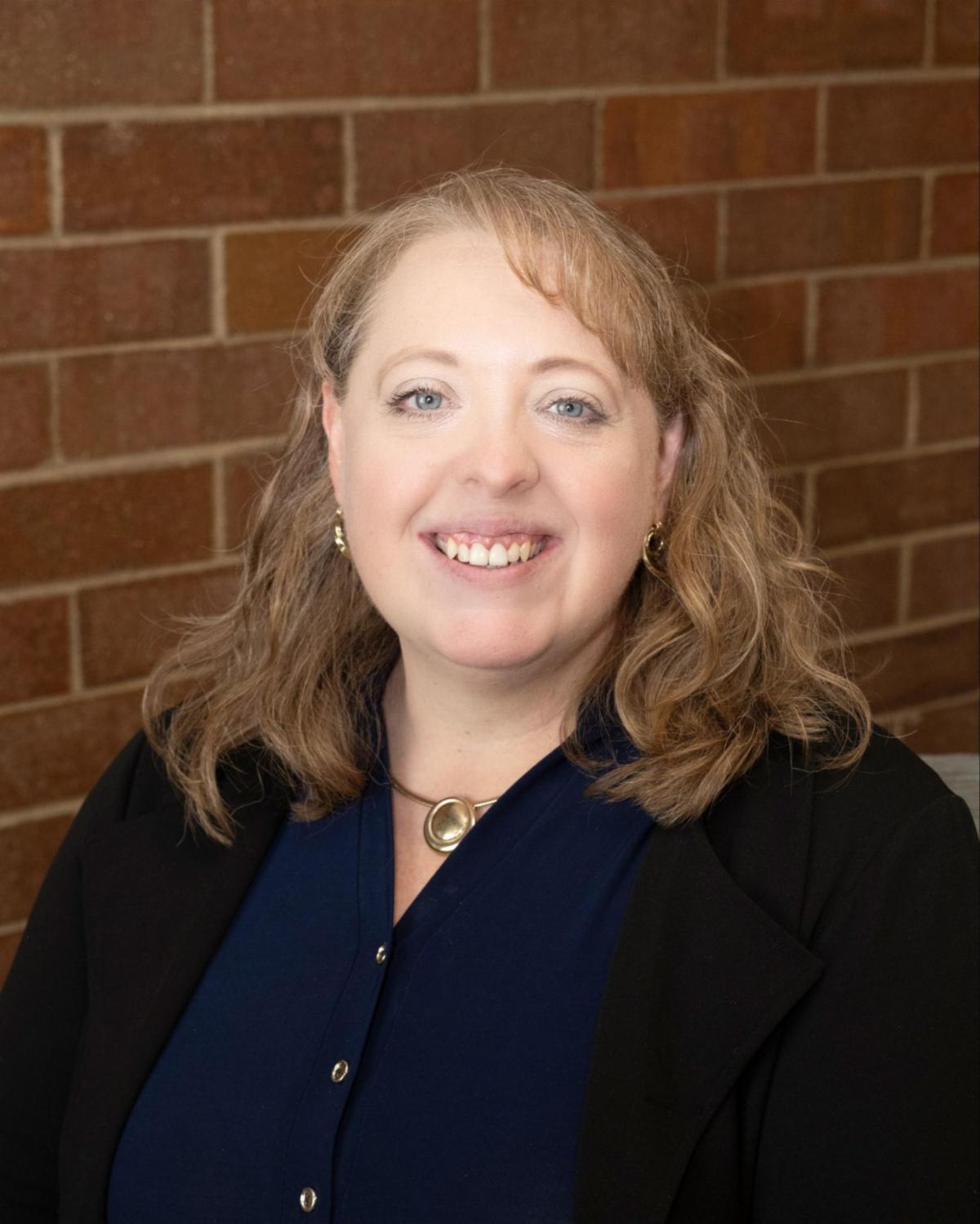
Tanya Albornoz is the Prevention Coordinator at the USBE.
In this role she oversees the implementation of prevention programs such as suicide prevention, substance use prevention, gang prevention, bullying prevention, child sexual abuse and human trafficking prevention, trauma-informed practices in education,
and more.
Contact:
tanya.albornoz@schools.utah.gov
(801) 538-7812
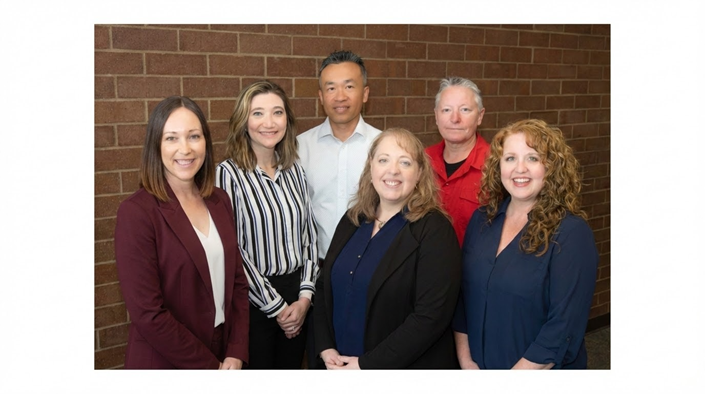
| | Prevention Team, pictured from left to right: Clarissa Stebbing, Michelle Knight, Cuong Nguyen, Tanya Albornoz, Tina Morandy, and Mindy Elliott. | | | | |