October 2026

Rooted in Truth - Cultivating a Biblical Worldview Together

Daniel Kempf - Assistant Head of School

The mission statement of Prince Avenue Christian School includes two commitments that guide my work as a school leader and my responsibility as a parent of two children who attend Prince: “partnering with parents” and “providing scripturally based discipleship.” These commitments shape how we approach our students’ spiritual development.


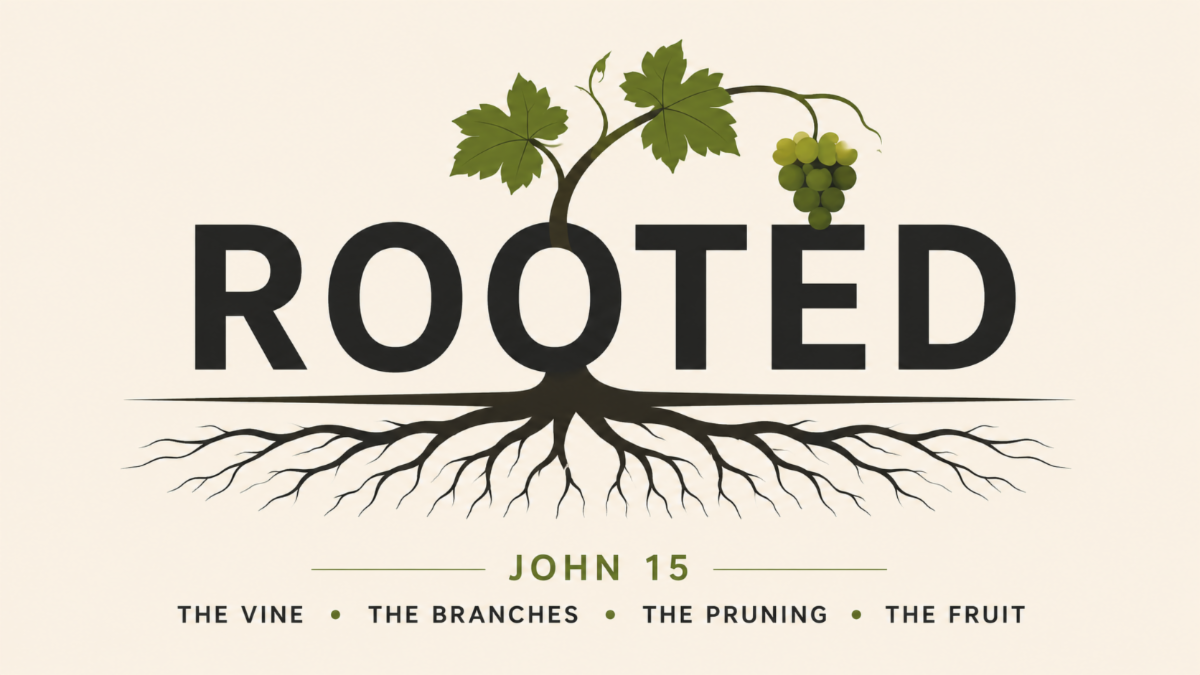
This year’s spiritual theme, Rooted, comes from John 15, where Jesus describes Himself as the Vine and His followers as the branches. During the first quarter, Bible teachers, chapel speakers, and faculty devotions focused on “The Vine,” emphasizing our connection to Jesus as the source of life, strength, and truth.


Remaining rooted in Christ means cultivating a consistent, growing relationship with Him. It also means learning to understand the world through the lens of Scripture. For many families, this desire is a primary reason for choosing Christian education, participating in a local church, and intentionally nurturing their children’s faith.

The Need for a Biblical Worldview


As part of our ongoing professional development, Prince High School Principal Aaron Gibbs and I attended a biblical worldview conference this summer. At this conference, speaker George Barna, founder of the Barna Research Group, shared concerning findings. According to his presentation, only four percent of Americans possess a biblical worldview, compared with twelve percent in 1995. He also reported that approximately ninety-five percent blend biblical truths with secular philosophies, forming a belief system known as syncretism.


Although seventy percent of those surveyed identified as Christians, many did not recognize that portions of their beliefs conflicted with biblical teaching.

These findings remind us that developing a biblical worldview requires intentional discipleship. Our children encounter competing ideas daily, and parents and educators share the responsibility of helping them evaluate those ideas through Scripture.


At Prince, this work begins in PreK-3 and continues through twelfth grade. Daily Bible instruction provides an essential foundation, while biblical integration helps students connect God’s truth to every subject and everyday decision.

Understanding Creation, Fall, and Redemption


One helpful framework for developing a biblical worldview is the “Creation, Fall, Redemption" model:


  • Creation: God created the world with purpose, establishing His design for humanity and our relationships with Him and one another.


  • Fall: Sin disrupted that design, affecting human hearts, relationships, and all creation.


  • Redemption: Through Jesus Christ, God provides the way for humanity to be restored to a right relationship with Him.

These truths help students examine science, mathematics, literature, history, the arts, and relationships through Scripture. Our goal is for biblical thinking to become a natural part of how students view and relate to the world around them.


Consider a familiar parenting moment: a child is unkind to a sibling. We may immediately say, “Be kind to your brother or sister.” Direct instruction is appropriate, especially for younger children. As they mature, however, we can explain why kindness matters: people bear God’s image, sin damages relationships, and Christ calls us to love and forgive.


We want children to understand both what God asks of them and why. Our goal is to cultivate convictions that guide their choices long after they leave our homes and classrooms.


During another presentation, conference speaker Roger Erdwig of Summit Ministries shared research suggesting that approximately seventy percent of young adults raised in church eventually leave the church.


This sobering figure presents a challenge and an opportunity. We want to partner with parents in preparing students to continue following Christ into adulthood. The approximately 16,000 hours students spend in school from kindergarten through graduation provide a significant opportunity to nurture that foundation.


Biblical Worldview Instruction at Prince


Teachers at every grade level incorporate biblical integration into their instructional units. Faculty training helps them connect biblical principles meaningfully to academic content, allowing students to recognize how God’s truth informs what they study.


As students mature, we want them to move from knowing Scripture’s events to understanding what those events reveal about God. What do they teach about His character? How do they reveal His love and redemptive purposes? How should these truths shape our response to Him?


These questions guide discipleship and help students develop an accurate understanding of God. As parents and school partner together, we can equip students to recognize truth, evaluate ideas, and live faithfully.

The Essential Role of Parents


Parents have a central role in this partnership. Three practical commitments can strengthen a child’s biblical worldview.


1. Prioritize and Love the Local Church


Children learn from seeing an authentic love for God and His Church at home. Research shared through Summit Ministries emphasizes the importance of children recognizing that their parents sincerely love both.


Our children need to see faith expressed through worship, service, relationships, and daily decisions. When we value Christian community, engage with Scripture, and make church participation a priority, we demonstrate that following Jesus shapes our entire lives. The example we set often communicates more powerfully than our words.


2. Cultivate Your Own Biblical Worldview


Our children’s spiritual development is strengthened by our commitment to grow. Parents need ongoing opportunities to study Scripture, ask questions, and consider how biblical truth applies to everyday life.

Church worship, biblical preaching, and small-group studies offer meaningful opportunities for that growth. As we deepen our understanding of God’s Word, we become better equipped to guide conversations with our children and model faithful responses to life’s challenges.


Investing in our spiritual growth is also an investment in theirs.


3. Humbly Learn Alongside Your Children


As a parent and educator, I sometimes assume I should always be the teacher. Yet learning alongside our children can create valuable opportunities for discipleship.


Our students are memorizing scripture throughout their time at Prince. Scripture memory passages can include reciting the words and include families discussion of what a passage reveals through the framework of creation, fall, and redemption:


  • Creation: What does this teach about God’s character or design?


  • Fall: What does it reveal about sin or our need for God?


  • Redemption: How does it point to grace and hope in Christ?


Not every passage addresses all three equally. These questions simply encourage thoughtful conversation. Parents do not need every answer; exploring difficult questions together models humility and a shared commitment to seek truth in Scripture. These everyday moments can shape faith for a lifetime.

Rooted in Truth, Prepared for Life


Our children need a foundation that will sustain them through life’s questions, challenges, and opportunities. Understanding creation, fall, and redemption helps them recognize God’s character, make wise biblical decisions, and share the Gospel’s hope.


We have a remarkable opportunity when home and school collaborate in this partnership. My prayer is that our students will develop a deep, abiding relationship with Jesus and carry their faith into adulthood.


As we partner together, may we raise young men and women rooted in Christ, grounded in biblical truth, and prepared to bear fruit for His glory.

Prince Avenue Christian School's mission is to partner with Christian

families to provide scripturally based discipleship while pursuing excellence

in academics, fine arts, and athletics from a biblical worldview.