|
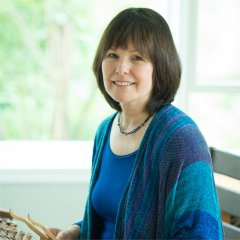
Jody Marshall, an accomplished hammered dulcimer player and DMV local, recently began playing therapeutic music at the Lombardi Comprehensive Cancer Center and MGUH as part of her practicum for the Music for Healing & Transition Program (MHTP). She first discovered the instrument at the National Folk Festival and eventually found her first teacher, AHP musician-in-residence Karen Ashbrook. Now a teacher herself, Jody is also using music to serve those dealing with illness, which she discusses in this interview.
How did you start playing the hammered dulcimer?
I grew up in a musical family. My father made a living as a jazz musician. He played everything with strings, except the hammered dulcimer. That may have been part of the appeal for me, but it was really love at first sight: I saw it. I heard it. I had to have one. I love how the hammered dulcimer sounds and the way it looks while being played. Its unique ring and sustain fills a space in a very satisfying way. It can be angelic or hard-driving, rhythmic or gentle. That versatility appeals to me. It’s visually dynamic. You can dance along as you play. It also has calming qualities, especially when playing therapeutic music.
How did you start playing therapeutic music?
Karen Ashbrook was my initial teacher. She also put me on the path of becoming a therapeutic musician. In addition to being musical colleagues, we're friends. So I watched her go through the MHTP then start to work in the field. Her passion for the work really rubbed off on me. She suggested that I pursue the program, saying that she thought I would be good at it. She was very persuasive. I finished the coursework for the MHTP in 2020, but before I could start my practicum at the Lombardi Cancer Center, COVID got in the way.
What has it been like to practice your craft in the hospital?
I've had some memorable moments seeing the many ways music can heal. I’ve played music for agitated, confused patients who eventually relax and fall asleep. Recently, I played for an actively dying patient with family members present. The music is important for loved ones and caregivers too. These profound experiences have allowed me to connect with people during intimate times in their lives. It’s extraordinary and humbling to be invited in to be a part of their healing journeys. And it inspires me to give and to help any way I can.
What’s next for you?
I would like to continue sharing music as a way of being of service. Many people want to give back in some way. It brings us joy if we can find ways to do that.
|