Overcoming Phased Construction Challenges
Lewis has worked in many occupied settings, but each one is unique and has particular challenges. This project was no exception. To overcome these challenges, our team made quick adjustments in response to Covid-19. We relied on proactive communication and trust to engineer swift solutions to complex problems, and we developed a phasing strategy that reflected the needs of each stakeholder.
Lewis had to remain flexible due to the unpredictable nature of Covid-19. The pandemic made everything more delicate as our crews moved through active hospital environments with special care to protect hospital users from undue exposure. For the safety of everyone in the construction area, there were weekly Infection Control Inspections that the team prepared for and scheduled around. Lewis set up check-in tracking stations at entries and exits to record who had been in the area to help track any potential Covid-19 spread.
To accommodate the occupied nature of the facility, we developed a construction strategy that broke the project into multiple phases. We completed each phase on a five-week work schedule. This strategy enabled our crew to make consistent construction progress while safely navigating around the hospital's operations. Furthermore, it allowed user groups to accurately forecast where and when construction would occur and develop their schedules accordingly.
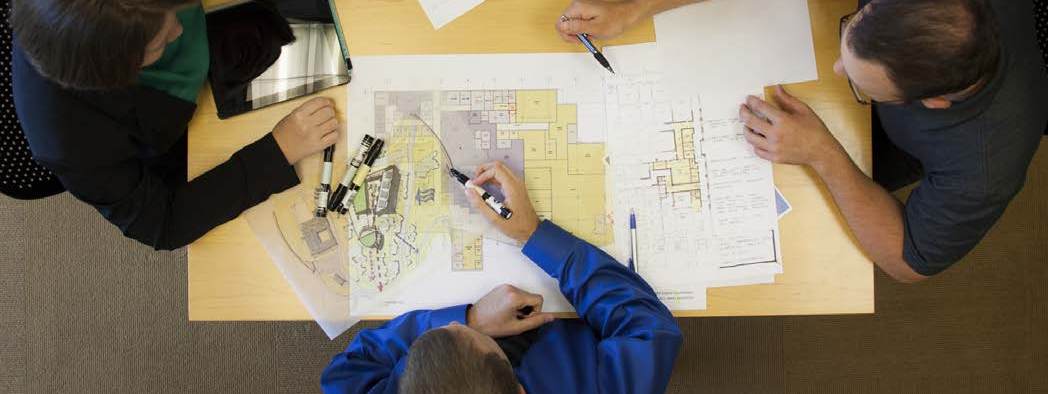
The phasing plan that we developed resulted from intentional communication with key Kaiser and JRJ team members and the hospital's user groups. This holistic approach ensured the needs of all stakeholders were considered. The phasing plan served as a compass for our team and enabled us to meet every deadline while sustaining hospital operations and user comfort.