Bright Spot
 

BRIGHT SPOTS


Dr. Lisa Pinkerton, clinical associate professor in Ohio State’s College of Education and Human Ecology, shares a list of award-winning picture books for young readers.


QUOTABLE & NOTABLE

“Direct investments in children are among the most effective and highest-return policies the government runs. Yet America already spends less on children than many wealthy peer nations and less per child than per senior. And now Congress is weighing another round of choices that would further reshape the systems supporting children through school, healthcare, nutrition, childcare and housing. …


“... [T]he current budget debate is too fragmented. A cut to housing assistance is treated as housing policy. A reduction in childcare support is treated as childcare policy. A change to nutrition benefits is treated as food policy. But children do not grow up in budget silos. Their lives are shaped by the combination of a home, healthcare, food, childcare, schools and the time adults can afford to spend with them.”

Who:

Dr. David Blazar and Dr. Michel Boudreaux, University of Maryland

Where:

“Congress debates childhood by budget lines. Children don’t live that way” — opinion piece published in The Hill


FACT OF THE WEEK

 
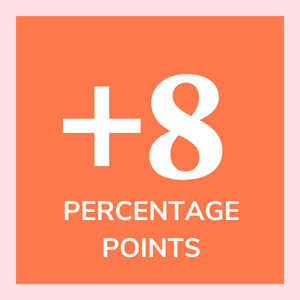
Plus 8 Percentage Points

Data for Ohio’s most recent kindergarten readiness assessment (KRA) show year-to-year improvements in the proportion of young children demonstrating overall readiness for school. In a blog post shared by Groundwork Ohio, Dr. Wendy Grove from the Ohio Department of Children and Youth shares progress made — including an 8.2 percentage point increase (from fall 2025 compared to fall 2024) among new kindergartners screened — amidst recent state efforts to improve early literacy instruction and early learning opportunities.


POLICY RADAR

Head Start

The U.S. Department of Health and Human Services recently announced proposed changes to the rules, regulations, and standards governing the Head Start program. If accepted, the changes would “eliminate or loosen” a significant number of the program’s standards, including to adult-child ratio requirements; qualifications for Head Start staff; requirements for certain health and developmental screenings; and other rules related to suspension and expulsion, family engagement, and more. The rules are undergoing a public comment period (as part of the federal rulemaking process) which will wrap up in early October. Instructions for submitting public comment can be found on the Federal Register announcement under “ADDRESSES.”


For more coverage, read:


EVENTS & HAPPENINGS

Join the Crane Center for a webinar on Wednesday, September 2, at 10 a.m. ET, when Dr. Xin Feng will be speaking on “Mother-Child Dyadic Emotional Responses in Everyday Life”.

The Prenatal-to-3 Policy Impact Center at Vanderbilt University is hosting its 2026 Research to Policy Summit on Tuesday, September 29, from 1:30-3 p.m. CT.


BEYOND THE BUCKEYE STATE

A new resource from New America and the Zaentz Early Education Initiative (Harvard) — part of a series examining promising early education policy strategies — spotlights a handful of state and city examples of strong, integrated data systems that provide evidence to decision makers. Drawing on interviews from leaders in highlighted locales (Kansas, Chicago) as well as brief example best practices in other states (including Ohio, for its early childhood workforce registry), it pulls out best practices to consider so that early childhood data can be linked across programs and translated in meaningful ways.

Thirty-six states are holding gubernatorial elections this year. The Hill describes how candidates are prioritizing early education in their campaigns, following the example of governors who have successfully championed children and their families in recent years.


WHAT WE’RE READING

An article published in The Huffington Post discusses cultural norms and financial realities in the U.S. related to paying grandparents for providing childcare, offering a counterexample from Sweden, which passed a 2024 law providing paid family leave for grandparents.

Stateline covers a report from the National Conference of State Legislatures, which convened 13 Democratic and Republican lawmakers to discuss their findings on a year-long investigation of childcare access and affordability. The report shares findings and possible solutions to address childcare shortages, including private sector employer contributions toward childcare, increased wages for providers, and modernizing quality rating systems and licensing processes.


This edition was written by Jamie O’Leary and Janelle Williamson.

If you like this newsletter, forward to a friend! Subscribe here.


crane.osu.edu

X  LinkedIn