JULY ROUNDUP


This month, PFAS remained at the center of the drinking water conversation. Stakeholders submitted comments to the U.S. Environmental Protection Agency (EPA) on its proposed revisions to the federal PFAS drinking water regulations, while the Water & Health Advisory Council urged EPA to adopt a science-based, risk-informed approach that protects public health while providing utilities with a practical path to compliance. At the same time, the Water & Health Advisory Council responded to the World Health Organization's (WHO) request for public comments as the organization updates its guidance on PFAS in drinking water, reflecting the growing global focus on the contaminants.


While the PFAS debate continues, drinking water systems across the country continue to face broader public health challenges. In recent weeks, communities responded to Legionnaires' disease outbreaks alongside aging infrastructure and water main failures, reinforcing the need for resilient water systems, effective building water management, and risk-based decision-making. These same themes are explored throughout Safe Drinking Water Act: The Next Fifty Years, which examines the policies, investments, and collaborative approaches needed to strengthen drinking water systems for the future.

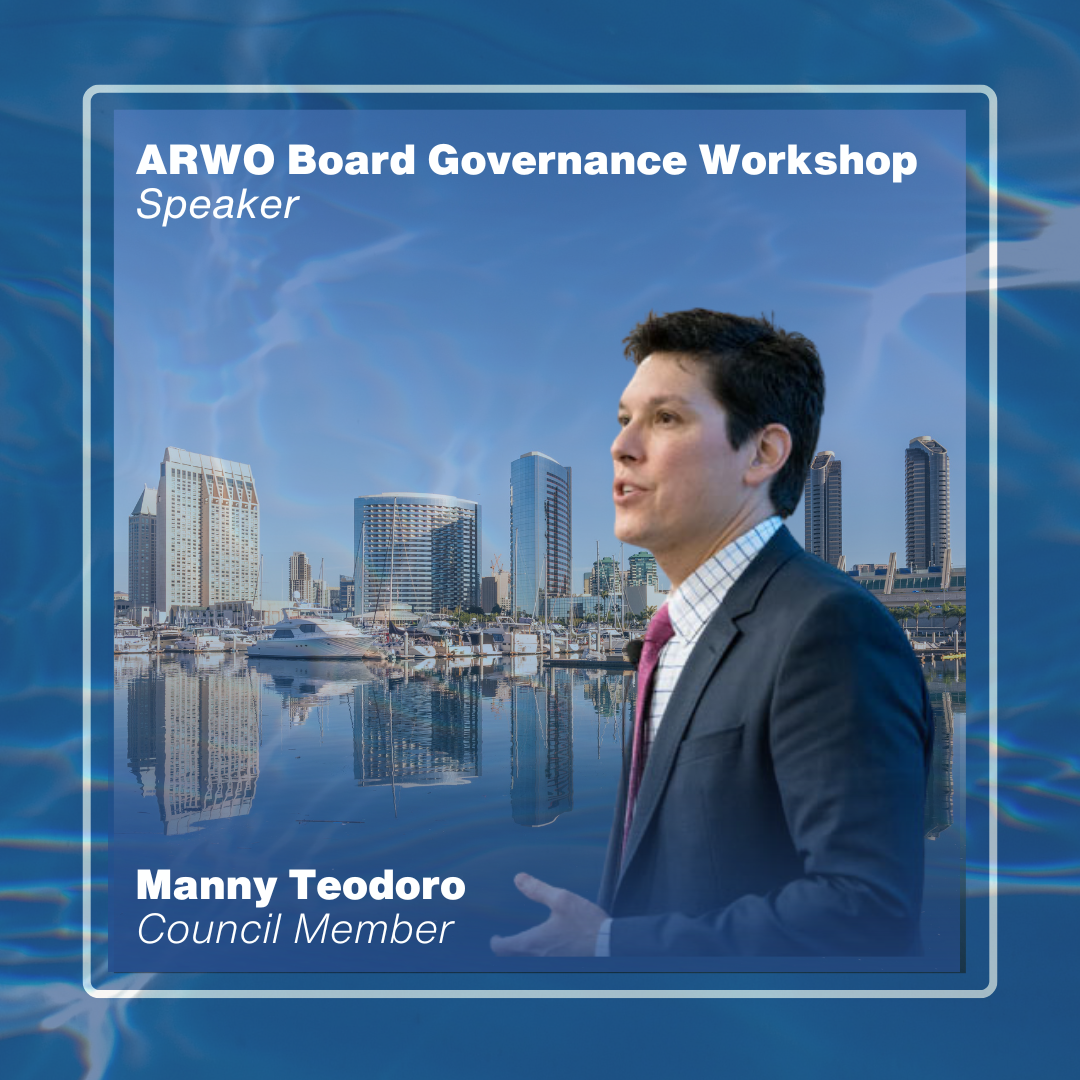
Council Member Manny Teodoro to Speak at ARWO Board Governance Workshop


On August 31-September 1, Council member Manny Teodoro will speak at the inaugural Board Governance Workshop in San Diego, presented by ARWO, Rogue Water Lab, and AMWA.


During the Trust, Communication & Governance session, Teodoro will discuss strategies for strengthening board leadership, communication, and governance. The workshop is designed to equip water utility board members, commissioners, and executives with practical tools to lead their organizations more effectively.


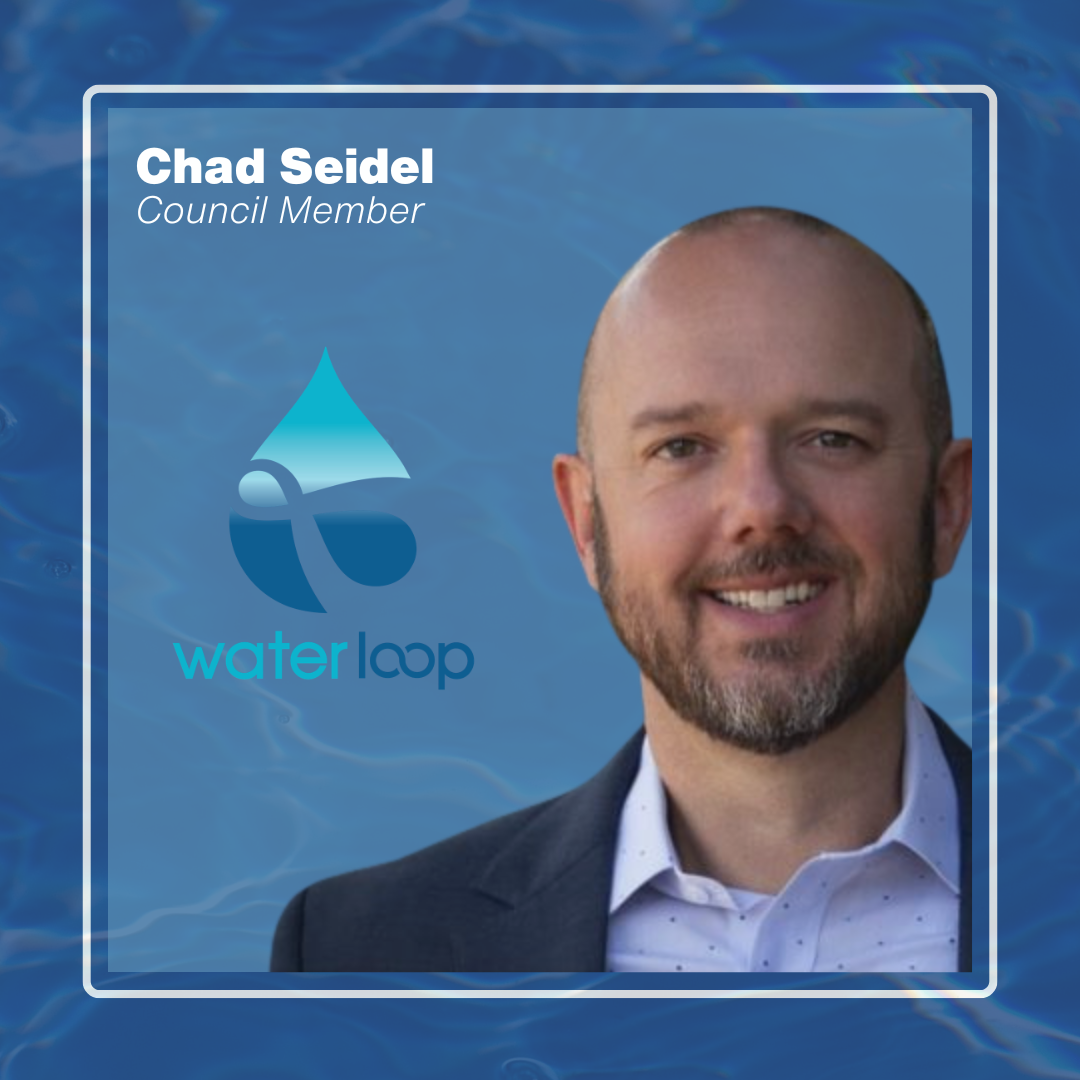
Member Chad Seidel Featured by Waterloop on Prioritizing Drinking Water Risks


In a recent Waterloop video, Council member Chad Seidel discusses the importance of prioritizing drinking water risks to achieve the greatest public health benefit.


Drawing on the Madison Declaration, he explores balancing emerging contaminants with other critical challenges, including aging infrastructure, workforce capacity, and cybersecurity.

L.A.’s dangerous game of triage as aging water system hits breaking point


A recent Los Angeles Times report highlights a challenge facing water utilities across the country: aging infrastructure and the difficult decisions required to maintain reliable service with limited resources. In LA, more than 30% of water mains are over 80 years old, requiring the utility to prioritize repairs and replacements based on risk rather than age alone. 


As water systems continue to age nationwide, proactive infrastructure investment and strategic asset management will be critical to improving resilience, reducing service disruptions, and protecting public health. 

Whitehouse Cheers Unanimous Passage of Bipartisan Water Infrastructure Bill Out of EPW Committee


The Senate Committee on Environment and Public Works has unanimously advanced the bipartisan Water Resources Development Act (WRDA) of 2026, reauthorizing key federal water programs while supporting investments in drinking water and wastewater infrastructure, and flood risk management. The legislation also includes continued authorization for the Drinking Water and Clean Water State Revolving Funds, reinforcing long-term federal support for critical water infrastructure projects.


Reliable water infrastructure depends on sustained investment, collaboration, and long-term planning. As communities across the country face aging infrastructure, increasing system demands, and evolving environmental challenges, bipartisan efforts to strengthen water resources and drinking water systems remain an important part of building resilient, reliable infrastructure for the future.


Connect with us
X  Linkedin  Facebook  
X Share This Email
LinkedIn Share This Email