|
Reframing the Narrative
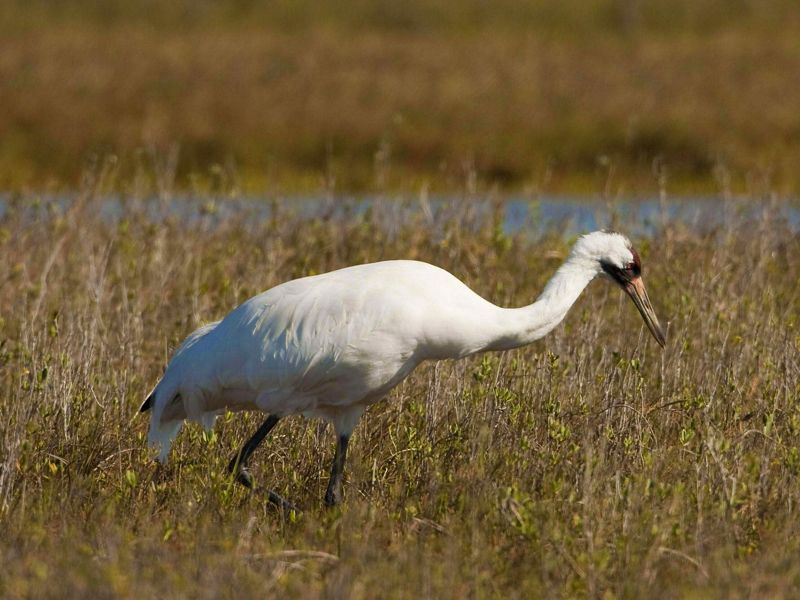
A common misconception is that finding a threatened or endangered species automatically halts a project. In practice, it does something far more productive: it opens the door to a collaborative planning process.
Identifying a sensitive species early allows project teams, regulators, and environmental professionals to work together on solutions that balance progress with protection. With the right approach, most projects can move forward while meeting state and federal requirements and minimizing ecological impacts.
How We Support Responsible Development
When a threatened or endangered species is present in or near a project area, early action is key. Environmental specialists help navigate the regulatory landscape, assess risks, and design practical strategies that keep projects compliant and on schedule.
Effective planning may include:
- Conducting detailed environmental assessments to understand habitat needs
- Scheduling work to avoid breeding, nesting, or migratory periods
- Developing mitigation and habitat protection plans tailored to the site
- Training crews on species identification and protection protocols
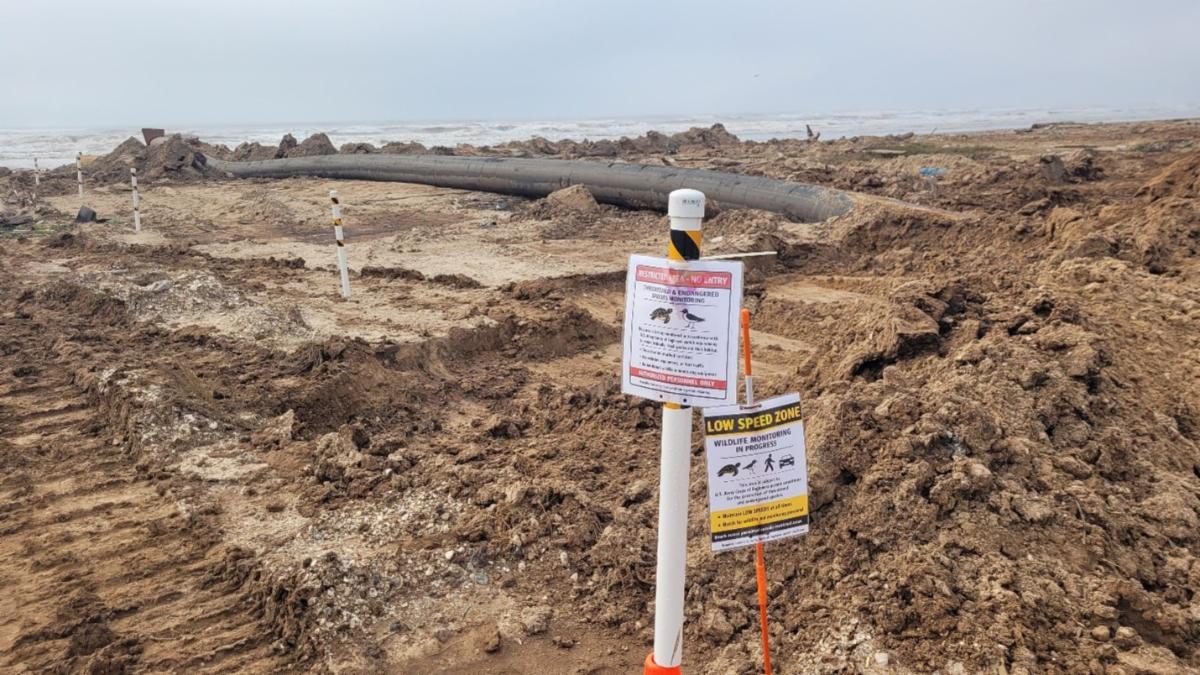
- Establishing buffer zones around sensitive areas
- Monitoring construction activities to ensure compliance
- Documenting and reporting species observations as required
Proactive environmental planning not only protects wildlife—it reduces delays, lowers regulatory risk, and supports smoother project delivery.
Moving Forward Responsibly
If you’re preparing for a new project and want to ensure it advances responsibly, efficiently, and in full compliance, our team is ready to help. Early coordination makes all the difference in protecting both your timeline and the natural resources that make each project site unique.
|