APRIL ROUNDUP

Contact Us

In a recent Milwaukee Journal Sentinel article, council member Manny Teodoro addresses the critical importance of safeguarding Wisconsin’s drinking water. He emphasizes that, despite the state’s abundant water resources, proactive measures are essential to maintain water quality and public trust. Teodoro advocates for modernizing infrastructure, enhancing regulatory frameworks, and fostering community engagement to ensure safe and reliable drinking water for all residents.

Learn More

Water Advisory Insights

50 Years of Safe Drinking Water: Insights from the Experts


What should we focus on for the next 50 years when it comes to the delivery of safe, reliable and accessible drinking water? Check out what drinking water leaders from across the nation have to say about what they would like to see for the next 50 years of safe drinking water. Thank you to Rob Renner, Joyce Dinglasan-Panlilio, Mayor Danene Sorace, Chad Seidel, Chelsea Boozer, Michelle Stockness, and Mayor Shawn Reilly for sharing your insights. 

Read More

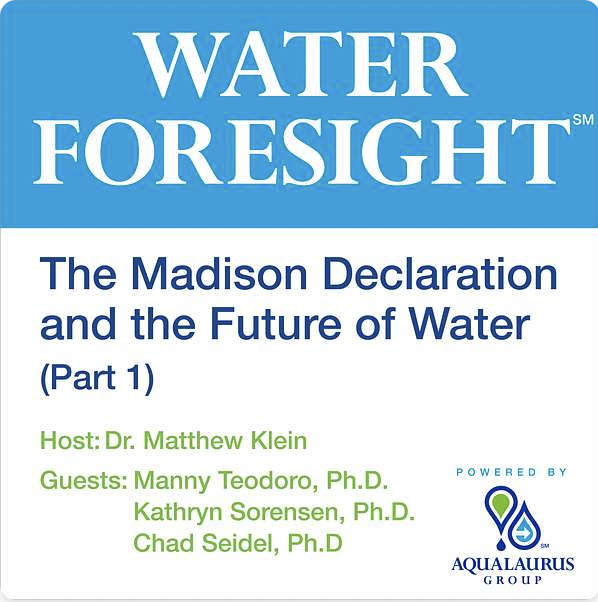
Water Foresight Podcast: The Madison Declaration and the Future of Water


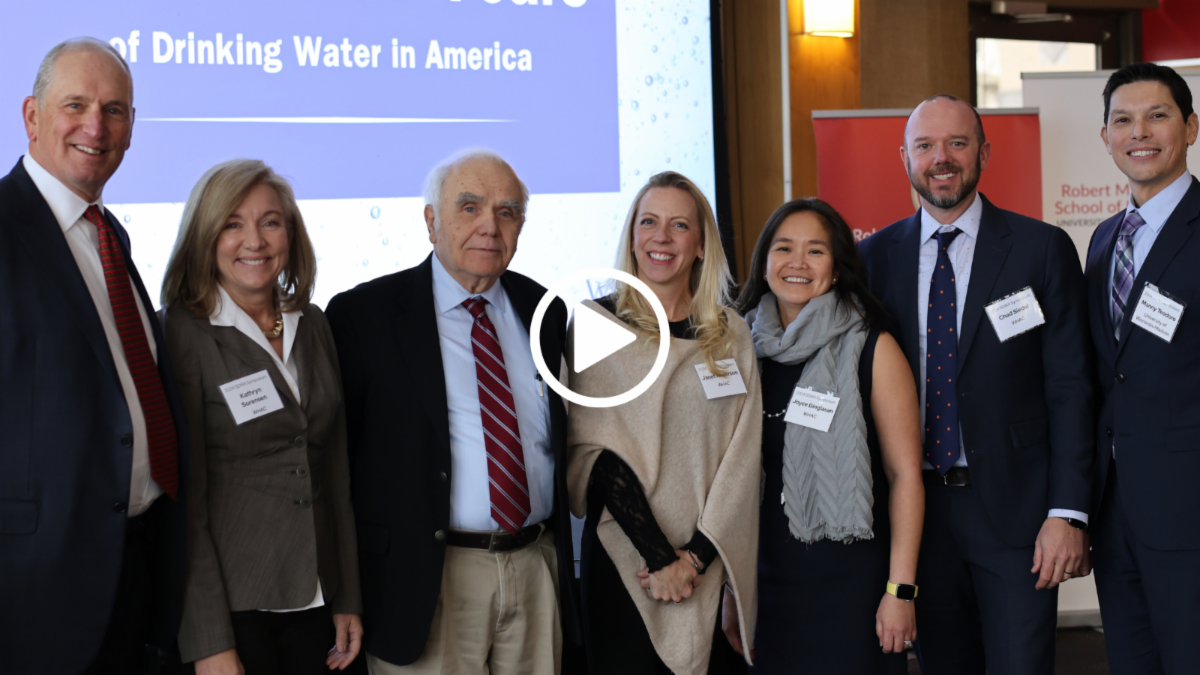
The 50th anniversary of the Safe Drinking Water Act was the perfect moment to ask: Is it thriving, or facing a mid-life crisis? Council Members Manny Teodoro, Kathryn Sorenson, and Chad Seidel joined Matthew Klein on the Water Foresight podcast to explore the Madison Declaration and what it means for the future of drinking water in America.

Read more

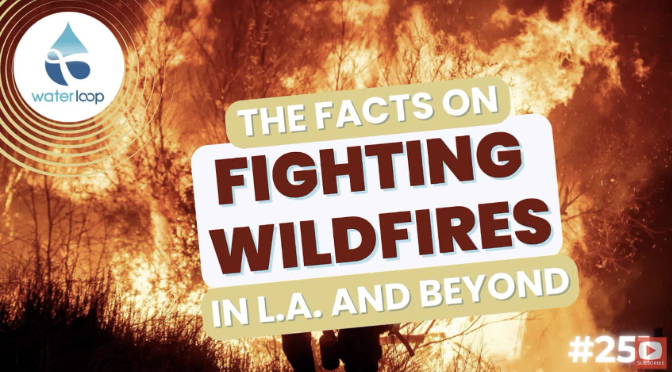
The Waterloop Podcast: The Facts On Fighting Wildfires In L.A. And Beyond


Wildfires, like those in Los Angeles, often ignite confusion and misinformation about the role of water resources in firefighting. Council members Kathryn Sorenson and Chad Seidel were featured on the Waterloop Podcast to clear up these misunderstandings, focusing on how municipal water systems are designed for localized firefighting—not large-scale wildfires intensified by extreme weather.

Read More

Fifty years ago, President Gerald Ford signed the Safe Drinking Water Act (SDWA), the principal law regulating tap water quality in the United States. The SDWA was an inflection point: for the first time, the nation’s water systems were subject to binding health-based standards, rooted in scientific research and jointly administered by federal and state authorities. Bolstered by amendments in 1986 and 1996, the SDWA propelled significant advances. Today, thanks to the SDWA, drinking water is safer, water utilities are more professional and accountable, and Americans enjoy some of the world’s best tap water.


Challenges remain, however. Millions of Americans still face significant risk from unreliable or contaminated drinking water. Microbial and chemical contaminants still threaten public health in parts of the country. Aging infrastructure and persistent failures erode public health and public trust. Our communities deserve better.

Read More

Water News

WaterWorld: Drinking water earns "C-" on ASCE 2025 Infrastructure Report Card

Drinking water has earned a “C-” on the 2025 American Society of Civil Engineers (ASCE) Report Card for America’s Infrastructure, which is the same score it received in 2021. ASCE released the report card grading America’s infrastructure on March 25, 2025, where the country received an overall grade of “C,” its highest ever score. The ASCE Report Card highlighted the need for funding and building more resilient infrastructure. According to ASCE, the U.S. Environmental Protection Agency (EPA) determined that the nation’s water infrastructure needs stand at $625 billion over 20 years, exceeding EPA’s 2018 assessment by more than $150 billion.

Read More

Governing: El Paso Breaks Ground on First U.S. Facility to Turn Wastewater Into Drinking Water

This desert city of El Paso, Texas, gets less than nine inches of rain a year and experienced the two hottest years in its recorded history in 2023 and 2024. But El Paso Water started planning decades ago for this hotter, drier climate. Last week the utility broke ground on its latest project to secure water for the city of 700,000: an advanced water purification facility that will deliver 10 million gallons per day of purified water from the city’s wastewater stream directly into its drinking water supply.

Read More

Delaware Public Media: Bigger water bills loom in Delaware as utilities seek to cope with costs of fighting ‘forever chemicals’

During the recent winter months, many Delawareans have seen a sharp increase in their energy bills - increases large enough to prompt Gov. Matt Meyer and lawmakers to seek ways to help ease the burden those bills are creating. But more sticker shock could be on the way, this time from your water bill as water utilities seek to recover some of the costs of upgrades needed to filter the so-called 'forever chemicals' known as PFAS out of drinking water.

Read More

Arizona State University: Striking a balance: How Arizona water systems can balance affordability with the need for rate increases

Arizona's water systems, especially small and Tribal systems, are facing mounting financial pressures as they strive to maintain affordable rates for residents while ensuring they have enough revenue to cover costs, fund infrastructure improvements and meet regulatory requirements. The report Tap Water Affordability in Arizona, recently released by the Kyl Center for Water Policy and supported by the Arizona Water Innovation Initiative, explores the delicate balance between raising water rates to ensure that residents have service stability while also keeping water affordable. 

Read More
Connect with us
X  Linkedin  Facebook  
X Share This Email
LinkedIn Share This Email