|
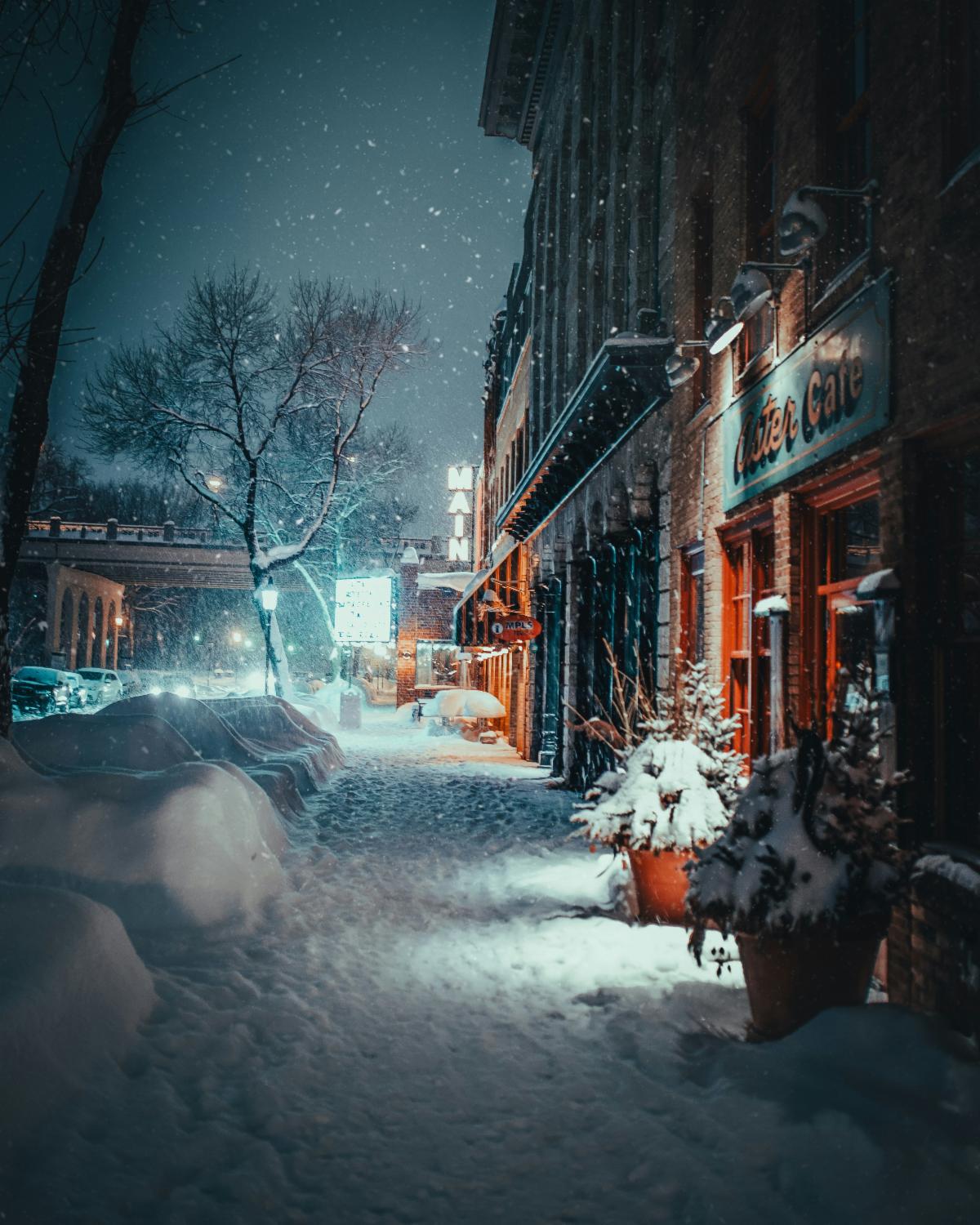
Merriam-Webster defines Cabin Fever as "extreme irritability and restlessness from living in isolation or a confined indoor area for a prolonged time". Winter is notorious for doling out it's share of Cabin Fever! If this cold weather is leaving you feeling like you're climbing the walls, boy do we have a newsletter for you! With more days spent indoors during the cold winter months, you just may be feeling trapped and bored. Grab a nice hot beverage, and a cozy blanket, and spend some time reading our newsletter! Chock full of info about frozen pipes, plus some great ideas of things to keep you busy when going outside is not an option, it just may cure your case of Cabin Fever! Stay warm and don't forget to reach out to us if you need some help. HRC..."We do the little things that never seem to get done."
| |
Protecting Your Pipes During Extreme Cold Temperatures | |
|
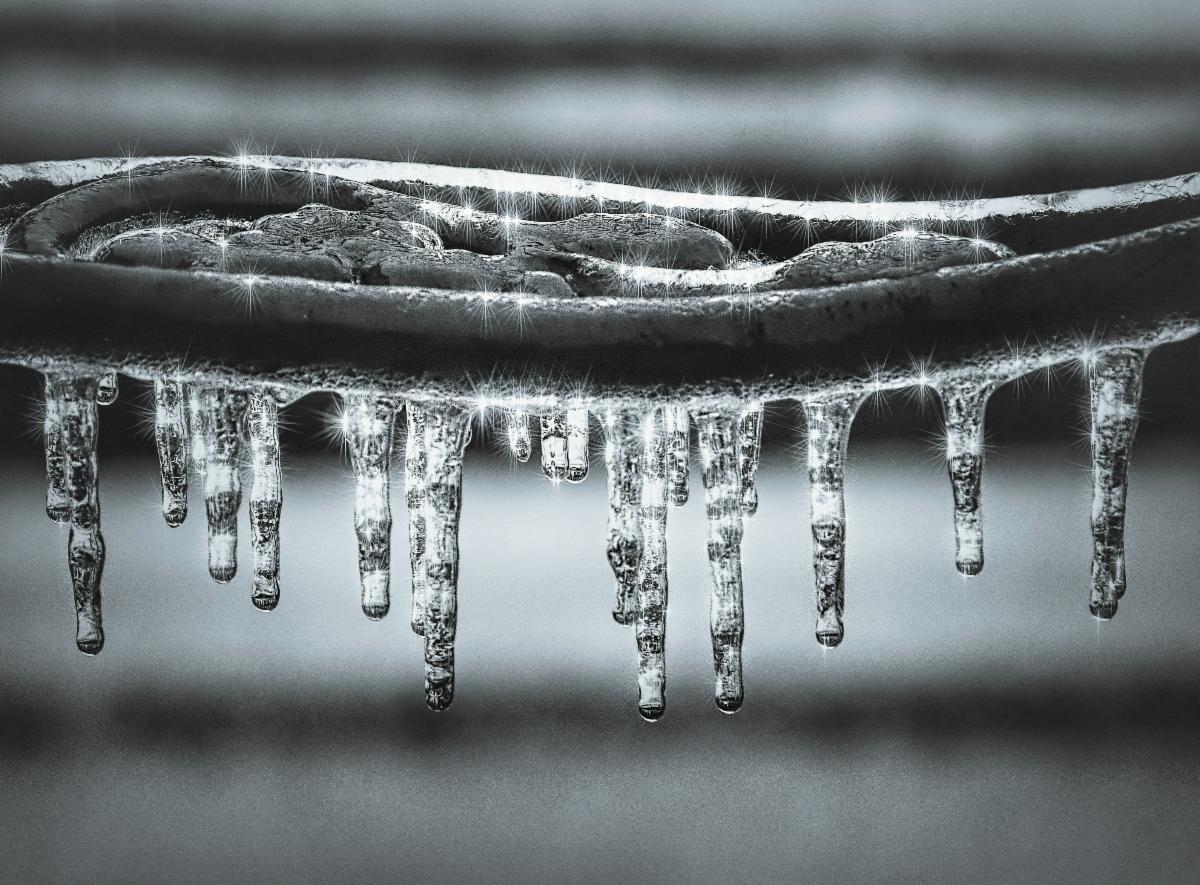
Currently, we are in a vicious cold snap, with temperatures dropping into the teens and even into the single digits! Brrr!! Because they are generally hidden from our view, it's easy to forget about the plumbing in our home until something goes wrong. Clogged toilets and sinks are easy to fix, but one area of your plumbing you never want to wait "until" is a frozen pipe. Dangerously low temperatures can cause the pipes in your home to freeze and, as you'll read below, serious damage to your home and belongings (and wallet!) can occur. Take a moment to read all about frozen pipes, what you can do to protect against them, and what to do if it's too late. You'll be glad you did!
The Dangers of a Frozen Pipe
Frozen pipes that happen when the temperature dips below freezing can cause major damage to your home. At the least, you can expect the inconvenience of a disrupted water supply. Much worse, you can experience flooding, water damage to walls/floors/belongings, repair or replacement of damaged pipes, structural damage, and possible mold infestation, all resulting in potentially thousands of dollars in repairs.
How/Why Do Pipes Freeze?
When exposed to temperatures below 32 degrees Fahrenheit for an extended period of time, pipes can freeze. As the water inside freezes, it expands and puts pressure on the pipe, potentially causing cracks. When the ice thaws, these cracks can turn into burst pipes, leading to flooding in your home.
Preventing Pipes from Freezing
Keep a Consistent Indoor Temperature
-
THIS step is one of the easiest steps, and maybe the most important: Keep your home’s temperature consistent, day and night, to avoid pressure fluctuations and prevent pipes from straining and freezing. Temperature consistency is especially an issue in old houses where there is poor insulation and there may be original plumbing/pipes in areas where they shouldn’t be.
- SET the thermostat to at least 60 degrees.
- KEEP doors inside your home open to maintain consistent temperatures throughout the house.
- SIMPLE acts such as setting ceiling fans to rotate clockwise to blow heat into a cold room can help, and being mindful to keep your garage door closed can help keep drafts out, too.
- YOU can use a space heater in areas prone to freezing, as it can provide extra warmth to help prevent pipe(s) from freezing, but always use space heaters with caution, as they can be a fire hazard. Never leave a space heater unattended and keep flammable materials away from the unit at all times.
Insulate Vulnerable Pipes
First, let’s identify the pipes that are most vulnerable to freezing:
- PIPES exposed to "severe cold" such as outdoor hose bibs, swimming pool supply lines, water sprinkler lines, and those pipes running against exterior walls with little or no insulation.
-
INSIDE your home, water supply pipes in unheated areas, where temperatures are often the lowest (basements, crawl spaces, attics, garages, cabinets, etc.)
Wrapping pipes does not prevent freezing, but it does give you more time by making the freezing process take longer. Keeping the especially vulnerable pipes mentioned above in mind, you can be proactive and reduce the risk of a frozen pipe bursting, by insulating these pipes that are located in unheated areas or along outside walls. You can use foam pipe insulation sleeves, which are inexpensive and easy to install. Be sure to ensure proper insulation around common freeze points such as elbows and
joints. For even more protection, insulate the area the pipes are in to help maintain a higher temperature around the pipes.
Additional Steps to Take to Protect Outdoor Plumbing
Especially before the temperature drops below 32 degrees, you can protect these exterior plumbing fixtures, particularly susceptible to freezing, by taking the following steps to safeguard them:
- DISCONNECT and drain garden hoses before winter to prevent water buildup and freezing.
- OPEN outdoor water spigots attached to homes to allow water to drain out, close and then cover.
- IF YOU have a pool and/or sprinklers, drain it/them before winter arrives.
Allow Faucets to Drip
Easy peasy. It’s simple. A slow, steady water trickle from faucets can prevent pipes from freezing, keeping water moving and reducing pressure buildup from within the pipes. When temps drop below 32 degrees, turn on at least one indoor faucet, in particular a faucet on an exterior wall or in an unheated area, to a slow drip.
Open Cabinet Doors
When temps are getting into the teens, another easy thing you can do to allow more heat to get to exposed pipes and help prevent freezing, is to open your kitchen, pantry, and bathroom cabinet doors. It’s as simple as that. Take the extra step to remove items from underneath these areas to improve air circulation and allow heat to reach the plumbing efficiently.
Seal Cracks and Openings
Maintaining your home’s overall insulation is a key part of preventing frozen pipes. If your pipes are freezing it usually means cold air is getting into the house. Sealing out the cold will help the pipes and the house stay warm. Start by preventing drafts that can lower temperatures around plumbing, by sealing entry points such as cracks in walls or floors, especially those near any pipes. You can seal these cracks by using expanding foam or caulk. Some areas you may not think to look at, but which often have gaps that allow cold air to come in, include areas where utility services enter the home, as well as the spaces around outdoor faucets and cable TV wire entry points.
Traveling in Winter?
Be sure to turn off your water when going away on vacation. Should your heat fail and your pipes freeze, they may be damaged but it will keep the water from leaking for potentially days before the problem is found.
Even when you’re away, set the thermostat to at least 60 degrees. A Smart Thermostat can monitor and control your home’s temperature remotely if you’re traveling.
Long-Term Protection for Your Pipes
Consider investing more time and money into protecting your home from freezing pipes over the long term by doing things such as:
- INSULATION of a crawl space.
-
HAVING pipes rerouted away from vulnerable areas inside your home to lessen their exposure to cold air.
- REPLACING your standard exterior faucets with frost-proof models.
- REPLACING and upgrading your pipes, especially when doing renovations, with plumbing materials that are more resistant to freezing such as PEX piping.
Signs of a Frozen Pipe
- REDUCED water flow, a trickle, or no water at all when you turn on a faucet, are usually the first signs that there is an ice blockage forming in your pipes.
- FROST on exposed pipes.
- STRANGE smells coming from your drains or faucets, a sign of possible trapped waste and gases.
Thawing a Frozen Pipe
If you can access the frozen pipe:
- OPEN the faucet to allow water to flow as the pipe thaws, gradually releasing pressure.
-
APPLY heat to the frozen section using a hair dryer. As ice inside the pipe melts, the flow will increase.
- NEVER use an open flame to thaw pipes! Doing so can cause more damage or even start a fire.
IMPORTANT: If you can’t locate or access the frozen pipe, or if your efforts to thaw it are unsuccessful, call a licensed plumber. They have specialized equipment that can safely thaw frozen pipes without causing damage.
What to Do if a Pipe Has Already Burst
To lessen any damage, immediately do the following:
- PREVENT further flooding by shutting off the main water valve to stop the flow of water.
- IF IT IS SAFE to get to the electrical panel, turn off the electricity to the affected area. Especially in situations like this, having a properly labeled electrical panel really helps. Just remember that in ALL situations, safety first. If you are concerned about safety, call a professional first.
- REMOVE irreplaceable items from the area to prevent water damage.
- CALL A plumber immediately for an emergency repair.
Now that you know a little more about what cold temperatures can do to the pipes in your home, why not take the time now to ensure your home is protected against it? There is a lot that can be done, and HRC is happy to help you take care of some or all of it. Just give us a call!
| |
Home Maintenace Tasks that Are Perfect to Take Care of in the Winter | |
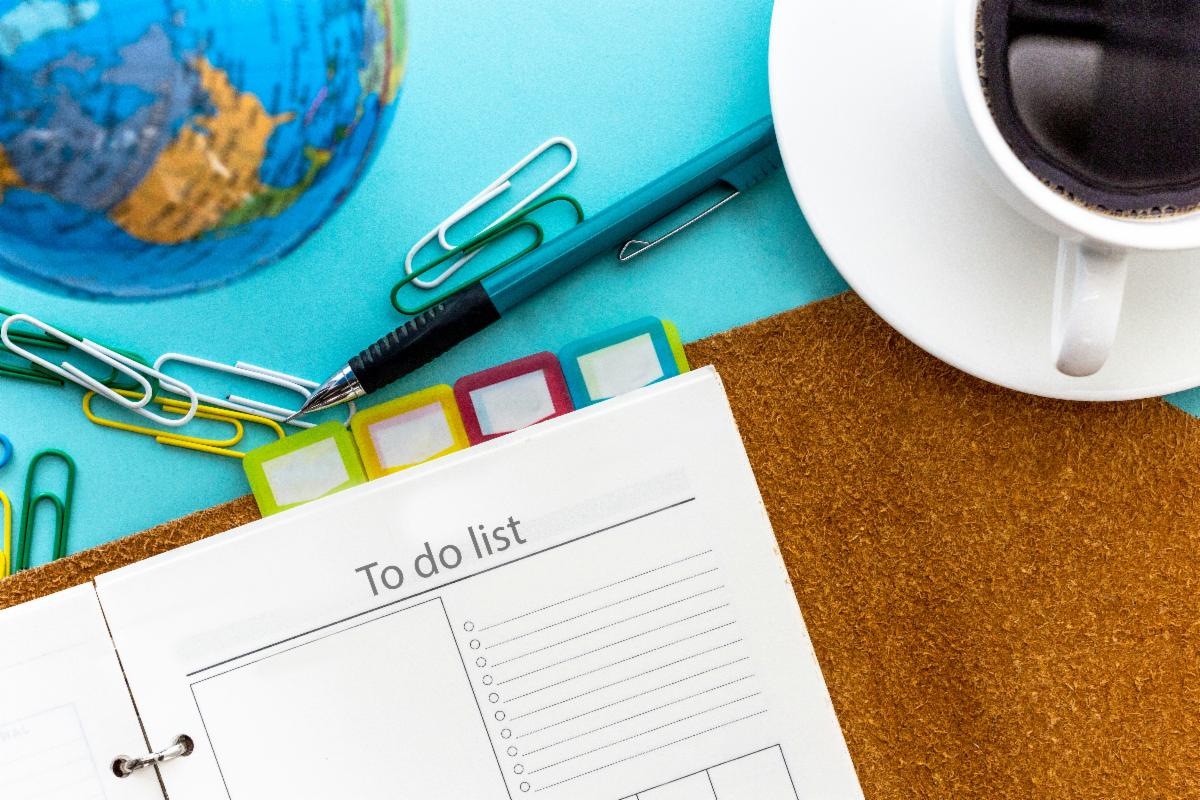
If the cold weather is leaving you feeling cooped up and bored, this article is for you! Winter is a great time to focus on household tasks that take place inside the house, giving you something to do while crossing off a few things from your "TO-DO List". Here are a few great suggestions to get you started:
Insulate the Attic & Crawlspace
Not only will replacing, or adding to, the existing insulation in your attic and crawlspace protect these spaces (and any infrastructure in these areas of your home), it will also help lower the cost of your heating bills!
Seal Cracks & Gaps Around Windows & Doors
You’ll be surprised at how much this can reduce heat loss in the cold months (and keep cooled air from escaping in the warm months), once again helping to lower your heating and cooling costs. See our article, above, for more info on how this can help protect your pipes from freezing, too!
Install a Kitchen Backsplash
The winter months can be a perfect time to get this job done! The air during the winter months tends to be dryer, allowing the adhesive and grout to dry quicker.
Lay Hardwood Flooring
Winter is also a good time to lay new hardwood flooring. The low humidity levels in winter make this task much easier to do, as it helps prevent gapping between the installed hardwood boards and also lowers the risk of water damage. The winter air also helps adhesive (if used) dry faster than it would during the warmer months.
Touch Up or Repaint the Walls
Is your interior paint looking a little worn? Looking to change the color palette in your home? Grab some paint and get started! BONUS: the winter air will help dry each coat of paint faster, reducing the overall time it takes to complete this project!
Update Light Fixtures
Switching out your current light fixtures for some newer ones is something you may be able to do yourself, but calling a pro/electrician can ensure the light fixtures are installed quickly and safely.
Replace Kitchen Countertops
The weight of the countertops can be an issue for DIYers working alone, so if you don't have anyone to help you, it's probably better to hire a professional to remove the old countertop and install the new one.
Install a Programmable Thermostat
A programmable thermostat is a great, and minimal, investment. It will help lower heating costs throughout the winter, especially when you set it to reduce the temperature indoors at night and during the day when everyone is at work or school.
Paint/Reface Kitchen Cabinets
Are your old kitchen cabinets staring at you every time you stumble into the kitchen for a hot cup of coffee, imploring you to replace them? Not ready for a full kitchen renovation? Paint them or reface them! You can install new drawer fronts and cabinet doors or simply just veneer or paint the existing ones. You can even install new cabinet hardware. You will be blown away at what a difference this will make!
Replace Old or Worn Carpeting
If your carpet is stained, damaged, worn out, or simply just ugly, it may be time for an upgrade. Winter is a great time for this indoor project. Not only will it feel better to walk on, it can also insulate the floor by creating a balanced distribution of heat throughout your home.
Re-Grout or Replace Shower Tiles
Discolored and possibly cracking, crumbling grout lines are a sign that it’s a good time to address the grout in your shower area. This, as well as any damaged shower tiles, can let water seep into hidden areas, potentially causing mold growth and damaging the infrastructure of your bathroom. BIG PLUS: Winter is typically slow for professional contractors, so getting an appointment to get this job done may be a little easier than during other times of the year!
Upgrade the Faucets
If the faucets in your home have begun to look outdated, have lost their shine or, worse, have developed slow leaks, it’s time to replace them. Doing so is a pretty easy task to take care of, and it will help conserve water and reduce your bills.
Renovate the Basement
If you’ve thought about revamping your basement space into a more functional, livable area, winter can be a great time to get this indoor project done. Renovating your basement area can be done on the less expensive side by simply painting, installing some new lights, and laying a rug, or it can be a more expensive investment by upgrading the insulation, adding drywall, installing new flooring, and installing a new basement ceiling. Whichever route you choose to go, why not tackle this project now?
Create a Home Office
If you’ve been thinking of taking a work-from-home job and the winter weather has convinced you to take the plunge, create a workspace in a spare room or in an extra space around your home that you can use full-time, or whenever the weather outside keeps you from commuting to the office.
Little Projects
-
REDECORATE! Hang new artwork, put up mirrors, hang wall shelves and decorate them, rearrange existing furniture (or add some new pieces), add a new rug or two, create a new room layout, etc. Not only will these relatively inexpensive additions help to enhance the aesthetic of your home, redecorating will also give you something fun and creative to do when you’re stuck inside.
-
CLEAN THE FORGOTTEN AREAS! Vacuum under your beds and other furniture. Nobody else can see those dust bunnies….. But you know they’re there. Do you know what else needs a good cleaning? Your email and mobile phone inboxes. Put some time aside to delete delete delete.
- Shampoo your rugs and carpets!
- Get a head start on your spring cleaning and wash those curtains! You can run a duster over your mini blinds too, while you’re there.
-
ORGANIZE! Start by organizing your bills and paperwork. Then, take a look around your home! Organize your pantry, organize your linen closet, organize under your bathroom sink(s) and under your kitchen sink, organize your laundry room (FUN FACT: many home appliances, like washers and dryers, go on sale during the winter months!).
Many of these things can be taken care of on your own, or you can choose to have them taken care of by a pro. That's why we're here! HRC is just a call away. Give us a ring and let's get started!
| |
|
Home Repair and Care has a facebook page! We put reminders for upcoming events and other useful things here! CLICK HERE to follow us. You can even leave a review for HRC! We greatly appreciate hearing some kind words from our long list of terrific customers!
| |
|
You can also give your review of Home Repair and Care on Google (CLICK HERE!).
| |
|
We also have a nextdoor account! You can join our neighborhood, HERE. Feel free to "Fave" us and leave a review, also!
| |
|
2/1/25: Somerset County (NJ) Electronic Waste Recycling Event, Hillsborough, 8am-2pm. For more information on this event, CLICK HERE!
3/1/25: Somerset County (NJ) Electronic Waste Recycling Event, Hillsborough, 8am-2pm. For more information on this event, CLICK HERE!
3/22/25: Somerset County (NJ) Document Shredding Event, Hillsborough, 9am-1pm. For more information on this event, CLICK HERE!
Bucks County (PA) Electronics Disposal Information. The following is a list of locations for electronics disposal. NOTE: A fee will be charged at these sites. Contact individual locations for further details. For list of
locations, CLICK HERE!
| |
January Monthly Maintenance List | | |
- Inspect visible plumbing pipes for leaks.
- Check area around water heater for leaks.
- Check wiring, electrical cords, and plugs, for wear or damage. Replace if necessary.
- Test smoke alarms and carbon monoxide detectors for proper operation. Vacuum/dust off.
- Inspect water softener for proper operation. Add salt as needed.
- Inspect tiled areas for loose or missing grout or caulking. Re-grout or re-caulk, if necessary.
- Inspect shower doors/tub enclosures for proper fit. Adjust if necessary. Inspect caulking and re-caulk, if necessary.
| |
|
HRC is always thankful for having such wonderful customers to work with. Owning a home takes a lot of work but, if we work together, we can get it done! We're just a phone call away, so remember: "We do the little things that never seem to get done", and so much more!
| |
|
Don't forget, we also post tips, reminders and project updates on our social media!
FOLLOW US
| | | | |