Article V Constitutional Convention
After three hours of debate, the Senate voted 11-24 to reject SCR 108. SCR 108 would have called for an Article V Constitutional Convention with the goal of creating a balanced budget amendment. While I am very concerned about our mounting federal debt, rules restricting the constitutional convention delegates to a single issue could not be enforced. Subjecting our Constitution to a runaway convention in a politically polarized environment could tear apart the very heart of our representative democracy. In my opinion the risks far outweighed the benefit, and there is currently nothing stopping our Congress from adapting a balanced budget amendment in the traditional manner.
Education
Once again the Senate Education Committee heard about the many benefits of early childhood learning and preschool. Studies reinforce the relationship between early learning and achievement. The data is very compelling and this is something I hope the legislature will address.
The Senate Education Committee voted to concur with the House Education Committee and remove five sections from the
temporary science standards. I could not in good conscience vote for science standards that removed biodiversity, human impact, and climate change, so I voted not to concur with the House. The good news is, these standards are temporary and we will see them again next year.
Economy
The Joint Finance-Appropriations Committee (JFAC) approved a $50 million supplemental appropriation for fiscal year 2017 from the general fund to the Emergency Relief Fund. This money will be used for emergency road repair and relief for those in declared disaster areas. An emergency clause was included so this money will be available immediately. This money is desperately needed as the devastation around the state is overwhelming.
Invasive Species
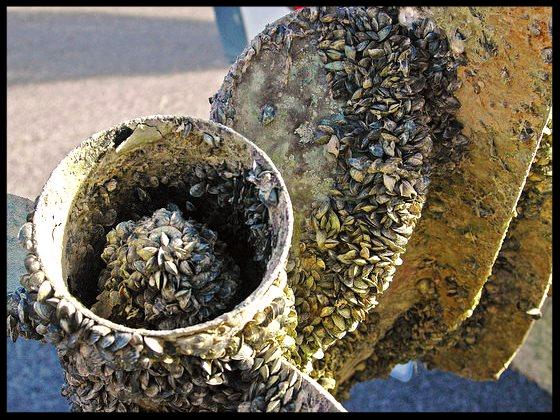
This week we held a conversation about Quagga and Zebra Mussels. Once an infestation occurs, this mussel reproduces at an alarming rate and can destroy any body of water they inhabit. The Quagga and Zebra mussels have the potential to damage hydroelectric facilities, agricultural irrigation systems, and ruin recreational waters. More importantly, they are almost impossible to eradicate. These mussels have already been found in Montana and Utah.