View this email in your browser

Gaples Institute logo
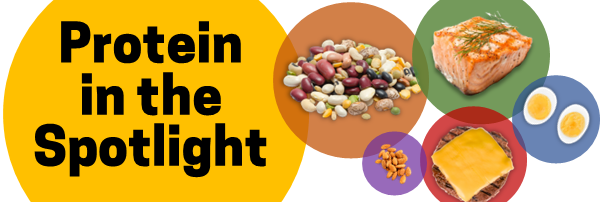
The words "Protein In the Spotlight" alongside images of legumes, salmon, eggs, almonds, and beef

Protein is definitely having a moment. Protein-laced products are everywhere: you can order a coffee topped with protein foam, have a glass of protein-infused water, and even snack on high-protein chips.

With all the hype surrounding protein, let's take a closer look at some common misconceptions and share practical takeaways you can trust.

How Much Protein Do You Need?

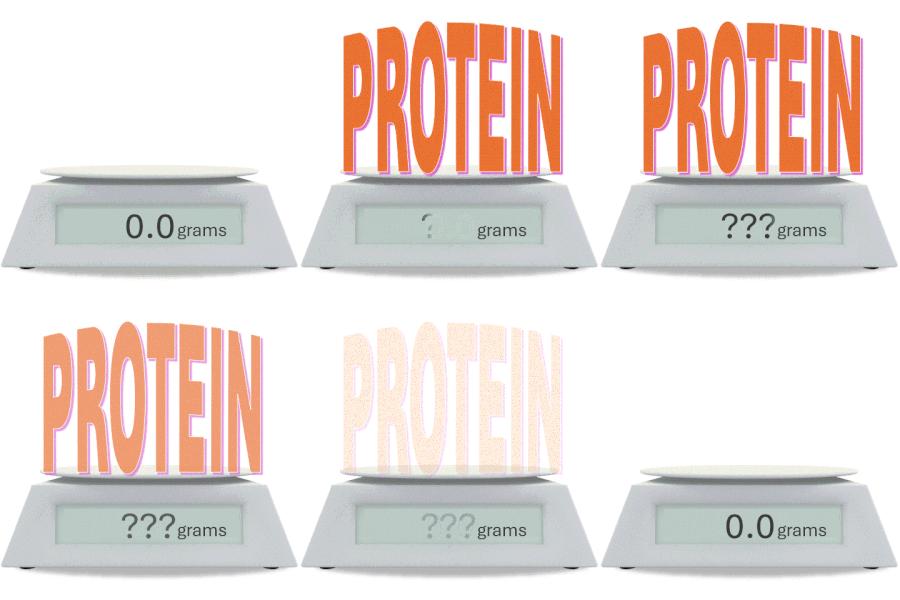
The word "Protein" bounces onto the tray of a food scale whose digital display says "??? grams"

The answer depends on factors like your age, overall health, and medical history. For most people (we’ll cover some key exceptions in a moment), the Recommended Dietary Allowance (RDA) is a helpful baseline: about 0.4 grams of protein per pound of body weight—which means that a 150-pound person would need around 60 grams per day.

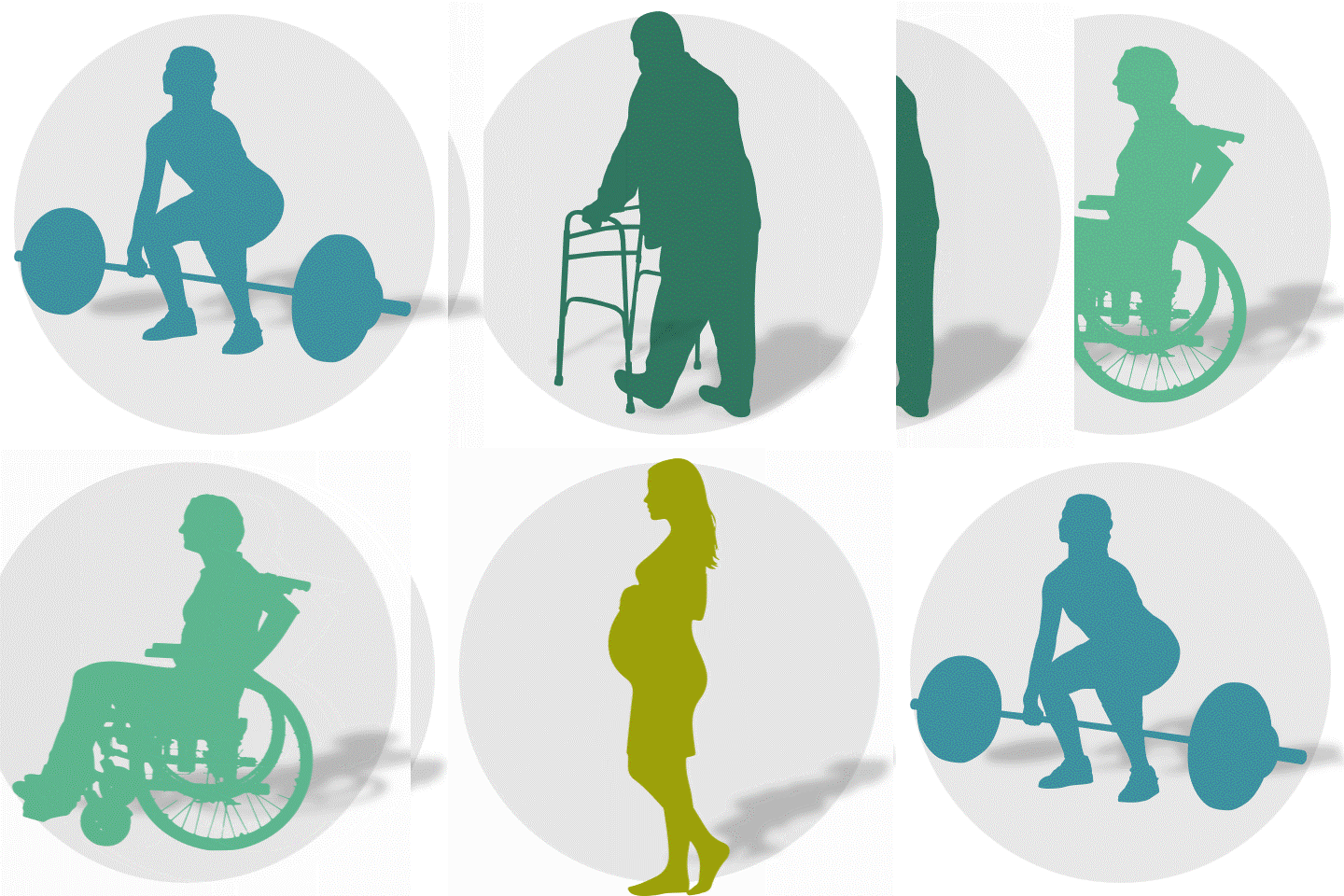
Animated silhouettes depicting a weightlifter, elderly man with walker, woman in wheelchair, and a pregnant person

Who Might Need More?


Some people may benefit from higher protein intake—especially those with increased muscle breakdown or intense physical demands, such as:


  • Serious weightlifters
  • Older adults experiencing muscle loss
  • People who are pregnant
  • People recovering from serious illness or surgery


In these cases, daily protein requirements can climb to as much as 0.6 grams per pound of body weight—or even more. Since needs vary, working with a nutrition professional can help ensure the right amount for your situation.

The Source of Your Protein Matters

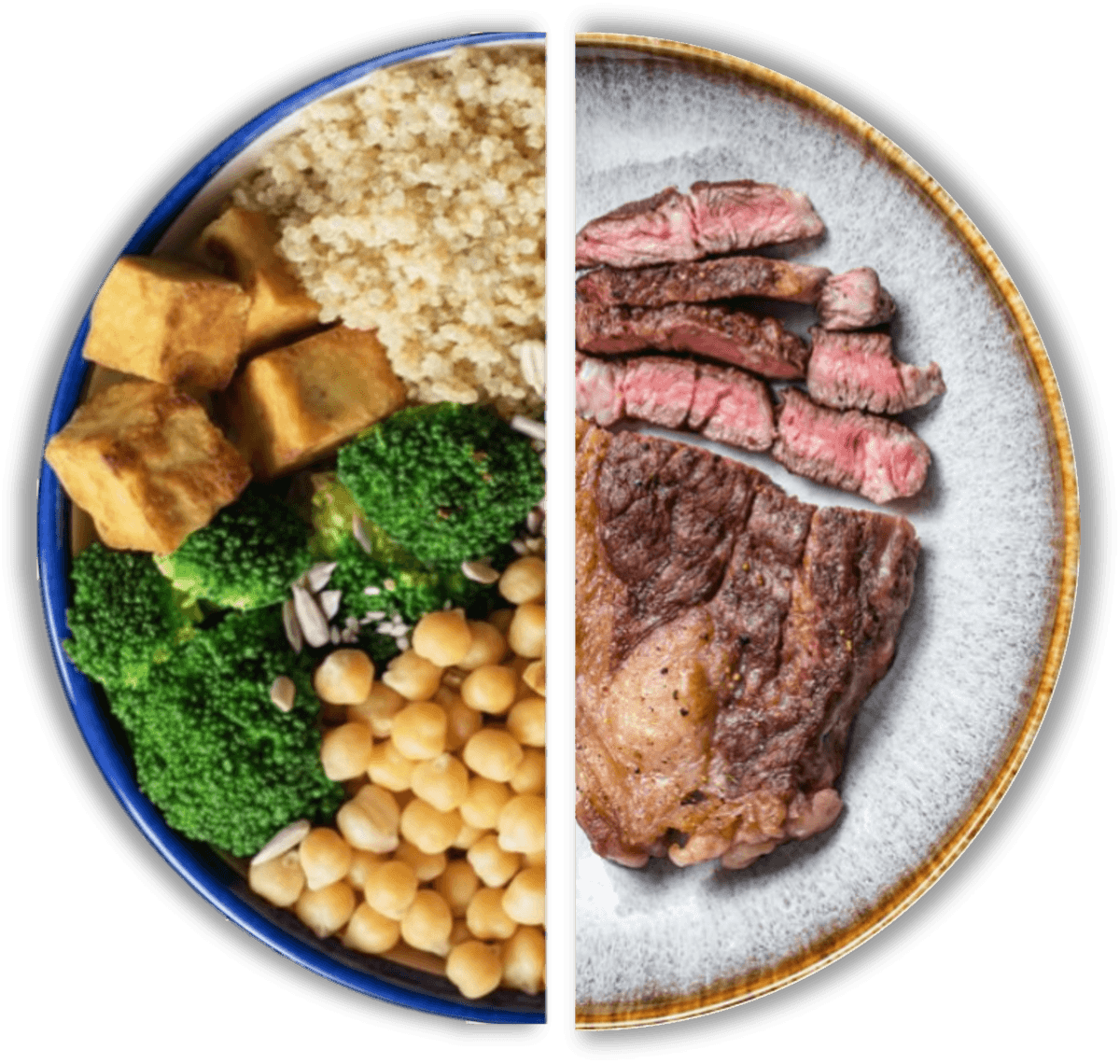
A split image of a plate, with tofu, beans, vegetables, and grains on one side and steak on the other side

It’s a common myth that plant proteins are “incomplete” or inferior. In reality, if you eat a variety of plant foods throughout the day, you can easily get all the essential amino acids—the building blocks of protein.


Although protein can come from many sources, research consistently shows that shifting toward more plant sources of protein is associated with a lower risk of heart disease, cancer, and other chronic conditions.


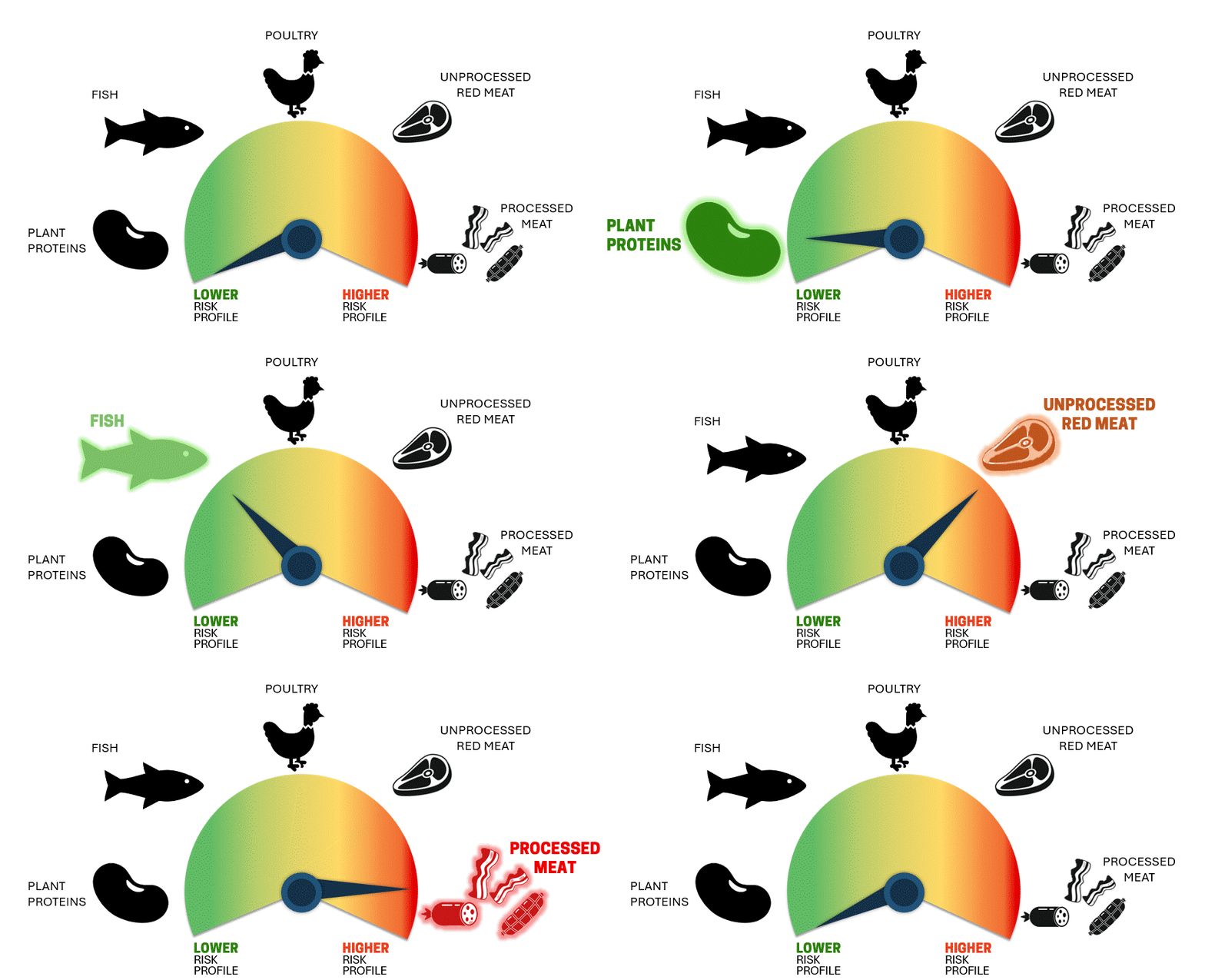
Not all protein sources have the same impact on health. In general, plant proteins have the best health profile, followed by fish, then poultry, then red meat—with processed meats (like bacon and sausage) posing the greatest concern:

Animated meter showing risk profile of protein-rich foods, with plant proteins on the lowest-risk side and processed meat on the highest-risk side

Want to deepen your

protein knowledge?

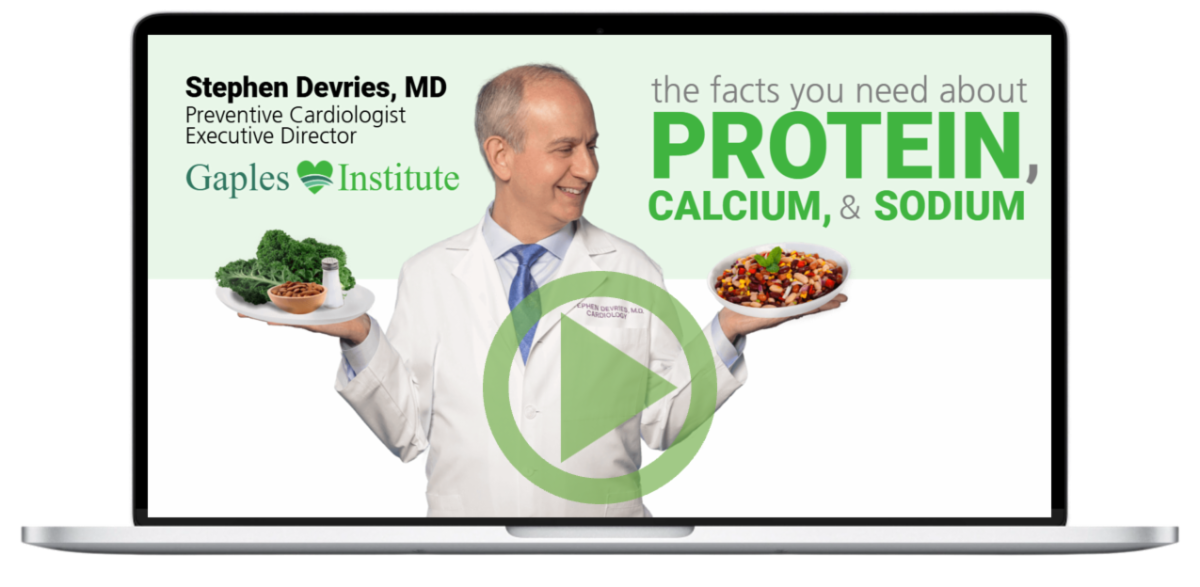
Our fun, free, interactive learning program for the public includes an entire module on protein—and you can dive in right now, no login required! It breaks down the science into practical, actionable guidance to help you build a balanced approach to protein—without the hype.


Learn the protein facts you need in just 10 minutes:

Click here to view the Gaples Institute's free interactive learning program on protein

Follow us on social media for news and tips on healthy nutrition and lifestyle!

Facebook  LinkedIn
The Gaples Institute logo, alongside the words: "A physician-led educational nonprofit devoted to advancing the role of nutrition and lifestyle in healthcare."

Home | Donate | Contact Us