|
Hello Maribel,
I’m pleased to share that, in response to visitor requests, I will be presenting the stories behind some of the unique items for sale in our shop. Many of you have expressed interest in understanding the narratives that make antiques truly special. It’s these stories that elevate them from mere objects to cherished artifacts, enriched by the time, place, and individuals who have owned them.
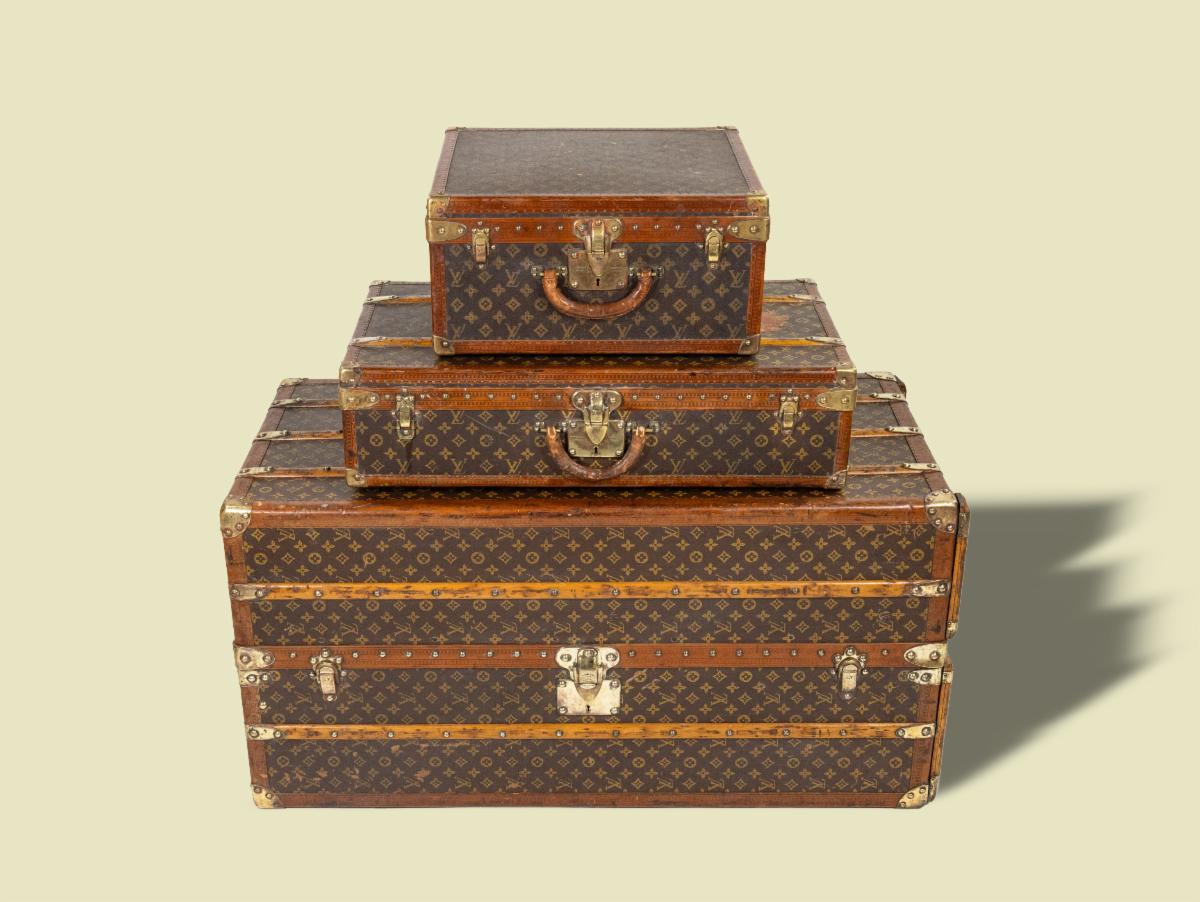
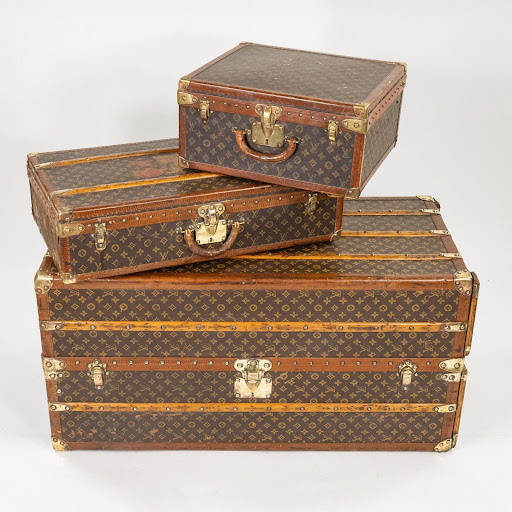
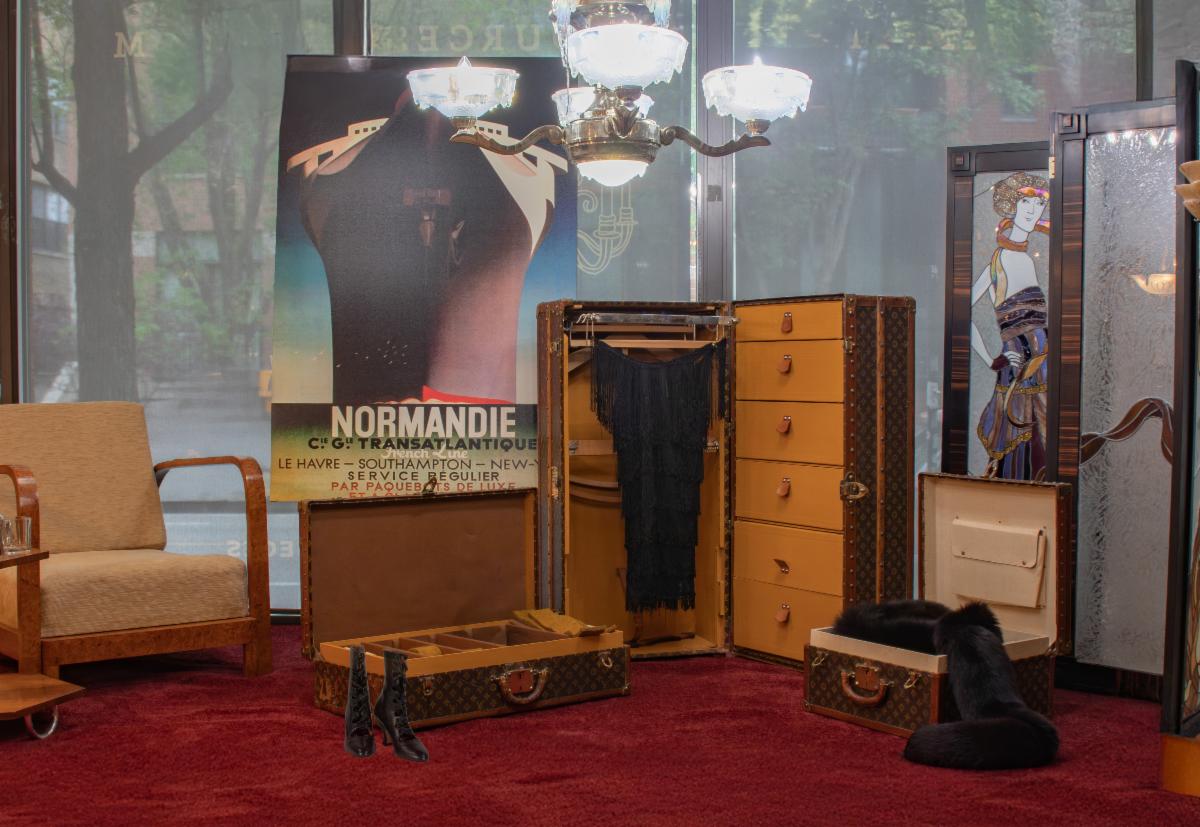
To begin this series, we’re featuring an exquisite set of Louis Vuitton suitcases from the Early 20th Century, which belonged to a prominent socialite of the Edwardian and Art Deco eras, Charlotte Whitney Allen. These stunning cases not only reflect the luxury of their time but also carry a rich history that adds to their value as collectibles.
| | |
A Touch of Luxury:
Early 20th Century Louis Vuitton Suitcases
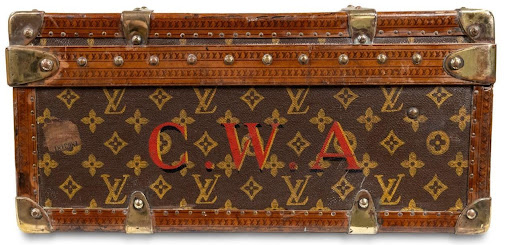
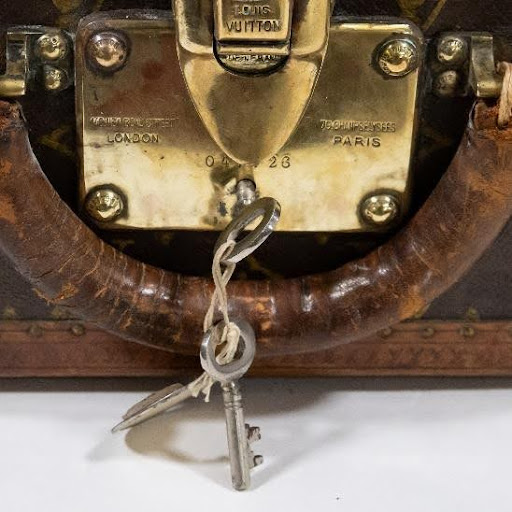
| | These exquisite Louis Vuitton cases are more than just travel accessories; they are artifacts of a transformative period in history, embodying both the legacy of an iconic brand and the stories of their original owner. Renowned worldwide for its exceptional craftsmanship and innovative designs, Louis Vuitton established itself as a symbol of luxury and sophistication since its founding in 1854. | | Antique Resources image of engraved brass hardware and the iconic hand-painted monogram canvas with initials of the original owner, Charlotte Whitney Allen. | Over the decades, Louis Vuitton has embraced new materials and technologies while maintaining a strong commitment to craftsmanship. The brand has introduced various innovative features, including advanced locking mechanisms for security and meticulously engraved hardware to combat counterfeiting, which became a concern following the introduction of the iconic Monogram Canvas in 1896. | Antique Resources image of the innovative five-tumbler lock, invented in 1886, that remains in use today for its theft-proof design. | These Louis Vuitton pieces represent owning a piece of history connected to a legacy of exploration, privilege, and refinement. These suitcases not only embody the aesthetics of the Art Deco era but also highlight the brand's enduring craftsmanship. | On display at Antique Resources. | |
Defining an Era:
The Surge of Luxury in World Travel
| |
In the late 19th century, world travel began to expand significantly, particularly with the advent of more efficient transportation methods like steamships and railroads.
In particular, the Art Deco period, which spanned the 1920s to the 1930s, saw further advancements in travel technology and luxury. This era brought about a cultural emphasis on travel as leisure, partly influenced by the economic prosperity of the time following World War I.
| |
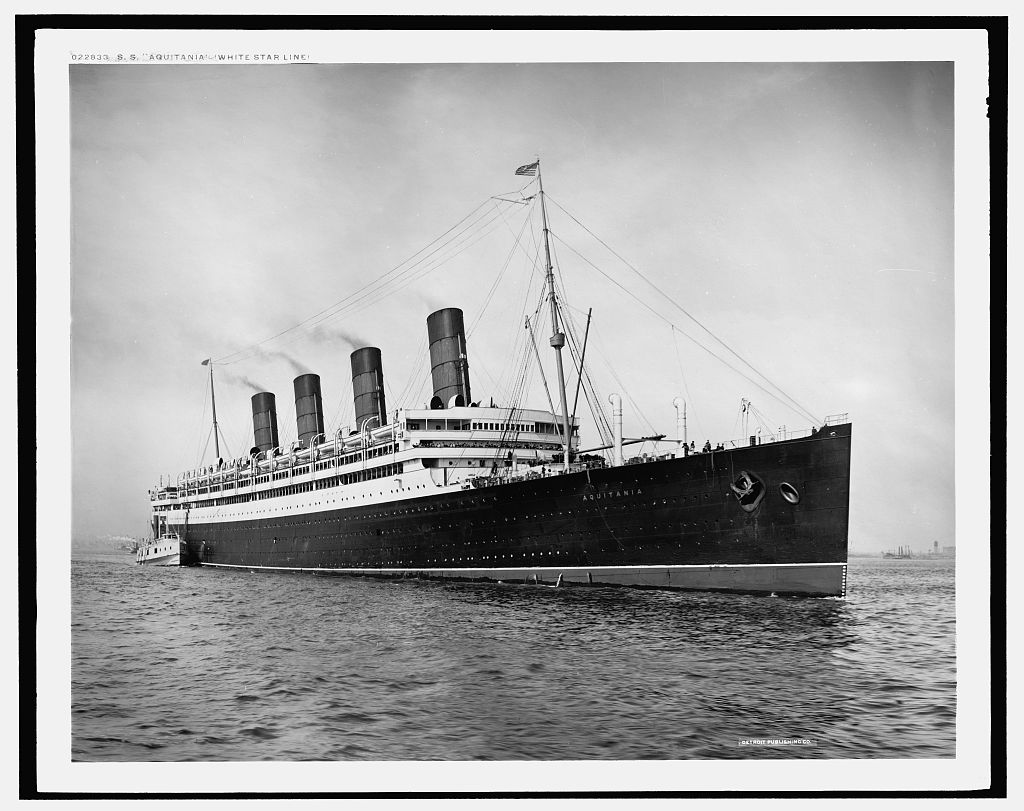
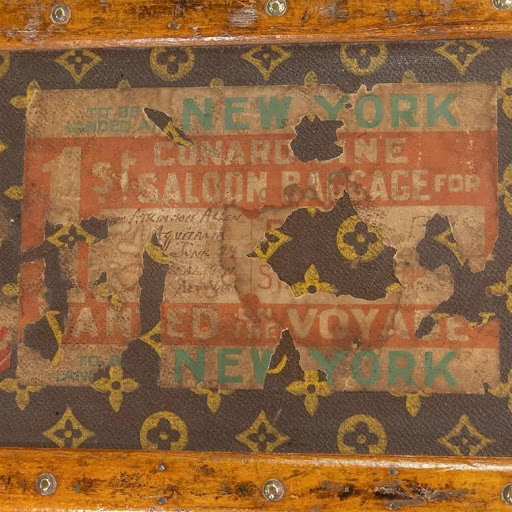
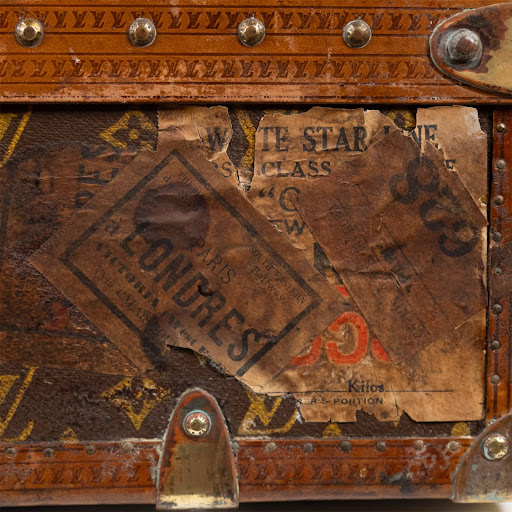
Transatlantic travel between Europe and the United States emerged as a sought-after experience for affluent travelers seeking comfort during their journeys. The Aquitania, managed by the Cunard Line, is prominently featured with its stamp on the shoe trunk.
Additionally, there is a sticker from the White Star Line, most famous for owning the Titanic. Allen sailed from NY to Alexandria, Egypt on the S.S. Adriatic, a White Star ship, four months before the Titanic sank on its maiden voyage. Each sticker on these cases reflects the first-class travels of the original owner, Charlotte Whitney Allen, both on her own and with her husband, Atkinson Allen (1886–1957).
| | |
Antique Resources image showing the Aquitania sticker (operated from 1914 - 1950)
with Charlotte's husband’s name, Atkinson Allen.
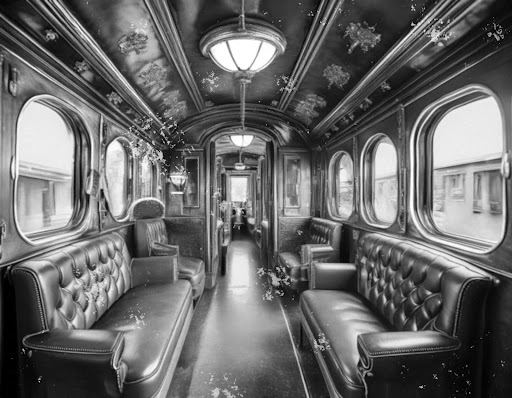
| | During the late 19th and early 20th centuries, particularly in the Art Deco period, railroad travel underwent a significant transformation. Extensive rail networks across Europe and North America made long-distance journeys faster and more efficient. Innovations lowered fares, making trains accessible to the middle class, while luxury services emphasized fine dining and comfort. | AI-generated image of a luxury 1930s lounge car. | | |
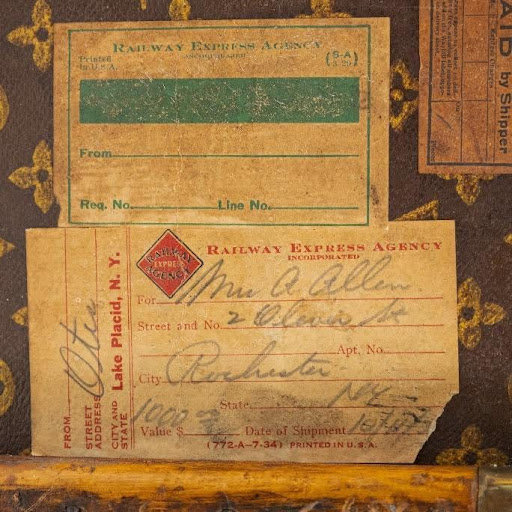
Antique Resources image of a Railway Express Agency (REA) sticker
(operated from 1918 to 1975) with Charlotte's name.
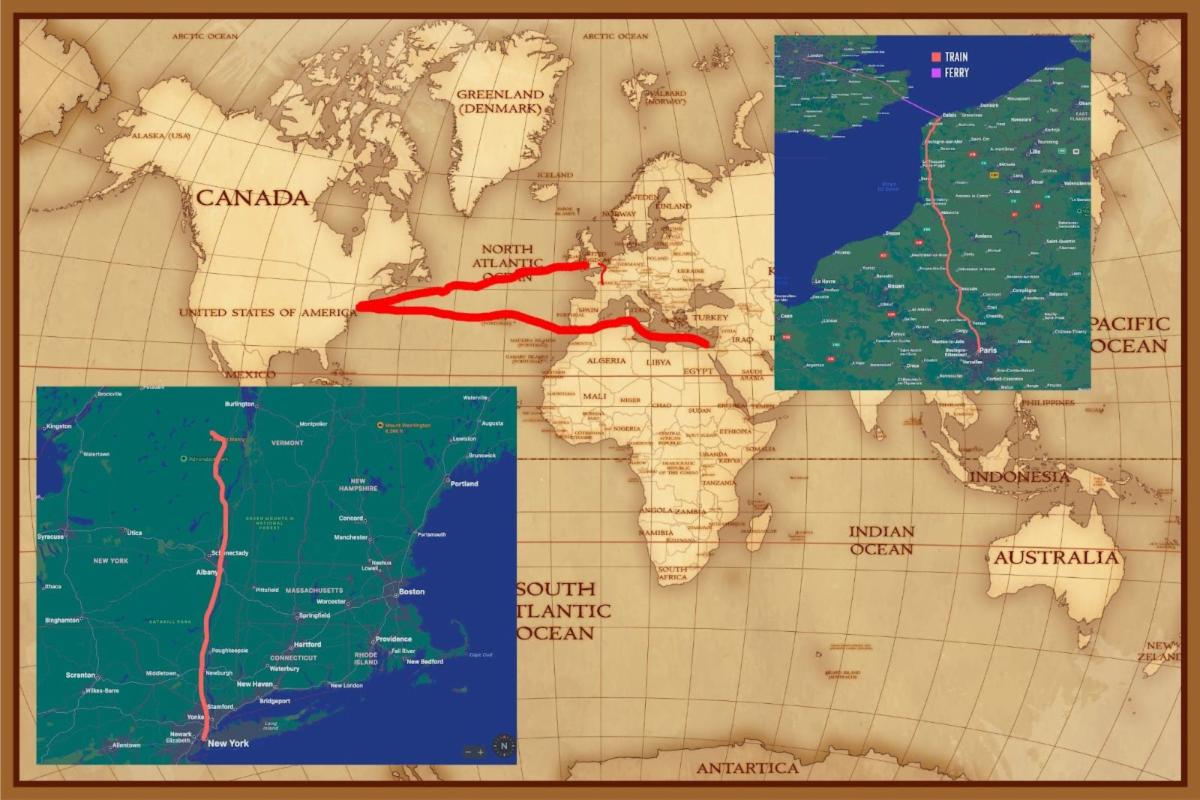
| | One piece of luggage reveals the owner’s journey from Paris to Calais, then across the English Channel to Dover, before finally arriving in London. The South Eastern Railway (SER) provided the service from London to Dover, where passengers boarded ferries for the crossing. The various stickers on this suitcase illustrate the unique travel experiences of the owner, capturing a connection to the rich tapestry of travel during this vibrant period. | | Antique Resources image of the South Eastern Railway (SER) sticker (1836–1923). | | Original Owner- Grand Dame of Rochester, New York | |
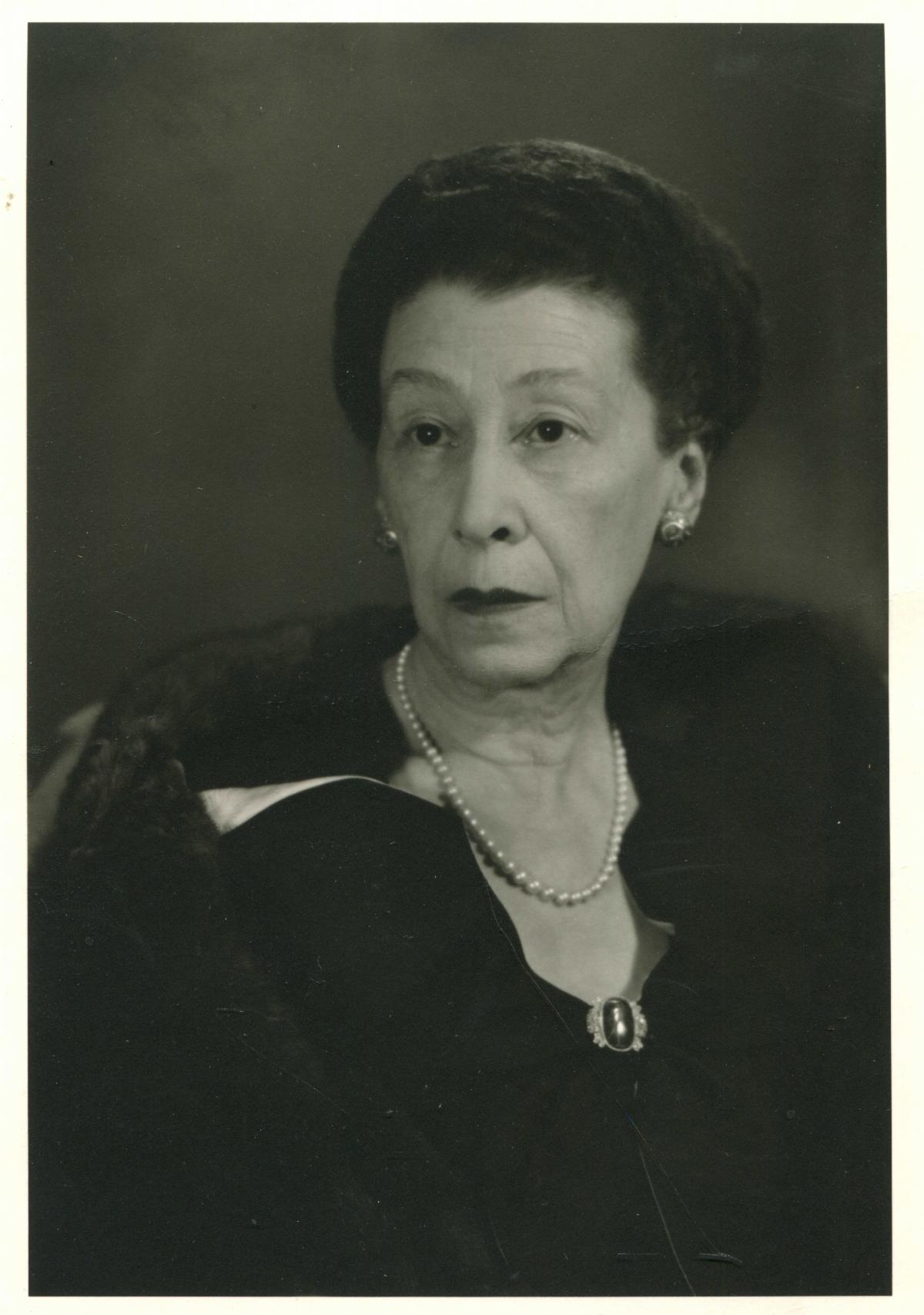
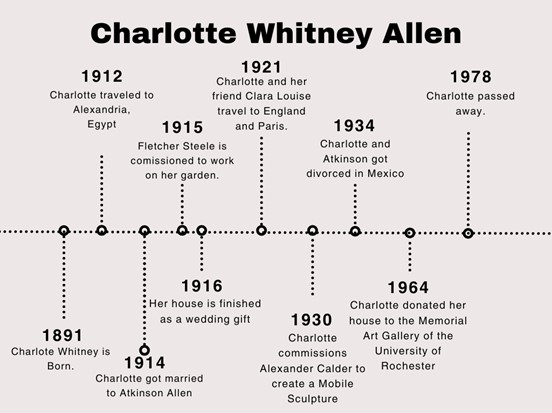
The original owner of this set of cases, Charlotte Whitney Allen (1891 - April 24, 1978), was a prominent socialite and philanthropist. Known for her avant-garde tastes, she was the first patron to commission an outdoor mobile sculpture from Alexander Calder (1898 – 1976), a world-renowned American artist, as well as a flowerless garden by Fletcher Steele (1896 – 1973), a famous American landscape architect.
A dedicated suffragette and U.S. Army Aircraft Warning Service Observer Volunteer during World War II, Charlotte was also an avid traveler, with her first documented trip to Alexandria, Egypt, in 1912.
Charlotte and her friend Clara Louise Ward actively supported institutions such as the Civic Music Association, the Rochester Museum and Science Center, and the Memorial Art Gallery of the University of Rochester. She bequeathed her artwork and home, the Whitney House, to the Memorial Art Gallery, enhancing its facilities and contributing to its growth.
Owning her Louis Vuitton pieces means possessing a fragment of her narrative, reflecting the elegance of the Jazz Age.
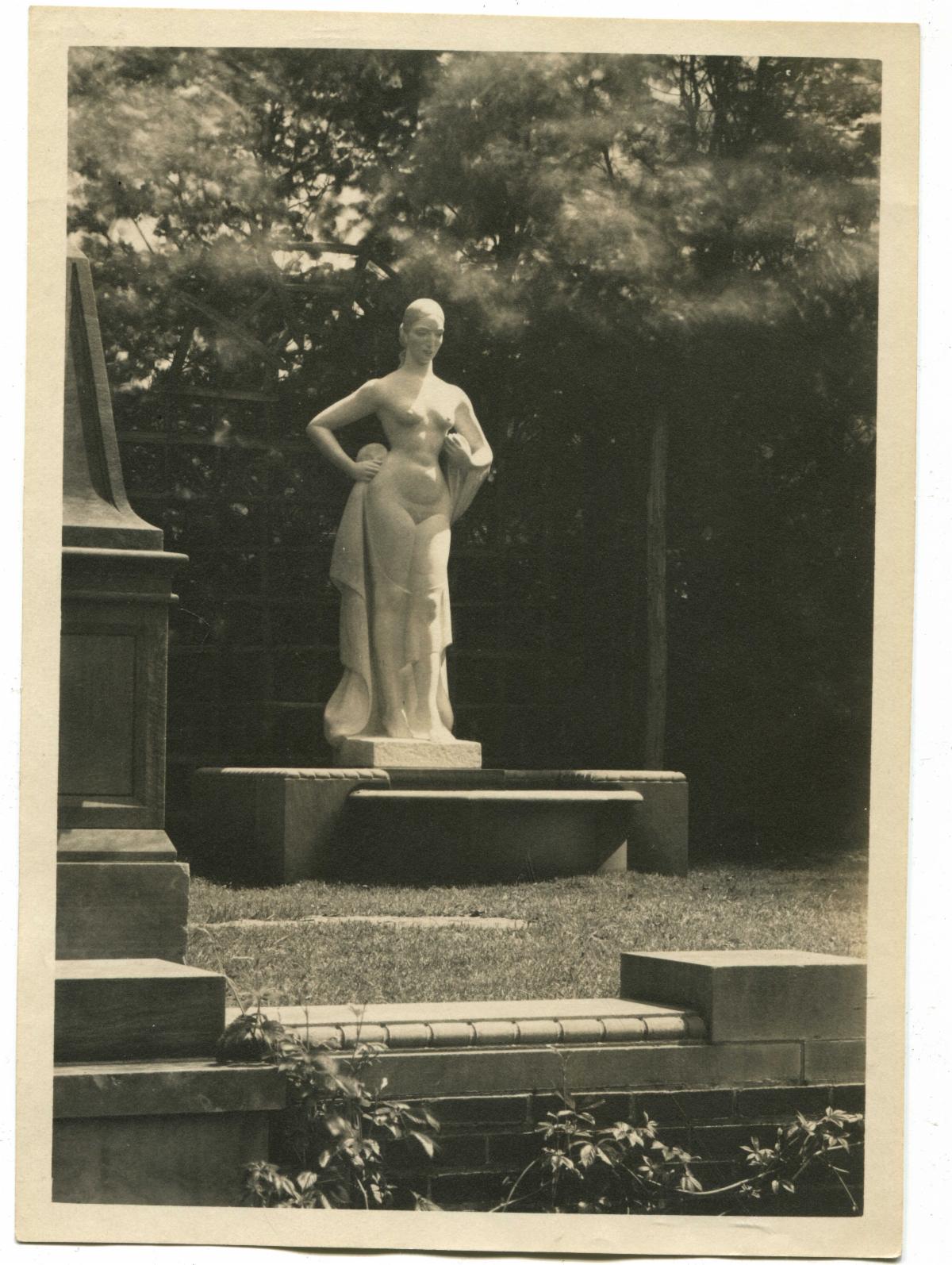
| Portrait of Charlotte Whitney Allen, courtesy of the Rochester Historical Society | | Garden statue by Gaston LeChaise that stood in Ms. Allen’s garden at 32 Oliver St. The statue is currently on display at the Memorial Art Gallery. Gaston Lachaise (March 19, 1882 – October 18, 1935) French-born sculptor, active in America in the early 20th century. | | Image courtesy of the Rochester Historical Society | | |
Exploring Ownership History
Dating and Style
| | |
The examination of the design, materials, and authentication services indicates that these cases were used during her time. Charlotte lived from 1891 until her passing on April 24, 1978. She married Atkinson Allen in September 1914, and they traveled together until their divorce in 1934, spanning approximately 20 years.
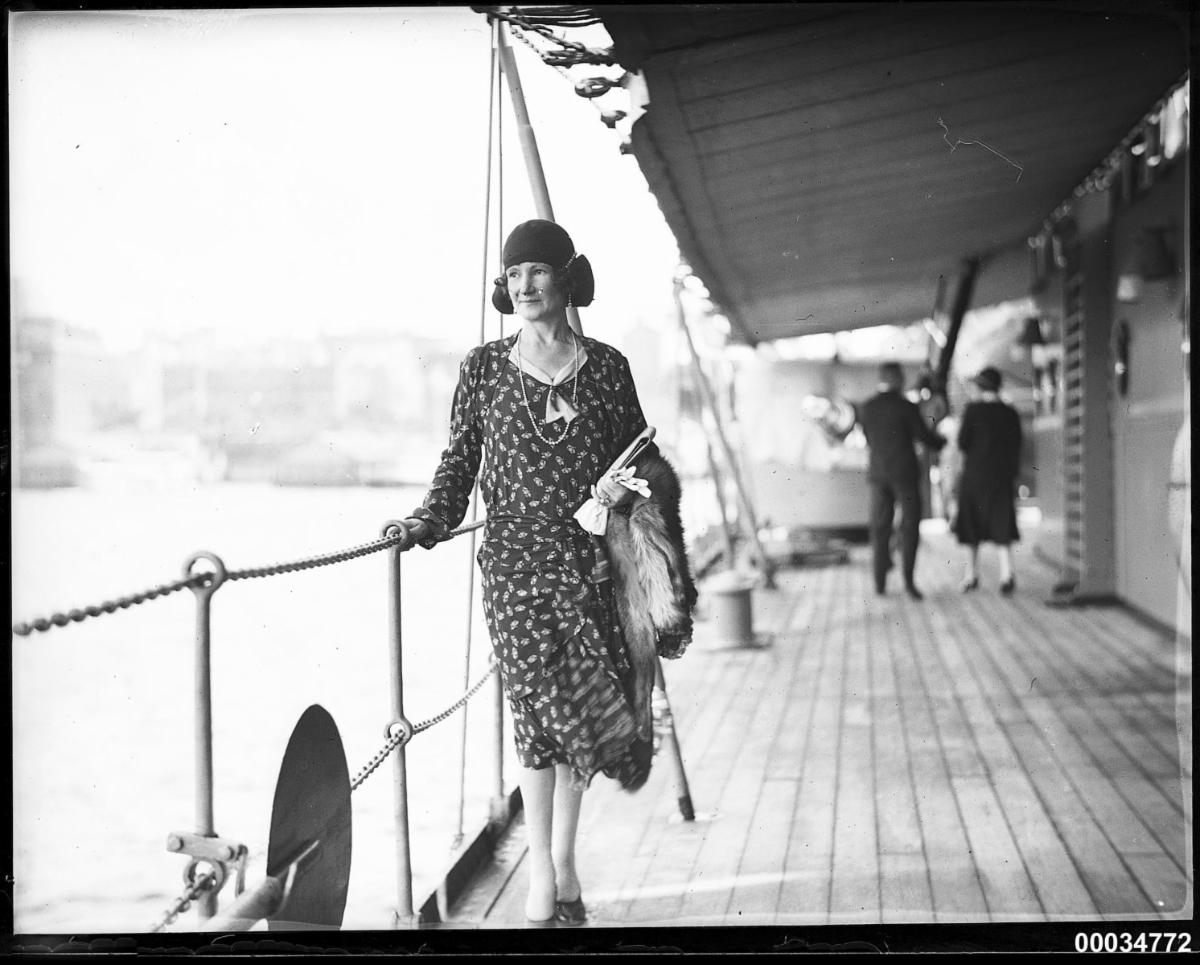
Their travels occurred between 1914 and 1934, when Charlotte was between 23 and 43 years old. Archived travel photos serve as evidence of the luggage's date, as the stickers and the photos of Charlotte Whitney Allen both reflect the early-20th-century style characteristic of that era.
| | |
Photo of Charlotte Whitney Allen (on the right) with friends visiting Chamonix-Mont-Blanc. Pictures on top of Mer de Glace, the largest glacier in France.
Source: Courtesy of the Rochester Historical Society.
| |
Sources:
Biographical
Explore Charlotte Whitney Allen's impactful life, detailing her artistic achievements and her crucial involvement in the LGBTQ+ movement, which continues to inspire and inform contemporary discussions on gender and sexuality by visiting the page: Rolle, Elisa. “Charlotte Whitney Allen.” Elisa Rolle’s Queer Places, n.d., Accessed 12 June 2025.
Trip to Alexandria
I learned about Charlotte Whitney Allen's trip to Alexandria, Egypt, from a blog post by Clara Spence. For more information, you can visit the site here:
Charlotte’s Garden by Fletcher Steele (1896 – 1973)
To learn about Charlotte Whitney Allen's garden designed by Fletcher Steele, from the book by Robin S. Karson book: Fletcher Steele: Landscape Architect: An Account of the Gardenmaker's Life (New York: Harry N. Abrams, Inc./Sagapress, Inc., 1989) by Robin S. Karson. For more information, you can view the book on Google Books: Fletcher Steele: Landscape Architect.
For more information about the Yancey Garden of Charlotte Whitney Allen, you can visit the article on WXXI: Secret Gardens of the Flower City.
Charlotte’s Sculpture by Alexander Calder (1898 – 1976)
For information about Charlotte Whitney Allen’s sculpture by Alexander Calder, I referred to the publication Seeing America: Painting and Sculpture from the Collection of the Memorial Art Gallery by Cynthia L. Culbert, Assistant Curator. For more details, you can view the publication here: Seeing America (referencing pages 229-232).
| | Researching the Object and Period | | |
The defining characteristics of the period are reflected in the materials and craftsmanship of the luggage, highlighted by its design elements. Extensive research into the crafting techniques from that era was conducted to ensure the materials align with the period and could not possibly be later reproductions.
Notably, Louis Vuitton ceased production of several iconic pieces, including the wardrobe trunk in 1998 and the shoe case designed for 12 pairs in 2012. New models of the Bisten are still made today. Understanding these timelines is crucial for research, as some models from the late 20th century may resemble earlier designs.
However, it's important to note that one cannot simply replicate an early 20th-century piece by faux aging it or adding period-appropriate stickers from travel companies that ceased operations decades ago.
| | Significance of the Stickers | | |
Seeing the remnants of the travel stickers lets us imagine the journeys made by Charlotte Whitney Allen and/or her husband Atkinson Allen. The stickers on the luggage are crucial pieces of evidence, showcasing travel companies that existed during that time. They bear the names of original owners, making them invaluable for establishing authenticity.
These stickers cannot be replicated, with many showing signs of wear that reflect their age and frequent use, further supporting the luggage's travel history.
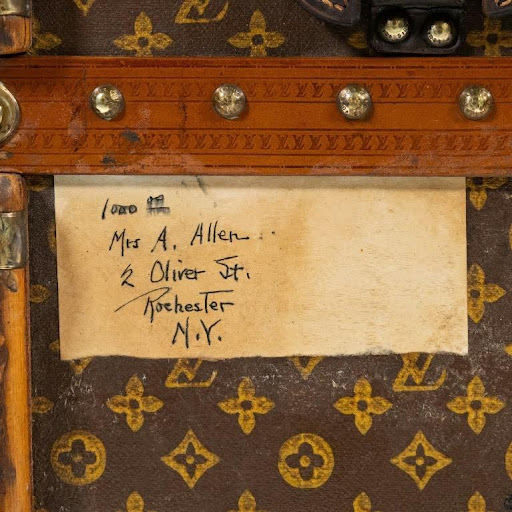
| | Antique Resources image of a sticker on the wardrobe trunk. The home address changed from 2 Oliver Street to 32 Oliver Street in 1964, when the house was donated to the University of Rochester's Memorial Art Gallery (MAG). | | |
This map highlights some of the travels taken by Charlotte Whitney Allen, as indicated by the luggage stickers. The visible stickers reveal several of her journeys, while some remain unreadable.
Map image used http://www.freepik.com">Designed by pikisuperstar / Freepik
| | Testimony from the Second Owner | | The second owner, a long-time Rochester resident and collector of fine art and antiques purchased the Louis Vuitton pieces directly from Charlotte's estate during the sale of her personal property at her home at 32 Oliver Street in Rochester, following Charlotte’s death in 1978. Since she no longer possesses the bill of sale, the details provided in her written testimony, including dates and other relevant facts, were verified. | |
Consultation with Heritage Specialists | |
To further authenticate the provenance of these cases, we consulted Louis Vuitton Heritage Specialists in France. By submitting photographs and proof of ownership, anyone can obtain the exact date of manufacture, a process that typically takes 4–6 months.
Additionally, while the Heritage Department can approximate the year of first ownership without a bill of sale, specific details about prior owners remain confidential, as each original owner is assigned a serial number to track ownership.
| |
The Louis Vuitton suitcases exemplify not only luxury but also the storied past of their original owner, Charlotte Whitney Allen. While provenance can often be straightforward with recognizable brands, it becomes a fascinating challenge when documentation is lacking.
If you have a story or case of provenance research to share, we would love to hear from you! Every piece in your collection likely holds special tales that connect to a fascinating past!
| | |
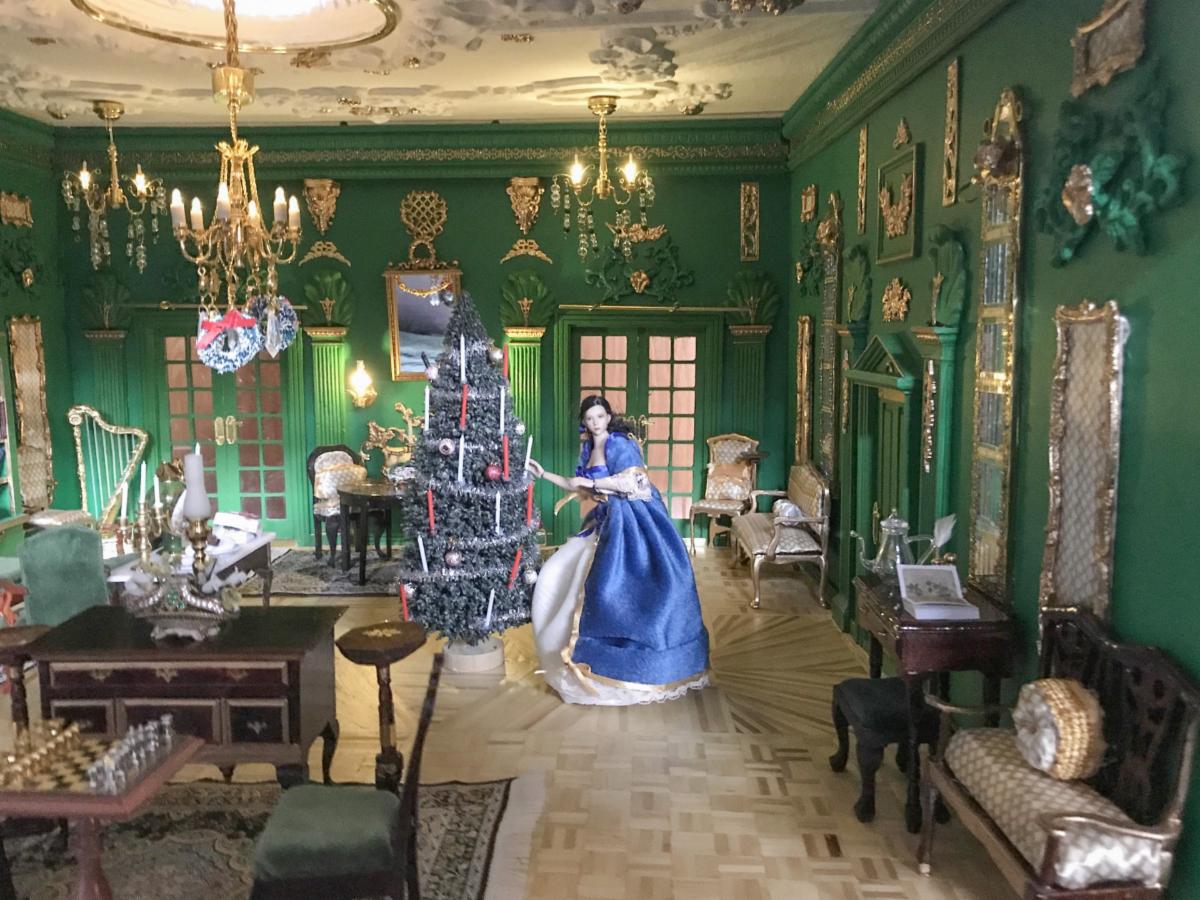
Get ready for an exciting treat! We’re thrilled to announce a special exhibit featuring Chicago’s own miniaturist and museum restorer, Drew Munao. This summer, immerse yourself in the enchanting world of miniatures as Drew showcases Titanic replicas like Stateroom B64, Stateroom A21, and The Marconi Suite, alongside exquisite period furniture.
Join us for an unforgettable experience where Drew will share expert insights, offering a deeper appreciation for the artistry behind each piece. Stay tuned for details on the event date and opportunities to meet Drew. Don't miss this chance to explore the fascinating intricacies of miniatures—it’s sure to be a memorable experience!
| | Photo by miniaturist and museum restorer Drew Munao, showcasing his incredible work. | |
We cherish sharing stories like these. If you have any questions about the items or wish to learn more about antiques and provenance, feel free to reply to this email. Thank you for supporting our shop and preserving the narratives of the past! | | | | |