|
Connect family caregivers to 1:1 support
(800) 445-8106 or (415) 434-3388 x331 / fax (415) 434-3508 / info@caregiver.org
| | |
Good morning,
This month, we're shining a light on what caregivers who seek help really look like — and why national surveys may be missing the full picture. New research from the UC Davis Family Caregiving Institute takes a closer look at the caregivers served by California's Caregiver Resource Centers, and the findings are eye-opening for anyone working in the aging and caregiving space.
In this issue, we're also introducing the latest installments in our Smart Caregiving Series, which tackle two common challenges caregivers face: finding trustworthy in-home help and making care decisions for individuals after hospital discharge. We're spotlighting Jenevieve Rodriguez Liu, FCA's Community Engagement & Communications Coordinator, and sharing upcoming classes and community events designed to support the caregivers you serve.
Finally, we want to update you on a date change for our Innovations in Alzheimer's Caregiving Awards Reception, taking place during ASA's On Aging conference in Atlanta, GA. The reception will take place:
Date: Monday, April 20, 2026 from 6 to 8 p.m.
Location: Hyatt Regency Atlanta - Embassy C (International Tower Level) - 265 Peachtree Rd NE, Atlanta, GA 30303
Learn more about the award recipients here; and see the full ASA conference program and registration here.
As always, we encourage you to refer family caregivers to FCA for free and low-cost support and services. Thank you for your ongoing partnership and all you do,
Warmly,
Family Caregiver Alliance
| | Upcoming Classes & Events | | |
Introducing new classes and events for family caregivers, their care recipients and providers:
CLASSES & EVENTS
-
Let's Get Away, Together! — Every Tuesday through May 5. Join us in this popular virtual travel series as we explore the inventions of Thomas Edison, paintings and sculpture of the 70s and 80s, Amsterdam, the history of horsemanship, the poetry of Emily Dickinson, Earth Day, Disney and the Kentucky Derby! Full info and registration here.
-
FCA in the Community — April 18 at Emmanuel Baptist Church in San Jose. This community-centered event is designed to support, uplift and inform African American caregivers and families by bringing together health experts, wellness resources, and culturally relevant education to empower caregivers with tools, knowledge and connection.Full info here; RSVP here.
All classes are free. Bookmark our calendar to stay up to date on upcoming classes, webinars and events.
| | Meet Jenevieve Rodriguez Liu, FCA's Community Engagement & Communications Coordinator | | |
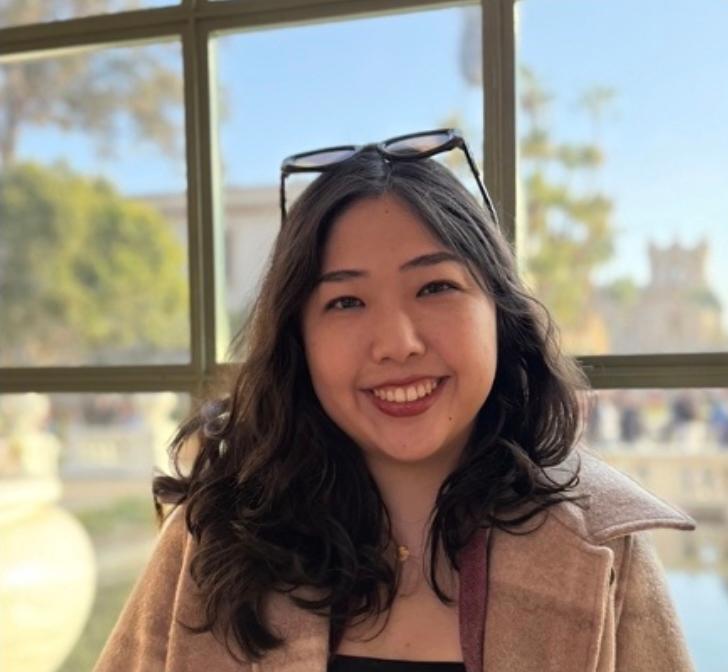
As Family Caregiver Alliance's Community Engagement & Communications Coordinator, Jenevieve Rodriguez Liu, MPH, works to build partnerships with organizations across the Bay Area that serve older adults and family caregivers. We sat down with Jenevieve to talk about how she got into supporting caregivers, how she builds trust across diverse communities and what she wishes more providers knew about supporting family caregivers.
Read the full interview here!
| |
Smart Caregiving Series Addresses Hiring In-Home Help and Hospital Discharge Decisions | | |
The latest installments in our Smart Caregiving Series tackle two of the most pressing challenges caregivers face:
"My dear elderly aunt and uncle are asking me to help them out at home. It's more than I can do. How can I find trustworthy help for them to hire?"
This practical resource walks caregivers through the process of arranging in-home support for a loved one. It offers clear, compassionate guidance on assessing care needs, navigating hiring options, managing costs and communicating with family members who may be resistant to accepting help.
"My dad is being discharged from the hospital. He's seriously ill, but I don't want him in a nursing home. How do I know if I can care for him in my home?"
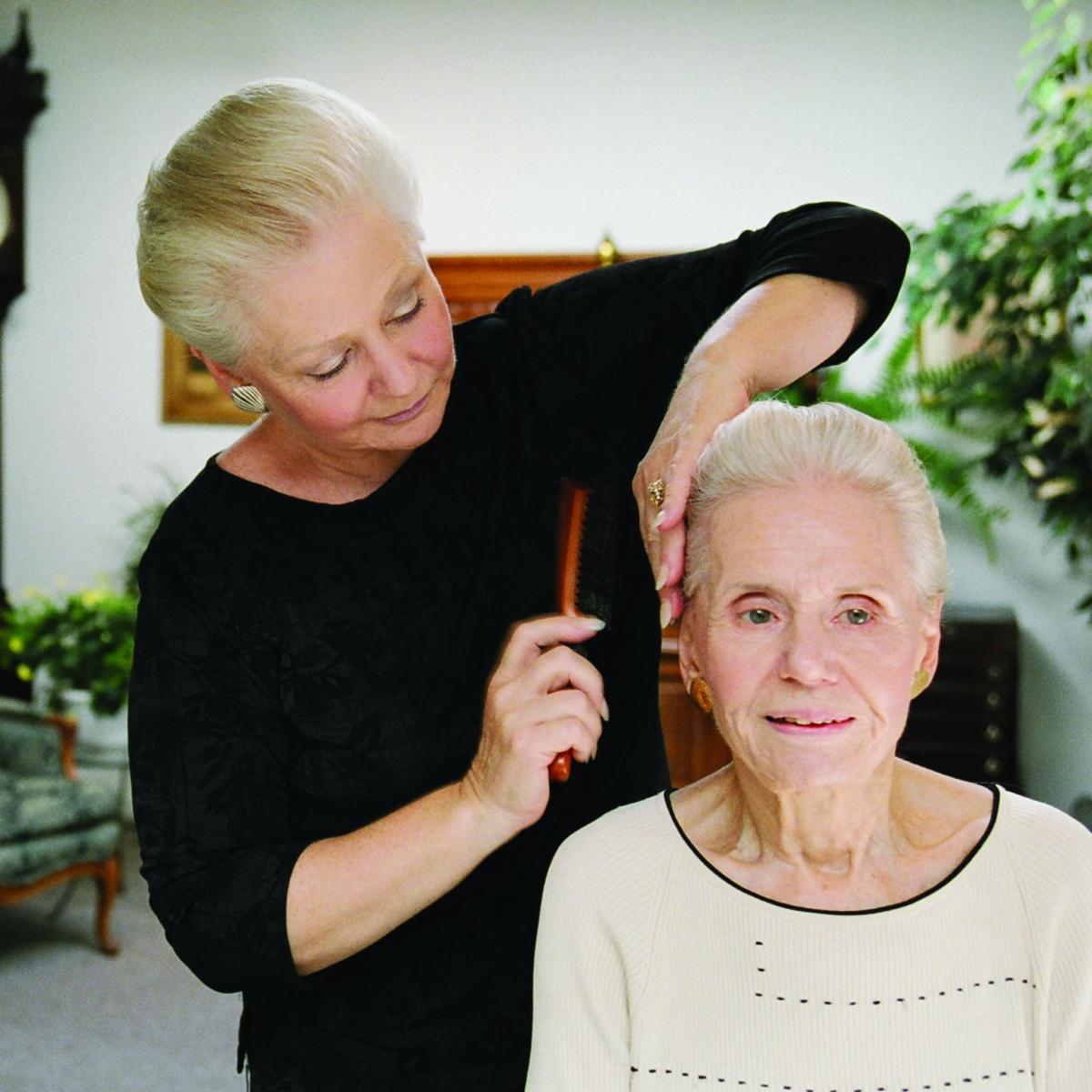
Hospital discharges can happen fast — often before families feel ready. This resource helps caregivers think through whether home is the right setting, how to prepare before discharge, what questions to ask the medical team, how to plan for costs, and how to have important conversations about end-of-life wishes.
Bookmark the full Smart Caregiving Series page here and check back for new letters and answers!
| |
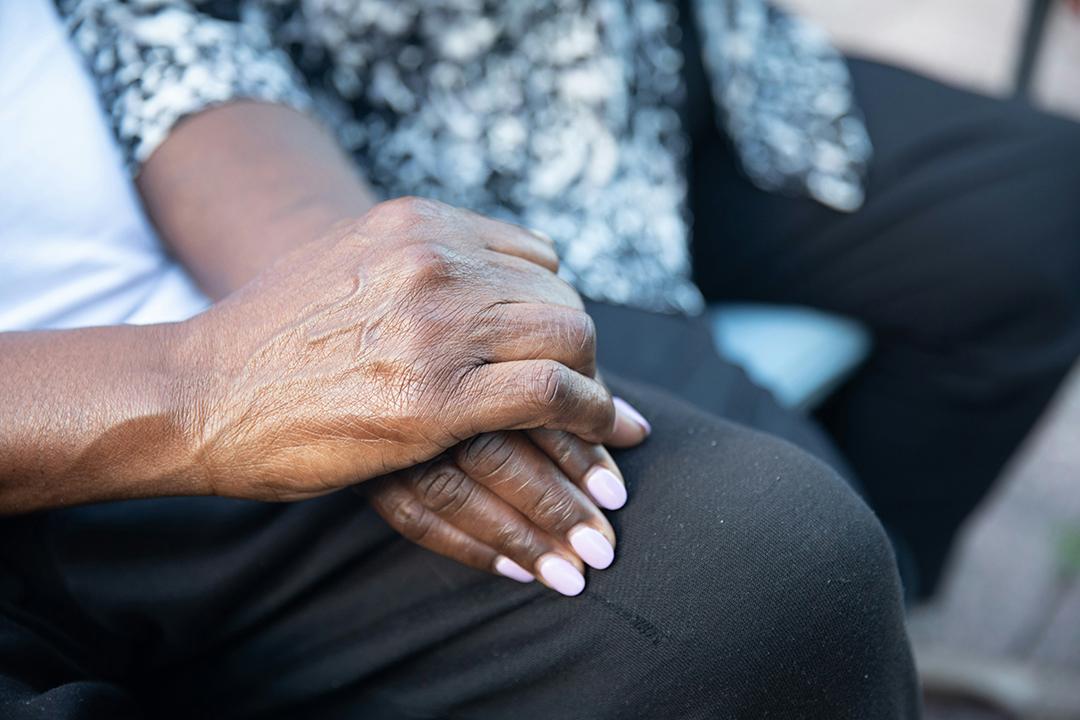
Beyond the National Surveys: What CRC Data Reveals About Caregiving | | Did You Know? National caregiver surveys often portray caregiving as less complex than what FCA’s Bay Area Caregiver Resource Center (BA‑CRC) and sister CRCs see every day. A recently published journal article authored by the UC Davis Family Caregiving Institute, Betty Irene Moore School of Nursing, et al, “Comparison of caregivers of older adults in state and national surveys to those seeking help in California’s Caregiver Resource Centers,” finds CRC caregivers are more often female, older and caring for someone with Alzheimer’s or dementia. They provide far more hours of high‑intensity, medical-level care and report worse health and greater loneliness. The authors warn that relying only on population-based surveys can overlook caregivers who need the most support. Read the findings here. | |
Advocacy and Support Opportunities for Family Caregivers | | |
We are pleased to highlight two upcoming opportunities that may interest your organization and/or other providers. Feel free to share with others in your network:
-
The California Coalition on Family Caregiving, coordinated by Family Caregiver Alliance, is hosting its third annual advocacy day on Tuesday, April 14, in Sacramento. Open to caregivers and service providers, the event includes meetings with state representatives to discuss caregiving and support 2026 bills. The day begins with a kickoff meeting and lunch, followed by legislative visits. New advocates are paired with experienced ones; virtual training on April 10 is required. Register here.
-
Jewish Federations’ Center on Aging, Trauma, and Holocaust Survivor Care has announced a new grant opportunity — "Trauma-Informed Care for Holocaust Survivors, Older Adults & Caregivers" — to support organizations nationwide in developing person-centered, trauma-informed services for Holocaust survivors, older adults with a history of trauma, and their family caregivers. An optional RFP informational session takes place March 30, 2026 (2–3 PM ET). Register here or contact Aging@JewishFederations.org for more information.
| |
Get in Touch Today
Connect caregivers to personalized support & caregiving resources
| | |
|
>> Contact us:
Phone
(800) 445-8106 toll free
(415) 434-3388 (ext. 331)
Email
info@caregiver.org
Fax a referral to
(415) 434-3508
Download the fax referral form here
| |  |
|
>> Or let caregivers contact us directly by phone or online:
It's easy, fast and only a click away. Caregivers can go online to answer a 15-minute questionnaire that gets them services and answers quickly. They can also set up time to talk with our staff at their convenience.
| | |
We respect your inbox, so we send our Provider e-News Update out every 1-2 months. But between issues, we are still hosting and sharing plenty of activities, classes, webinars and new resources for caregivers.
Stay in the know by following us on any or all of our social media channels — and be sure to share them with others who can benefit!
| | ... and while you're here — sign up for our Connections e-newsletter (designed for family and friend caregivers), ¿Que Pasa? boletin (our e-newsletter for Spanish-speaking caregivers), and our Caregiving Policy Digest newsletter (caregiving policy at the local, national and international levels). | | |
ABOUT Family Caregiver Alliance
FCA’s mission is to improve the quality of life for family caregivers and those who receive their care. Our work intersects three key areas: caregiver services, policy, and research. Learn more here. Although a nationally-recognized organization, San Francisco-established FCA has deep roots and community partnerships in the Bay Area.
FCA supports and assists caregivers of adults with chronic or disabling health conditions regardless of race, ancestry, national origin, creed, gender, gender identity, religion, sexual orientation, disability, income, or age.
|
| | | |