|
Town Hall: Current Threats to Psychological Science - What’s Going On and What You Can Do About it
Summary by: Heather Manitzas Hill
| | |
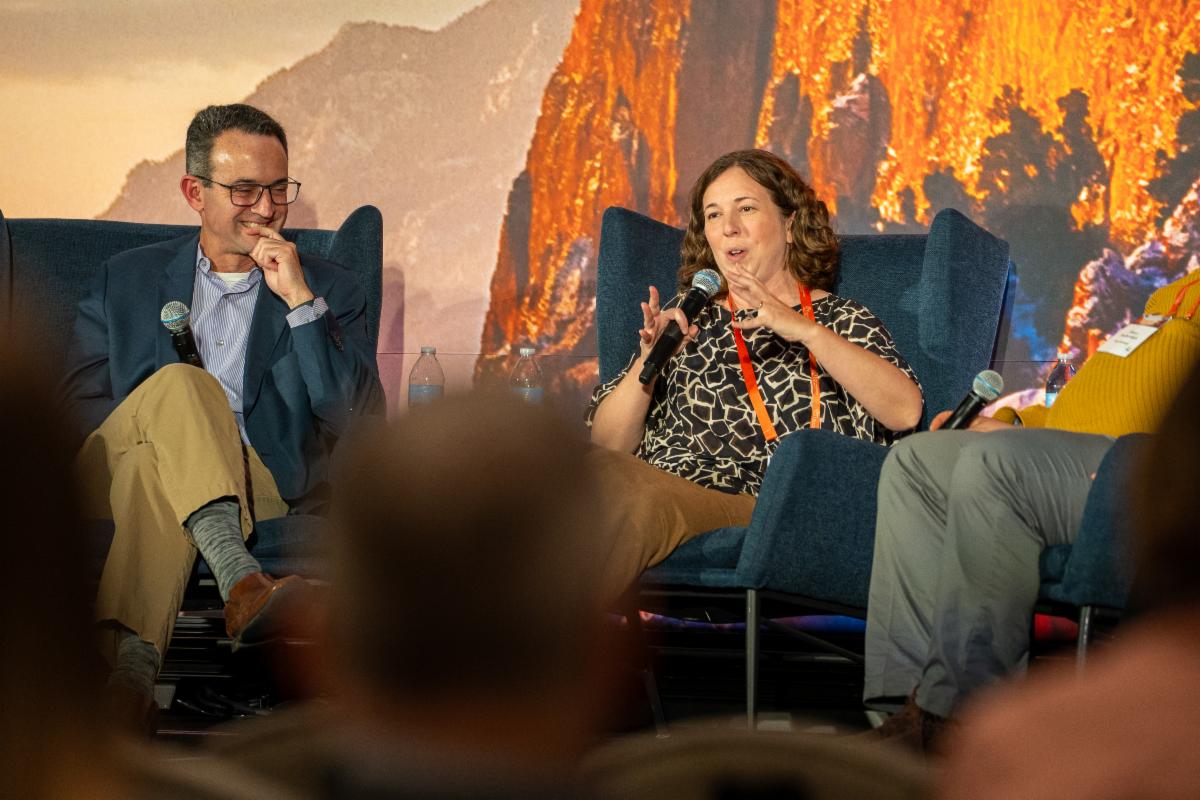
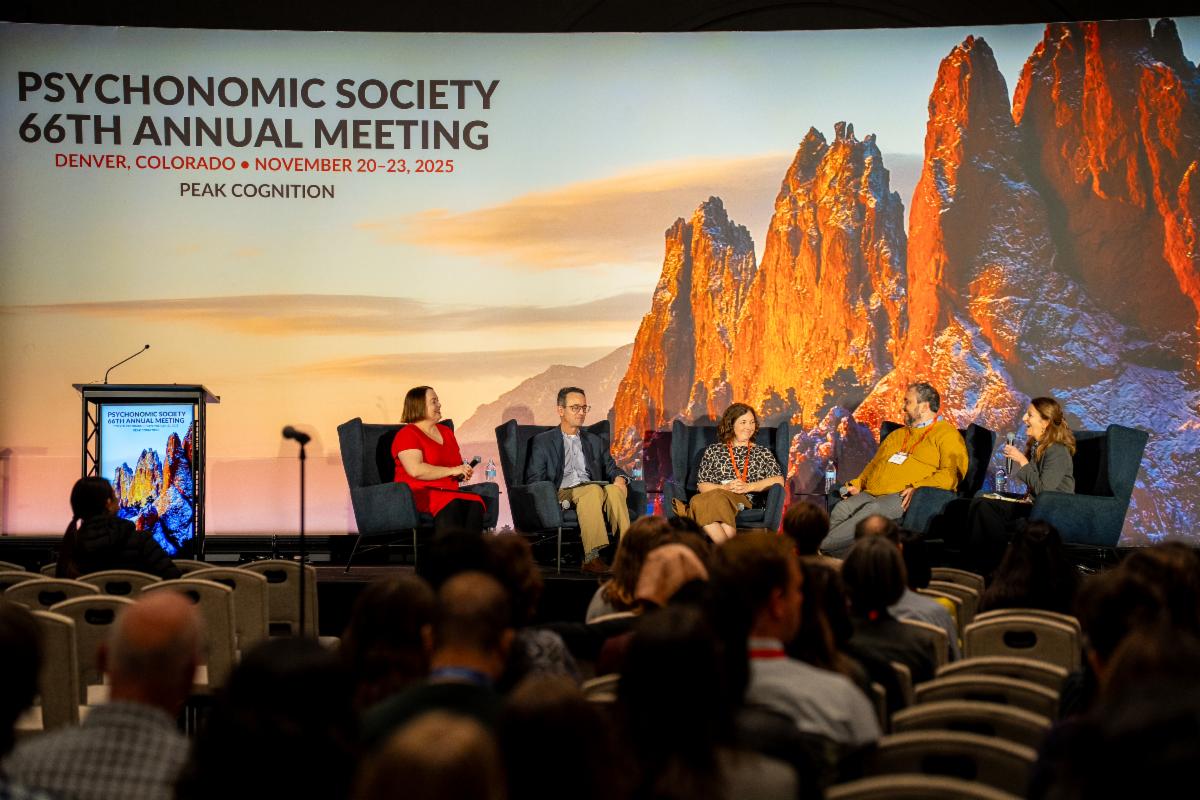
This informative, yet emotionally challenging, town hall, led by Lisa Fazio, walked a full audience through the ups and downs of the funding and governmental agency landscape since the beginning of the year. The town hall began with a series of short video interviews with researchers whose funding was revoked across four very different topics: attention-control assessment for Navy pilots, online mentoring and intervention for gender-diverse and trans individuals, misinformation research, and understanding how language is used to persuade/inform others. Each of the highlighted researchers shared the same message: the removal of funding for these cognitive science topics will deleteriously impact Americans, regardless of their role in society.
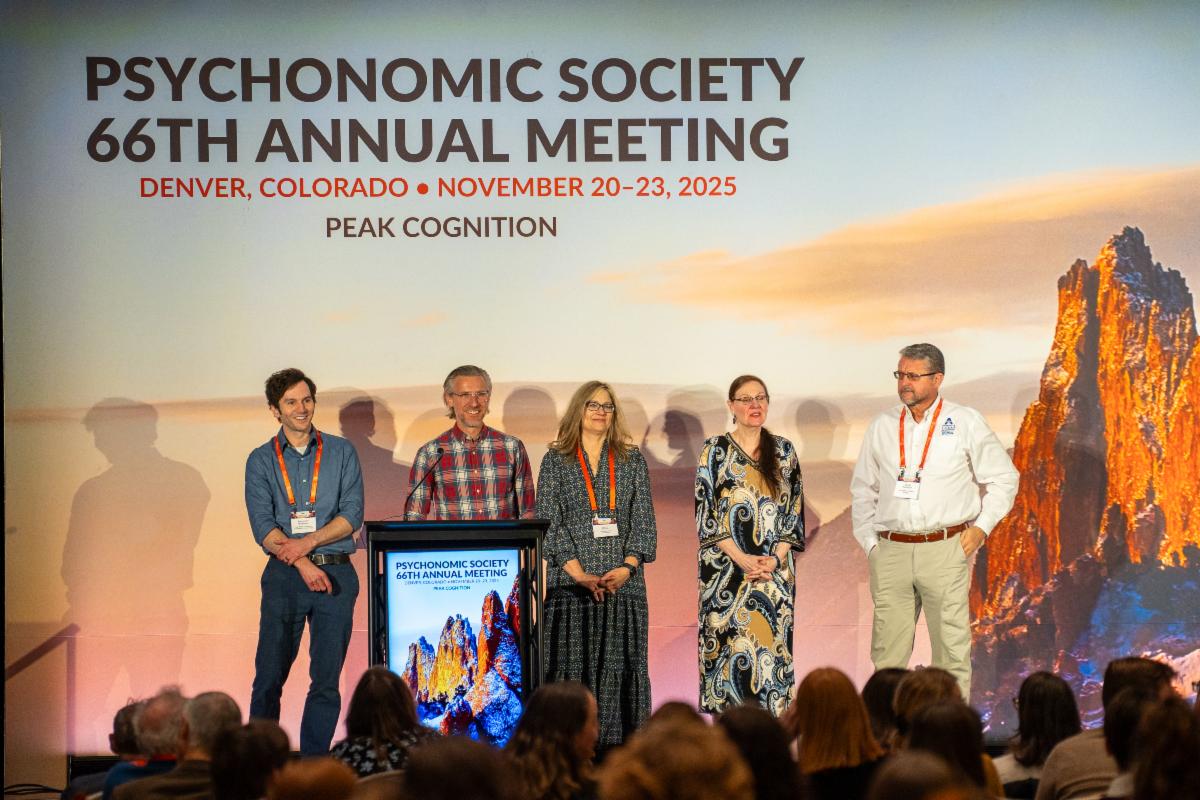
Lisa Fazio, one of the researchers whose funding on understanding the role of misinformation in many of our current controversies, organized a group of four panelists who offered different points of view – Juliane Baron who liaisons with the federal government and other agencies through the Federation of Associations in Behavioral and Brain Science on behalf of the various scientific societies, Sarah Heilbronner who represented Science Homecoming, a non-profit, volunteer organization that attempts to help spread the word of scientists’ work through hometown newspapers, Simon Fischer-Baum who has spent the last three years in Washington working with the NSF, and Seth Masket, a political scientist who studies American politics and political parties.
| |
Each panelist spoke from their perspective about the greatest challenges we face today as a scientific community and the solutions to address this new landscape. We heard about fearing for one’s livelihood, especially those whose positions are funded primarily by external funding, a lack of trust and how this trust can be re-built, whether or not current legislation is going to dismantle funding agencies like NIH and NSF further, and surrendering too soon, as many universities seem to be interested in doing to stay under the radar.
Yet, some hope and optimism were brought forth. While the distribution of graduate fellowships has shifted and fewer graduate students are being funded, there are areas that cognitive scientists can contribute to, such as the interface between humans and machines or learning and cognition, that can create scalable solutions. Writing op eds about the significance and application of your science, submitting these stories to hometown newspapers, blogging about the research, interfacing with public officials at all levels regardless of your perception of their views on science, applying to fill one of the 12 empty leadership positions at NIH, continuing to submit research proposals, or collaborating with others across institutions or within your own institution were a few of the actionable items mentioned. Perhaps we can stimulate our creativity and positivity and through collective action, our society of scientists from all venues can move the needle back towards a world that is more familiar. Call your government official and let them know how they should spend the money.
| | Day 3: Don't Miss Saturday Highlights | | |
5:10 - 6:30 PM | Plaza Ballroom ABC
Awards & Business Meeting
6:00 - 7:30 PM | Plaza Exhibit Foyer
Poster Session V
6:00 - 8:00 PM | Plaza Exhibit Foyer
Poster Session Reception (cash bar)
| | |
Poster Session II
Summary by: Heather Manitzas Hill
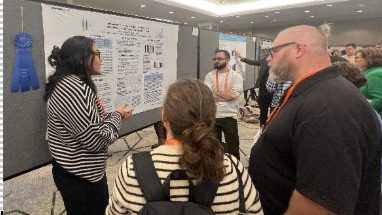
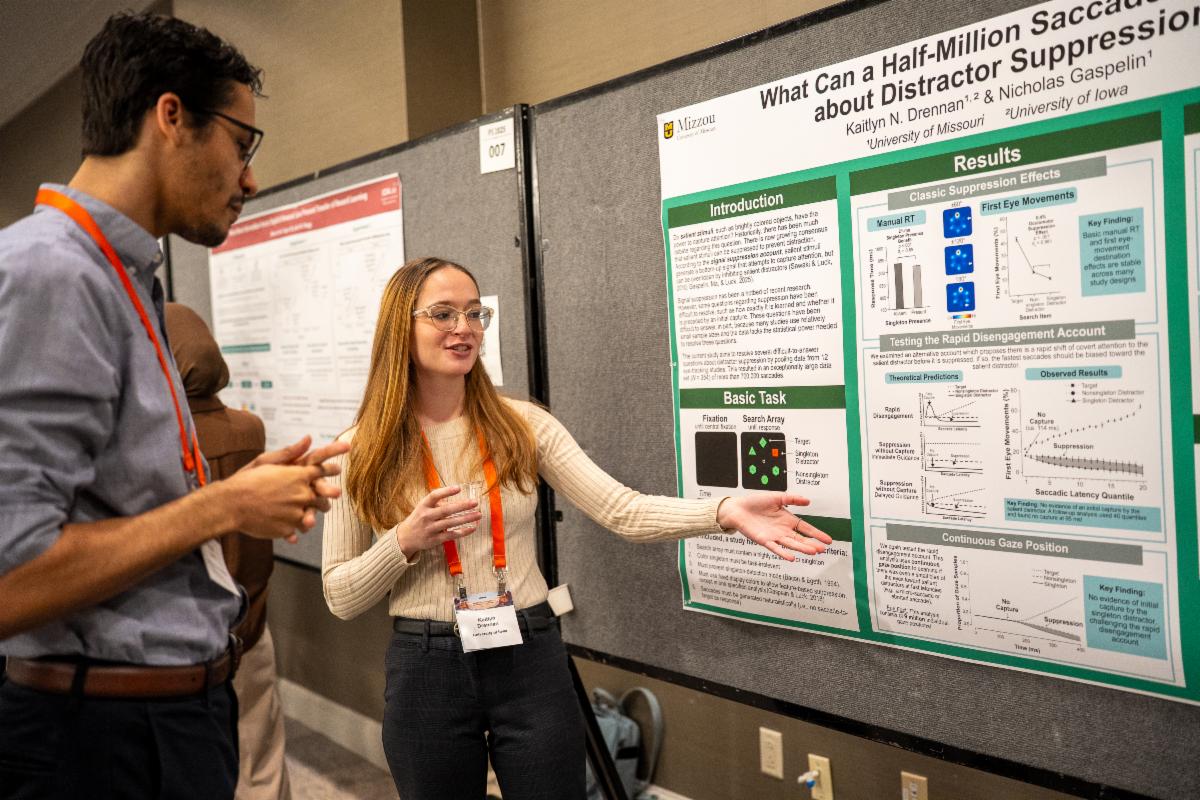
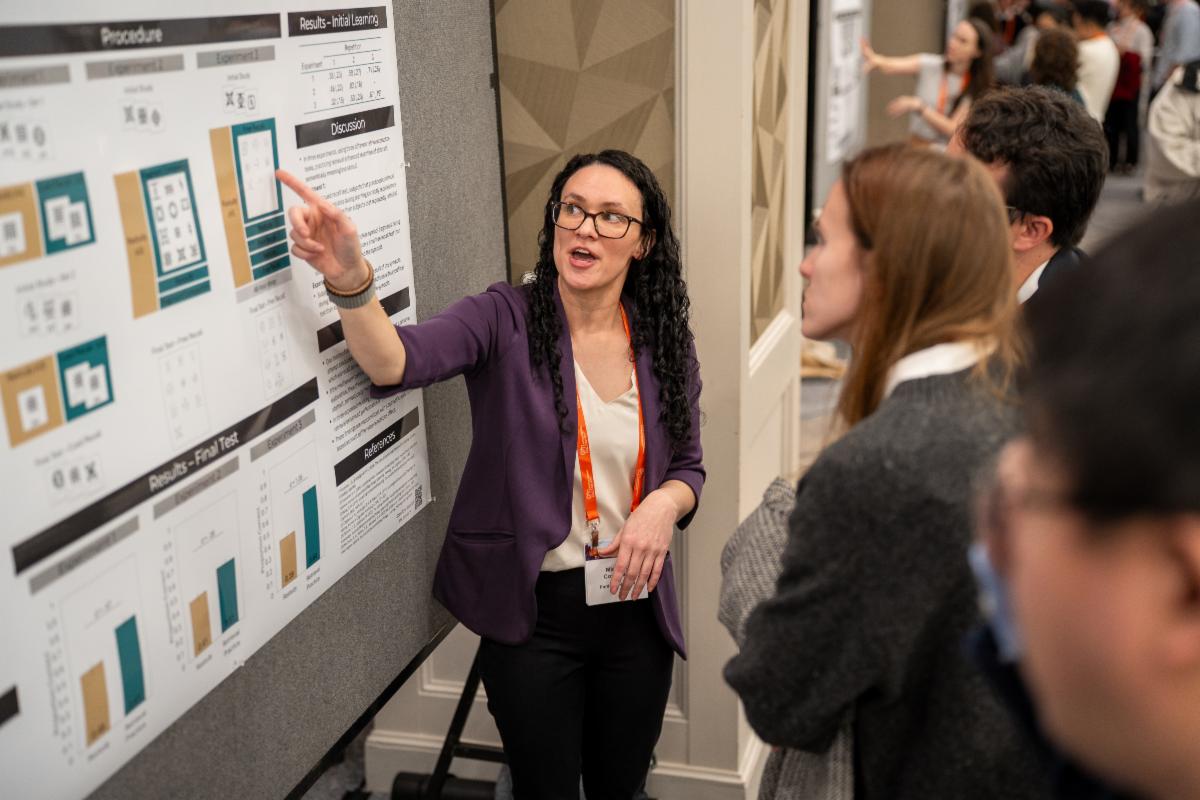
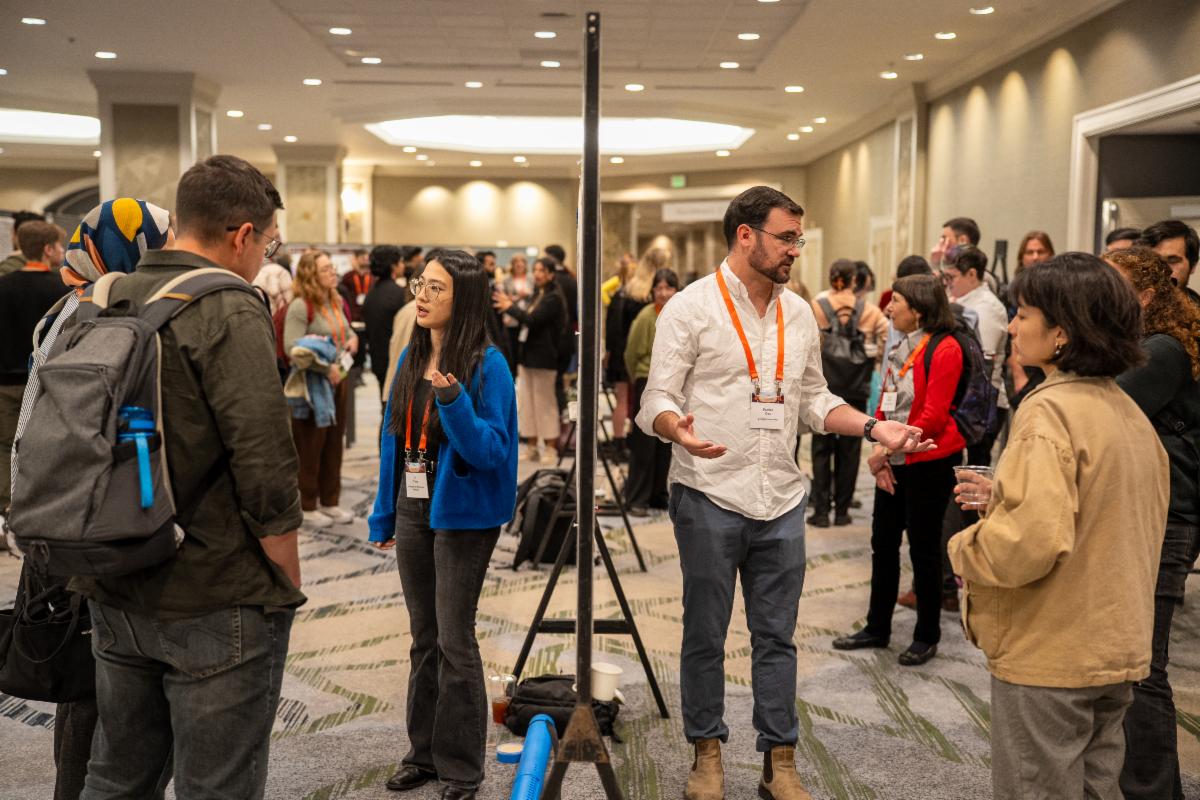
I had the privilege of meeting with other presenters and presenting my own poster during the lunch-time poster session on Friday. While our little animal corner of posters did not bring swarms of Psychonomes, we had a lovely time sharing our findings of college students who conditioned fish, pigeons that try to perceive structure from motion, while other pigeons perceiving motion may be affected by auditory stimuli. When we weren’t chatting with each other, we took a few minutes to wander up and down the aisles of posters grouped by various categories.
| | |
During this poster session, many winners of the student travel award were present. As described during the opening remarks, the Psychonomic Society added some additional funds to help students attend the conference this year.
Continue Reading
| | Friday: A Day in Pictures | | |
Symposium I: How can Cognitive Psychologists Ease the Spread of Misinformation and Boost the Spread of Accurate Information in Education?
Summary by: Alyssa Asmar
You’ve probably heard of “growth mindset,” and perhaps you even believe in the concept, as I did before attending Alexander Burgoyne’s talk yesterday. It’s a construct that has been widely disseminated across the educational psychology literature and has been largely monetized through the sale of related self-help books, school interventions, and curriculum supplements. A growth mindset is the belief that attributes, like intelligence, are malleable and can be improved with effort, whereas a fixed mindset is the belief that your attributes are stable.
Early in graduate school, Burgoyne became interested in the growth mindset and decided to test it in a context he knew well: learning to play the piano. He recruited complete novices and asked them to learn a simple song. He found that a growth mindset didn’t predict piano skill acquisition, leading him to question the theory of growth mindsets.
Continue Reading
| | |
Lunchtime Workshop: Encouraging Future Scientists: Supporting Undergraduates at Psychonomics
Summary by: Raunak Pillai
Undergraduate students play a crucial role in psychological research. In recognition of these contributions, a group of Psychonomes has been running an annual lunchtime workshop to help undergraduate students get the most out of their conference experience and become part of the Psychonomics community. This year, undergrad Psychonomes heard a presentation from:
Jessica M. Karanian, Associate Professor at Fairfield University
Jackson S. Colvett, Assistant Professor at Berry College
Followed by some words from panelists:
Mauricio Rodriguez, Doctoral Student at SUNY Albany
Channing Hambric, Postdoctoral Researcher at Bowdoin College
Jessica Udry, Assistant Professor at East Texas A&M
Zohara Assadipour, Doctoral Student at Iowa State
The session began with an overview of conference basics for undergrads. Jackson Colvett discussed the main types of sessions at Psychonomics. Symposia are packages of talks that all touch on a key theme and mark an important direction for the future of cognitive psychological research. Individual talks represent significant experimental contributions from faculty or, sometimes, graduate student trainees. Poster sessions offer a chance for free-form discussion regarding various ongoing projects. Finally, special events—such as the student social—offer more opportunities for conference attendees to meet and keep the conversation going.
Continue Reading
| |
Symposium II: Artificial Intelligence and Human Memory: Advancing Theoretical and Practical Insights
Summary by: Raunak Pillai
Advances in Artificial Intelligence (AI) have had profound impacts on society in recent years. In addition to its practical impact, AI can serve as a research tool, and the talks in this symposium highlighted how it can be used to understand human memory better.
Ian Dobbins begins by presenting work using natural language processing techniques to examine why correctly rejecting an item on a memory test with high (versus low) confidence predicts a greater likelihood of rejecting the item again on a second memory test. His team used Bag-of-Words analysis and prompts to GPT to assess people’s explanations for their memory judgements. Results from these analyses converged on the prediction that high-confidence correct rejections were supported by subjective assessments that items were distinctive and thus should have been remembered if they were seen. That is, for certain items, people essentially think “I would have remembered if I saw this,” leading to high-confidence correct rejections that are stable over time.
Continue Reading
| | |
Student Social
Summary by: Samantha Cruz
| | |
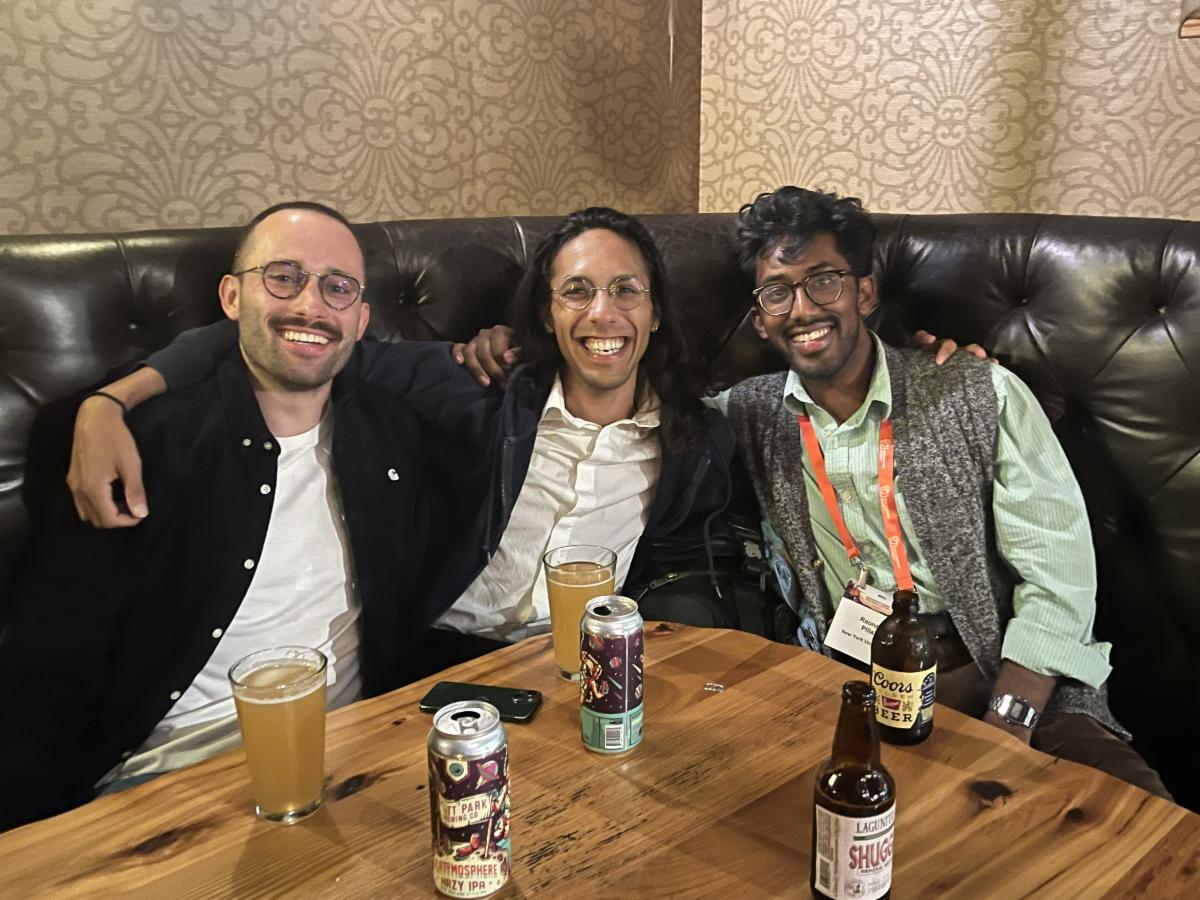
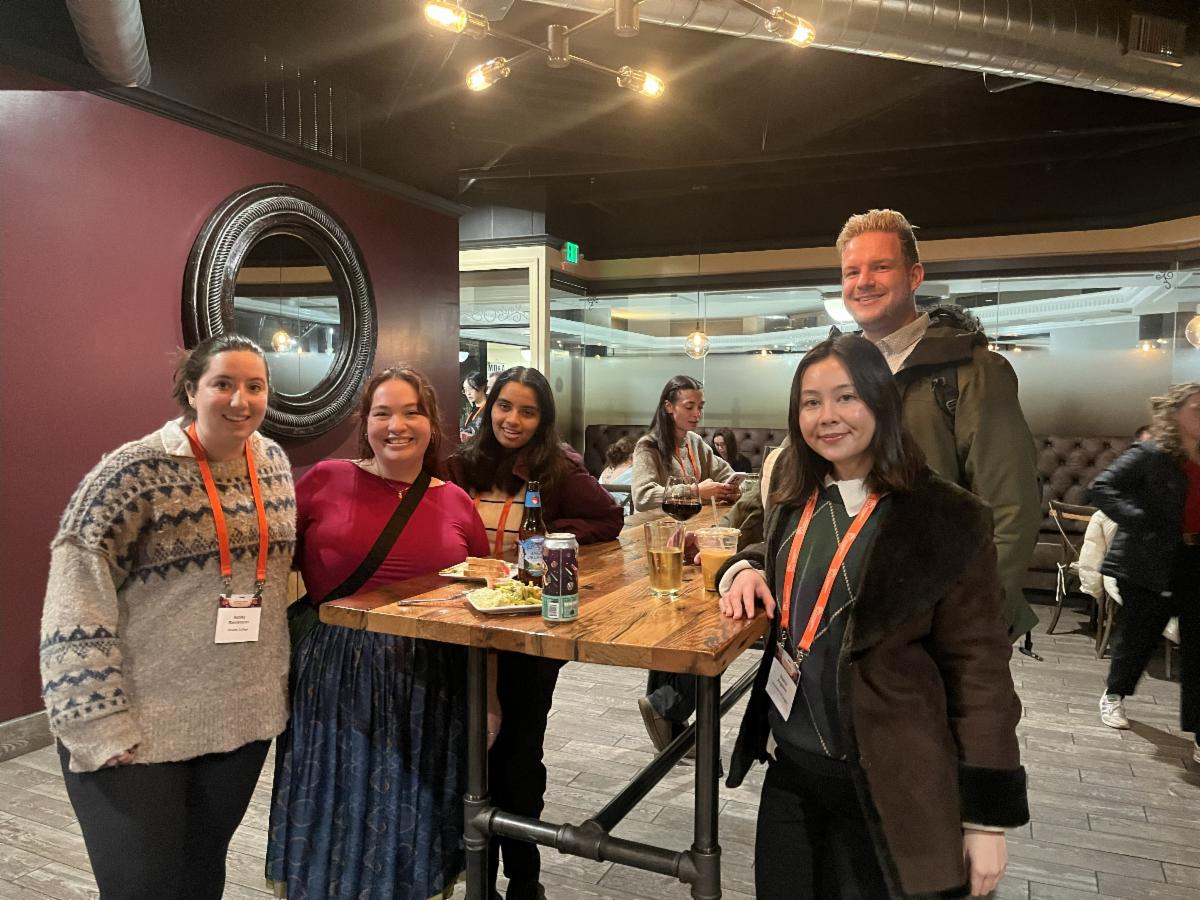
The fun, food-filled event was held at the Appaloosa Grill in the heart of downtown Denver, within walking distance of the Conference. Both aspects were truly appreciated by the Graduate Attendees themselves. The event featured one free drink per attendee and a buffet bar with plenty of hors d'oeuvres and other nibbles.
This year's attendees enjoyed a spacious environment with a variety of socializing opportunities, including long tables, standing tables, booth areas, and club chairs, with plenty of space to set down your drink and chat. Many conference attendees appreciated the space component.
Continue Reading
| | | | |