| |
Public Health Happenings
March 2026
Serving the communities of Winnebago County
| |
|
Did You Know?
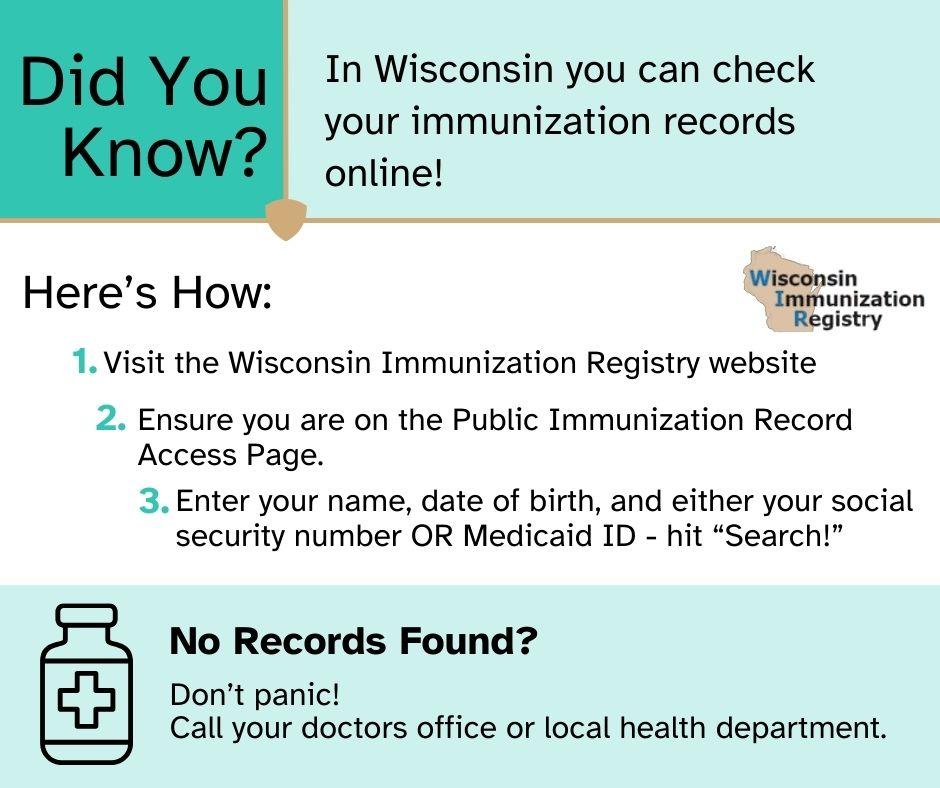
Finding Your Vaccination Records In Wisconsin Is Easier Than You Might Think!
Whether you are traveling someplace fun, or just want to check on your measles vaccination status, your records on the Wisconsin Immunization Registry (WIR) are just a click away! Here's how to find them:
-
Visit the WIR Portal: This link will take you straight to the Public Immunization Access Page.
- Enter your first and last name, date of birth, and either your social security number or Medicaid ID number.
- Hit search!
Cannot find your records?
Don't stress! If your search comes up empty it could mean:
- Your provider didn't have your social security number or Medicaid ID on file when they uploaded the data.
- You were vaccinated out of state. (WIR only track Wisconsin-administered shots)
- There's a typo in the system, such as a misspelled name.
How to fix it:
Call your doctor or the local health department where you would have received your immunizations. They can confirm your immunization status and update your information in the registry so you can access it online later!
| | | | Spring Break Travel Checklist | |
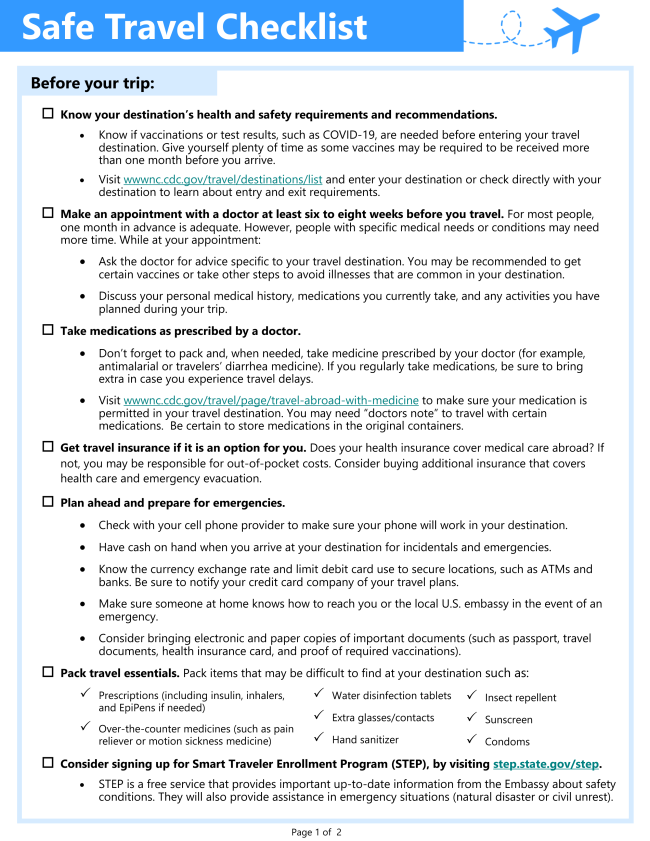
Spring break is almost here! Whether you're traveling internationally or taking a road trip, this safe travel checklist from Wisconsin DHS has some important tips! Here are some other reminders to ensure you and your fellow travelers have a great trip:
-
Sun Smarts: Apply and reapply sunscreen with at least SPF 30.
-
Hydration is Key: Keep a water bottle handy and sip throughout the day to stay hydrated.
-
Swim Safely: Only swim in designated areas and never alone. Keep an eye on each other to ensure everyone enjoys the water without worry.
-
Road Trip Wisdom: Check your car's essentials before heading out, and take turns driving to avoid fatigue.
Learn More:
The Latest Updates on Travel World Health Organization
Travelers' Health from the CDC
Measles Cases and Outbreaks from the CDC
Traveler Health: What you need to know from WI Department of Health Services
| |
| | |
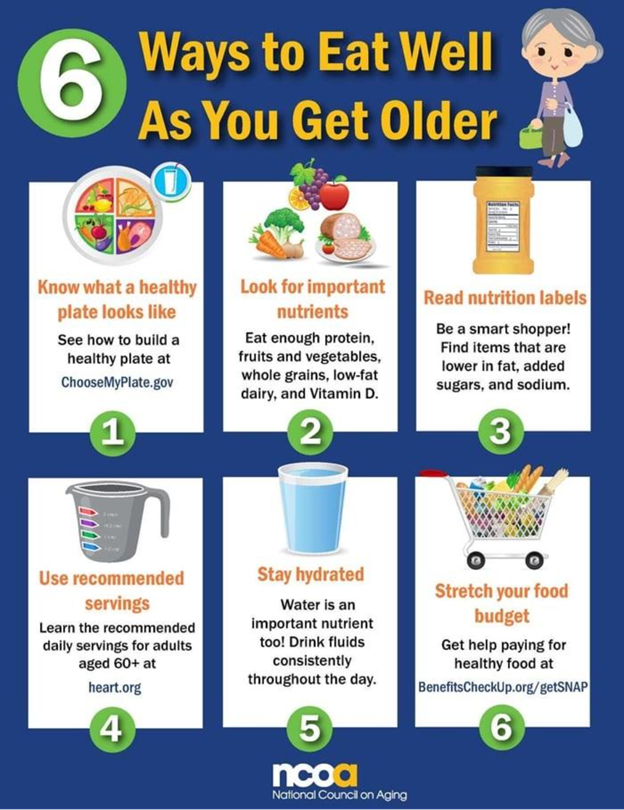
Fueling Longevity: Smart Nutrition Strategies For Older Adults
As we age, our body needs different amounts of calories, nutrients, and vitamins to keep performing at our best. Muscle mass decreases, bones begin to thin, and some people may be less mobile. According to the American Heart Association, calories should come from nutrient-dense foods. Some examples of nutrient-dense foods include:
- Vegetables- spinach, carrots, broccoli, kale, beets, sweet potatoes
- Fruits- strawberries, oranges, limes, grapefruit, blackberries, apples, pomegranate, pineapple, banana, avocado, blueberries
- Whole grains- barley, quinoa, brown rice, farro, oatmeal, popcorn, whole-wheat flour
- Lean meat- skinless chicken breast, turkey breast, fish and seafood (salmon, cod, tuna, shrimp)
- Low-fat dairy- Greek yogurt, skim milk, low-fat cottage cheese
While older adults may need fewer calories each day compared to a younger person, they may have similar or even increased nutrient needs. This can place older adults at higher risk for malnutrition. Malnutrition can lead to health complications, such as diabetes, cancer, and heart disease, as well as increased chances of falls, leading to increased healthcare costs. So, what can you do to prevent these problems?
- Talk with your provider about dietary changes or adding supplements or vitamins
- Keep a food diary to help keep track of what you are eating. Review it to see if you are meeting dietary needs
- Spend Smart. Eat Smart. Make a food spending budget. Purchase items that are going to go the furthest. Cooking more at home will help you know exactly what is in the food you eat, and it saves costs in the long run.
- Read nutrition labels and look for whole foods, or foods that do not have many additives.
| | | | | | World Tuberculosis Day: March 24th | |
World Tuberculosis (TB) Day is observed on March 24, the date in 1882 when Dr. Robert Koch announced his discovery of Mycobacterium tuberculosis, the bacillus that causes TB. The theme of world TB Day 2026 is:
"Yes! We Can End TB! Lead by Countries! Powered by People!"
What is TB?
TB is a contagious bacterial infection - usually in the lungs - that spreads through the air when an infected person coughs or sneezes. TB is preventable and curable, yet remains one of the top ten causes of death globally. In fact, according to the World Health Organization tuberculosis resurged in 2023 as the top infectious killer, surpassing COVID-19.
Learn More:
Recommended Reading:
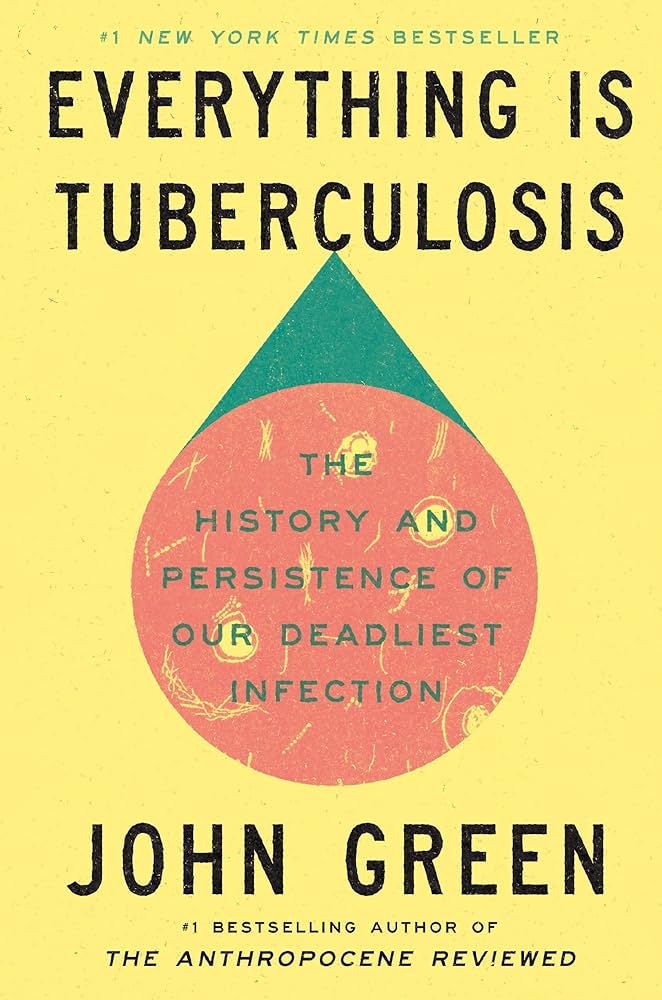
Everything Is Tuberculosis by John Green (2025) is a nonfiction book that follows the experience of a young patient living with tuberculosis while placing that story within the broader historical, scientific, and social context of the disease. Several staff members have read the book and found it to be an informative and engaging overview of a condition that continues to influence public health.
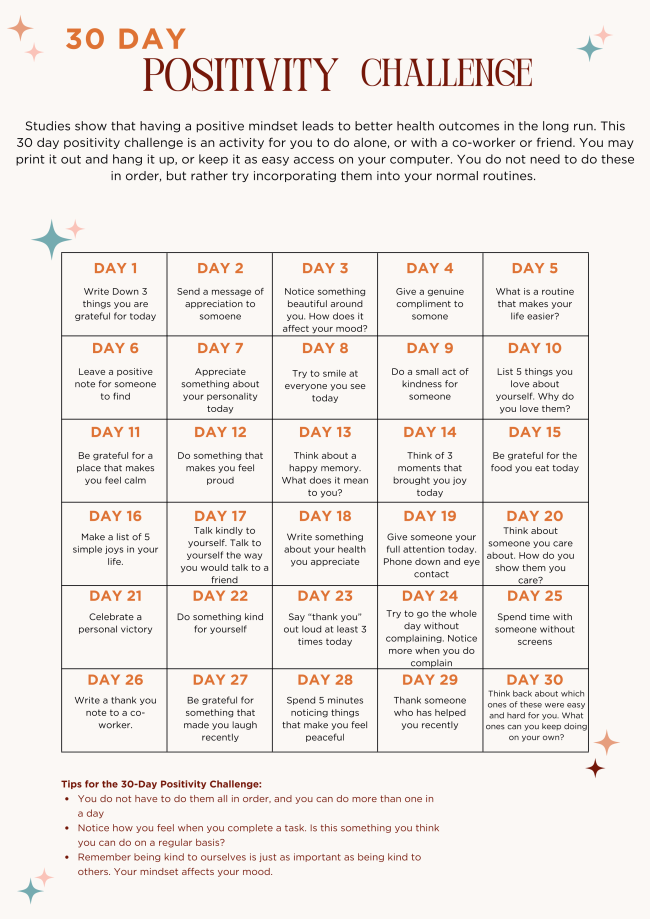
| | | 30 Day Positivity Challenge | |
Positive thinking doesn't mean that you ignore hard things in your life. It simply means that you approach things - even the unpleasant ones - in a positive way. According to Mayo Clinic, there are proven health benefits to increasing your positive thinking. Those include:
- Increased life span
- Lower rates of depression
- Greater resistance to illness
- Better cardiovascular health and reduced risk of death from cardiovascular disease and stroke
- Reduced risk of death from cancer, respiratory conditions, and infections
- Better coping skills in times of stress
It's not yet clear why people who engage in positive thinking experience these health benefits. It may be that having a positive outlook enables you to cope better with stressful situations, reducing the harmful health effects of stress on your body. It could also be that positive people tend to live healthier lifestyles. The good news is that everyone can practice positive thinking. Use the attached 30 Day Positivity Challenge sheet to guide you!
| | | | Public Health Nurse Notes | | |
Stimulate Your Mind With Brain Exercises (Use it Or Lose it)
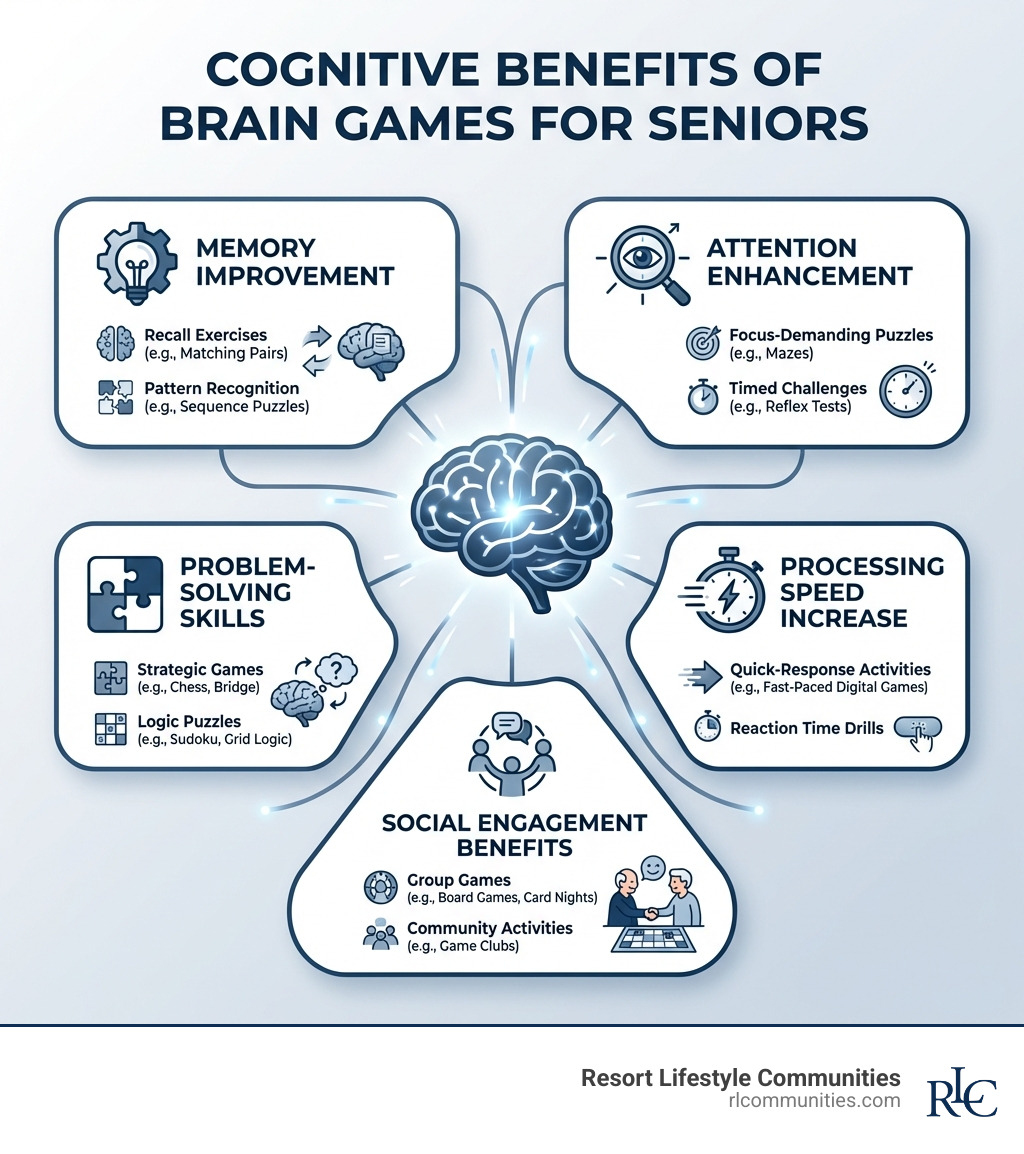
Everyone knows that physical exercise is important to keep the body healthy and strong. Did you know that your brain also benefits from exercise? Keeping your brain active and alert is a must as we get older. According to the American Academy of Neurology, stimulating the brain improves its function and can protect against memory decline.
Although brain exercises are not going to prevent the severe mental decline that is caused by disease, most of the common age-related losses in memory or motor skills simply result from inactivity and a lack of mental exercise or stimulation. You can take simple steps to prevent them. Brain exercises don’t take much time to accomplish and are fun! Take a few minutes out of your day and make these brain games part of your routine:
-
Classic Pen and Paper Games: Complete the crossword puzzle or sudoku in the daily newspaper, or do a word search.
-
Card Games: From Bridge to Solitaire, card games are excellent for developing strategic thinking and memory retention.
-
Digital Brain Games: Apps like Lumosity, Peak, and BrainHQ are popular choices.
| | | | |
Public Health Response: When A Child’s Blood Test Registers Lead Levels
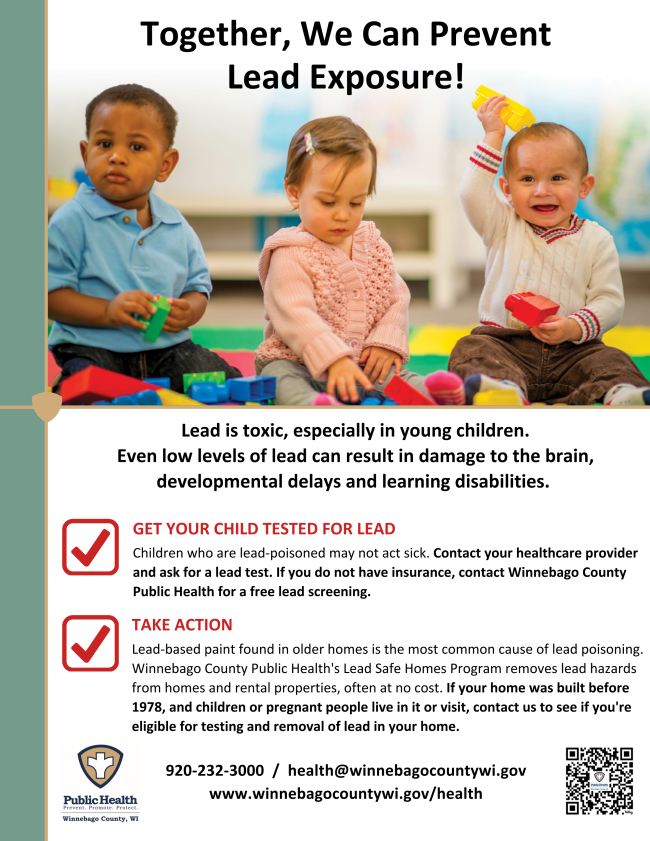
When Winnebago County Public Health staff receive a notification about a child whose blood lead levels are high, they jump into action.
When this happens, a public health nurse contacts the parents to review the dangers of lead exposure and how it could impact their child’s development. The importance of rescreening is emphasized as well as how lead poisoning could affect growth and learning. (An elevated level is considered to be 3.5 mcg/dL or greater) During the conversation, the public health nurse offers to visit their home to provide a visual inspection, education, and support.
Together, they discuss common sources of lead and information about products that have been recalled for lead contamination. Practical prevention steps, diet, and referrals to community resources are also covered.
For children with levels 5.0 mcg/dL or higher, the public health nurse also offers a developmental assessment to check for any developmental delays in children. When a child’s blood lead level reaches levels of 10 mcg/dL or greater, the case then also brings in our Environmental Health staff. Their role is critical as they conduct a full-lead investigation at the family's home. Immediate interim measures are identified to reduce exposure. They complete a detailed risk assessment report and write a work order outlining the steps needed to fix the problem. Finally, they work closely with the property owner to remediate lead hazards and make the home lead safe.
How often does this happen?
In 2025 our team investigated 52 cases of children with elevated blood lead levels of 3.5 mcg/dL and above. Of those cases, 39 families received a home visit with a public health nurse. Six families declined a home visit, but received education over the phone. The Environmental Health team investigated 12 of those properties to identify lead hazards and work with the property owner to correct the lead hazards.
Here Are Some Practical Tips to Reduce Childhood Lead Exposure:
-
Test early: Lead poisoning can affect a child’s ability to learn and behave, so early testing at ages 1 and 2 is essential.
-
Older homes: If your home is built before 1978 keep paint intact, hire lead-certified contractors for renovations that can professionally address surfaces with lead paint.
-
Clean often: Soil and dust spread lead. Use wet mops to clean your floors, wipe windowsills, vacuum, and remove shoes at the door.
-
Water safety: If your house has old plumbing, run water for 2–3 minutes before use; drink cold water only and use cold water for cooking and preparing baby formula.
-
Wash hands and toys: After outdoor play, before eating, and at bedtime wash hands with soap and water.
-
Avoid risks: Certain Mexican candies (tamarind/chili), and children’s jewelry contain lead, especially risky for pregnant women and children.
-
Work precautions: Change clothes if exposed to lead or work with lead paint at work.
-
Home projects: Use lead-safe practices to prevent dust spread, especially true in older houses as renovations can expose old paint and create toxic dust.
-
Nutrition: Provide foods rich in calcium, vitamin C, and iron.
Learn More on our website.
| | | Inside: Winnebago County Public Health | | |
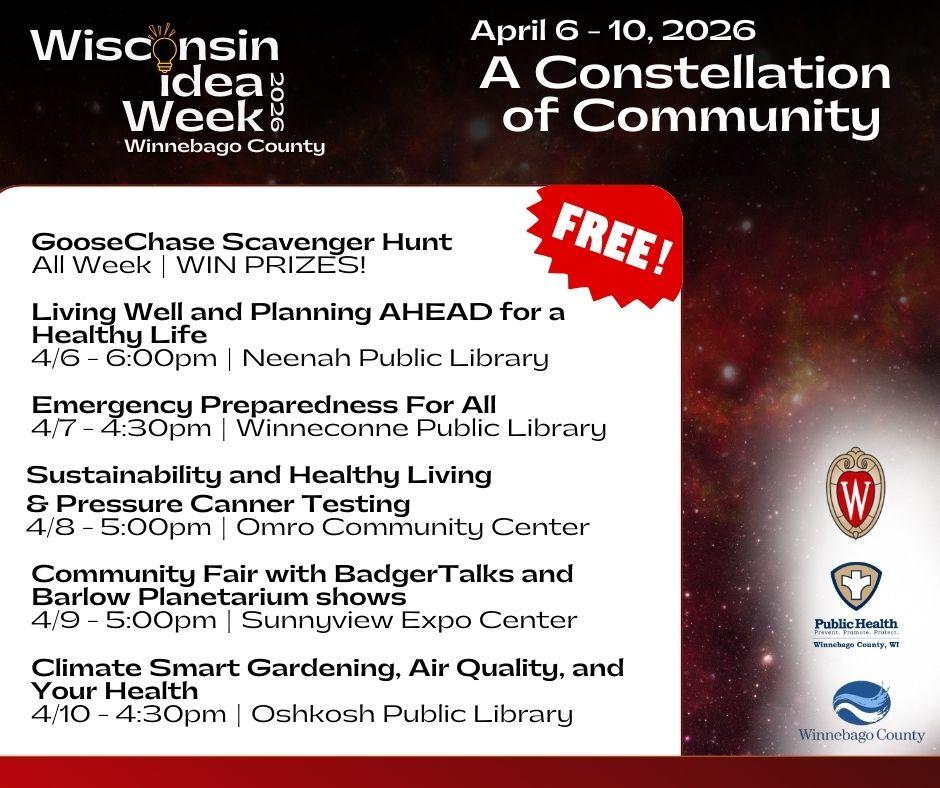
Join The Constellation of Community:
Public Health Week 2026!
We’re celebrating National Public Health Week and Wisconsin Idea Week April 6th through 10th, 2026!
Enjoy FREE events that highlight the amazing work happening in our community. From green and healthy living to legacy planning, from a prize-filled scavenger hunt to emergency preparedness, there’s something for everyone to learn and enjoy.
Explore the full schedule and register today!
| | | | |
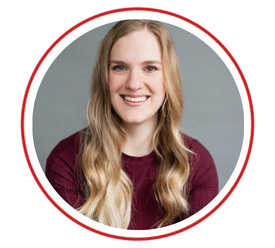
Hannah Wainio
Community Health Strategist II, Winnebago County Public Health; WPP project lead for Addressing and Preventing Childhood Trauma in Winnebago County: A Community Schools Approach
| | |
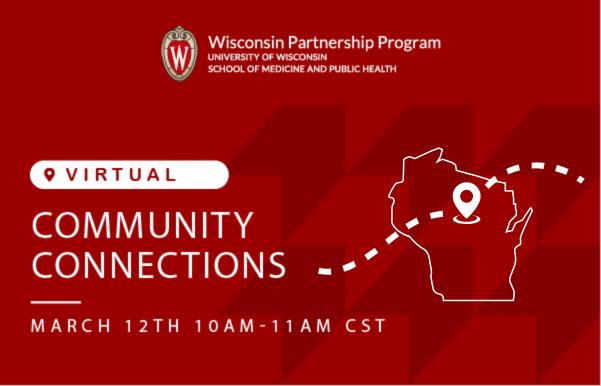
Wisconsin Partnership Program (WPP) Community Impact Grant Program Information Session and Grantee Presentation
Join us Thursday, March 12th to learn about our upcoming WPP community grant funded project: Addressing and Preventing Childhood Trauma in Winnebago County: A Community Schools Approach.
What: Virtual grant information session and grantee presentations
Time: 10:00 - 11:00 a.m. CDT
Location: Virtual via Zoom (link included in registration confirmation)
Cost: None
Registration deadline: March 9, 2026
| | | |
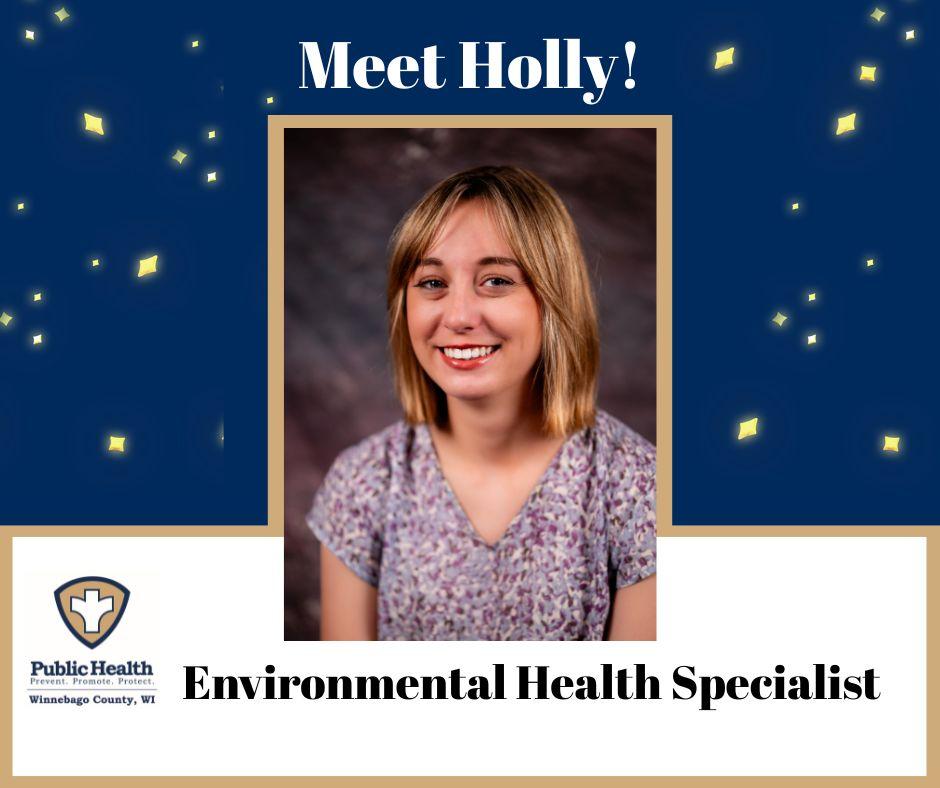
March Staff Spotlight: Meet Holly!
Position: Environmental Health Specialist (for 5 years)
Where You've Seen Her: Completing food safety inspections at restaurants or grocery stores, meeting with swimming pool operators to complete pool inspections, meeting with homeowners for lead paint inspections and assessments.
Where you've seen her outside of work: Going for a run around Oshkosh in places like Menomonee Park or at a yoga class at the YMCA.
| | | | |
|
NEW Program!
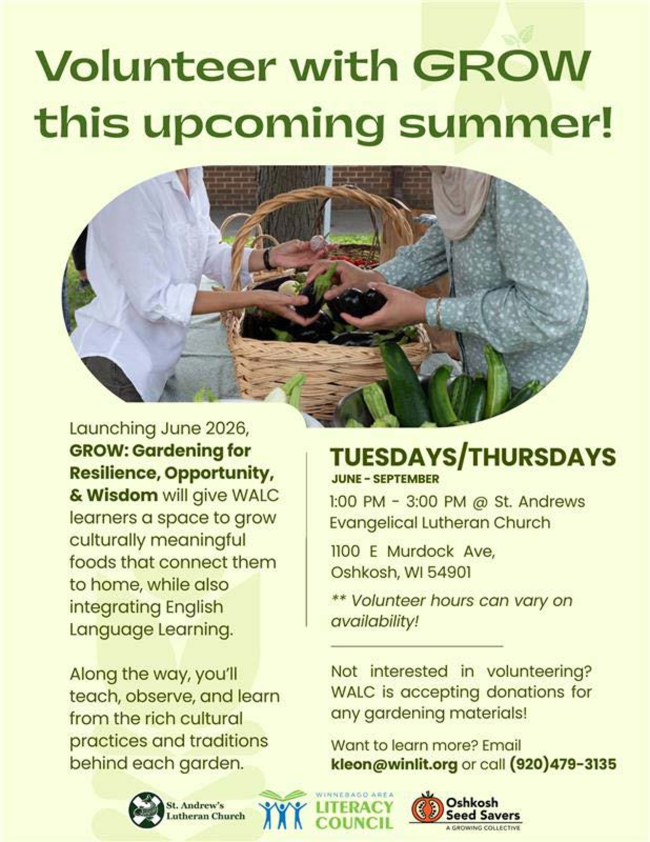
GROW: Gardening for Resilience, Opportunity, & Wisdom
Accepting donations and volunteers
| |  |
|
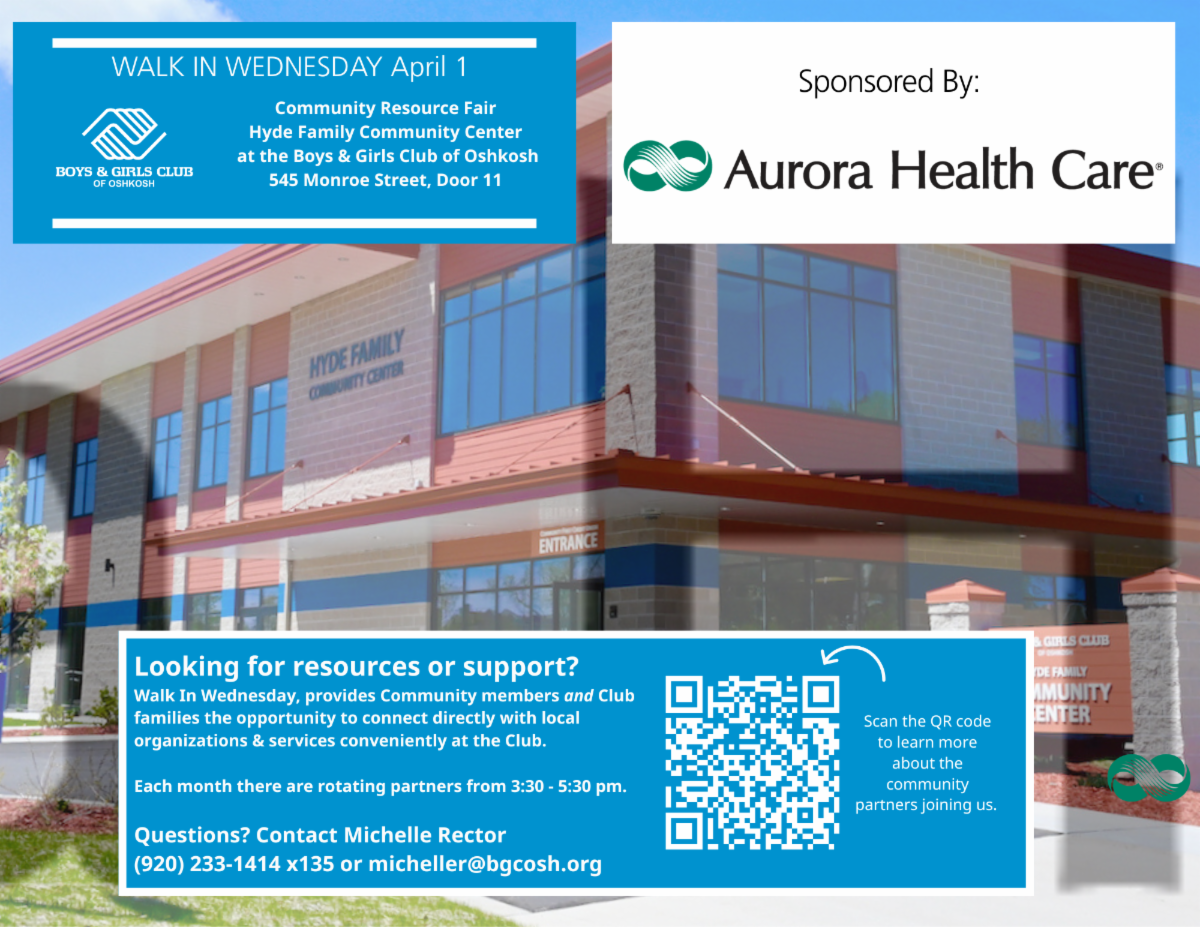
Join us for Walk In Wednesday at
Hyde Family Community Center
Wednesday, April 1st
3:30 PM to 5:30 PM
|
| |
|
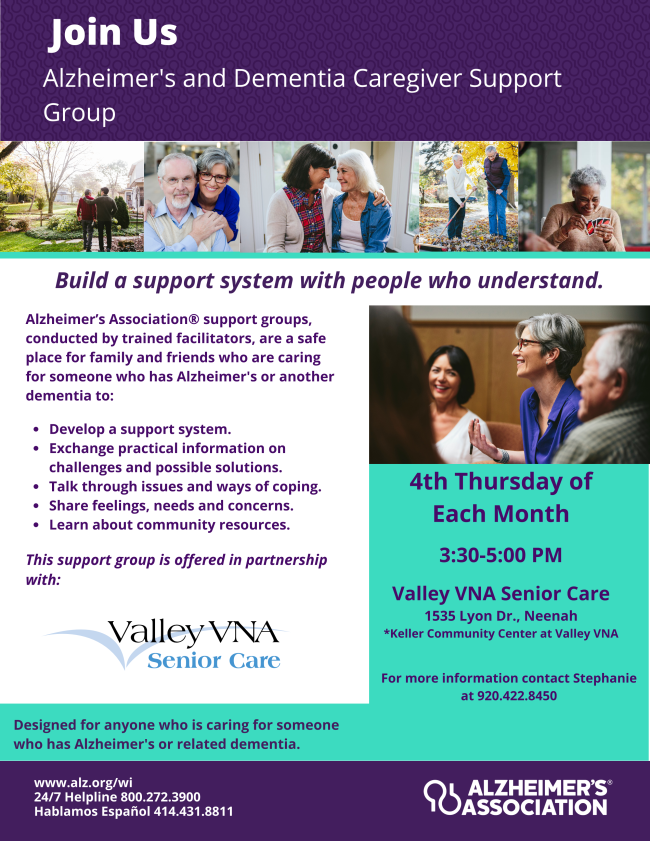
Alzheimer's and Dementia Caregiver Support Group
Valley VNA Senior Care
4th Thursday of Each Month
| | | |
|
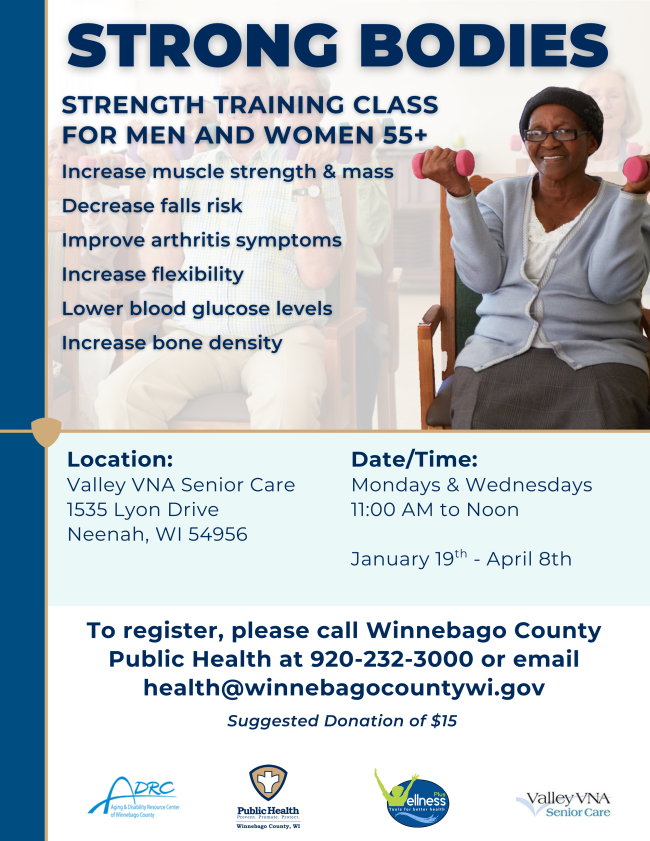
Strong Bodies Wellness Plus Class
Valley VNA Senior Care
Mondays & Wednesdays
11 AM to Noon
|
| |
|
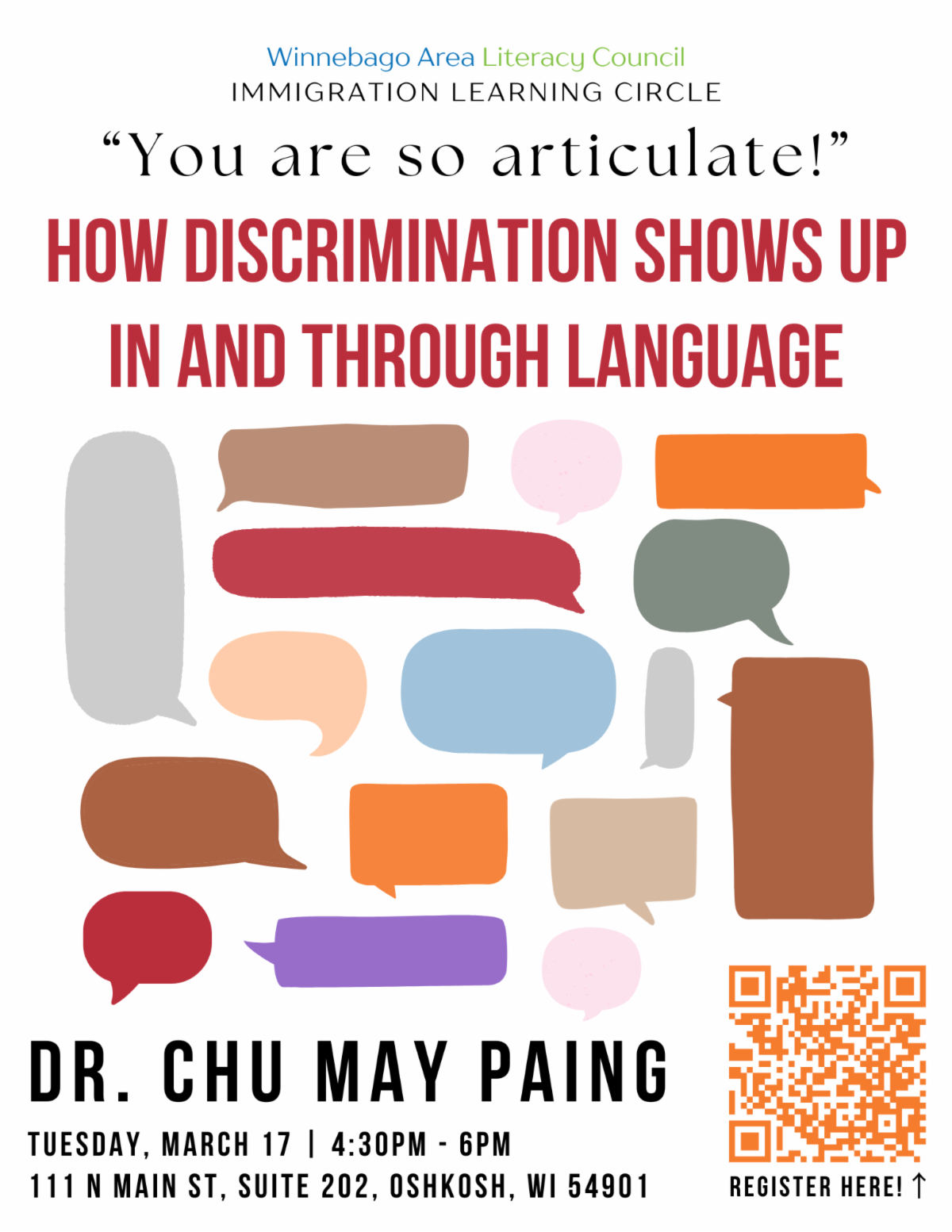
Immigration Learning Circle
Tuesday, March 17th
4:30 PM to 6:00 PM
|
| |
|
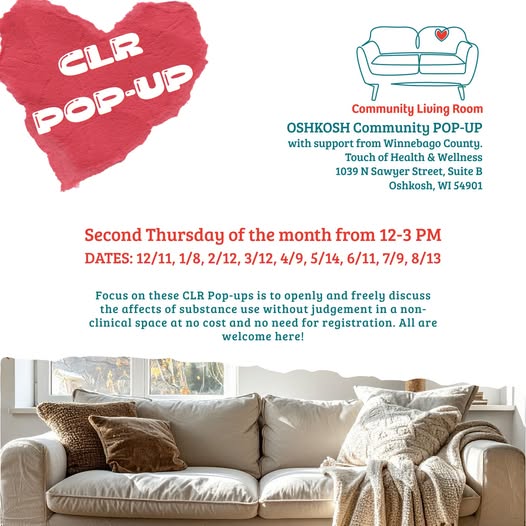
Oshkosh Community Living Room Pop-Ups
Location: Touch of Health & Wellness
Next Date:
March 12th
| | | |
|
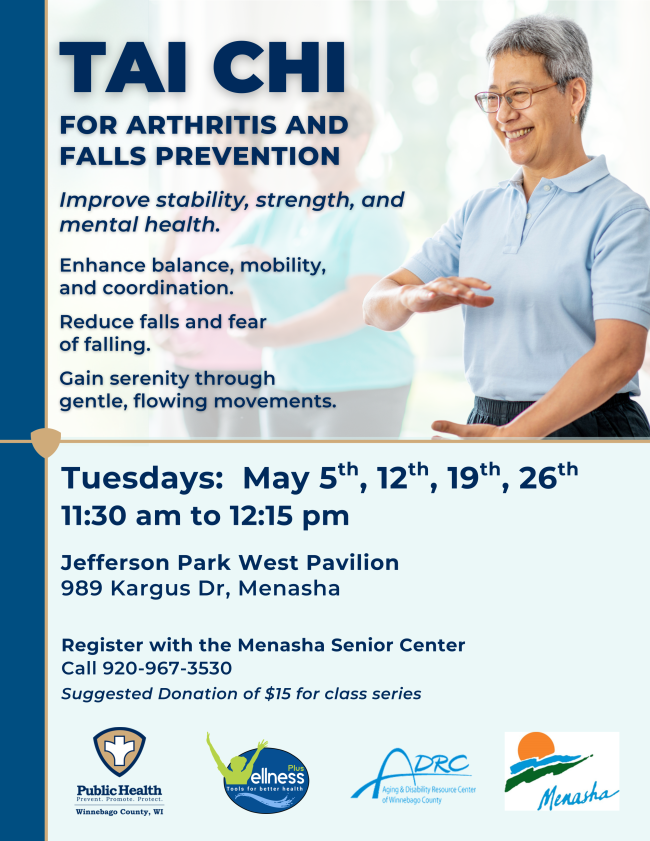
Tai Chi
NEW! Menasha Senior Center
Tuesdays in May
|
| |
|
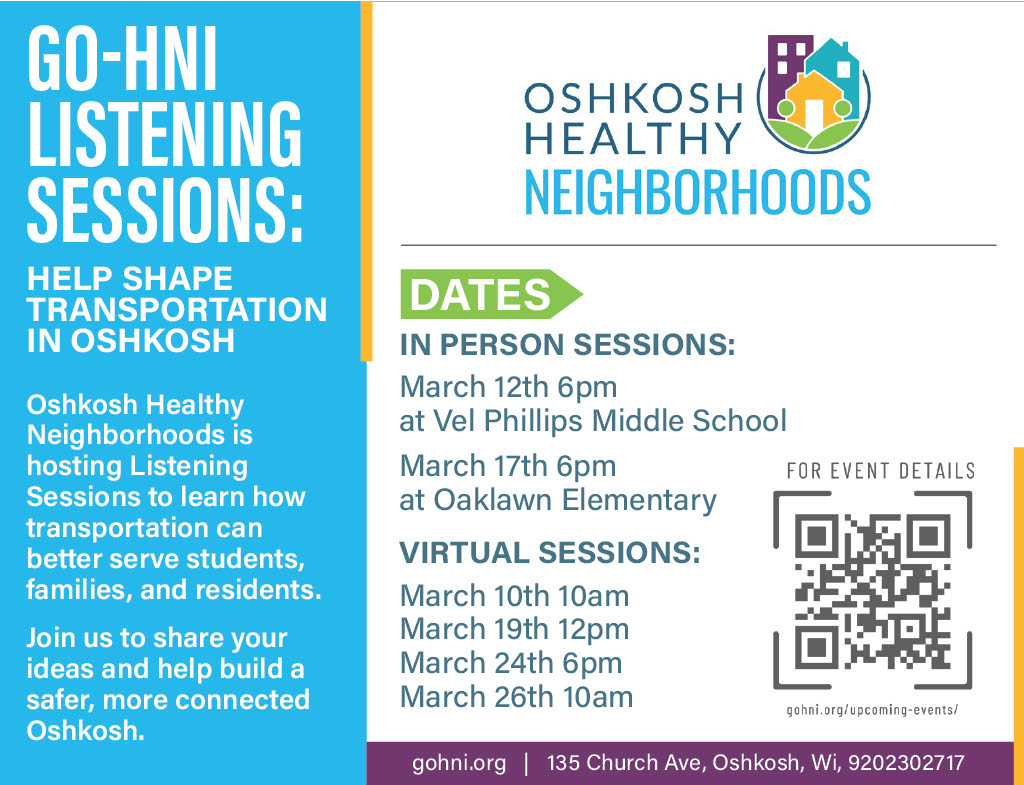
Oshkosh Health Neighborhoods
Listening Sessions
| | |
|
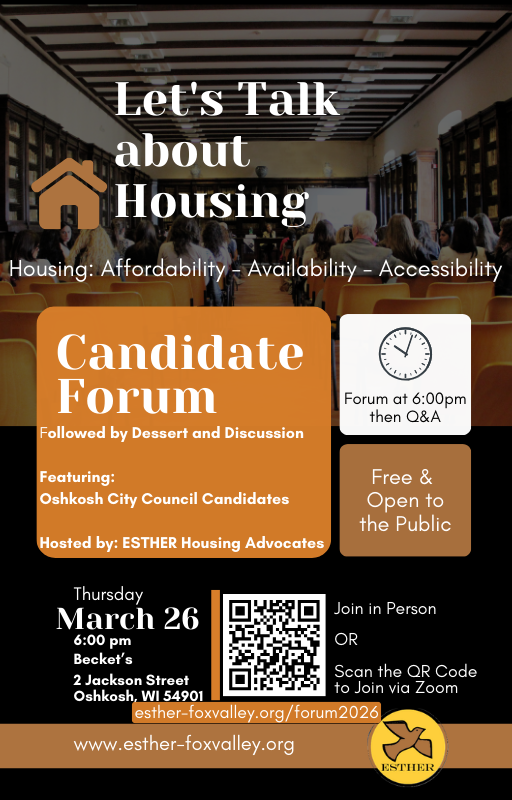
Let's Talk About Housing Event
Thursday, March 26th, 6:00 PM
Free & Open to the Public
| | | |
|
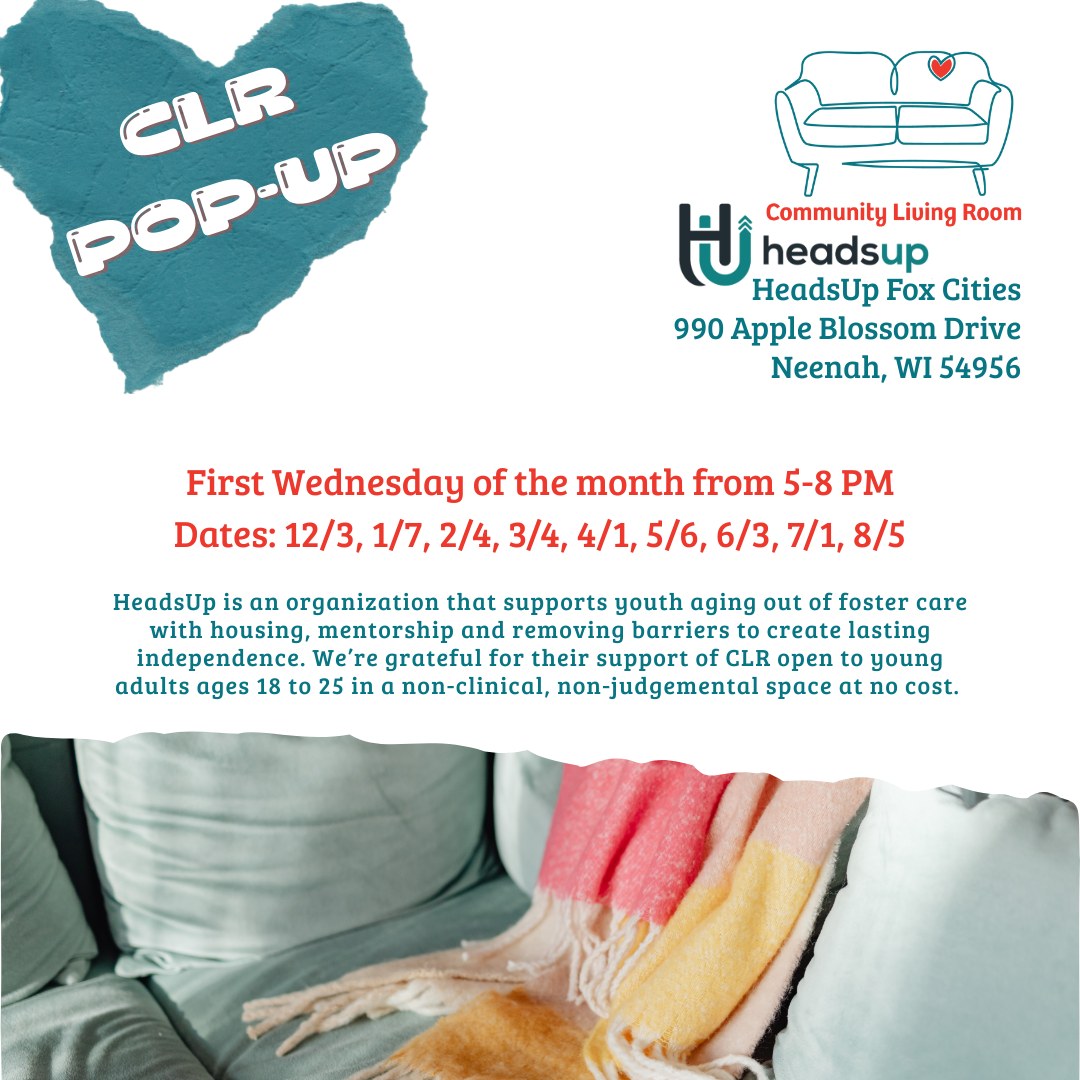
Community Living Room
HeadsUp Fox Cities Collaboration
Open to young adults ages 18 to 25
|
| |
|
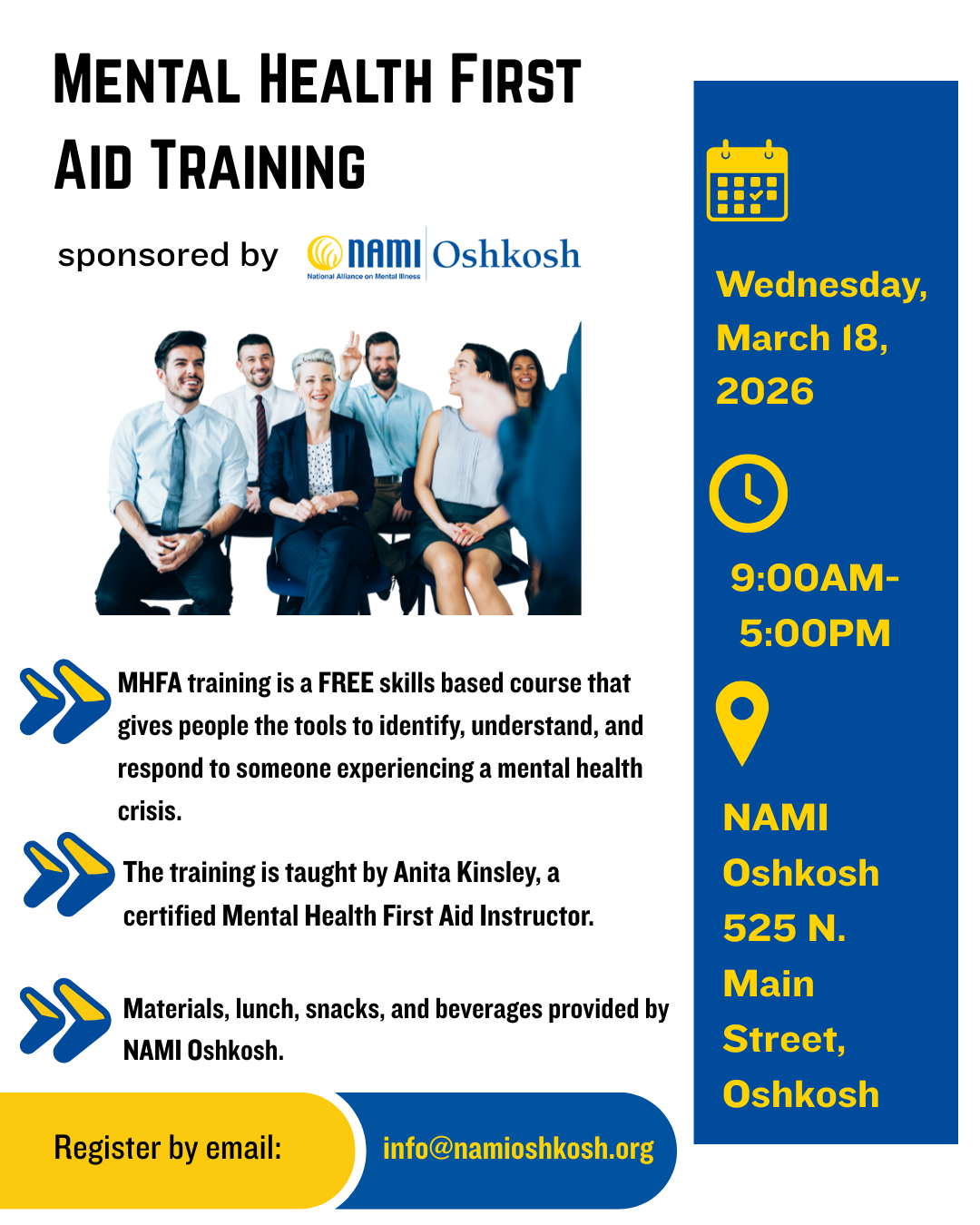
Mental Health First Aid Training
Wednesday, March 18th
9:00 AM to 5:00 PM
|
| |
|
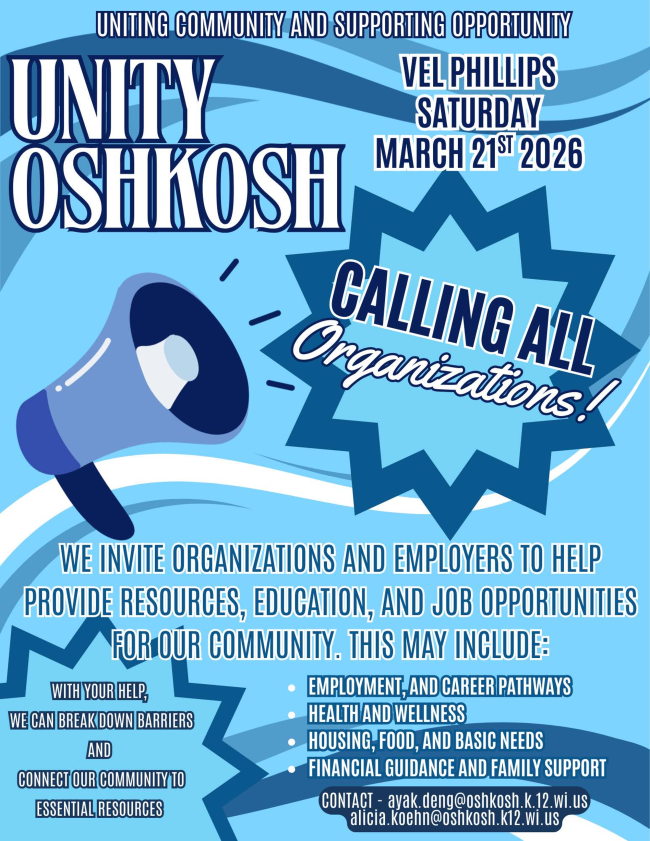
Unity Oshkosh
Vel Phillips Middle School
Saturday, March 21st
| | | |
|
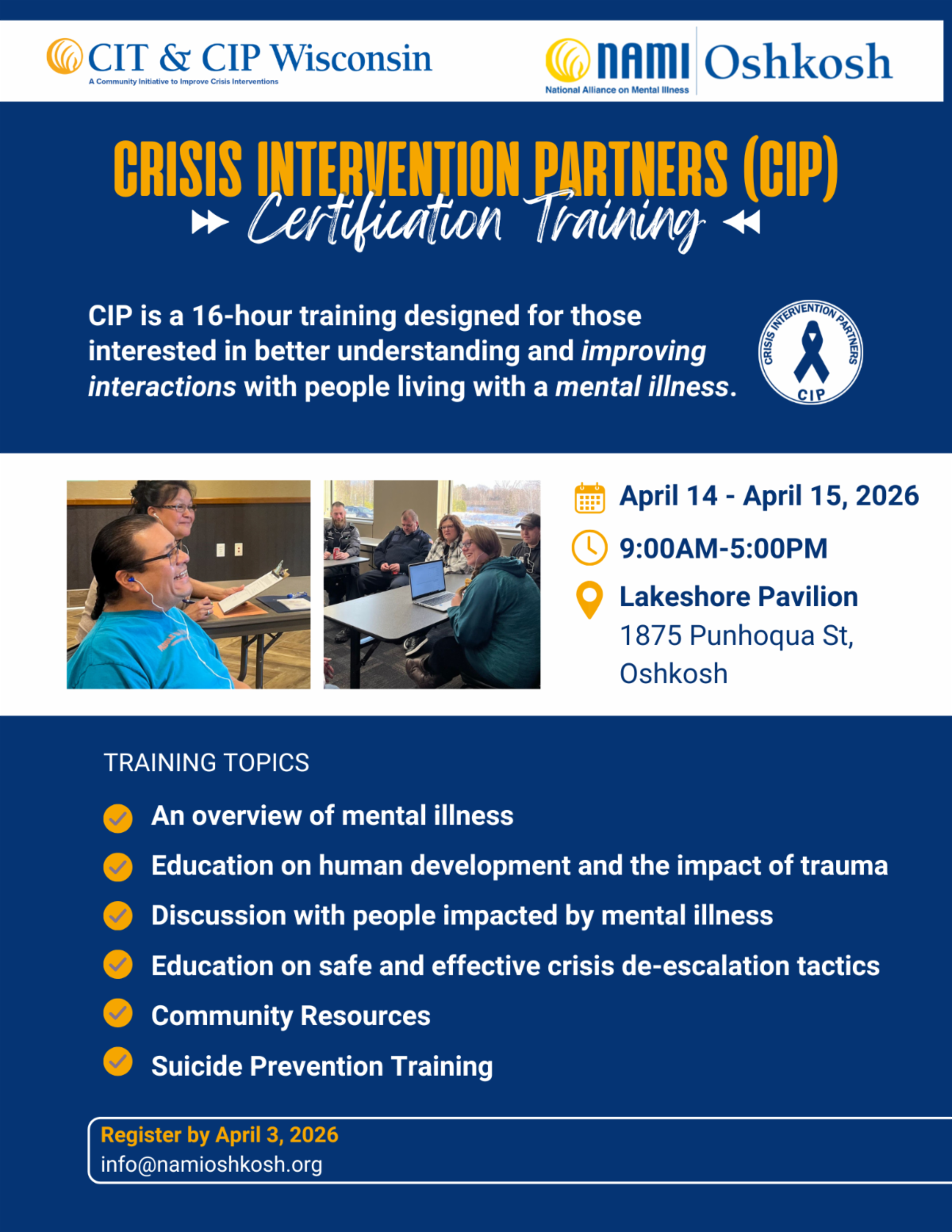
Crisis Intervention Partners
Certification Training
April 14th through 15th
9:00 AM to 5:00 PM
|
| |
|
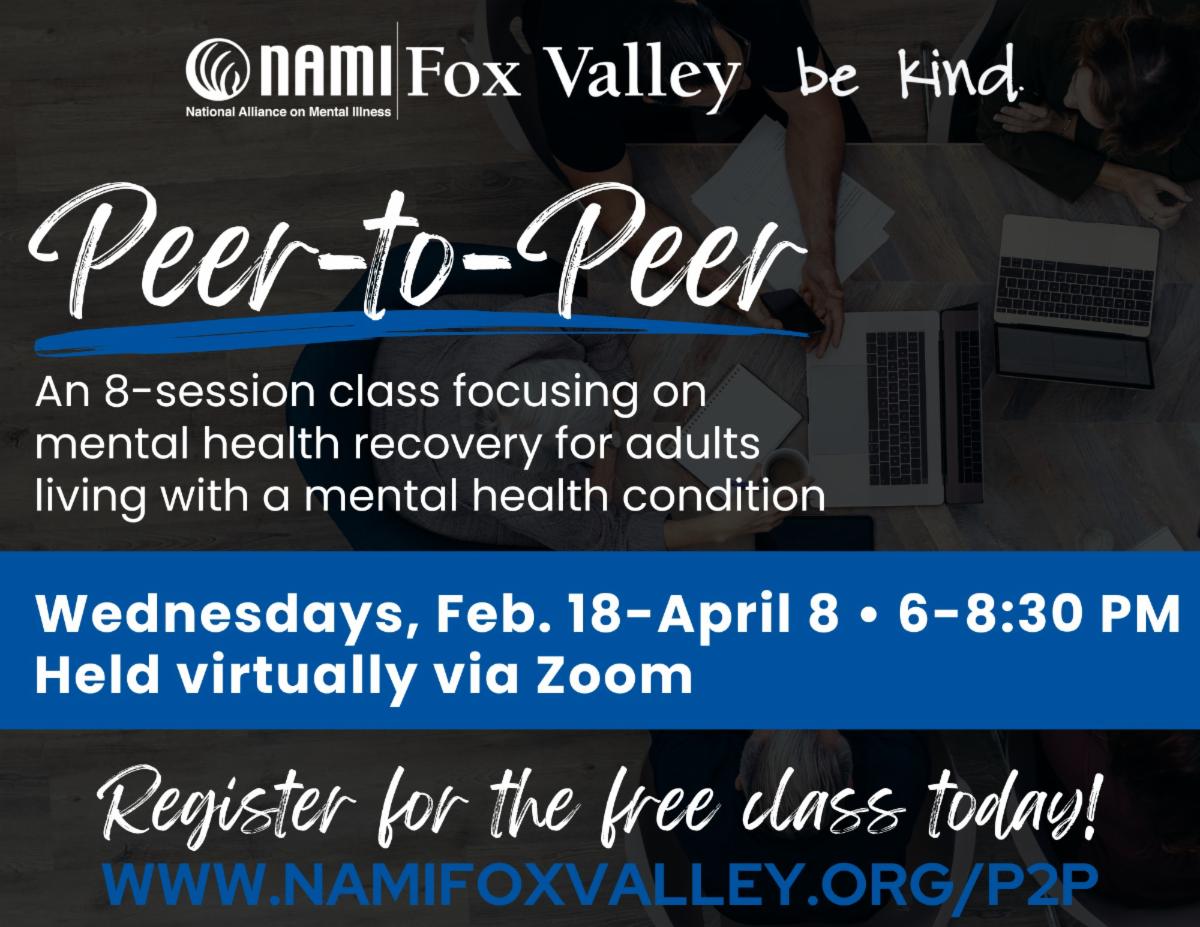
FREE Peer-to-Peer class from NAMI
Designed for adults living with a mental health condition.
Wednesdays, February 18 to April 8
6:00 to 8:30 PM
|
| |
|
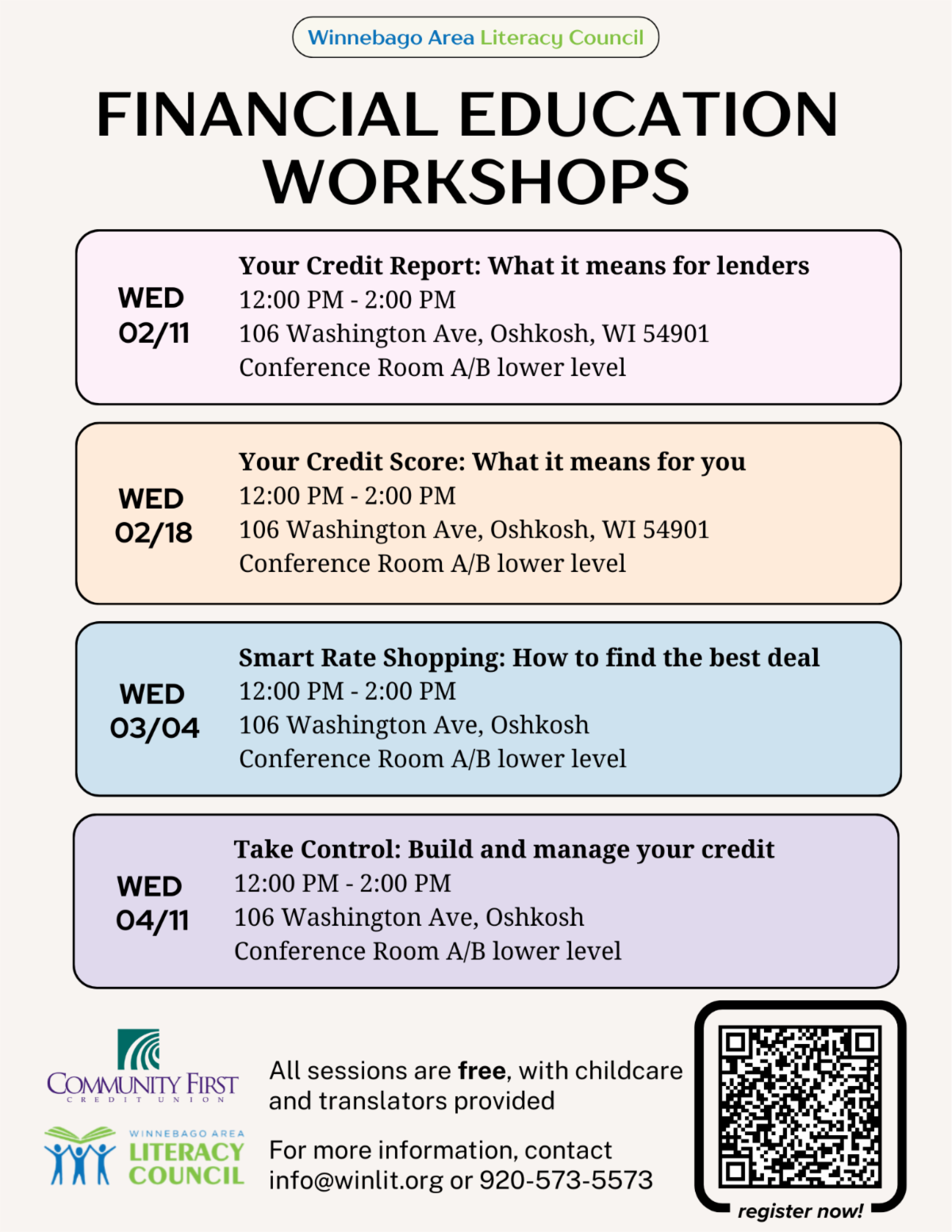
Financial Education Workshops
Winnebago Area Literacy Council
| | | |
Public Health Information
Communicable Disease, WIC,
Environmental Concerns,
Community Resources, and more!
Contact 920-232-3000 or visit our website.
| | | |
Non-Medical Related Information
Utility, Food & Housing Assistance,
Elder Care, Crisis Intervention,
Alcohol & Drug Recovery
Contact 211 or visit their website.
| | | |
Our Mission: Winnebago County Public Health protects and promotes health through services,
partnerships, and equitable practices and policies so all can live their best life.
| | |
STAY UP TO DATE!
Visit wchd.pub/newsletter to receive Public Health Happenings, press releases, or
public service announcements from Winnebago County Public Health.
Find a copy of this newsletter on our website.
| | Please distribute widely. The format may be altered when forwarded in an email. Find a shareable link here. | | | | |