|
The Northwest Ordinance was approved by Congress during the same session the US Constitution was written (1787). It was designed to lay the groundwork for a state expansion plan beyond New York and Pennsylvania. Among other things, it called for the Northwest Territory to be divided into three to five states. Ohio, Indiana, Michigan, Illinois, and Wisconsin were all eventually created according to the Ordinance’s guidelines.
One of the concerns Congress had with incorporating an area the size of France into the United States was whether it could be governed effectively. The region was large and relatively remote. The Shay’s Rebellion in Massachusetts, happening at the same time as the congressional session, made the leaders worry about order and safety in the territory. There were also concerns that the British, who had won control of Canada from the French, might work to undermine the new states.
There were a few responses to their concerns. One was to militarize the region. This had already happened two years prior during the Northwest Indian War. The other was to teach the people living in the region to govern themselves. The idea was that rebellions and military oppression came from a lack of knowledge, virtue, and self-control. Whether the American leaders were reading their own challenges correctly is a question for our historians, but they did believe strongly that the most effective way to encourage order and prosperity was through education.
Among other things, such as outlawing slavery, The Northwest Ordinance called for a system of schools to be established that would promote religion, morality, and knowledge. While this view is not articulated in Ohio’s current state constitution, we look back on this heritage and agree. Knowledge and virtue are essential human tools that allow people to be free and thrive without an authority stepping in to dictate to us how we should live.
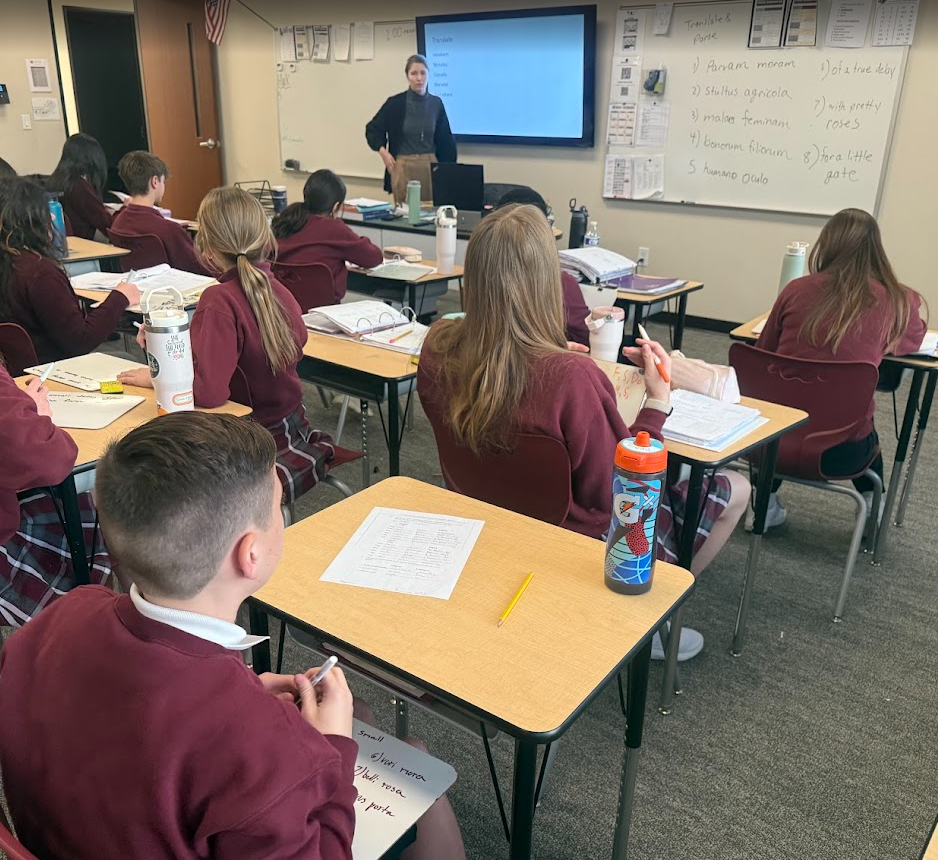
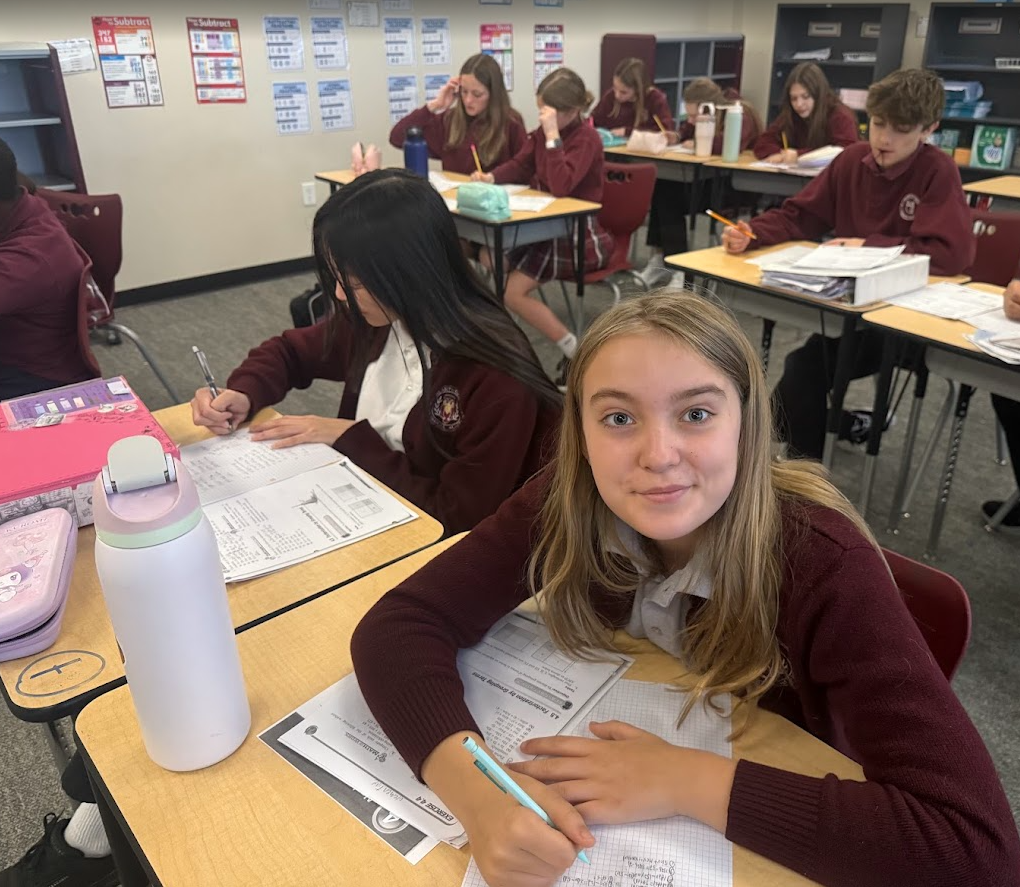
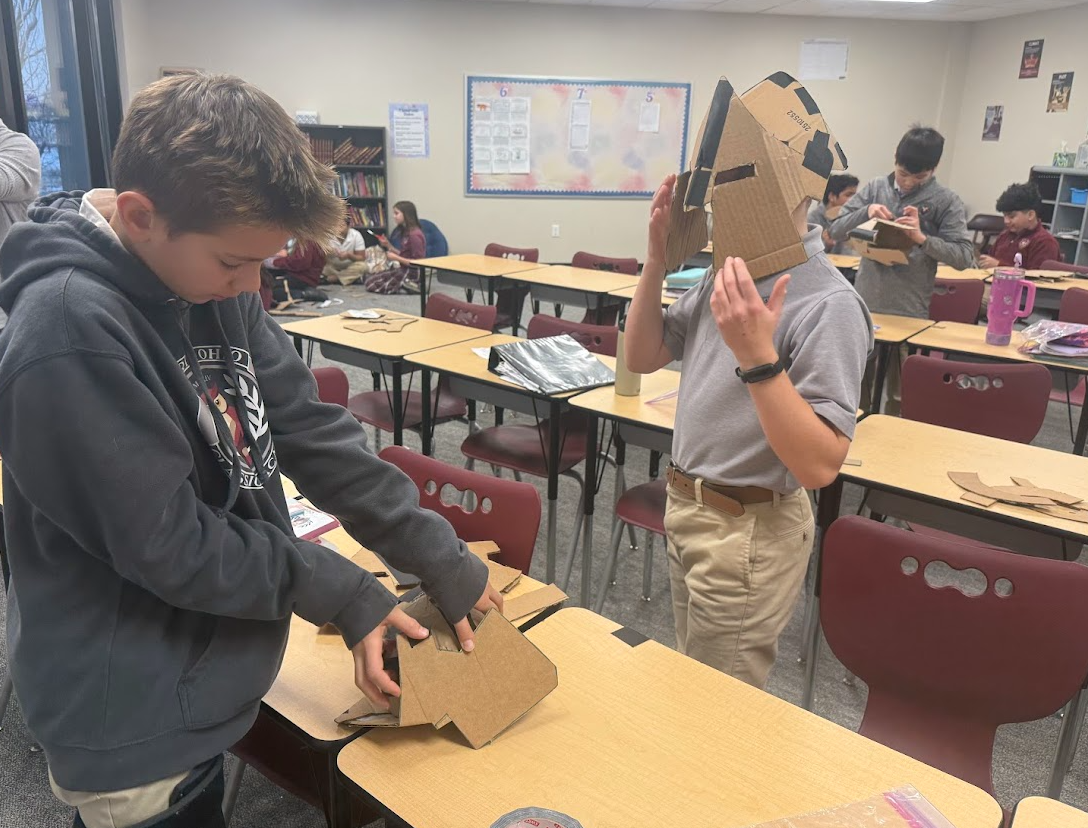
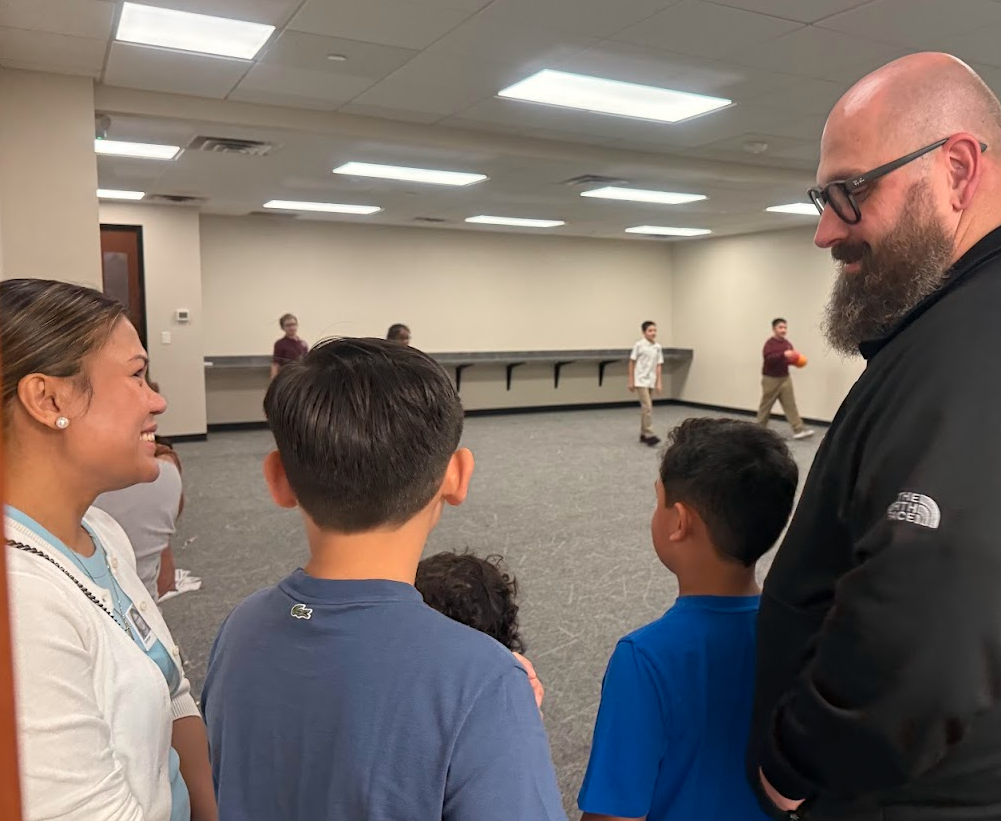
There are numerous ways we encourage self-governance at school. We teach students to take responsibility for their classrooms, to participate in the activity of the school, to get involved in school committees to plan events, and to follow through on the academic expectations placed on them. We also run a consequence-based discipline program (with plenty of grace built in) that reminds students that our actions have consequences, both good and bad. This is consistent with both family life and adult life, and children who learn to manage their actions in a controlled setting will be better prepared to deal with real-life situations.
Ultimately, we want our students to take responsibility for themselves so that they come to know success. We want them to thrive, and self-governance is one of the key virtues that will help them do this throughout their lives.
For more reading, consider this short explanation of our discipline strategy by Ferrell Yeokum, who wrote the book Mastering Classroom Discipline (amazon link).
Mike Terry
Natl. Dir. of Classical Education
Founders Classical Academies
|