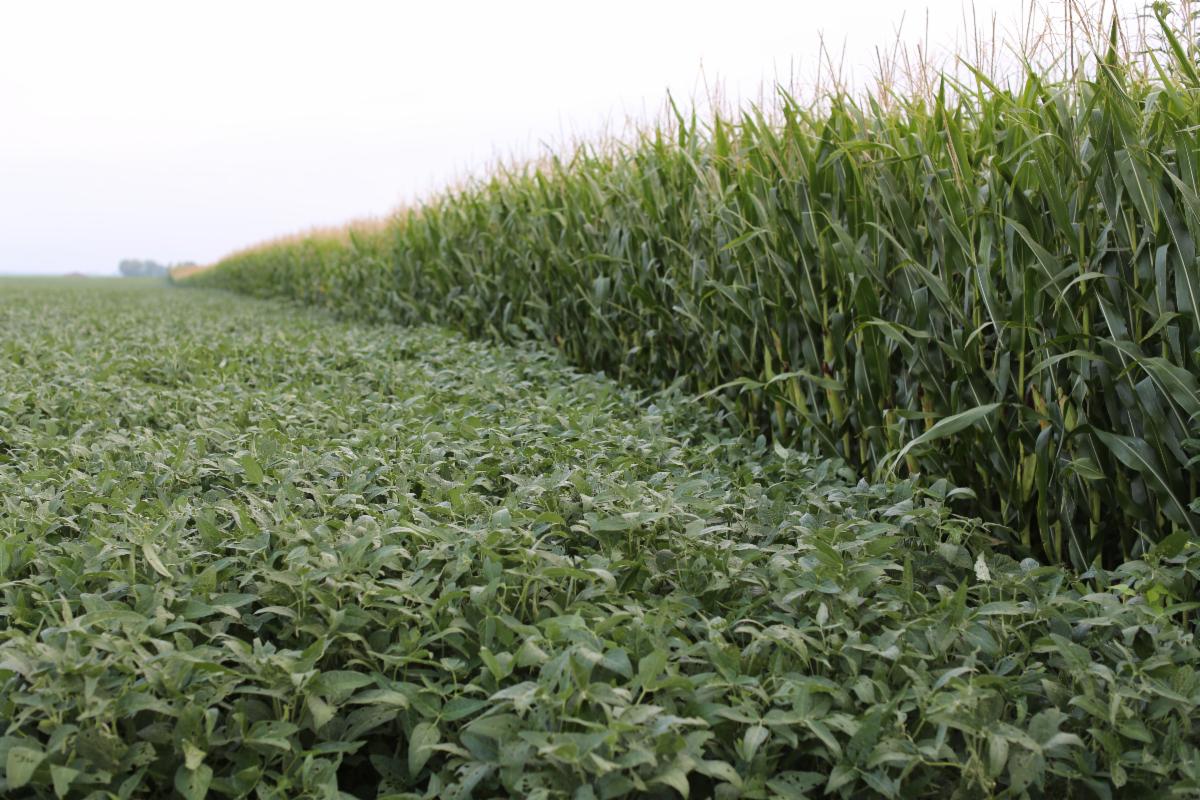
As summer winds down, it’s a natural time to take stock of the growing season thus far. Across our portfolio, crops are maturing, and farmers will be carefully tending their fields until harvest. Mid-year farmland valuations give us a timely lens on the market.


Despite a wet spring across many of our farmland hubs, our farmer partners were able to get crops in the ground under favorable conditions. Every growing season brings its own challenges, but experienced farmers know how to adapt. Timing, knowledge, and careful stewardship all play a role in building resilient operations—and we’re proud to partner with farmers who use their organic expertise year after year to succeed, despite the challenges they face.


The same principle applies to the farmland investments we make. Through the first half of the year, our portfolio performance continues to track relatively close to the NCREIF Farmland Index, reinforcing the stability of farmland. When the farmland market tightens, buyers have to be selective and carefully evaluate the underlying land. Our focus has always been on high-quality, productive farmland with potential for long-term appreciation that outperforms the market.


We also continue to invest in improvements that make farmland more productive and resilient. Drainage and other targeted capital improvements can support near-term farm performance while strengthening the land's underlying quality and long-term valuations.


For Iroquois Valley, that’s the opportunity: take a long view, partner closely with forward-thinking investors and experienced farmers, and invest in farmland that creates value over time.


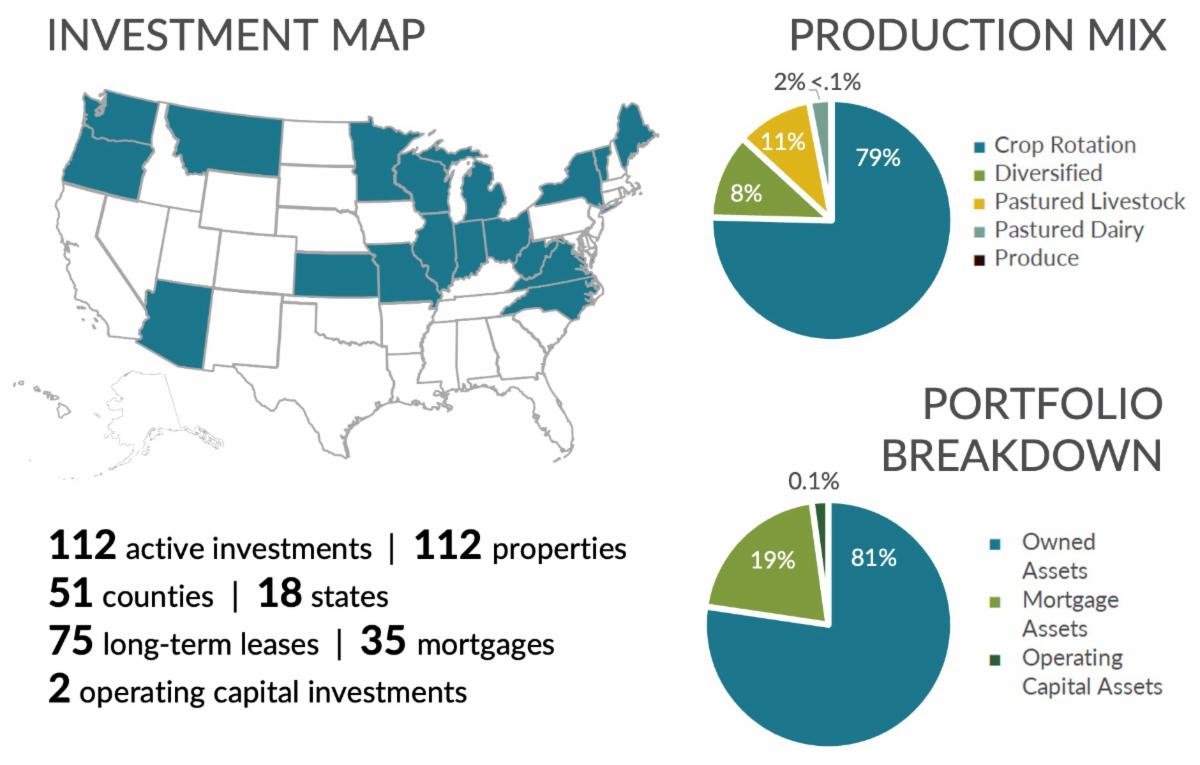
Q2 2026 OUR PORTFOLIO

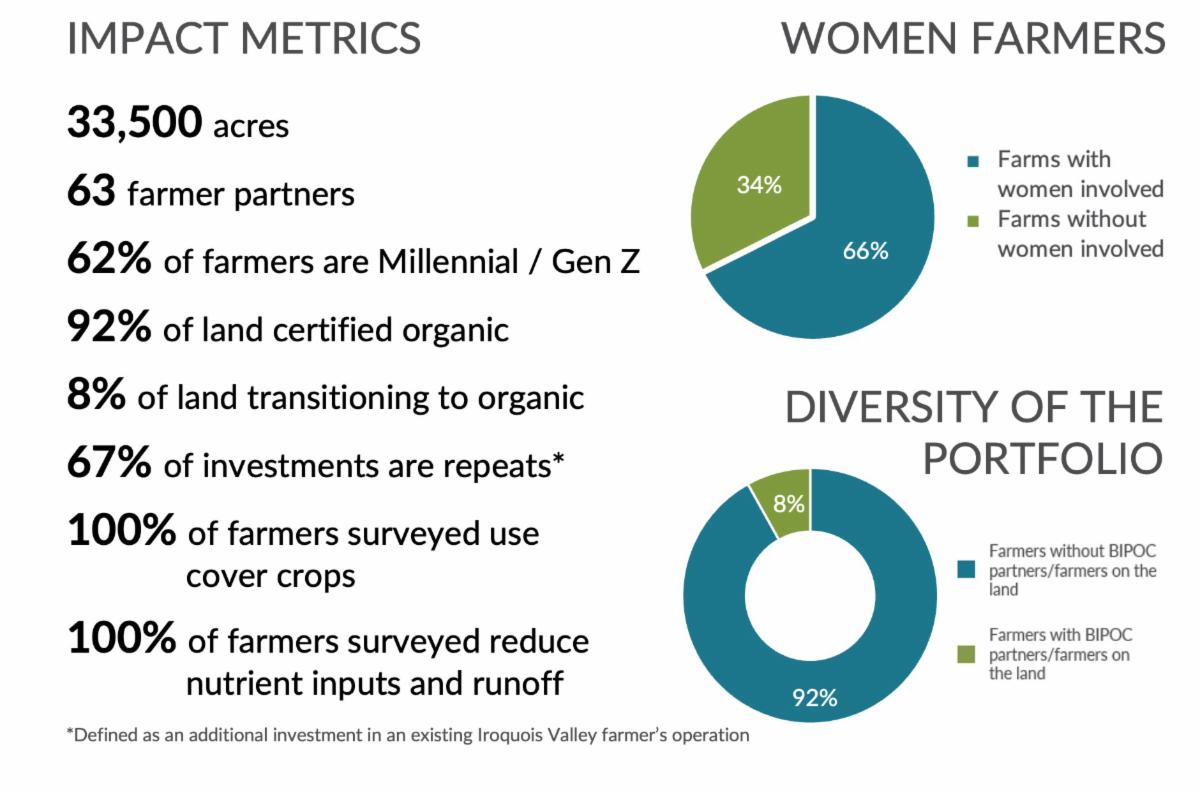
Q2 2026 OUR IMPACT

SAVE THE DATE

JOIN US FOR A SPECIAL VIRTUAL EVENT WEDNESDAY, SEPTEMBER 23 | 1:00 PM CST

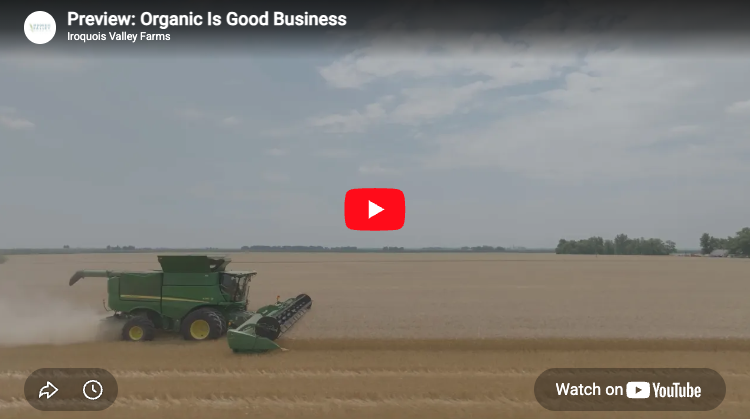
For nearly two decades, we've been proving that purpose and profits can grow together. This fall, we're taking an exciting next step—and we'd love for you to be among the first to see what's next.


We aren't quite ready to share all the details, but we can promise this: it's a milestone that reflects where we've been, where we're headed, and our continued commitment to building the organic future alongside our communities of investors and farmers.


Watch the short teaser below, save the date, and stay tuned. We can't wait to share what's ahead.

LEARN & GROW

INVESTOR QUESTION OF THE MONTH

Q: I have money to invest and wonder what are some of the differences between investing in organic farmland vs. investing in the stock market?


A: Organic farmland plays a different role in a portfolio than publicly traded stocks. Experienced investors consider farmland as a way to diversify a traditional portfolio (public market stocks and bonds) across asset classes. With the addition of as little as 5% allocated to farmland, the resulting portfolio will generally outperform a traditional portfolio. The portfolio also gains exposure to a real asset with a different set of underlying market drivers.


Farmland has historically experienced less volatility than the stock market1 and its valuation is influenced by factors that differ from those driving publicly traded companies. Demand for farmland is tied to fundamental factors such as food production, land scarcity, and the economics of agriculture. Strong demand paired with a limited supply typically leads to higher valuations. Public stock markets are driven by factors beyond fundamentals, such as overall market sentiment, current events, economic trends, and other factors.


Farmland is a valuable source of diversification. Historically, actively managed farmland has generated positive returns through periods of significant stock market downturns. Some recent examples are the dot-com bust of the early 2000s, the 2008–2009 great financial crisis, and the period of elevated inflation in 20222,3.


For those working with Iroquois Valley, the opportunity also lies in investing in an asset with the potential to deliver financial returns while helping build a more resilient food system for generations to come. 


Sources:

  1. Sherrick, Bruce J., and Juo-Han Tsay. Performance of Farmland Investment. TIAA Center for Farmland Research, University of Illinois Urbana-Champaign, Nov. 2025.
  2. “Are U.S. Stock Market Valuations Outpacing Fundamentals?” Goldman Sachs. July 2026.
  3. “Farmland Correlation with Other Assets by Holding Interval.” farmdoc, University of Illinois Urbana-Champaign. February 2025.

JOIN US

NY CLIMATE WEEK SEPTEMBER 21 - 24

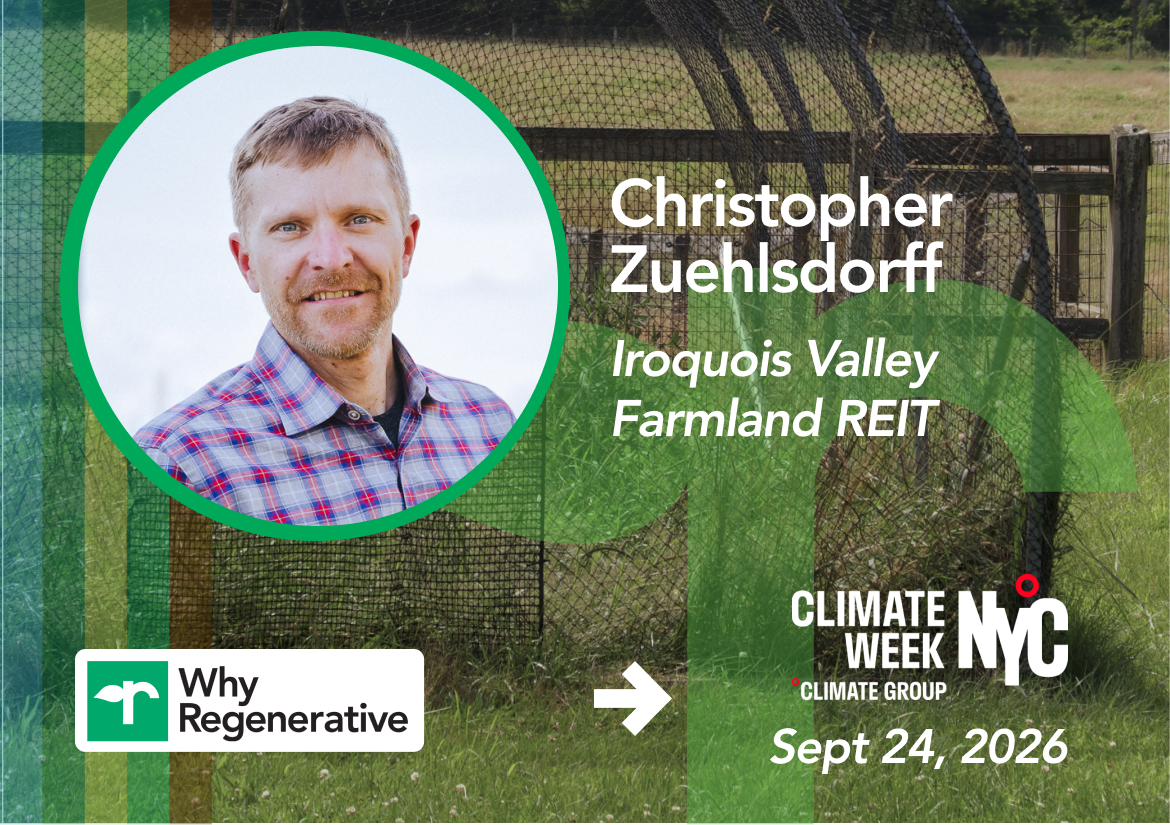
We're excited to be a sponsor of Why Regenerative's New York Climate Week events and to present at the Funding Regenerative Food Systems convening on September 24, 2026.⁠ The gathering will bring together leaders from regenerative agriculture, philanthropy, and the investment industry to explore how we can accelerate the transition to a resilient food system.


Whether you're an investor, advisor, philanthropist, or food system leader, if you'll be in NYC for Climate Week, we'd love to connect.⁠ Please reach out so that our team can plan a meeting. We hope to see you there!

CONNECT WITH IROQUOIS VALLEY

Our team is attending these upcoming events. Reach out to connect!

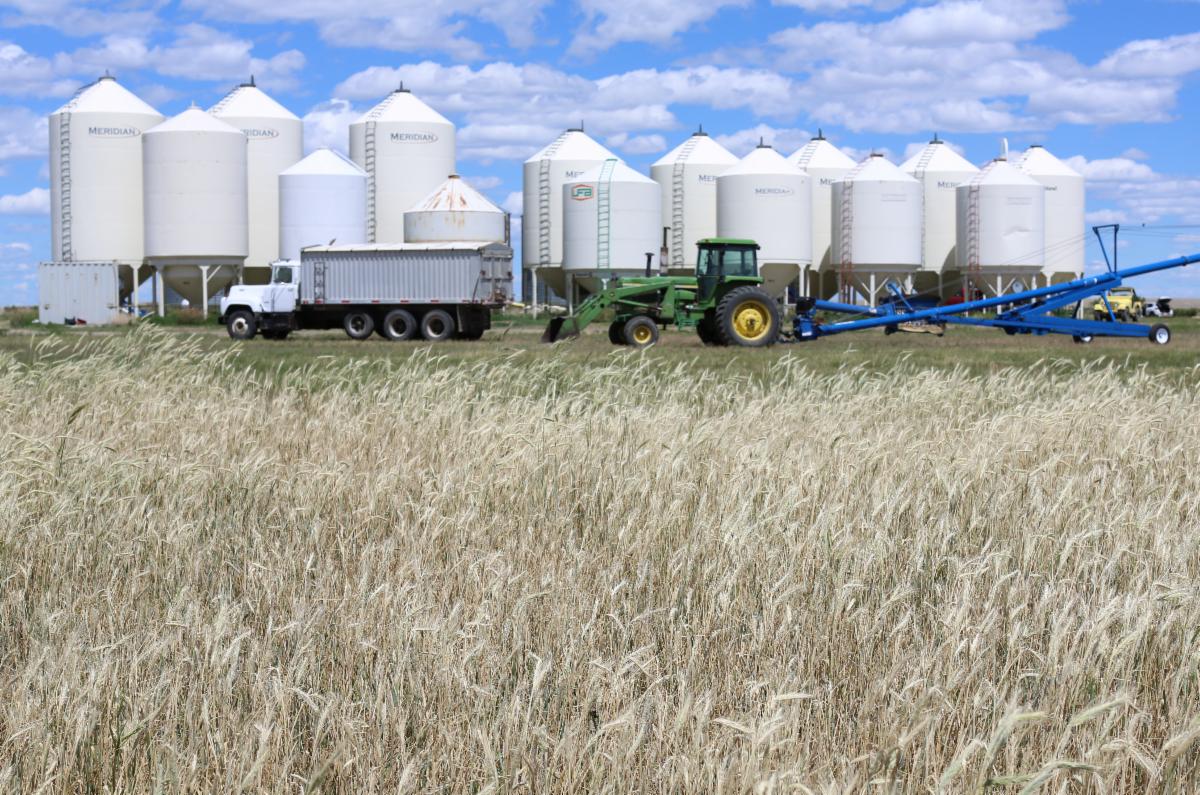
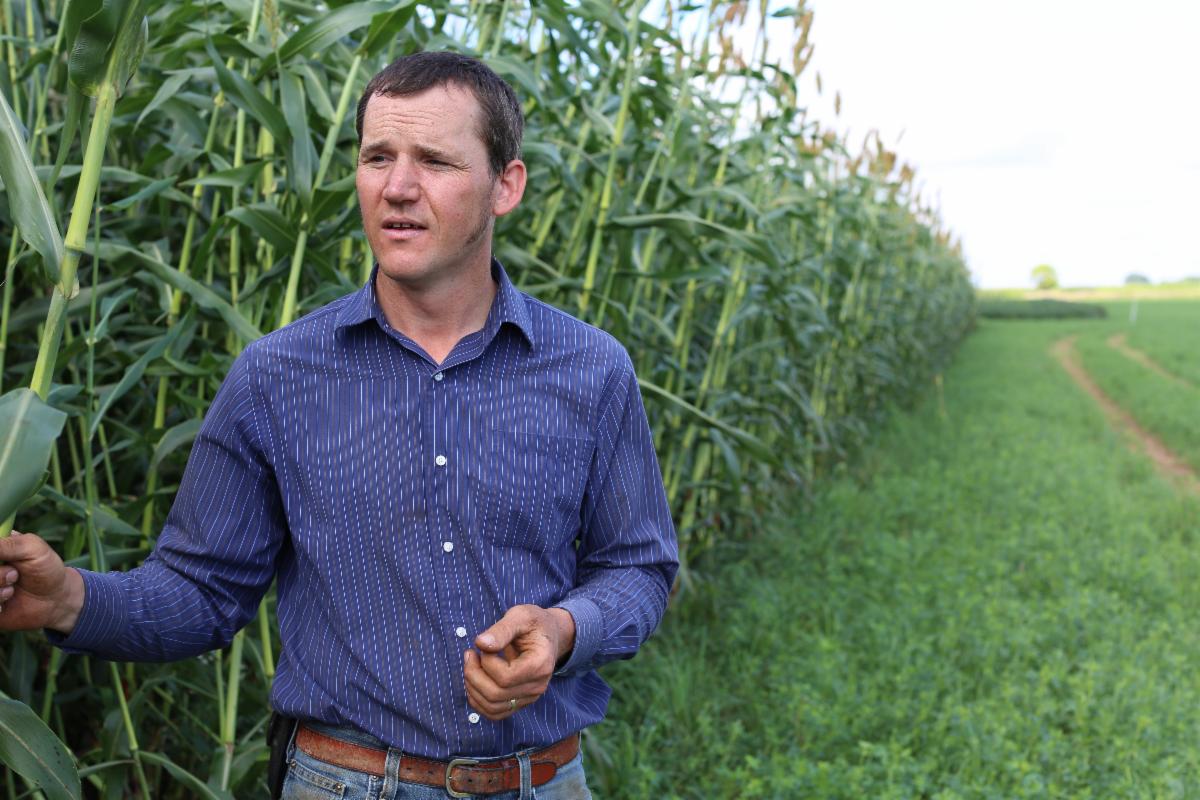
Photos Featuring: Vilicus Farm, Johnson Family Farm and Hoffman Family Farm

RNR Notes are available to accredited investors only. You may only invest after careful consideration of our complete Private Placement Memorandum, verification of your accredited investor status, and the submission of any other information required by Iroquois Valley relating to your proposed investment. No offering of RNR Notes is being made to investors until the Company has complied with the applicable state law. 


Iroquois Valley Farmland REIT, PBC is offering its common stock for sale pursuant to Tier 2 of Regulation A+ and as such intends to be exempted from state qualification pursuant to federal law. No offer to sell securities or solicitation of an offer to buy securities is being made herein or in any state where such offer or sale is not permitted under the blue sky or state securities laws thereof. Offerings are only made through our Offering Circular, available here. Some of the statements herein may constitute forward-looking statements under federal securities laws. Such forward-looking statements are subject to various risks and uncertainties, including those described in the Offering Circular.

THE ORIGINAL ORGANIC FARMLAND REIT 


As a corporate guideline, we do not look for specific farmland to purchase or finance. We develop relationships with farmers who want to grow their businesses. We move forward when we have a ready, willing, and able farmer. 

Linkedin  Instagram  Youtube
Iroquois Valley Farmland REIT | Public Benefit Corporation  
 Certified B Corporation | Est. 2007