|
UNDERSTANDING THE STANDARD AND THE TECHNOLOGY THAT DRIVES IT
The American National Standards Institute (ANSI)/International Safety Equipment Association (ISEA) 105-16 standard addresses the classification and testing for the performance properties of cut resistant gloves and garments. Performance against all forms of cuts, puncture, permeation, abrasion, degradation and other factors are tested against this standard. ANSI/ISEA 105-16 is something most in the industry can recognize, however a large majority of safety experts are not well versed in the science behind the standard testing methods or the scale it produces. The complexities of cut protection and prevention are large and constantly evolving as technology continues to make advances. This article is a great introduction to the topic as you continue your pursuit to comprehensive knowledge in occupational safety.
| |
Technology Comparison - What Was Vs What Is: | |
|
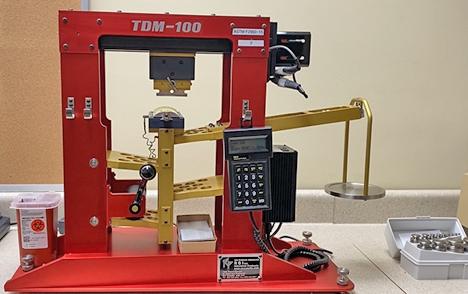
Why did the standard change in 2016? The simple answer: The need for standardized testing and the continuous improvements to cut resistant fiber performance. The current ASTM F2992-15 test method allows for only one type of machine to be used, the TDM-100. Under the previous ANSI standard, ASTM F1790-05, the testing could be performed on either the TDM-100 machine or the CPPT machine. By ensuring uniform testing with one machine, it is easier to compare gram scores for a given material. Also, in order to accommodate for the technological advances in fibers, the old standard levels needed replaced. They were rapidly becoming too broad of a scale.
| |
|
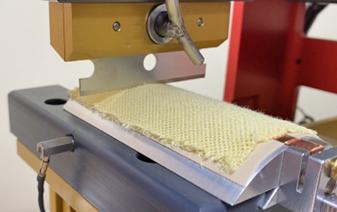
So how does it work? A test sample is mounted on the mandrel and a weight is added. The blade is lowered and begins traveling laterally until it cuts through the sample. The conductive copper strip beneath the sample connects with the blade to stop the test and a recording of the distance in millimeters is scored. The test performs five cuts at three different loads with a new blade for each test. A linear regression analysis is performed to provide a gram score. The gram score is the load required to cut through the sample at twenty millimeters. The gram score then translates to the performance level ranges below. Current ANSI standard features nine cut levels. ANSI cut scores now feature an “A” in front of the score. If the “A” does not precede the score, never assume it was calculated using the current standard.
| |
| A1 | 200-499 | | A2 | 500-999 | | A3 | 1000-1499 | | A4 | 1500-2199 | | A5 | 2200-2999 | | A6 | 3000-3999 | | A7 | 4000-4999 | | A8 | 5000-5999 | | A9 | 6000 | | |
|
Note that this is strictly a guide. The selection process of the proper PPE and required ANSI cut level is best determined by a cut resistance expert, factoring in the specific application and work environment.
Light To Heavy Hazard Guidance:
Light Hazard
| |
|
200 – 499 GRAMS
TYPICAL USES
Light to Medium-duty Assembly, Maintenance & Repair, Material Handling and Warehouse Shipping and Receiving.
| |
|
500 – 999 GRAMS
TYPICAL USES
Light to Medium-duty Assembly, Automotive, Construction, Maintenance & Repair, Material Handling and Metal Handling.
| |
|
1,000 – 1,499 GRAMS
TYPICAL USES
Medium to Heavy-duty Assembly, Automotive, Construction, Maintenance & Repair, Material Handling and Metal Handling.
| |
|
1,500 – 2,199 GRAMS
TYPICAL USES
Heavy-duty Assembly, Automotive, Construction, Glass Fixture Installation, Material Handling and Metal Handling.
| |
|
2,200 – 2,999 GRAMS
TYPICAL USES
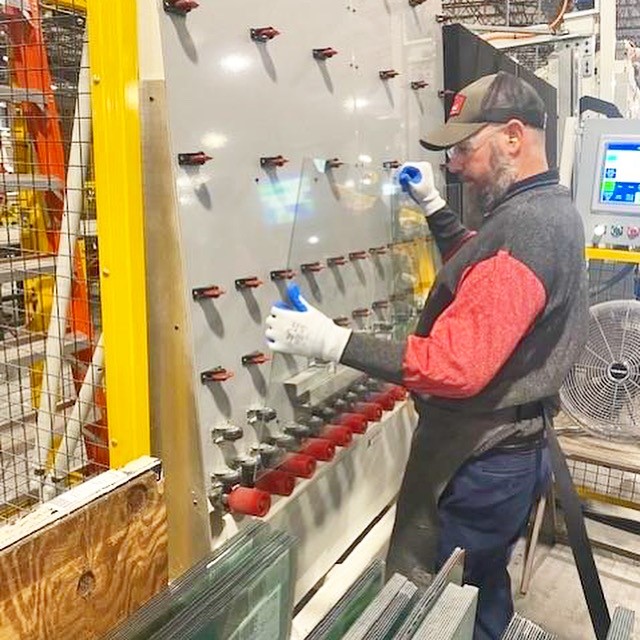
Heavy-duty Assembly, Automotive, Construction, Glass Handling, Material Handling, Metal Handling and Metal Stamping.
| |
|
13,000 – 3,999 GRAMS
TYPICAL USES
Heavy-duty Assembly, Automotive, Construction, Glass Handling, Material Handling, Metal Handling and Metal Stamping
| |
|
4,000 – 4,999 GRAMS
TYPICAL USES
Heavy-duty Assembly, Automotive, Construction, Glass Manufacturing, Metal Handling and Metal Stamping
| |
|
5,000 – 5,999 GRAMS
TYPICAL USES
Heavy-duty Assembly, Automotive, Construction, Glass Manufacturing, Metal Handling and Metal Stamping.
| |
|
6,000+ GRAMS
TYPICAL USES
Heavy-duty Assembly, Automotive, Construction, Glass Manufacturing, Metal Handling and Metal Stamping.
| |
|
This introduction only scratches the surface on the complexities of cut resistance and cut protection. When selecting the correct solution for your workforce, an expert must evaluate your unique environment and application. The PPE's unique strength of the fiber materials, weight and gauge and structure of the knit, presence of dulling materials, lubricity of materials, and coating/treatments applied all influence the cut resistance level and must be considered. Ark Safety prides ourselves in being an industry-leading expert in this hazard. If the ANSI/ISEA 105-16 standard and the application of cut-resistant PPE is something you are interested in learning more about, we can help! We'd be happy to come alongside your safety director for an on-site evaluation and make an expert recommendation. Contact us here to get your evaluation scheduled today!
| |
THE TRUE COST OF NON-COMPLIANCE | | |
WHY YOU SHOULDN'T WAIT UNTIL A VIOLATION OR INCIDENT TO RESPOND. | |
|
We understand. Your budget is spread thin to allocate for staffing, operations and endless other business expenses. Safety goals and projects get put on the back burner for a time where there is more wiggle room in the budget. For most businesses, no incidents or violations have happened so far and you've been flying under OSHA's radar. The problem? Failing to meet OSHA compliance standards is costing organizations astronomical figures every year and the financial impacts only begin with OSHA.
The true cost of non-compliance is not just found in fines, penalties and fees. That is only the tip of the iceberg. To understand the true cost of a non-compliance event you have to consider all of the hidden costs associated beyond the surface including:
- Workers Compensation Costs/Insurance Premiums
- Legal Expenses
- Business Disruption
- Revenue Loss
- Productivity Loss
- Reputation Damage
- Employee Retention
- Cost of Correcting Hazard
You'll find that the cost of proactively investing in compliance is a minimal financial hardship compared to the extensive cost of non-compliance. Most importantly, proactive spending before a violation or incident is crucial to not only protecting your bottom line, but your employees - your most valuable asset.
|  | We recommend working with a safety expert, like Ark Safety, to help you establish, implement and maintain a safety program customized for your exact needs. After a comprehensive safety program is established and your workplace is in complete compliance, the cost of maintaining your program will be minor annual investments any budget can handle. Don't wait to address the hazards in your workplace. Contact us and let us help you make wise and necessary investments in your safety program that will get you into compliance. | |
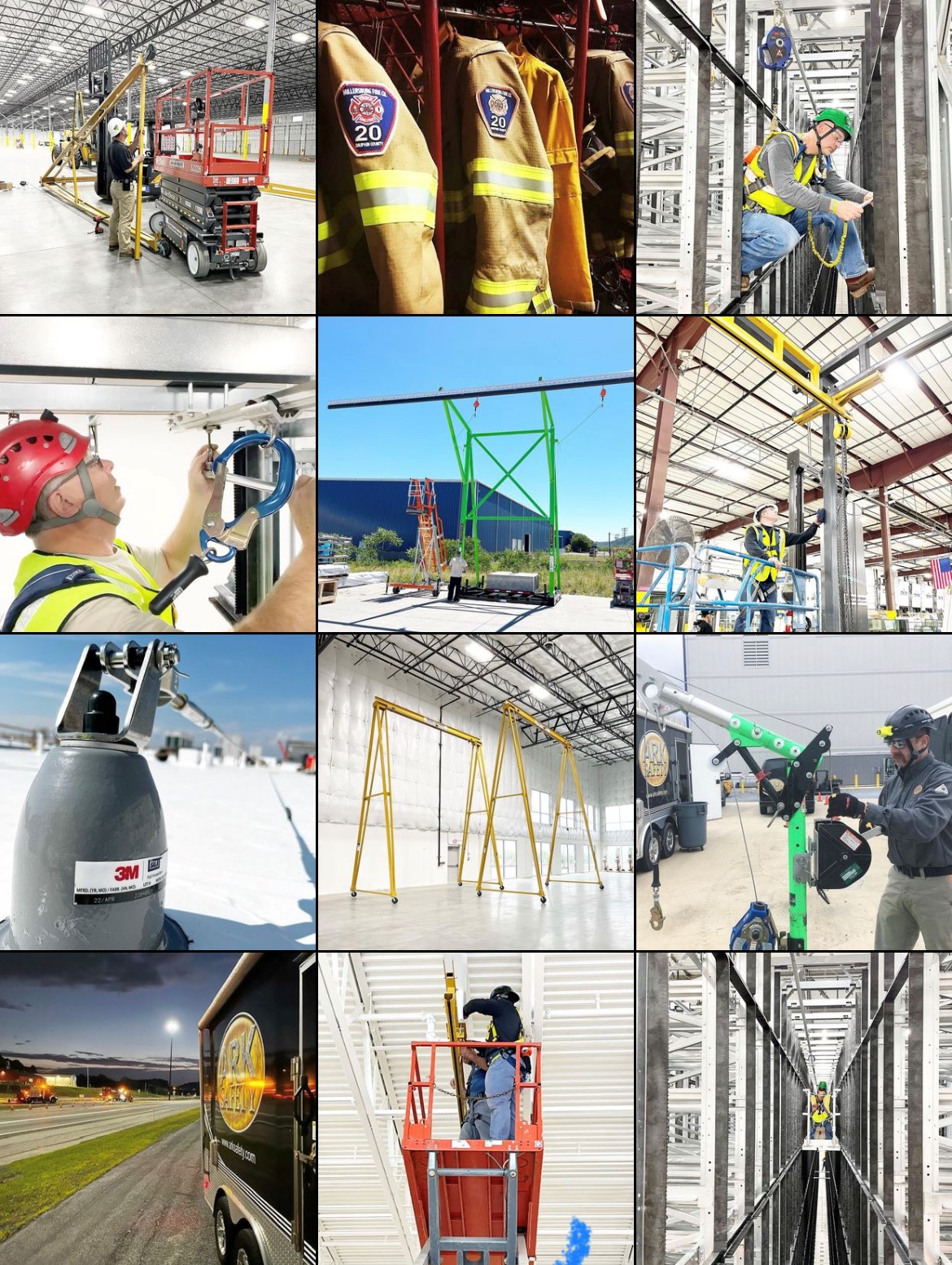
Follow us and join in on the #worksafer movement. You'll get to see our experts at work doing what we're passionate about - making your workplace a safer one. Click on the links in the email footer to get in on the action. Posting about your Ark Safety products and services? Tag us and use the hashtag #worksafer for an opportunity to see your photo in our feed. | | | | | |