|
The clearance requirement of a system is the distance between the work area and the next level or obstruction below. Clearance requirements determine the anchorage height, the type of lifeline and the length required to meet compliance. Our fall protection experts will assist you in calculating this requirement and ensure that all hazards are properly accessed.
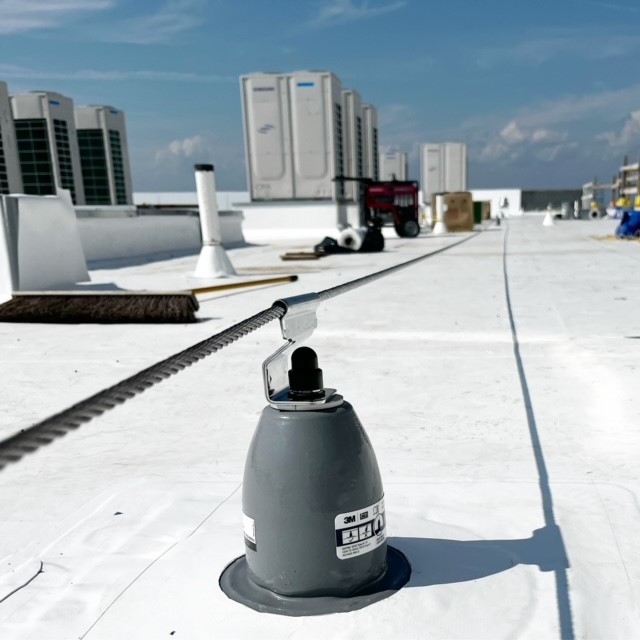
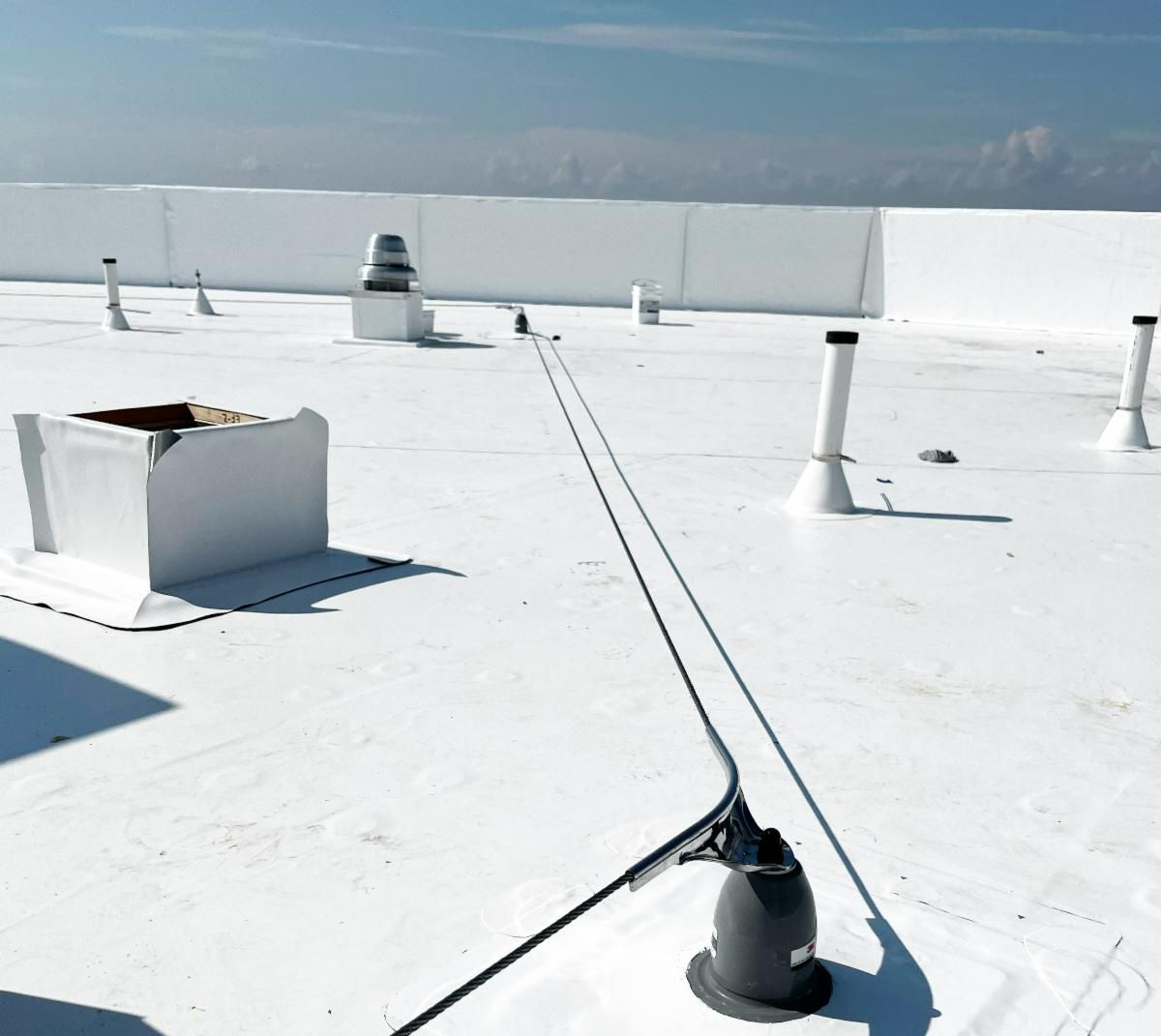
Another factor to consider is whether the needs of the job require that the system be permanent or portable. Temporary projects are most often associated with portable systems that can be easily moved from one location to another. On the contrary, most applications require a permanent solution. The majority of roofs have areas that must be accessed easily and often and in those cases a permanent solution is the best choice.
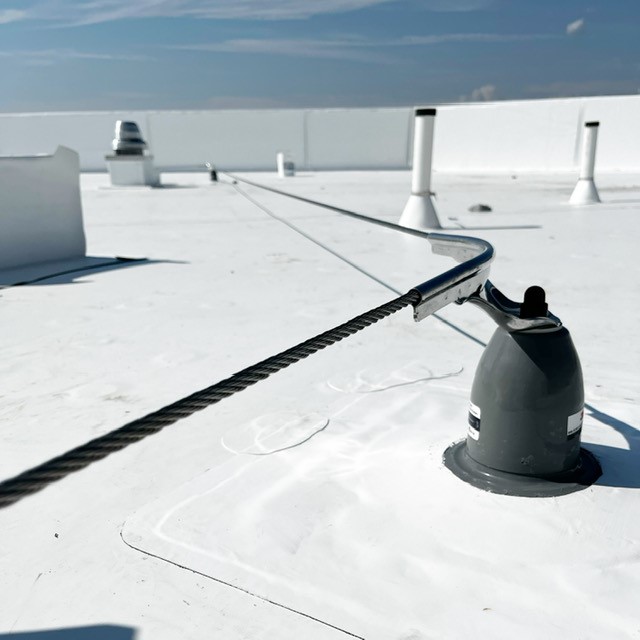
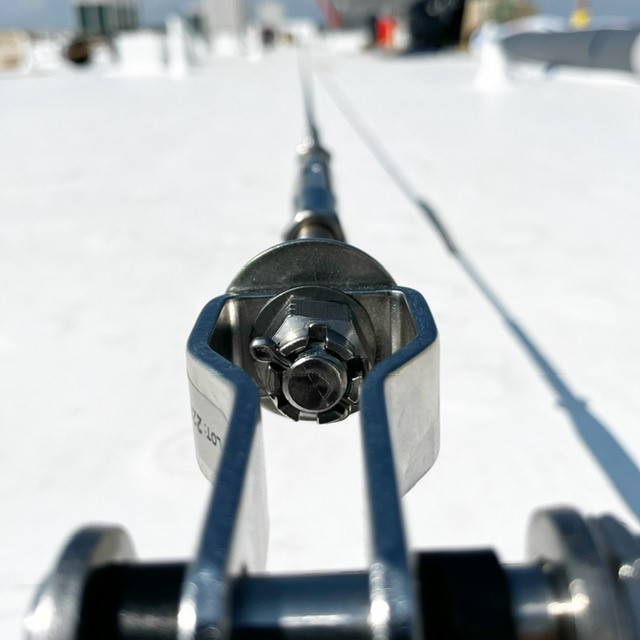
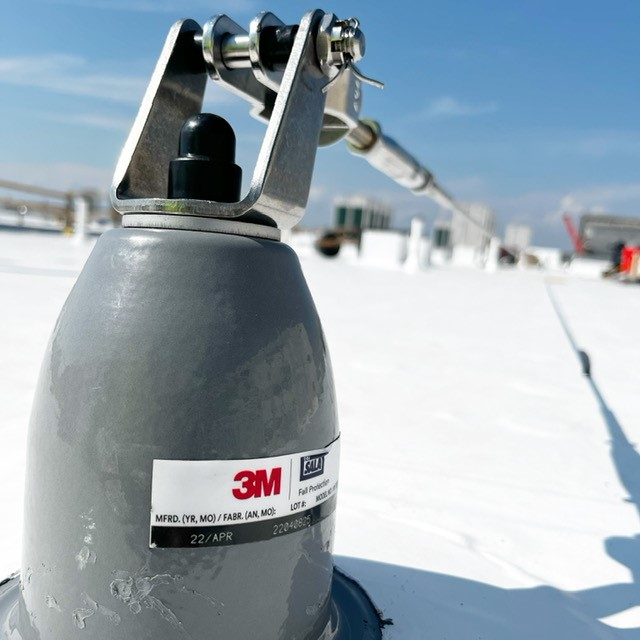
When choosing a lifeline type, it is essential to consider the environment and application of the system. Stainless steel or galvanized lifelines offer resistance against abrasion and corrosion. Synthetic lines, however, benefit by providing a more lightweight solution.
Finally, the number of users a horizontal lifeline system needs must be considered when choosing a system. It is vital to choose a configuration that can accommodate all users safely while still being able to fulfill the workers' job requirements.
Both pre-engineered and completely customizable horizontal lifelines are available. When you work with Ark Safety, you can rest assured that the most optimal selection has been made and that it has been installed properly. No matter what solution is chosen after considering all of the above factors, the goal is the same; 100% continuous fall protection for all workers attached to the system. With every horizontal solution we provide, as with everything we strive toward as a company, keeping your workforce safe is our number one priority.
|