10 Sept 2025

Rocky Times Call For Work Arounds

Shore Station Pops Up on S.F. Sidewalk


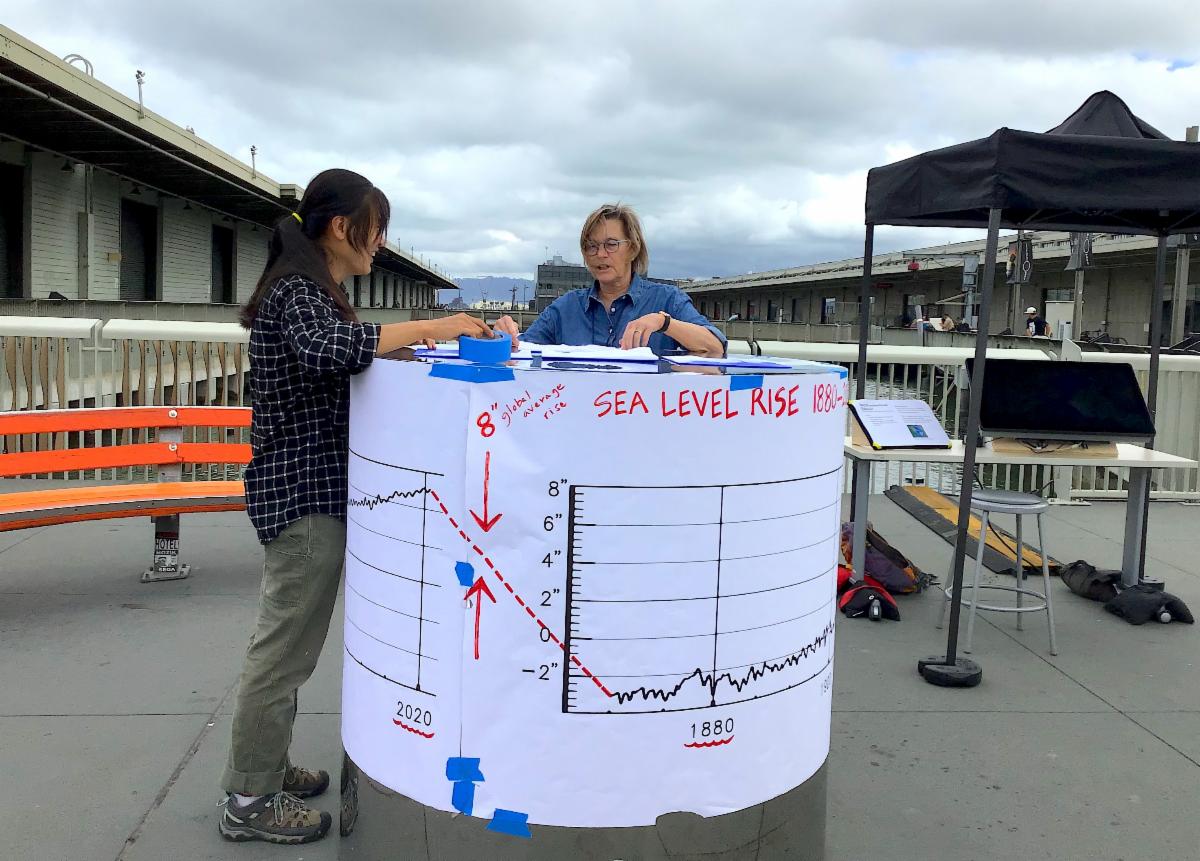
When the Exploratorium moved from the Palace of Fine Arts to Pier 17 in 2013, it gained a gigantic new shed on top of a pier to house its science education exhibits and activities. But in order to keep a parking lot between Piers 15 and 17 built in the 1950s, above which the museum planned to erect a Bay Observatory, local regulators required that it remove an equivalent amount of bay "fill" elsewhere. After seven years of negotiation, BCDC, the Port of San Francisco and the Exploratorium found an innovative way to address what had eventually become an unwieldy permit requirement. In lieu of the requirement, the Exploratorium would use its skill set to educate the public about sea level rise right there on the San Francisco waterfront. "Place-based education is about the local, about where you live. That's where you can most intimately connect to what's happening in a place," says the Exploratorium's Susan Schwartzenberg. And what's happening is the Bay is spreading. Photo: Ariel R Okamoto


Keep Reading

Alameda Chins Up Despite Claw Backs

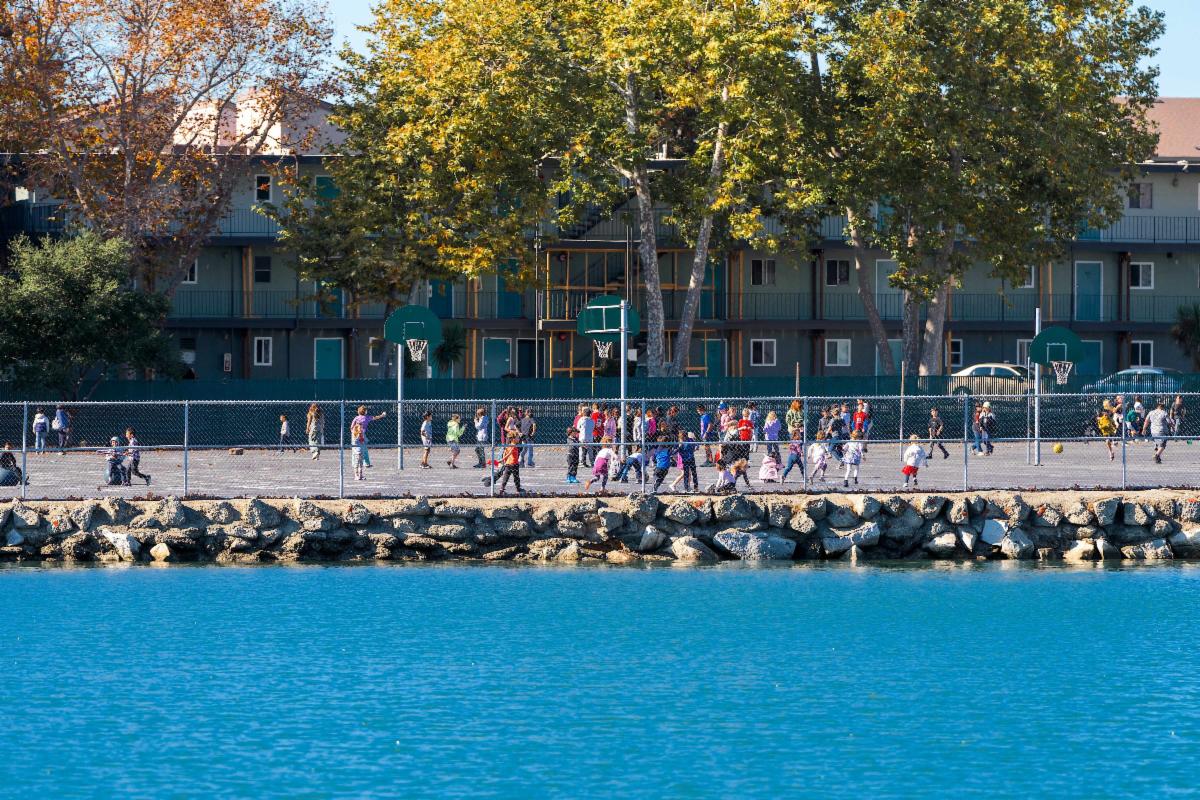
Shortly after the president’s inauguration, the federal government froze the BRIC program and started clawing back billions of dollars in funds previously allocated to climate resilience work across the country. For the 30 partners in a highly collaborative plan to address flood threats around the Alameda-Oakland Estuary, the withdrawal of one such $50 million grant was a big blow. City, county and state grants, plus private donations from philanthropists, will help fill in the gaps but the sheer size of federal grants makes them hard to replace. “It’s a loss of opportunity but we have to find a way to move forward,” says Alameda planner Daniele Mieler, who has been working with partners to keep the project alive and kicking. Photo (elementary school on Alameda shore): Maurice Ramirez


Keep Reading

S C I E N C E

Birds Flock to Burned Oak Savannas


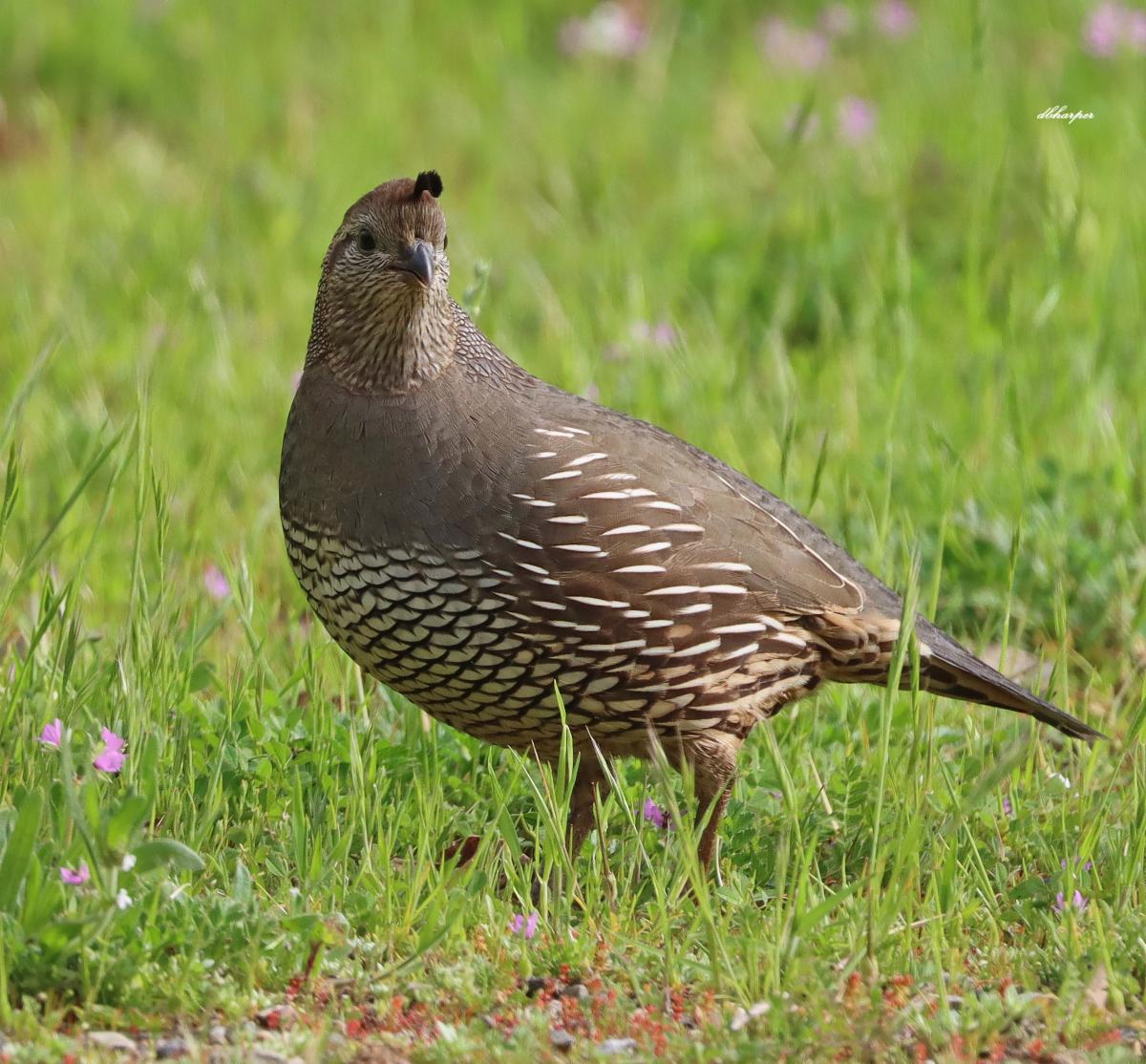
In the rolling hills of Mendocino County, roving bands of California quails scratch the soil looking for edible seeds in the grass under gnarled oak trees. These quails, an official symbol of California, abound in the oak savannas that define much of the state. And a new study has found that these native birds also thrive in the presence of a different part of the state’s ecology: fire. In the years following the 2018 Mendocino Complex Fire, for example, nearly all of the bird species that frequently nest in the region’s oak-dotted hills actually preferred areas that had burned. Photo: Dave Harper


Keep Reading

Nailing Down Opportunities for Nature-Based Infrastructure 


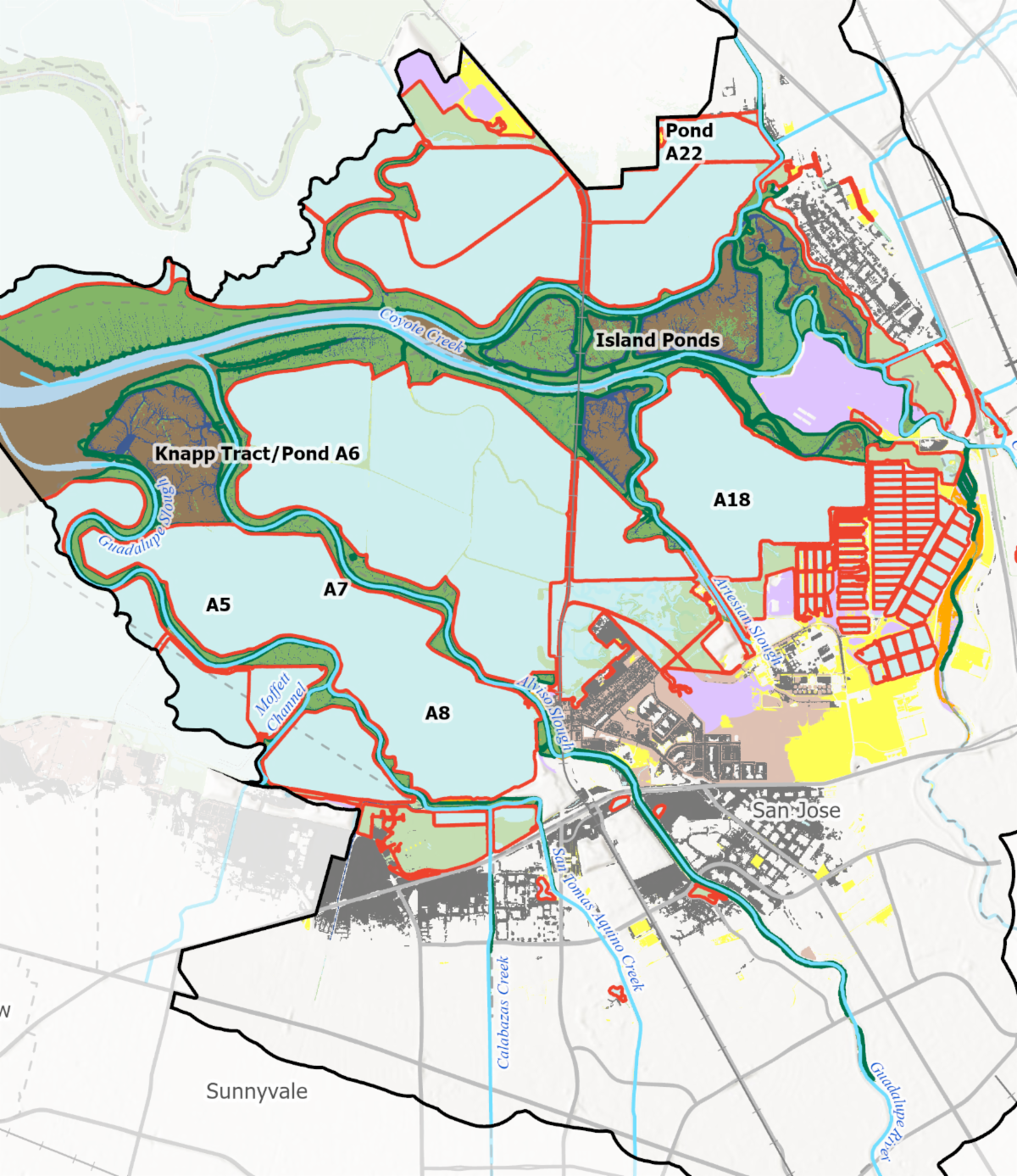
A mapping tool released earlier this year offers a way to see local wetlands in a new light. The San Francisco Baylands Resilience Metrics Mapbook identifies where and how we can place sediment to lift wetlands above rising seas, improve connections between habitats, and take other "nature-based" actions to increase the resilience of these hard-working ecosystems. "We provide the type of data planners need to better understand the potential benefits of doing a specific project in a specific place," says mapbook co-author Ellen Plane. 


Keep Reading

P E O P L E

Group Helps Farmworkers Navigate Ugly Weather and Raids 


Coastal farmworkers in the Bay Area have lost income to climate change and now face ICE raids, but Belinda Hernandez-Arriaga and her nonprofit ALAS are trying to give them resources and cover their basic needs. Photo: ALAS


Keep Reading

INTERVIEW: Teresa Cheng’s Caffeinated Mission to Decarbonize California Manufacturing


Teresa Cheng of Industrious Labs recently hosted a tour of Bellwether Coffee, which makes electric roasting machines for coffee sellers. She spoke to KneeDeep’s reporting partner at the UC Berkeley Climate Equity Project about decarbonization work during the Trump administration and bridging the gap between workers and environmentalists. Photo: Christine Baker/Earthjustice


Keep Reading

Share Your Climate Joy

Enjoy getting KneepDeep FREE in this newsletter and via our website? Share this newsletter with your friends and colleagues. Sign Me Up Link


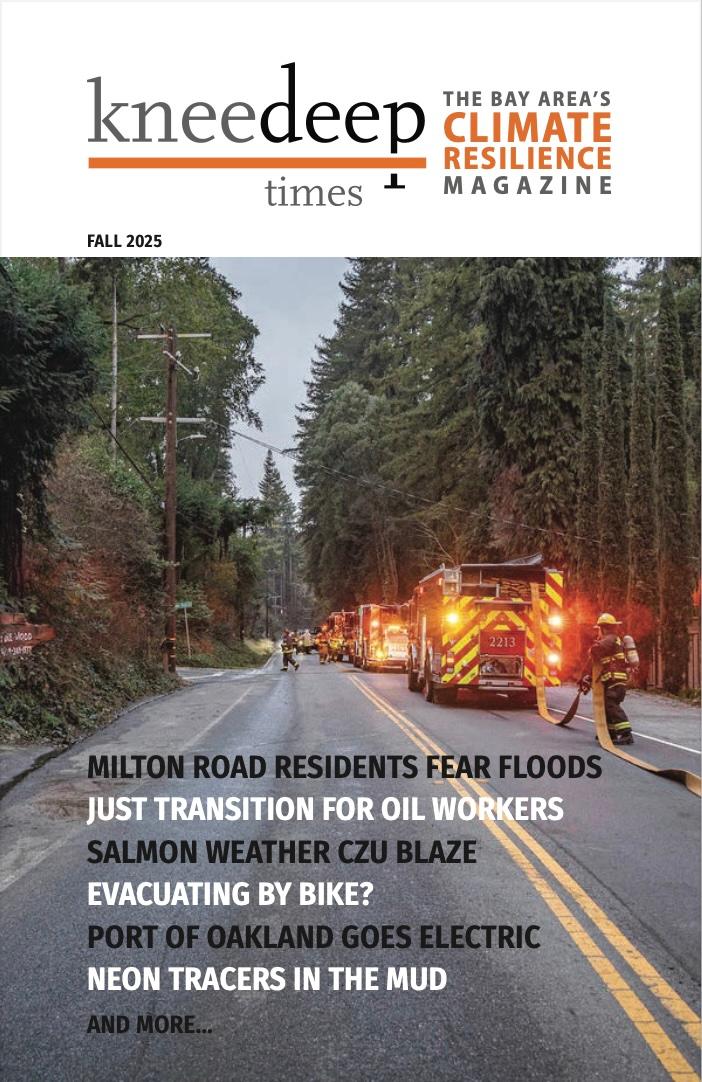
Tired of Screen Scrolling? Receive our paper zine four times a year (fall issue just released!). The fee helps fund all our free online stories. Subscribe Zines.


Know of a community member or group doing good things on the frontlines of resilience? Tell us about it by reaching out to Rose Garrett, our new community editor, at rose@kneedeeptimes.org.


Follow us on your favorite platforms, and share KneeDeep Times with friends!
Facebook  Instagram  LinkedIn

 Bluesky

KneeDeep Times shares stories from the frontlines of climate change resilience and adaptation action.

All stories are available for republication free of charge. See our guidelines.


Views expressed are independent of all funders and collaborators.


Managing Editor: Ariel Rubissow Okamoto

Senior Editor: Cariad Hayes Thronson

Assistant Editor & Metro Reporter: Duncan Agnew

Community Editor: Rose Garrett

Research & Social Media Editor: Isabella Eclipse

Art Director: Afsoon Razavi


Send us your story ideas and subscribe us to your newsletter lists

news-team@kneedeeptimes.org