Click here to view this email as a webpage.

PFAS have been detected in very tiny amounts (parts per trillion) in parts of the Orange County Groundwater Basin managed by the Orange County Water District (OCWD), which provides 85% of the water supply to 2.5 million people. PFAS are a family of chemicals that have been used in a multitude of consumer products. Recent state and federal regulations have placed strict limits on the occurrence of these chemicals in the drinking water supply. OCWD and its local water suppliers continue making significant headway in constructing new treatment facilities to remove PFAS from our groundwater. The estimated cost of addressing PFAS in Orange County over the next 30 years is approximately $1.8 billion. 


65,277,936,824

gallons of water

treated to date


*as of 5/31/25


PFAS IMPACTS IN ORANGE COUNTY

============================================================================================================

100+

wells impacted

49

wells back online

15

impacted retailers

Federal Updates

U.S. EPA Announces Updates to PFAS Regulations


Last year, the U.S. Environmental Protection Agency (EPA) finalized maximum contaminant levels (MCLs) for six PFAS compounds: PFOA, PFAS, PFBS, PFHxS, PFNA, and GenX. These standards were designed to reduce long-term exposure to PFAS in public drinking water systems.


In May of this year, the EPA affirmed it will maintain the 4 parts per trillion (ppt) MCL for PFOA and PFOS, with an extended compliance deadline from 2029 to 2031. The EPA is also developing a federal framework to allow states to request temporary exemptions based on local conditions. In contrast, the EPA plans to rescind its final MCLs for PFBS, PFHxS, PFNA, and GenX. The agency will revisit the scientific and legal process for these chemicals before issuing a proposed drinking water regulation in Fall 2025 and a final regulation in Spring 2026.


For water agencies, these changes provide more time to plan and implement PFAS treatment strategies, while still supporting the goal of protecting public health through science-based regulation.

PFAS Policy Briefing Highlights Utilities’ Role and the Urgent Need for Liability Protections

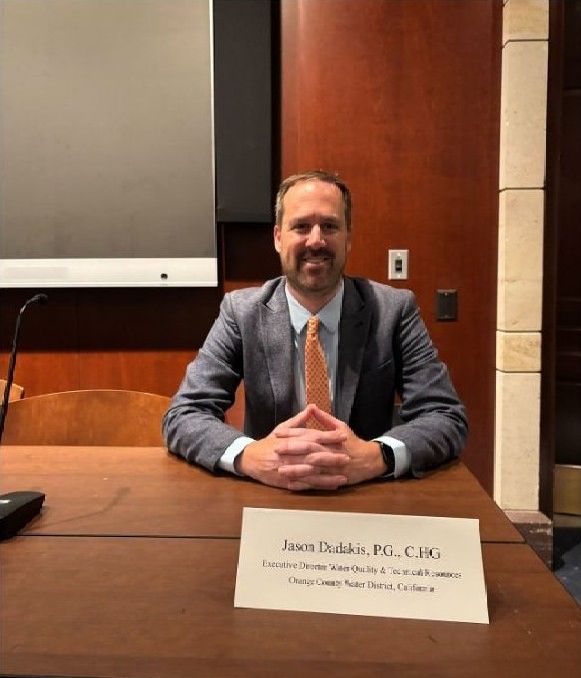
On June 18, a coalition of national water sector organizations, including the Association of Municipal Water Agencies (AMWA), convened a congressional briefing in Washington, D.C. focused on the growing challenges utilities face in addressing PFAS contamination. The event drew attention to how federal policies are shaping the responsibilities and liabilities of essential public service providers.


The panel featured experts from across the water, wastewater, solid waste, and local government sectors, and included Jason Dadakis, executive director of water quality and technical resources for OCWD. Jason’s testimony echoed concerns shared across the utility community: Congress must enact liability safeguards so the financial burden addressing PFAS rests with polluters; not with the communities tasked with cleaning it up.


AMWA members concerned about PFAS liability issues are invited to visit their Legislative Action Center for resources (login required).

State Updates

State Board Revises Notification Levels and Response Levels


The State Water Resources Control Board (SWRCB) is proposing revised notification and response levels for a variety of PFAS. The levels are based on recommendations from the Office of Environmental Health and Hazard Assessment (OEAHHA). Revised levels are shown in the table below. The SWRCB will share this information at their August 6 meeting. Additional information is available on their website.


Notification Level

Response Level

PFOA

4ppt


PFOS

4 ppt


PFHxS


10 ppt

PFHxA

1 ppb

10 ppb

Local Updates

Fullerton PFAS Project Breaks Ground


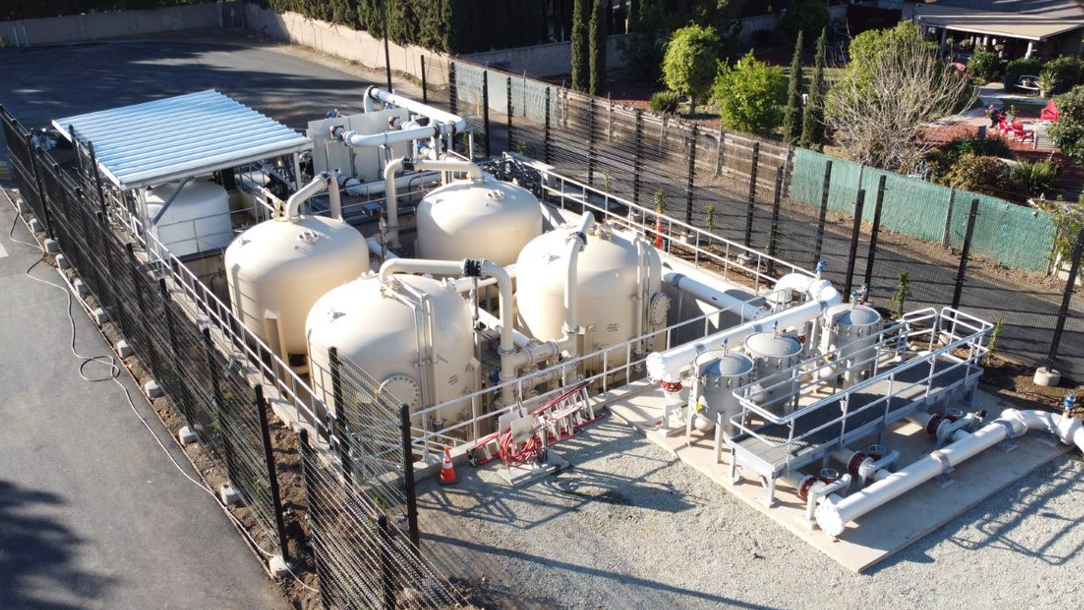
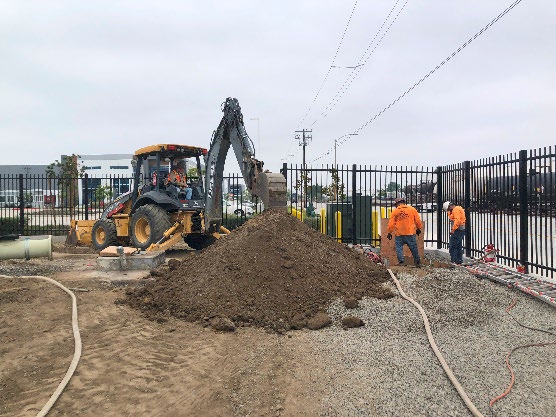
The City of Fullerton’s Kimberly Well 2 PFAS Treatment Project broke ground on June 9. The project, located on Kimberly Ave. near State College Blvd., will upgrade an existing drinking water well and build a new treatment system to treat up to 4,500 gallons per minute. Construction is anticipated to be complete in Winter 2026.

PFAS Takes Center Stage at Upcoming OC Water Summit


The annual OC Water Summit, which takes place September 5 at the Westin South Coast Plaza will feature an opening panel titled “Responding to PFAS – Balancing Protection, Policy, and Practicality”. The panel will examine the direction the federal administration is taking on PFAS, how science and policy are shaping regulations, and whether we are regulating these compounds in the most effective way. Panelists will explore the practical challenges water agencies face and consider strategies to protect public health without placing disproportionate financial burdens on local utilities and their ratepayers. 


Speakers include: Eric Sapirstein, president, ENS Resources; Sally Brown, PhD, research associate professor, University of Washington; G. Tracy Mehan, III, executive director, government affairs, American Water Works Association; and Jimmy Slaughter, principal, Beveridge & Diamond PC.


Tickets and additional information are available at www.ocwatersummit.com.

Tustin Treatment Plant Begins Operation


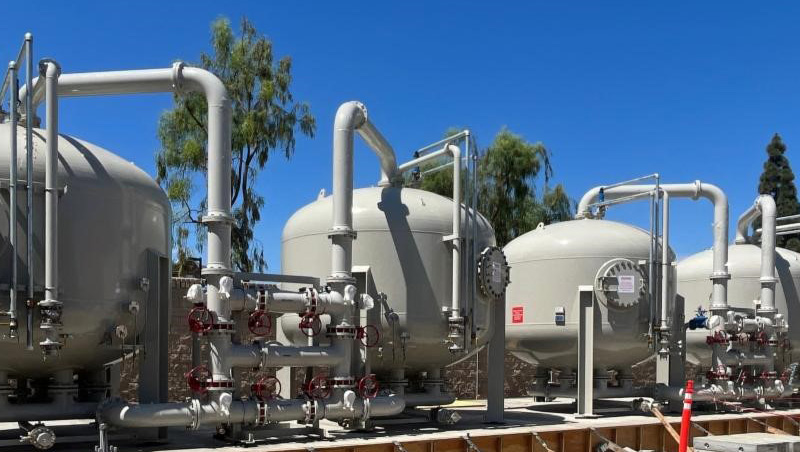
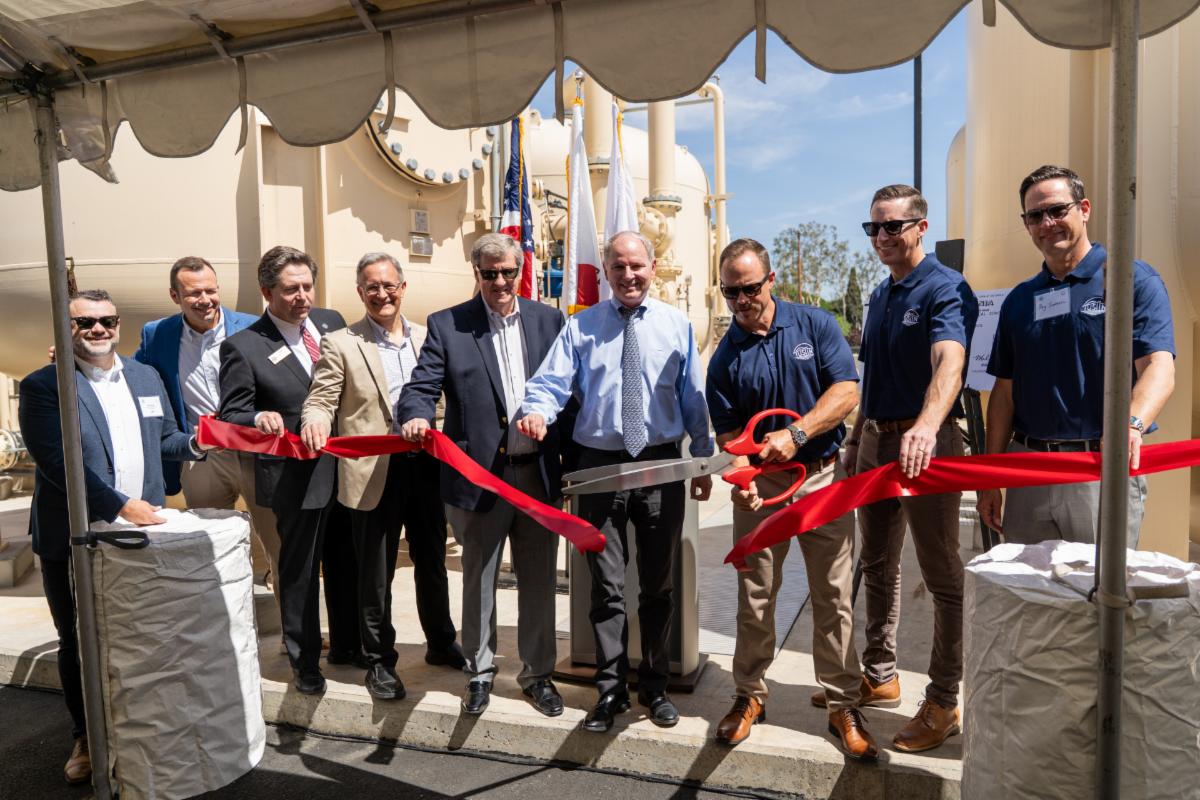
The Orange County Water District and City of Tustin dedicated the city's new PFAS Water Treatment Plant on May 22 alongside local, state and federal representatives. The system, implemented at the existing Main Street Water Treatment Plant, uses ion exchange technology to treat up to 6,400 gallons of groundwater per minute. The centralized plant is fed by four offsite wells connected through approximately 2.5 miles of conveyance pipeline. The project was partially funded by a $10 million grant from the State Water Resources Control Board and a $5 million Community Grant from the U.S. Environmental Protection Agency. OCWD worked with the City of Tustin to secure funding.

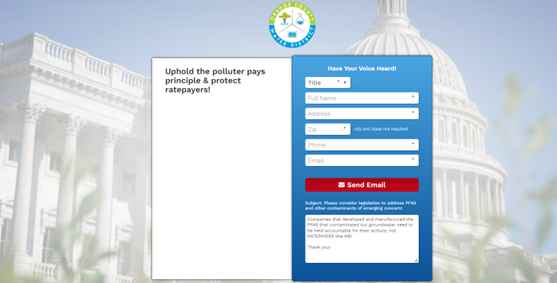
Make Your Voice Heard!

Orange County Water District has created a platform – through its PFAS Education Center to help you take action in reaching out to the Orange County federal legislators about the importance of upholding the polluter pays principle and protecting ratepayers from the costs of treating PFAS in our water supplies. You can quickly and easily fill out this form to make your voice heard.

In the News

PFAS are not exclusive to Orange County or even California. States across the country are in the midst of tackling PFAS in consumer products, groundwater supplies and other forms of contact. Here's what's happening around the country:


Resources

The Orange County Water District (OCWD; the District) supplies clean, reliable drinking water to 2.5 million people every day. OCWD and the local water suppliers in its service area are committed to operating in compliance with all state and federal guidelines and regulatory requirements. 


For more information about PFAS, please visit OCWD's PFAS Education Center.