|
QUEENS IN MOTION:
A MONTH OF ADVOCACY
| |
Each year, as city and state leaders shape their budgets, critical decisions are made about the resources our communities rely on, from youth programs and workforce development to services for older adults. In March, Queens Community House (QCH) showed up at every level of that process. From City Hall to Albany, our staff, participants, and community members raised their voices to advocate for the funding and support our neighborhoods deserve. Across generations and programs, one message was clear: our communities must be seen, heard, and invested in. | |
| STANDING WITH OUR STUDENTS | |
|
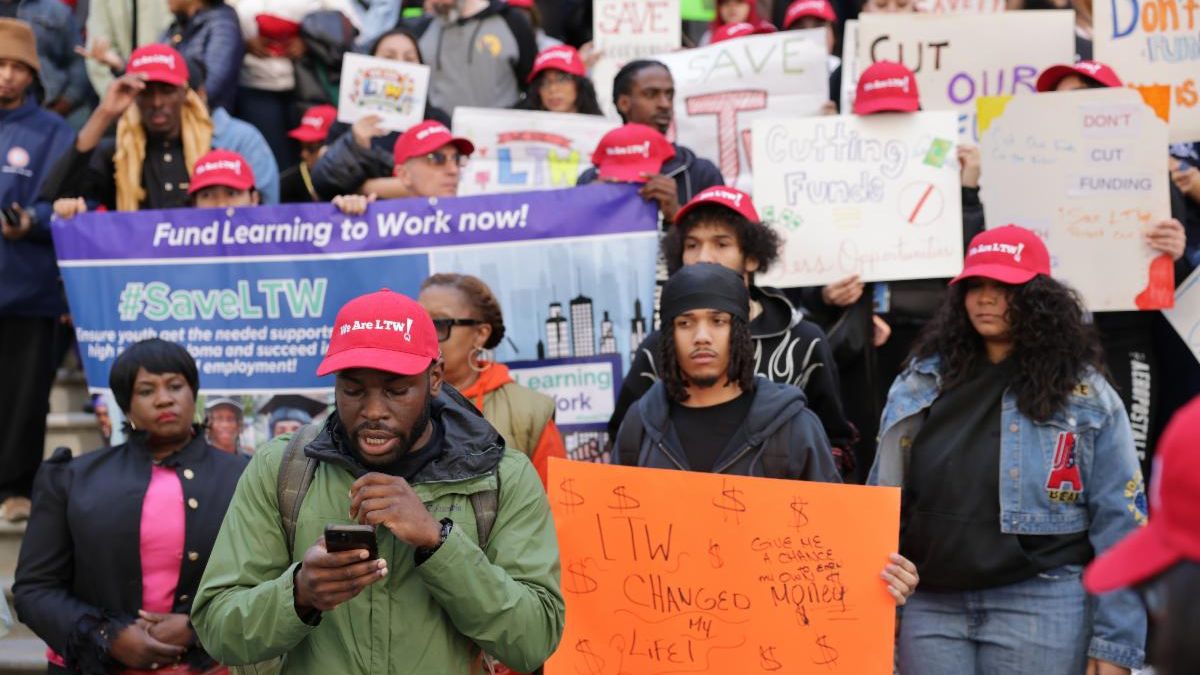
On March 26, QCH staff and alumni from our Learning To Work (LTW) high school sites rallied on the steps of the Tweed Courthouse outside City Hall, calling on the Mayor and City Council to baseline funding for LTW in the City’s Executive Budget.
We are urging city leaders to restore and baseline $31 million for LTW by the FY2027 Executive Budget, ensuring that schools and community-based organizations can plan ahead and continue supporting students without uncertainty.
At the rally, young people took the podium to share how LTW has shaped their lives. Alumni from QCH sites joined students from partner organizations—including Good Shepherd Services and CAMBA—to speak to the program’s lasting impact.
Jaffari William Fox, a graduate of Voyages Prep – South Queens, shared:
"Before I joined the program, I was heading down the wrong path… This program gave me structure, purpose, access to opportunity, to mentorship, and to a vision of what my life could actually look like."
QCH operates five LTW high schools. These programs provide academic and emotional support, career and college readiness, and paid internships—helping students earn income, gain experience, and build a path forward.
| |
|
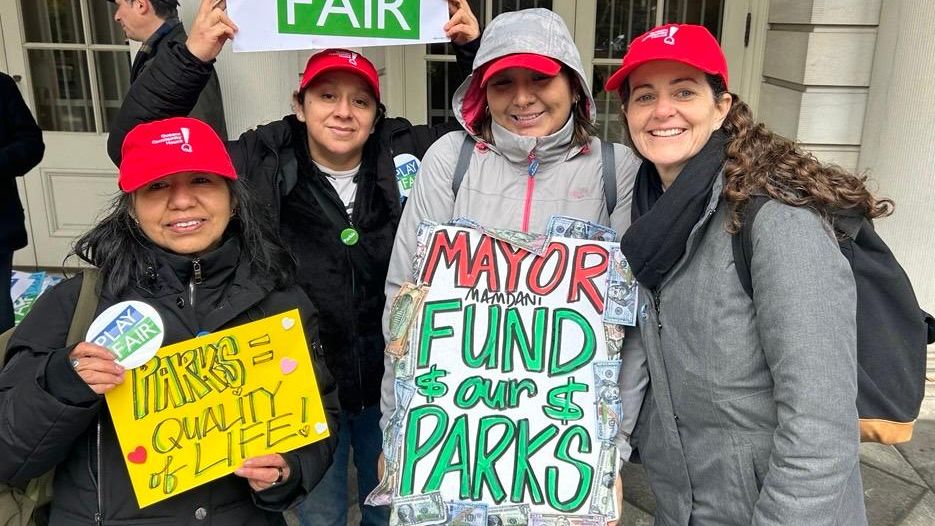
On March 23, QCH joined hundreds of advocates and community partners at a Play Fair Coalition rally ahead of the New York City Council’s Preliminary Budget Hearing on NYC Parks—calling on the City to allocate 1% of its budget to parks.
At the hearing, Alma Reyes, QCH Community Organizer, delivered testimony highlighting the essential role parks play in public health, equity, and community life—particularly for residents surrounding Flushing Meadows Corona Park.
“For countless Queens residents, the park is where children play, elders stay active, vendors earn a living, and communities gather,” Reyes said. “When a park of this scale is underfunded, the message is clear: our communities are not prioritized.”
Click here to see Alma's testimony.
Through our Neighbors in Action initiative, QCH has mobilized volunteers to lead monthly cleanups and gather feedback from park users—identifying urgent needs like improved maintenance, expanded restroom access, and long-term investments in climate resilience.
While community efforts are vital, they cannot replace sustained public investment.
QCH remains committed to working with partners to ensure New York City’s parks receive the funding they need to serve all communities equitably.
| |
| OLDER ADULTS JOIN BOROUGH-WIDE CALL FOR AGING SERVICES FUNDING | |
|
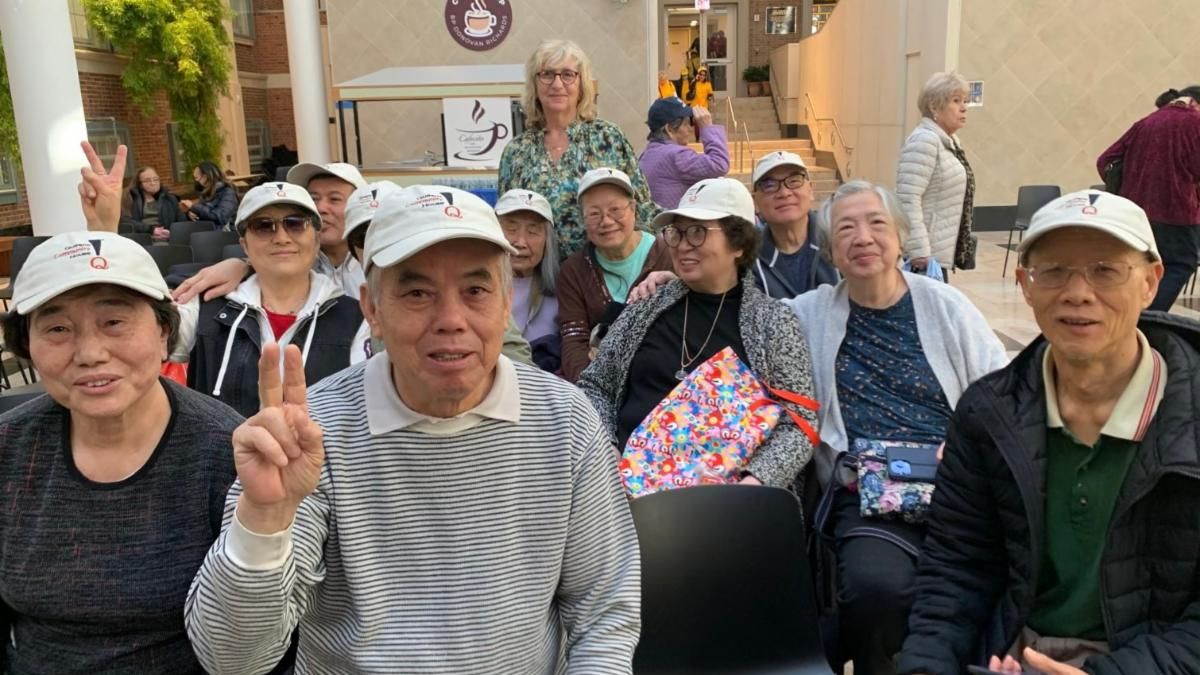
On March 10, older adults from QCH’s network of Older Adult Centers joined advocates, providers, and community leaders at the 3rd Annual Queens Aging Advocacy Day at Queens Borough Hall.
Hosted by Donovan Richards and organized by LiveOn NY, the event brought together older New Yorkers from across the borough to call for increased investment in services that support healthy, independent aging.
QCH participants stood alongside fellow advocates to urge city leaders to ensure older adults receive the funding needed for essential programs that keep them active, connected, and supported in their communities.
QCH operates six Older Adult Centers across Queens, offering welcoming, culturally rich spaces where older adults can build community, access nutritious meals, stay physically active, and explore new interests. From fitness classes and health workshops to arts, language learning, and volunteer opportunities, these centers provide critical resources that support overall well-being.
By participating in Advocacy Day, QCH older adults helped amplify a borough-wide call: that New York City must continue investing in the programs and services that allow residents to age with dignity, independence, and connection.
| |
| |
ADVOCATING FOR OPPORTUNITY:
YOUTHBUILD IN ALBANY
| |
|
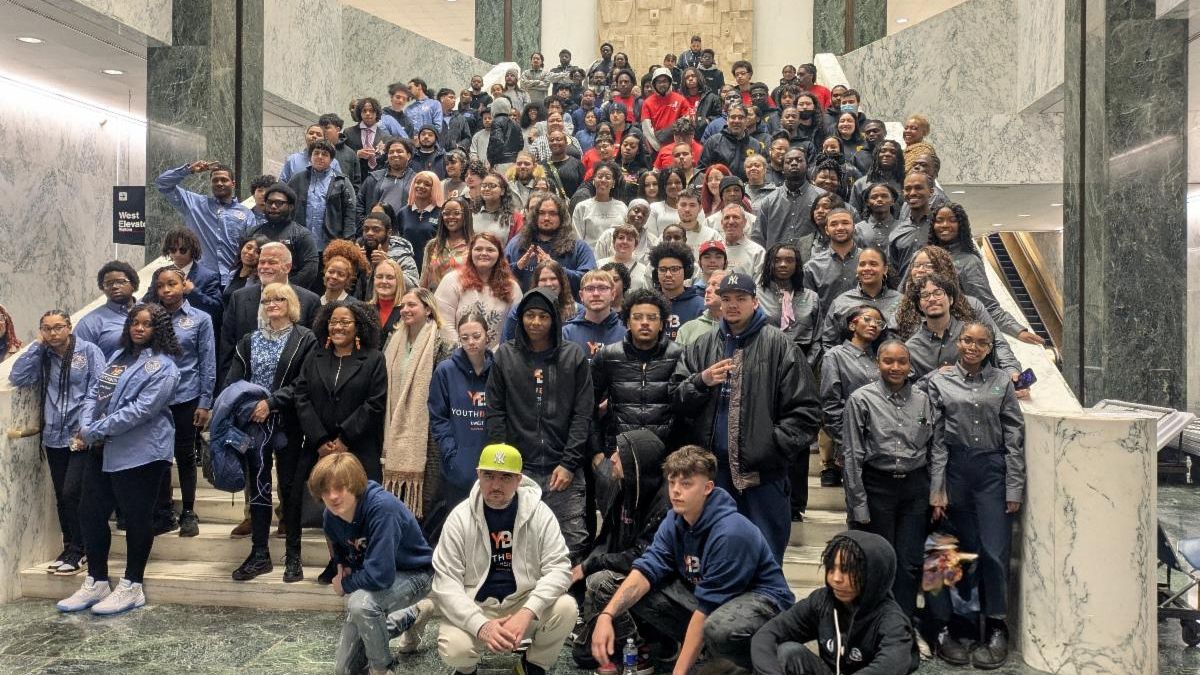
On March 24, QCH's YouthBuild participants traveled to Albany for YouthBuild Advocacy Day, joining programs from across New York State to call for continued investment in workforce development.
Participants met with Assemblymember Larinda Hooks, who recognized the program before the Legislative Chamber and voiced her support, and with the office of Assemblymember Sam Berger, which reaffirmed its commitment to YouthBuild and the communities it serves.
Our YouthBuild program supports young adults ages 18–24 in earning their High School Equivalency diploma while training for careers in the skilled trades, including industry-recognized certifications.
By advocating directly with state leaders, QCH participants helped underscore the importance of investing in programs that create pathways to education, employment, and long-term stability.
| |
| |
MEET YOUR NEIGHBOR:
REVEREND PATRICK O'CONNOR
| |
| |
Throughout its history, QCH has been deeply engaged in advancing community-driven change across the borough, from immigrant rights and financial justice to expanding access to parks and open space. That commitment continues today through its work in coalitions that extend the reach of its mission and deepen its impact.
In 2019, QCH joined Metro IAF and more than 40 Queens-based institutions, nonprofits, and congregations to help found Queens Power, bringing together residents and organizations committed to building a better borough. Through this partnership, QCH has helped lead advocacy efforts on issues like affordable housing, including the Public Land for Public Good campaign at the Creedmoor site in Southeast Queens.
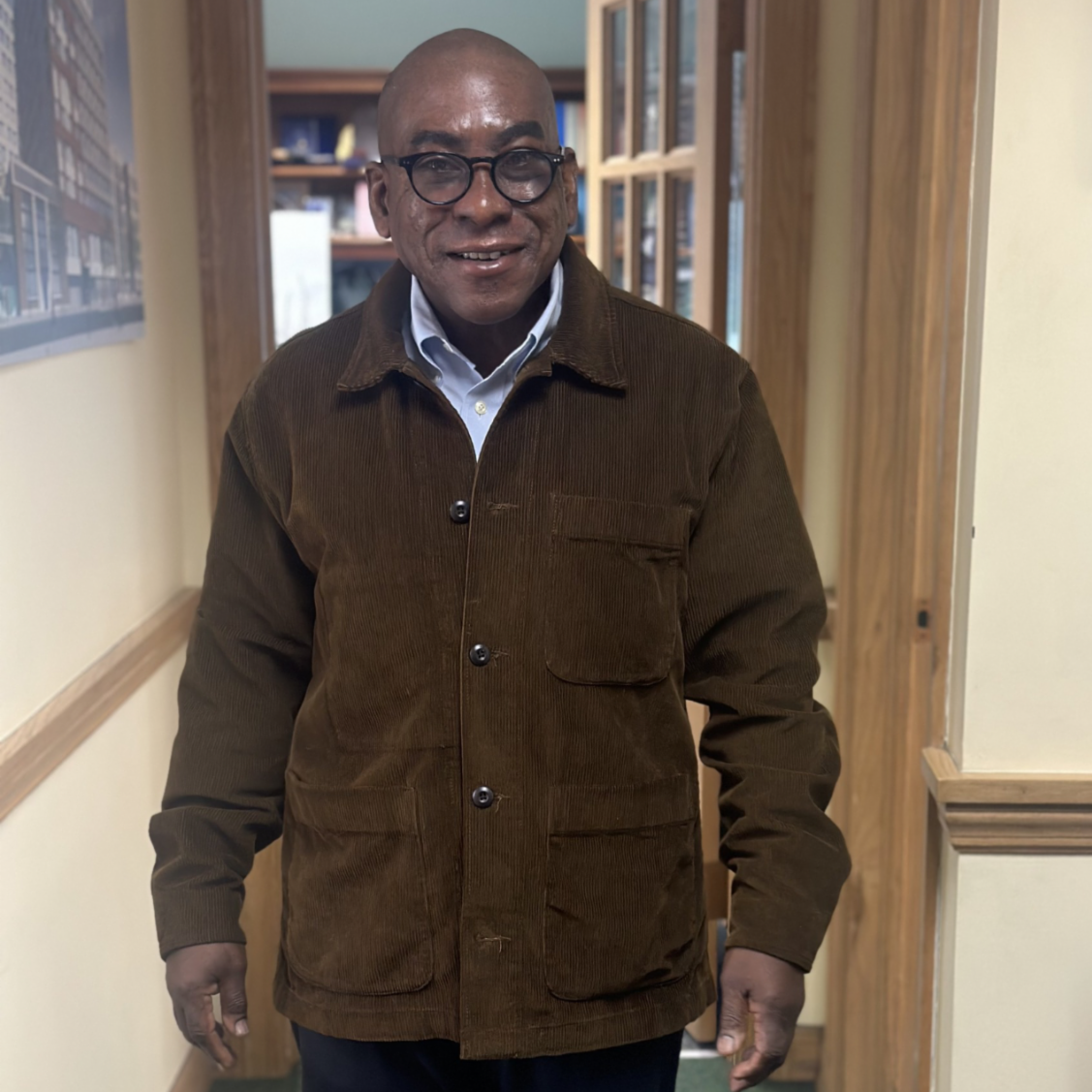
Reverend Patrick O’Connor, Co-Chair of Queens Power, offers a powerful perspective on this work and the role QCH continues to play in shaping a stronger, more equitable Queens.
"I grew up on the island of Jamaica and was a pastor there for some years before coming to Queens in 1992 to serve at First Presbyterian Church in Jamaica, coincidentally a different Jamaica altogether. From early on, I’ve believed that relationships are key to achieving anything meaningful. When you bring people together around what they care about, what they’re struggling with, and what they want to change, you can begin to build real power.
That belief led to the creation of Queens Power. After earlier organizing efforts in Queens faded, we saw an opportunity to rebuild something stronger and broader, bringing together faith institutions, nonprofits, unions, schools, and community groups. Queens Power is rooted in the idea that change should come from the bottom up, with everyday people shaping solutions and holding government and the market accountable.
QCH has been an essential partner in this work. They show up not just in numbers, but in leadership. Their members see themselves as changemakers, whether advocating for affordable housing, organizing around the Queens bus redesign, or turning out hundreds of leaders for public actions. QCH sets a standard for what true community engagement looks like.
Affordable housing remains one of the biggest challenges in Queens, with too many families pushed out or stretched beyond what they can afford. Organizing helps us push for solutions grounded in people’s real experiences.
What gives me hope is what happens when people come together with purpose. When you see all the QCH red hats at the community action, you know you’re looking at a group that is organized, thoughtful, and unafraid to push for change.
Together, through Queens Power and partners like QCH, we are proving that the voices and ideas of local residents matter, and that we can build a stronger, more just Queens."
—Reverend Patrick O'Connor
| |
| Queens Community House provides individuals and families with the tools to enrich their lives and build healthy, inclusive communities. | | | | |