RAISE The Standard, August 2026, v.12 n.8 | |
Grief and Loss
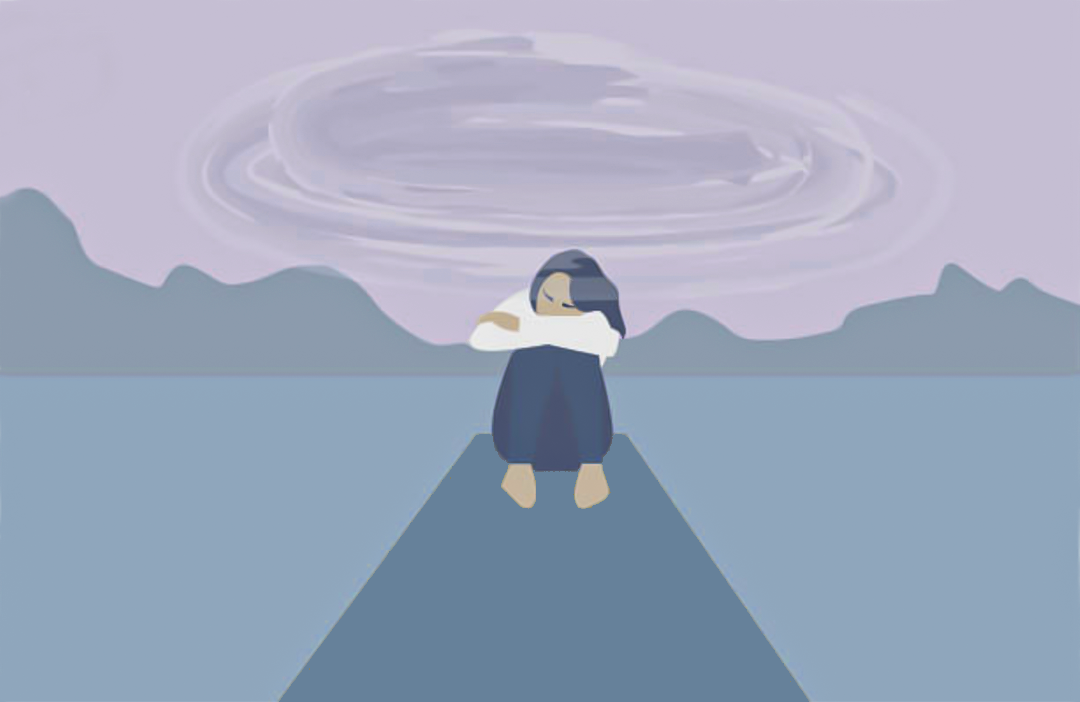
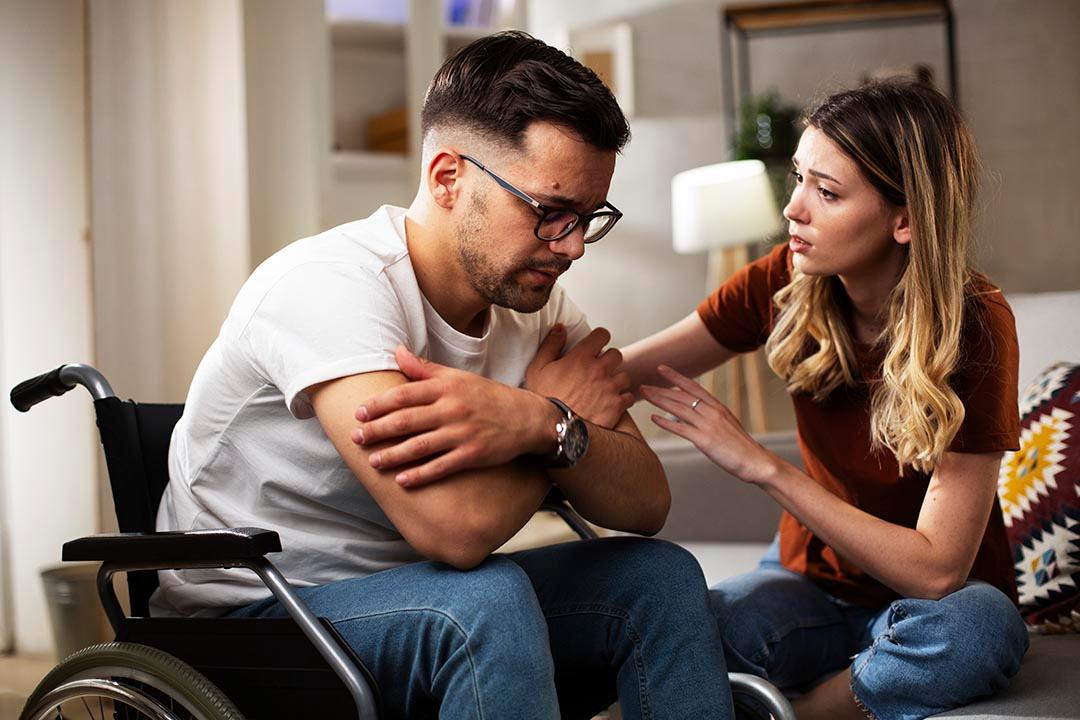
Grief is complicated. It can be triggered by losing a family member, friend, or a pet. It can also be triggered by life transitions, or by changes to our health or identities. Grief and loss can be especially difficult for young people with disabilities, especially if they have trouble understanding or expressing their feelings.
Grief affects the entire body, from our emptions to our immune system, sleep, heart symptoms, and digestive disruption.
Some people may show their grief through changes in behavior instead of words. They may be angry or irritable, appear ‘numb,’ or may laugh at times that seem in appropriate They may need extra time, clear explanations, and support from trusted adults to cope with their loss. Grief and loss are best handled with patience, understanding, and reaching out to loved ones for support.
In this issue of RAISE The Standard, we will explore how young people with disabilities can learn healthy ways to express their emotions and begin to heal.
| |
Discussing Changes, Grief, and Loss
Liz Weintraub and Shawn Aleong talk about their experiences losing family members, their journeys through grief, and how they cope as they live life without their loved ones.
“I am going to be okay because even though she’s not here, I still remember all the stuff that she taught me.”
- Shawn Aleong
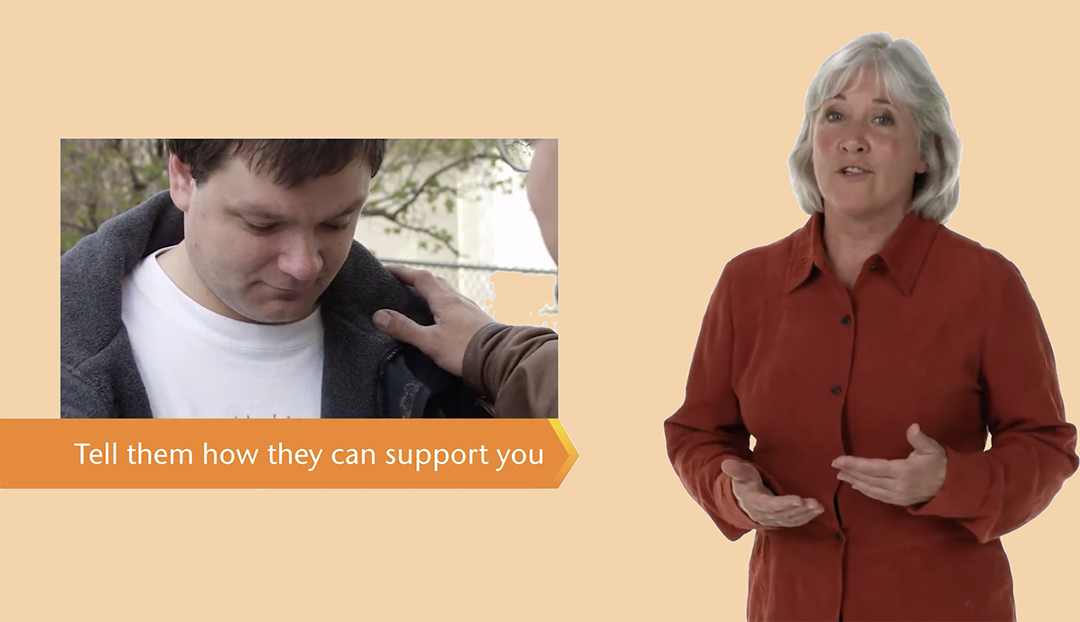
In addition to Liz’s and Shawn’s personal experiences, this video by The Arc of the United States details coping strategies for dealing with loss, and specific things you could ask of the people who support you.
Access Liz’s and Shawn’s stories here.
| | |
Embracing Different Paths Through Grief
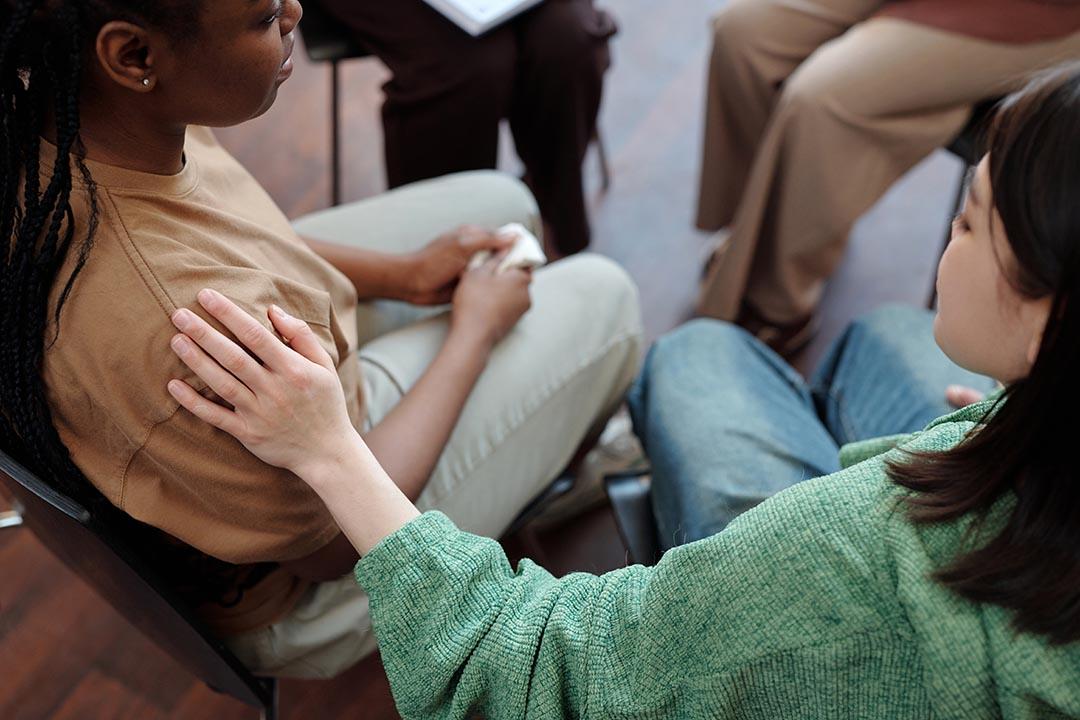
Grief is different for everyone, and neurodivergent people may experience and express it in unique ways. After a loss, changes in routine, emotions, or daily life can feel especially overwhelming. Keeping familiar routines, using visual schedules or sensory supports, and taking breaks when needed can help. It is also important to ask for support from trusted people and communicate in ways that feel comfortable. Caregivers can help by being patient, explaining changes clearly, respecting different ways of grieving, and creating a safe, supportive environment where young people feel understood.
Click here to understand more about supporting yourself or others with neurodivergences.
| |
Navigating the Loss of Routine
The teen years inherently involves loss of routine. Whether a young adult is leaving school, moving away from home, or starting a new job, these changes can bring feelings of grief. For young adults with disabilities, the loss of familiar routines, environments, and support systems may be especially difficult. Predictable routines often provide a sense of safety, stability, and independence. As a caregiver, you can help by preparing for changes in advance, maintaining familiar routines when possible, and introducing new routines gradually. Your patience, encouragement, and consistent support can help young adults adjust to change while building confidence in this new stage of life.
Click here to learn how to support someone through navigating transition.
| | |
Grief at Work: What to Do When You Need Understanding, Flexibility, and Support
Going to work while you’re grieving can be overwhelming or impossible. Grief can trigger depression and anxiety, impact cognitive function, and decrease your energy levels. Knowing your rights when it comes to bereavement leave and understanding what workplace accommodations are available can make going back to work more manageable. This article goes through the laws that protect you while you’re grieving, as well as common accommodations that you can ask for.
Click here to access the article.
| | There are eight (8) Rehabilitation Services Administration (RSA) Regions throughout the United States that provide training and programming to youth and young adults with disabilities, their families, professionals, and other Parent Centers. The focus is on issues surrounding youth transition. | | |
In this issue of RAISE The Standard, we focus on REAL Transition Partners, a collaboration between 26 Parent Centers in Delaware, Maryland, New Jersey, New York, Pennsylvania, Washington DC, Puerto Rico and Virgin Islands.
https://spanadvocacy.org/programs/real/
Providing services ranging from securing independence plans, navigating education and health systems and more, REAL Transition Partners supports the transition to adulthood for young people with disabilities and their loved ones. Their services are designed with and involve diverse communities and continue to evolve as needs and contexts change.
| | Collaboration • Empowerment • Capacity-building | | RAISE The Standard enewsletter identifies and shares resources that the Rehabilitation Services Administration Parent Training and Information Centers (RSA-PTI) can use and share with families. | | The RAISE Technical Assistance Center is working to advance the accessibility of its digital resources, including its websites, enewsletters and various digital documents. | | RAISE, the National Resources for Access, Independence, Self-Advocacy and Employment is a user-centered technical assistance center that understands the needs and assets of the RSA-PTIs, coordinates efforts with the Technical Assistance provided by PTI centers and involves RSA-PTIs as key advisors and partners in all product and service development and delivery. | |  | |
The RAISE Center is a project of the SPAN Parent Advocacy Network and is funded by the US Department of Education's Rehabilitation Service Administration. The contents of this resource were developed under a cooperative agreement with the US Department of Education (H235G200007)). However, the contents do not necessarily represent the policy of the Department of Education and should not assume endorsement by the federal government.
| | | | |