RAISE The Standard, February 2026, v.12 n.4 | |
Relationships
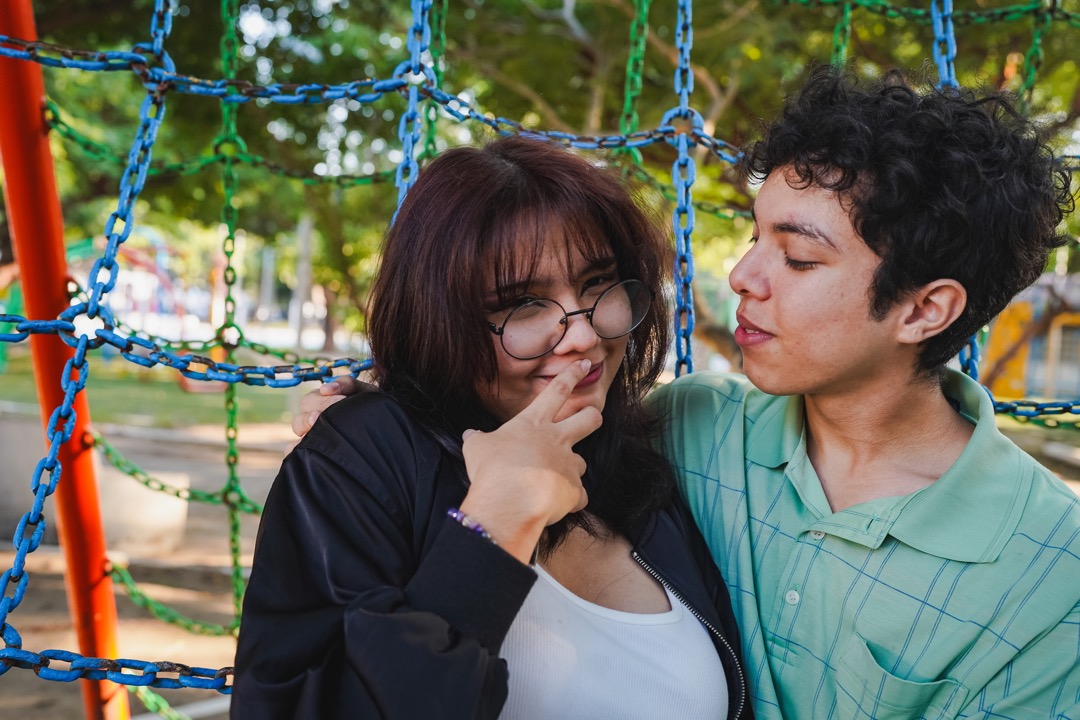
Romantic relationships can be very meaningful. They can offer companionship, love, and emotional connection, which are important for self-esteem and overall well-being. Like other young people, youth with disabilities may want to share their lives with a partner, make decisions together, and experience closeness and trust. But romantic relationships are complicated. Some people with disabilities may need extra support to understand boundaries, consent, and healthy communication. They may face misunderstandings, limited privacy, or rules set by others that restrict dating opportunities. Social stigma and a lack of education about disability and relationships can also make it harder to find or keep a partner. With clear information, respectful support, and inclusive attitudes, that special spark is within reach.
In this issue of RAISE The Standard, we will explore how young people with disabilities can build safe, healthy, and fulfilling romantic relationships.
| | |
The Unique Challenges of Dating with Disabilities
"There’s this idea that we should feel grateful to be asked on a date or grateful to be partnered with, which is totally not the case.”
– Shanna Katz Kattari (University of Michigan)
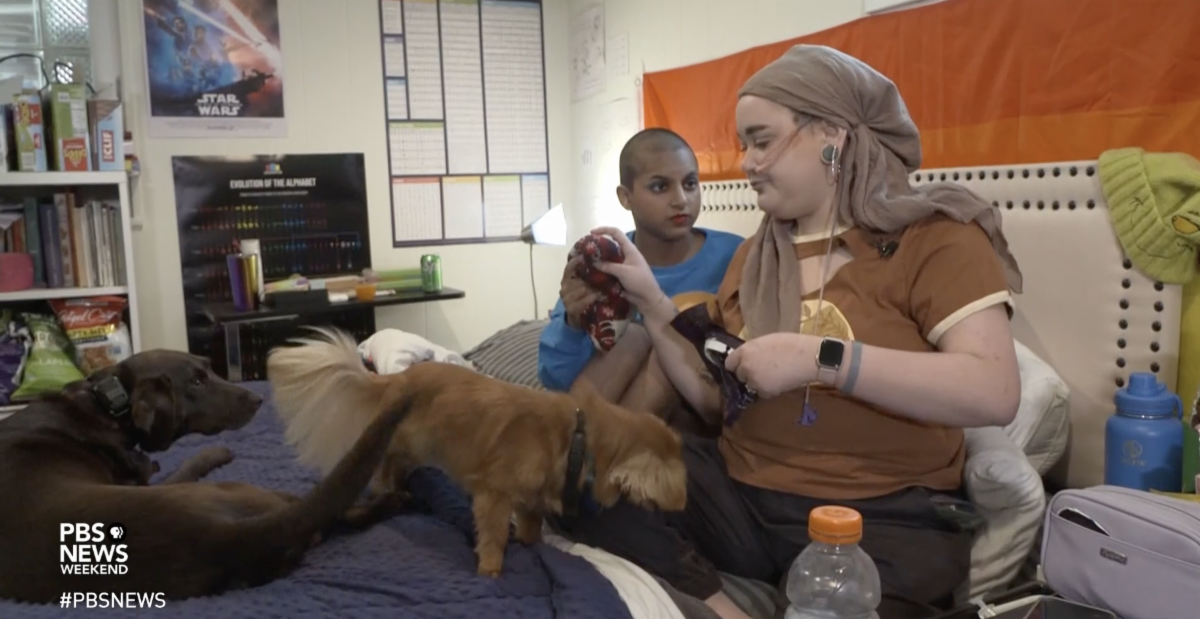
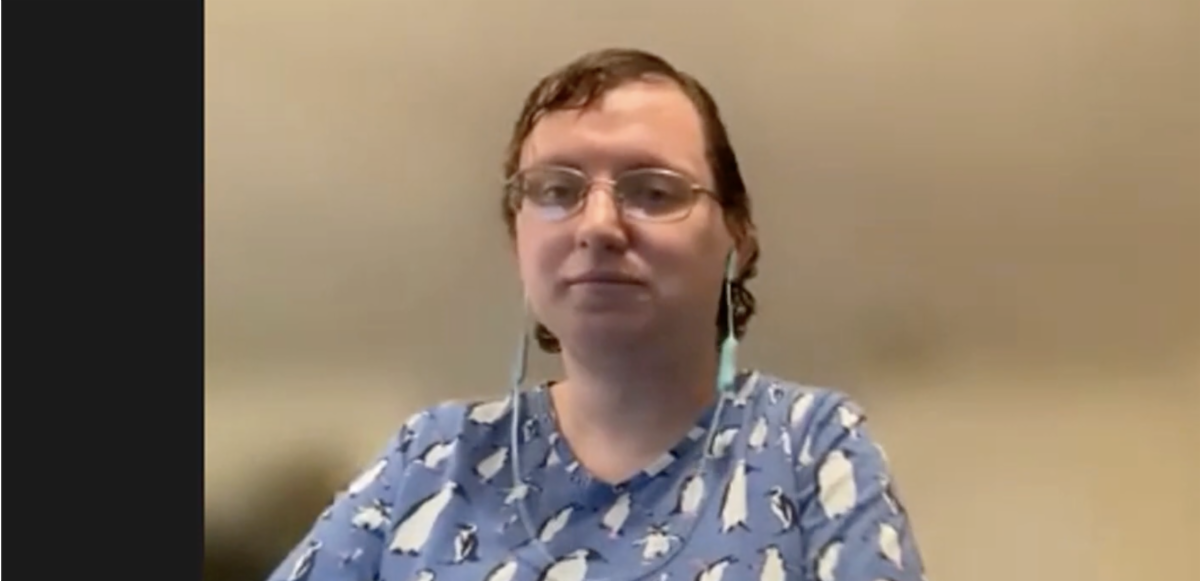
In this PBS clip, a dozen people with physical, developmental, and sensory disabilities talk about the highs, the lows, and the unexpected twists of their dating journeys.
Click here to learn about their stories.
| |
FRIES: Consent Makes Relationships Stronger
Consent is giving permission for something to happen to you, your body, or your belongings. It is an agreement that something is OK. The pillars of consent can be remembered with the acronym FRIES:
F: Consent must be Freely Given without pressure.
R: Consent is Reversible. At any time, the person giving consent can change their mind.
I: The person giving consent must be Informed about what they’re consenting to.
E: Their “yes” must be Enthusiastic. “I don’t know” means no, and no answer means no. Only “yes” means yes.
S: Consent is for something Specific– meaning consenting to one thing (e.g. kissing) does not mean consent to another (e.g. touching).
Consent is the key to a healthy and loving relationship of any kind. Learning how to say “no” and learning how to deal with someone else’s “no” in a respectful way will open the door to strong and fulfilling relationships.
Click here to check out tips and detailed information about what consent looks, sounds, and feels like from people with developmental disabilities.
| | | |
Swipe Right on Love
Online dating is hard no matter who you are. Having a disability could make it even harder. Run-of-the-mill dating apps like Hinge or Tinder are designed with the neurotypical and non-disabled in mind. Some of the apps’ users may act dismissive or even abusive towards people with disabilities. If you’re actively looking to spark a romantic relationship, a good first step is making sure you’re looking in places where the people will understand you.
Dateability is a dating app designed specifically for those with disabilities and chronic illnesses. With options to share details about your disability (without making it the center of your online identity), Dateability connects its users with other people who understand the ups and downs of life with a disability or chronic illness. Dateability proudly welcomes the LGBTQIA+ community as well, creating a virtual space that is firmly inclusive.
“I want to express my gratitude to Dateability for primarily giving me the gift of hope.”
– Howard, Dateability user
Click here to learn more about the Dateability app.
| | |
Finding Alone-Time in Group-Living
Everyone has the right to consensual, intimate relationships. Living in a group home or other supervised setting can make it difficult to have one-on-one time with a romantic partner.
Challenges include limited private spaces and enforced regulations on dating among residents such as supervised visits, curfews, or approval processes for overnight visits. Know your rights. You can advocate for changes to your support plan that include more independence in your romantic life.
Use this statement from The Arc to know your rights and advocate for your romantic relationship.
| | There are eight (8) Rehabilitation Services Administration (RSA) Parent Centers throughout the United States that provide training and programming to youth and young adults with disabilities, their families, professionals, and other Parent Centers. The focus is on issues surrounding youth transition. | | |
RSA Parent Centers are funded by the Rehabilitation Service Administration (RSA) under the Office of Special Education and Rehabilitative Services (OSERS), which is part of the US Department of Education
In this issue of RAISE The Standard, we focus on the Midwestern Collaborative, a collaboration between Parent Centers in Iowa, Kansas, Missouri, Montana, Nebraska, North Dakota, South Dakota, and Wyoming:
https://www.pathfinder-nd.org/rsa.php
The Midwestern Collaborative works to explore, create, and celebrate statewide services that focus on the development of self-advocacy, self-discovery, and independence for youth with disabilities. Working closely with professionals from both Vocational Rehabilitation Centers and Centers for Independent Living will bring collaborative and innovative services to guide youth with disabilities and their families to services centering on secondary transition and life after high school.
| | YETI: RAISE - Youth Engagement Transition Initiative | |
Special Needs Speed Dating
Saturday, February 28th, 2026
Kenosha, Wisconsin
Love is in the air in February, and it’s a great time to explore all kinds of new connections. If you’re 18+ and looking to connect with other people with disabilities, this Special Needs Speed Dating event might be for you! For $5 cash, or a donation of school supplies, you can enjoy up to two hours of conversations with potential love interests or new friends. If you don’t live in the area, check your local Facebook groups because these events are catching on!
Click here to access the flyer with more information.
| | Collaboration • Empowerment • Capacity-building | | RAISE The Standard enewsletter identifies and shares resources that the Rehabilitation Services Administration Parent Training and Information Centers (RSA-PTI) can use and share with families. | | The RAISE Technical Assistance Center is working to advance the accessibility of its digital resources, including its websites, enewsletters and various digital documents. | | RAISE, the National Resources for Access, Independence, Self-Advocacy and Employment is a user-centered technical assistance center that understands the needs and assets of the RSA-PTIs, coordinates efforts with the Technical Assistance provided by PTI centers and involves RSA-PTIs as key advisors and partners in all product and service development and delivery. | |  | |
The RAISE Center is a project of the SPAN Parent Advocacy Network and is funded by the US Department of Education's Rehabilitation Service Administration. The contents of this resource were developed under a cooperative agreement with the US Department of Education (H235G200007)). However, the contents do not necessarily represent the policy of the Department of Education and should not assume endorsement by the federal government.
| | | | |