RAISE The Standard, January 2026, v.12 n.3 | |
Wellness
Wellness practices are important because they support both physical and emotional health. Regular wellness habits can help reduce stress, improve energy levels, and build confidence.
For many young people with disabilities, daily life can include extra challenges such as medical needs, sensory overload, or feeling left out by peers. Wellness practices like movement, rest, healthy eating, and creative expression help our bodies and minds feel more balanced. These practices also teach self-awareness and self-advocacy, which are important life skills. When young people learn how to care for themselves in ways that work for their abilities, they feel more independent and empowered. Strong wellness routines can improve focus, strengthen relationships, and help young people with disabilities thrive at school, at work, and in their communities.
In this issue of RAISE The Standard, we will explore how young people with disabilities can incorporate and improve wellness practices in their lives.
| |
Predictable Routines for a Healthier Life
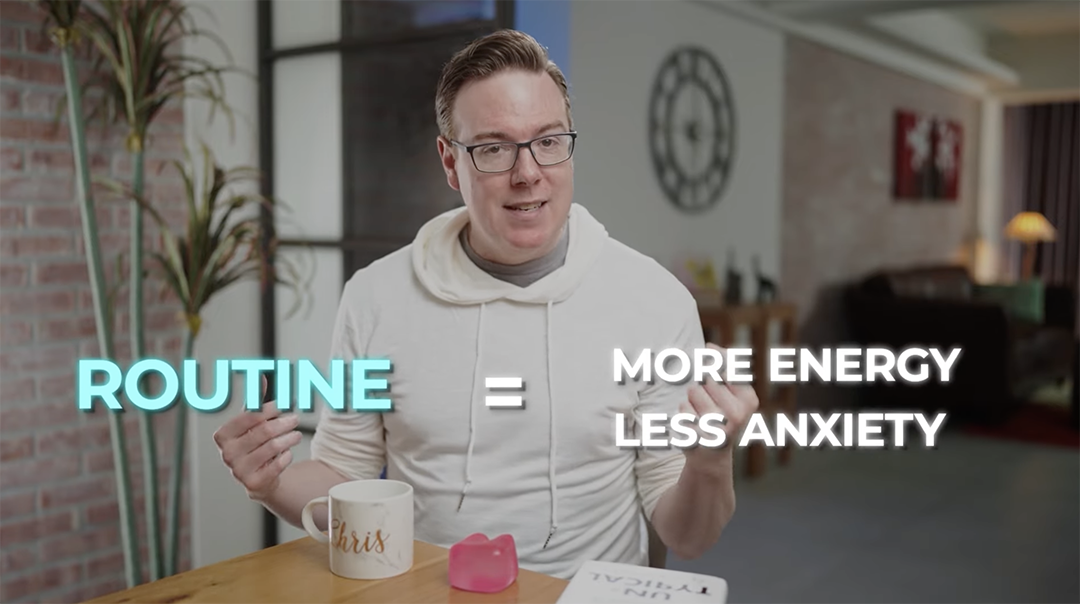
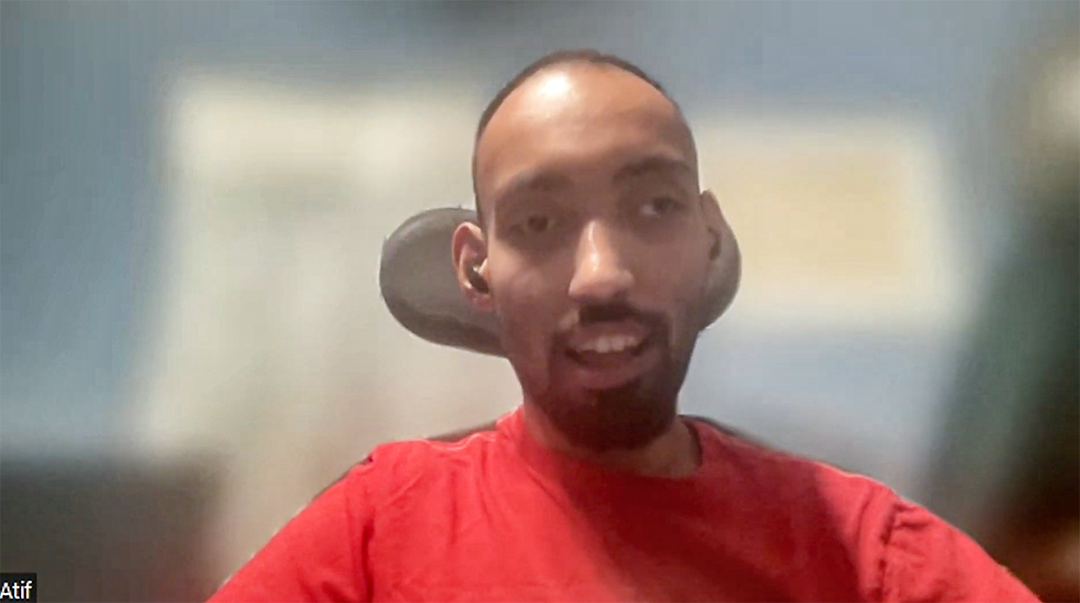
Routines are the foundation for living well. They reduce the anxiety of planning your time, and make it easier to build the momentum necessary to maintain regular wellness practices like fitness, hygiene, hobbies, and socializing. In a Youtube video about how to build your own routine, Chris of Auticate with Chris and Debby emphasizes the importance of consistency, anticipating challenges, and celebrating successes.
“Routines are important to everyone on the spectrum... they bring a sense of stability and predictability to the day.” – Chris, Auticate with Chris and Debby
“Routines are important to everyone on the spectrum... they bring a sense of stability and predictability to the day.”
– Chris, Auticate with Chris and Debby
Click here to learn more about Chris’ perspective of building routines and the benefits to structuring your time.
| |
Rest to Be Your Best
Sleep is essential for keeping your body and mind healthy. During sleep, your body repairs itself, strengthens the immune system, and restores energy for the next day. Getting enough rest also helps with focus, memory, mood, and managing stress. Without enough sleep, it can be harder to learn, make decisions, and stay physically well.
Click here to learn more about why adequate sleep is the foundation for your well-being.
| | | |
Safe Foods, Strong Bodies
Avoidant/Restrictive Food Intake Disorder (ARFID) is highly selective eating habits, beyond those of a “picky eater.” ARFID affects many people with sensory sensitivities to taste, texture, smell, or temperature, and it can make it hard to get all the necessary vitamins and minerals to maintain a healthy diet. Creating a grocery checklist that organizes safe foods by nutritional value can help clarify what your diet is lacking, what supplements can help support a healthy lifestyle, and if you’re feeling brave: what new foods you can experiment with adding to your list of safe foods.
Click here to check out the ARFID-friendly food checklist.
| | |
Mindful Making:
How Creativity Calms and Connects
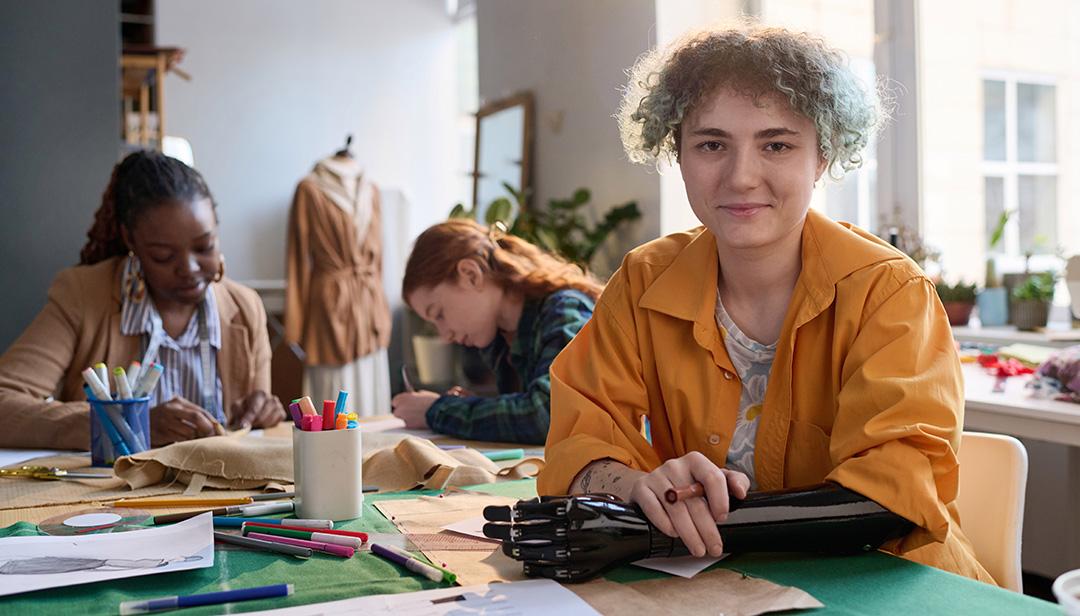
Creative expression is a powerful tool for supporting emotional health and overall well-being. Activities like painting, writing, music, photography, and dance allows individuals to process complex feelings, reduce stress, and gain clarity about their emotions. Regular creative practice encourages mindfulness and helps cultivate resilience, offering both a mental break and a deeper connection to yourself. Engaging with artistic communities can be motivation to build a continuous creative practice. Online groups are a great way to share your work, gain inspiration, and connect with other creatives.
Click here to check out the Facebook group "Neurodivergent Creatives."
| | |
In this issue of RAISE The Standard, we focus on PACER Center’s “Project Launch”, a collaboration between parent training centers and disability organizations in Minnesota, Kentucky, Ohio, Indiana, Wisconsin, West Virginia, Illinois, and Michigan.
https://www.pacer.org/about/areas-of-focus/project-launch/
Project Launch helps youth and young adults with disabilities reach their postsecondary education, employment, and independent living goals through training and assistance for youth, families, and professionals.
| | YETI: RAISE - Youth Engagement Transition Initiative | | Collaboration • Empowerment • Capacity-building | | RAISE The Standard enewsletter identifies and shares resources that the Rehabilitation Services Administration Parent Training and Information Centers (RSA-PTI) can use and share with families. | | The RAISE Technical Assistance Center is working to advance the accessibility of its digital resources, including its websites, enewsletters and various digital documents. | | RAISE, the National Resources for Access, Independence, Self-Advocacy and Employment is a user-centered technical assistance center that understands the needs and assets of the RSA-PTIs, coordinates efforts with the Technical Assistance provided by PTI centers and involves RSA-PTIs as key advisors and partners in all product and service development and delivery. | |  | |
The RAISE Center is a project of the SPAN Parent Advocacy Network and is funded by the US Department of Education's Rehabilitation Service Administration. The contents of this resource were developed under a cooperative agreement with the US Department of Education (H235G200007)). However, the contents do not necessarily represent the policy of the Department of Education and should not assume endorsement by the federal government.
| | | | |