RAISE The Standard, March 2026, v.12 n.5 | |
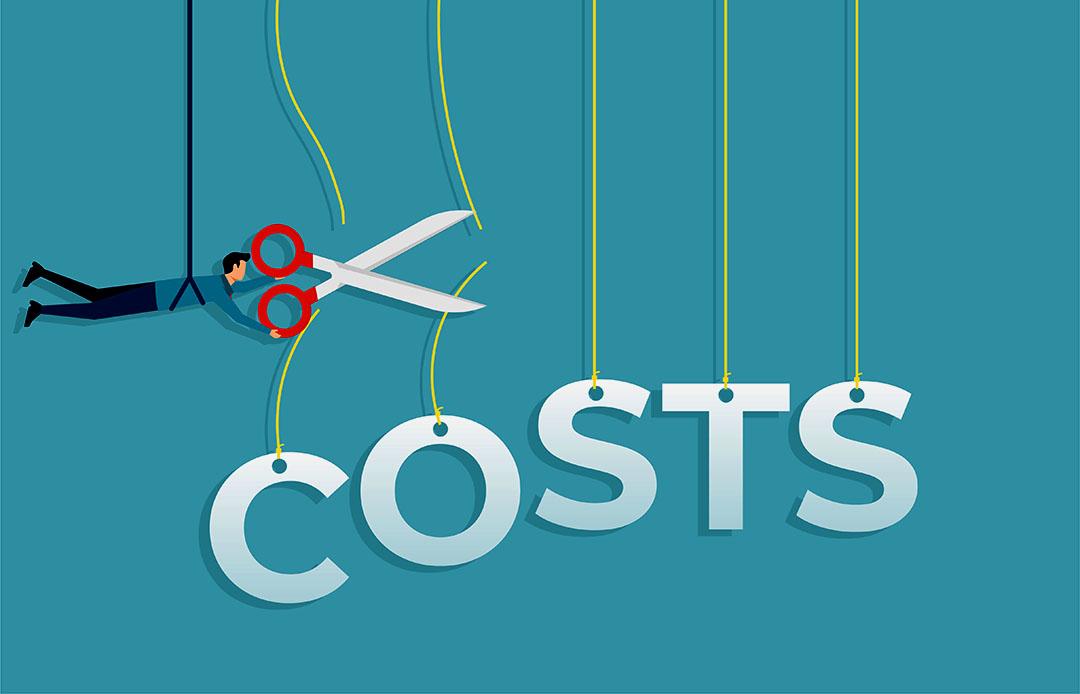
Cost Cutting
Saving money can make big differences by making small, smart choices. Looking for student or disability discounts, using free community resources, cooking at home, and planning a budget for spending are examples of small choices that can cut costs over time. Libraries, recreation centers, and online programs often offer free or low-cost activities. Cutting costs can help people feel more in control of their money and reduce stress about expenses. It can also make it easier to save for important goals, like education, hobbies, or independent living. Learning how to manage money early helps build confidence and creates habits that support long-term financial stability and independence.
In this issue of RAISE The Standard, we will explore how young people with disabilities can cut costs and save money.
| | |
ADHD and Spending
“Ever notice how your brain lights up when you click ‘Buy Now,’ but goes completely dark when it’s time to save for retirement? What if I told you there’s a way to... actually enjoy delayed gratification?”
– David DeWitt, ADHD Money Talk
This podcast series, available on Apple Podcasts, Spotify and online, outlines the difficulties and tactics for cutting costs and managing money with ADHD.
Click here to check out the podcast channel.
| |
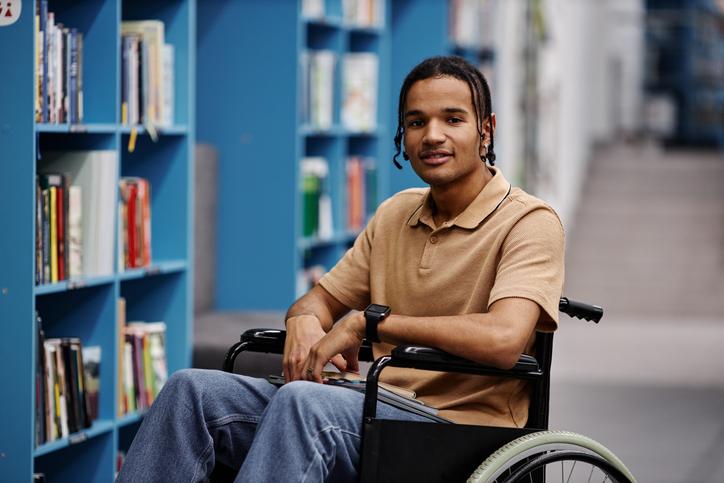
Having Fun Isn’t Hard When You Have a Library Card
Libraries are an essential resource, not just for knowledge, but for culture and entertainment. Libraries all over the country offer free or discounted passes to museums, zoos, and cultural sites. These passes give you access to art, history, theatre, nature, and more at low or no cost!
Some communities even have a “library of things” so members can borrow everything from a sewing machine or a pair of binoculars, to kayaks and stand mixers. Check out your local library system to learn how to get a library card and explore the kinds of discounted or free passes available in your area.
Click here to discover what a public library card can do for you.
| |
The Impacts of Saving
Saving money is a vital part of your financial health. If you or a loved on receive certain benefits, though, saving money can sometimes impact those benefits. For example, recipients of Supplemental Security Income (SSI) have a limit on their assets to maintain eligibility. Talk to a benefits counselor and consider opening an ABLE Account that allows you to save for big goals and expenses while receiving benefits.
Click here to learn how you can save money without risking benefits.
| | |
|
Finding Affordable Assistive Technology
Assistive technology and mobility aids can be huge expenses. If you or a loved one are in need of medical equipment, assistive technology, or an accessible vehicle, Friends of Disabled Adults and Children (FODAC) is a resource that can help make getting the support you need more cost-effective. Located in Tucker Georgia, FODAC collects new and gently used home medical equipment and provides it to those in need.
Click here to learn about the resources that FODAC offers.
| | |
Having Healthy Conversations About Money
It’s hard enough managing your own costs, but when managing costs with a partner, things get even more complicated. This guide by Advance America takes you and your partner through the steps of a calm, respectful, and productive discussion about shared financial goals, spending habits, and debt. Creating a plan, tracking it, and keeping the line of communication open are all steps that will make managing joint costs less stressful.
Use this site to learn how to talk about costs with your partner.
| | THE RSA PARENT CENTER REGIONS | | There are eight (8) Rehabilitation Services Administration (RSA) Parent Regions throughout the United States that provide training and programming to youth and young adults with disabilities, their families, professionals, and other Parent Centers. The focus is on issues surrounding youth transition. | | |
RSA Parent Regions are funded by the Rehabilitation Service Administration (RSA) under the Office of Special Education and Rehabilitative Services (OSERS), which is part of the US Department of Education.
In this issue of RAISE The Standard, we focus on the Transition Learning Collaborative (TLC) in Region D1, a collaboration between Parent Centers in Alaska, Oregon, Washington, Hawai’i, American Samoa, Guam, and the Commonwealth of the Northern Mariana Islands. Note: Links to Transition Learning Collaborative will be available soon.
TLC provides youth and young adults with disabilities, their families, and professionals with culturally responsive, accessible, and high-quality transition resources, information, and training to support post-secondary success. By fostering collaboration across Parent Centers and community partners, the project aims to expand capacity, increase outreach to underserved populations, including tribal, rural, and military-connected communities, and strengthen pathways to competitive employment and independent living.
| | Collaboration • Empowerment • Capacity-building | | RAISE The Standard enewsletter identifies and shares resources that the Rehabilitation Services Administration Parent Training and Information Centers (RSA-PTI) can use and share with families. | | The RAISE Technical Assistance Center is working to advance the accessibility of its digital resources, including its websites, enewsletters and various digital documents. | | RAISE, the National Resources for Access, Independence, Self-Advocacy and Employment is a user-centered technical assistance center that understands the needs and assets of the RSA-PTIs, coordinates efforts with the Technical Assistance provided by PTI centers and involves RSA-PTIs as key advisors and partners in all product and service development and delivery. | |  | |
The RAISE Center is a project of the SPAN Parent Advocacy Network and is funded by the US Department of Education's Rehabilitation Service Administration. The contents of this resource were developed under a cooperative agreement with the US Department of Education (H235G200007)). However, the contents do not necessarily represent the policy of the Department of Education and should not assume endorsement by the federal government.
| | | | |