0RAISE The Standard, May 2026, v.12 n.6 | |
Self-Esteem
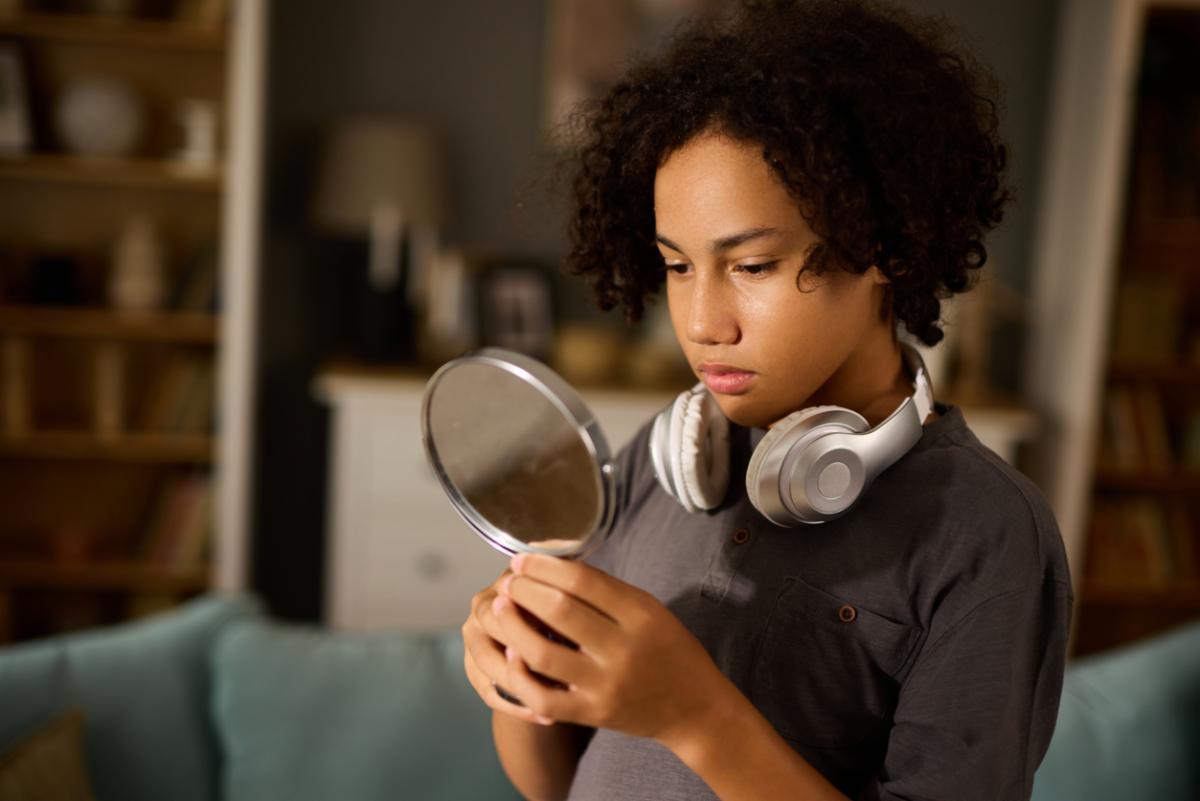
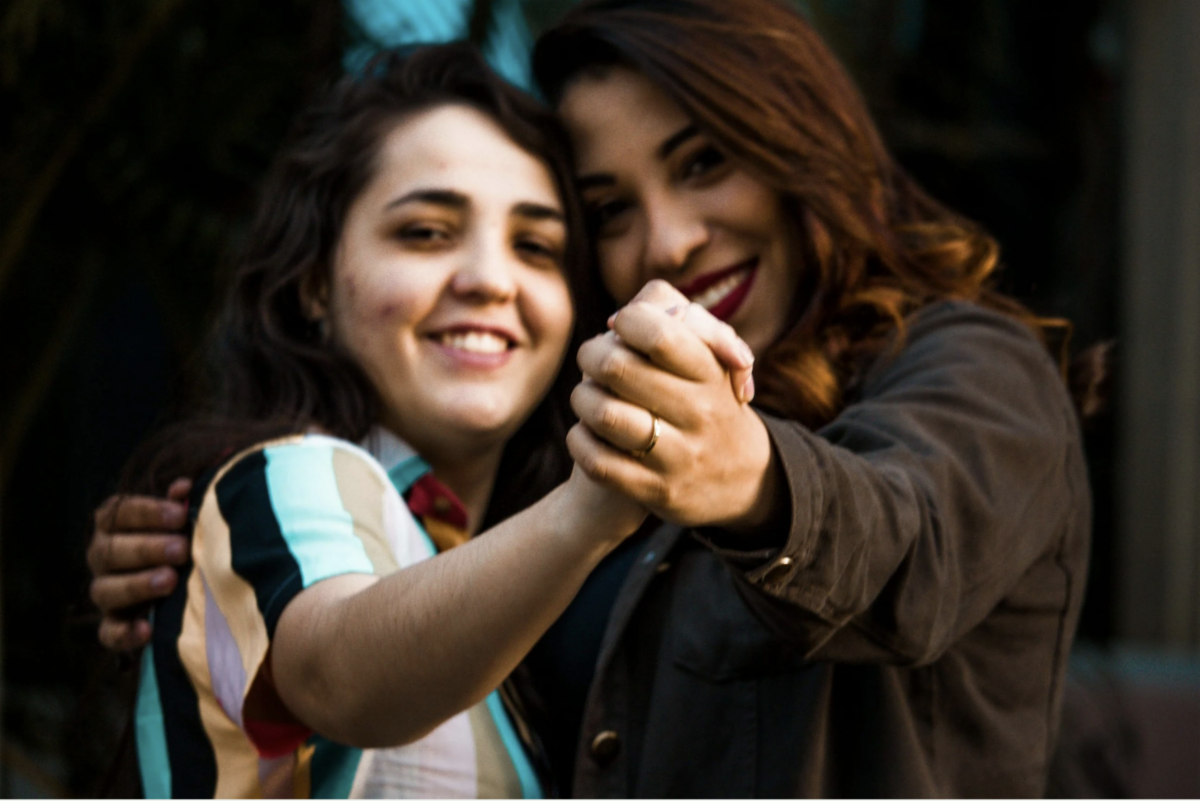
When you look in the mirror, do you love the person looking back at you? “Self-esteem” is how people feel about themselves and their abilities. Self-esteem often begins in childhood, shaped by the messages — positive and negative — that parents, siblings, teachers, and peers send. Self-esteem can be affected by challenges, social interactions, and how others treat us. When a person consistently receives the message that they are not good enough, that belief tends to persist. Low self-esteem may make us feel less confident, shy, or avoid trying new things. High self-esteem helps us believe in ourselves, handle challenges, and feel proud of our achievements. Building self-esteem is important because it encourages independence, friendships, and learning. Families, teachers, and peers can support young people with disabilities by praising effort, listening, and celebrating successes. Strong self-esteem helps them grow into confident, capable adults.
In this issue of RAISE The Standard, we will explore how young people with disabilities can exercise their self-esteem.
| | |
A Neurodivergent Teen’s Guide to Identity,
Belonging & Self-Esteem
“It makes sense that being different feels hard sometimes. But it’s also part of your power.”
– Lana Jelenjev
This young author, Lana Jelenjev, describes her experiences as a neurodivergent teenager by braiding together inner monologue, direct address to her loved ones, and insightful observation about her world.
Click here to check out part 1 of the blog post.
Click here to check out part 2.
| |
Think Better, Feel Stronger
Understanding how self-esteem is formed helps us see why we feel confident or unsure about ourselves. Our experiences, thoughts, and how others treat us all play a role. This website walks you through practical habits that build the self-compassion that is the foundation of strong self-esteem. These habits help build stronger confidence and make it easier to handle challenges and grow.
Click here to learn the basics of self-esteem and what aspects of it you can control.
| | |
|
The Power of “And”
As adults, the words we choose to use with children and teens are vital to helping shape their self-image. Sometimes, the small words can make the biggest impact. “And” can help a young person understand coexisting truths like, “You can have a diagnosis and strengths and positives can emerge from it.” Language like this validates a student’s challenges and encourages positive thinking. The Peace At Home blog offers resources for parents to reduce dysfunction, build emotional intelligence, and raise resilient problem-solvers.
NOTE: While this article is written for parents of children with autism, any adult can take the good advice offered and use it with any student.
Click here to learn about how your language affects your child’s self-image.
| | |
All the World’s a Stage, Here’s Your Script
Taking care of your emotional needs by setting the boundaries to protect yourself is a powerful way to build self-confidence and exercise self-worth. Sometimes, it’s hard to know how to start the conversation. Having a script can make it easier to speak up when emotions feel overwhelming or when you are unsure how to put your feelings into words. They remind you that it is okay to pause, ask for support, or explain that you are not ready to talk yet while still honoring your own needs. These boundary-setting scripts offer easy-to-remember opening lines that can help you protect your peace and build confidence. The topics include saying no, protecting your energy, communicating your needs, and — perhaps most importantly — how to calm your inner critic after advocating for yourself.
Click here to access the scripts.
| | THE RSA PARENT CENTER REGIONS | | There are eight (8) Rehabilitation Services Administration (RSA) Parent Center Regions throughout the United States that provide training and programming to youth and young adults with disabilities, their families, professionals, and other Parent Centers. The focus is on issues surrounding youth transition. | | |
In this issue of RAISE The Standard, we focus on Project POWER, a collaboration between Parent Centers in Arizona, California, Colorado, Idaho, Nevada, New Mexico, and Utah:
https://www.peakparent.org/region-d2-parent-center-resources/
By providing technical assistance to the OSEP-funded PTIs and CPRCs located within the area, Project POWER Project assists young people with disabilities and their families meet their transition needs. he project links youth and families to current, cutting edge resources, tools and support through a range of activities and products, including: an interactive, fully accessible project webpage, online and print tools, youth guides, topical webinars, virtual and in-person training curricula, and technical assistance to parent centers designed to assist them in providing successful transition outreach, training and support to the youth and families in their state or area.
| | |
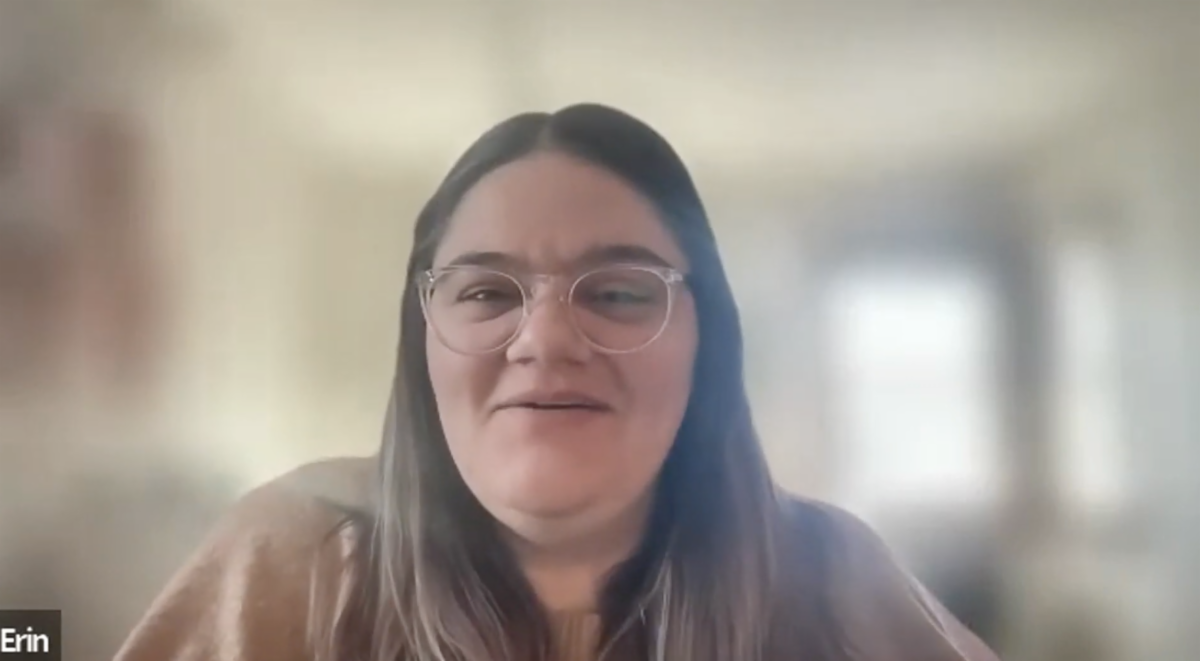
The RAISE Youth Advocates for Change (YAFC) have produced podcasts on topics important to them as youth with disabilities to amplify the youth voice and support parent centers as they continue to engage with youth and their families.
Click here for episode 4 on involving youth in healthcare.
| | Collaboration • Empowerment • Capacity-building | | RAISE The Standard enewsletter identifies and shares resources that the Rehabilitation Services Administration Parent Training and Information Centers (RSA-PTI) can use and share with families. | | The RAISE Technical Assistance Center is working to advance the accessibility of its digital resources, including its websites, enewsletters and various digital documents. | | RAISE, the National Resources for Access, Independence, Self-Advocacy and Employment is a user-centered technical assistance center that understands the needs and assets of the RSA-PTIs, coordinates efforts with the Technical Assistance provided by PTI centers and involves RSA-PTIs as key advisors and partners in all product and service development and delivery. | |  | |
The RAISE Center is a project of the SPAN Parent Advocacy Network and is funded by the US Department of Education's Rehabilitation Service Administration. The contents of this resource were developed under a cooperative agreement with the US Department of Education (H235G200007)). However, the contents do not necessarily represent the policy of the Department of Education and should not assume endorsement by the federal government.
| | | | |