RAISE The Standard, October 2026, v.13 n.1 | |
Civic Engagement
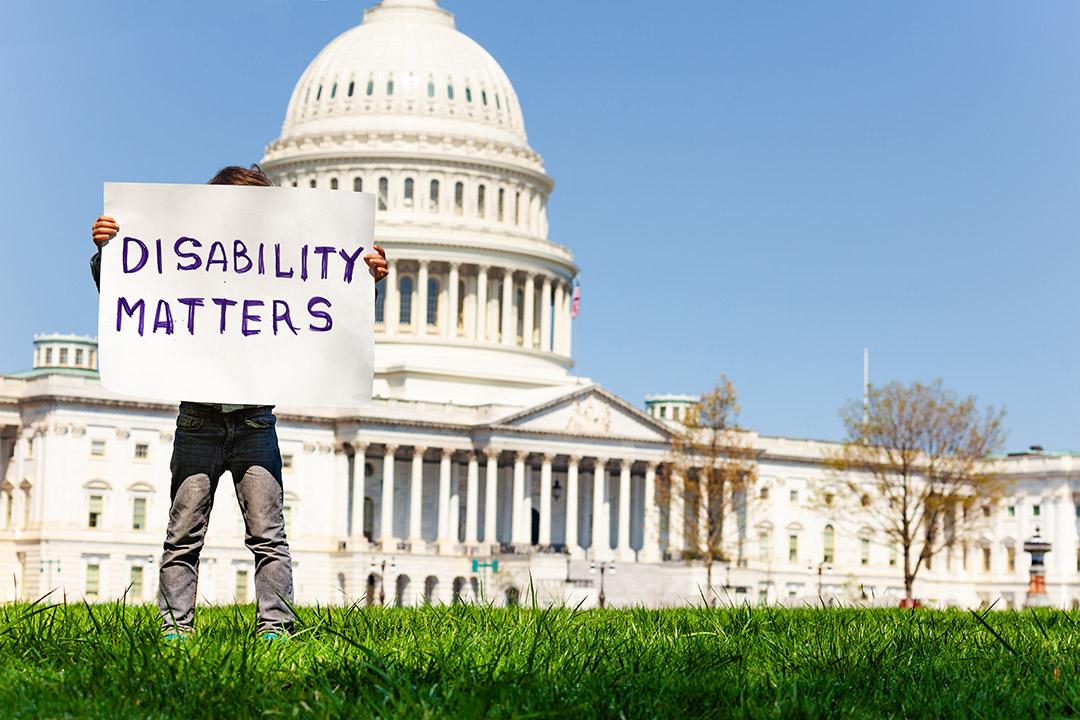
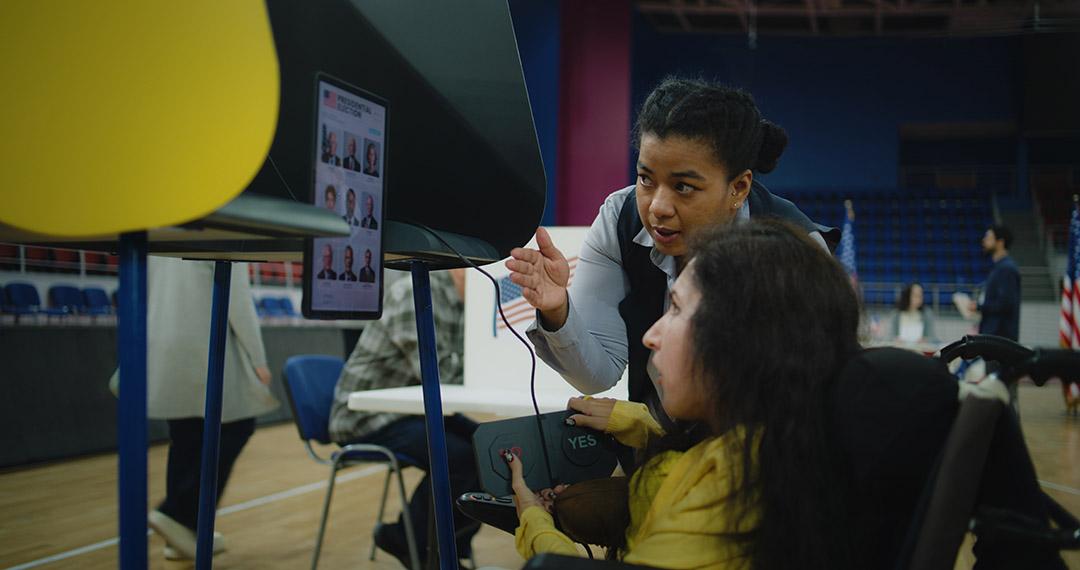
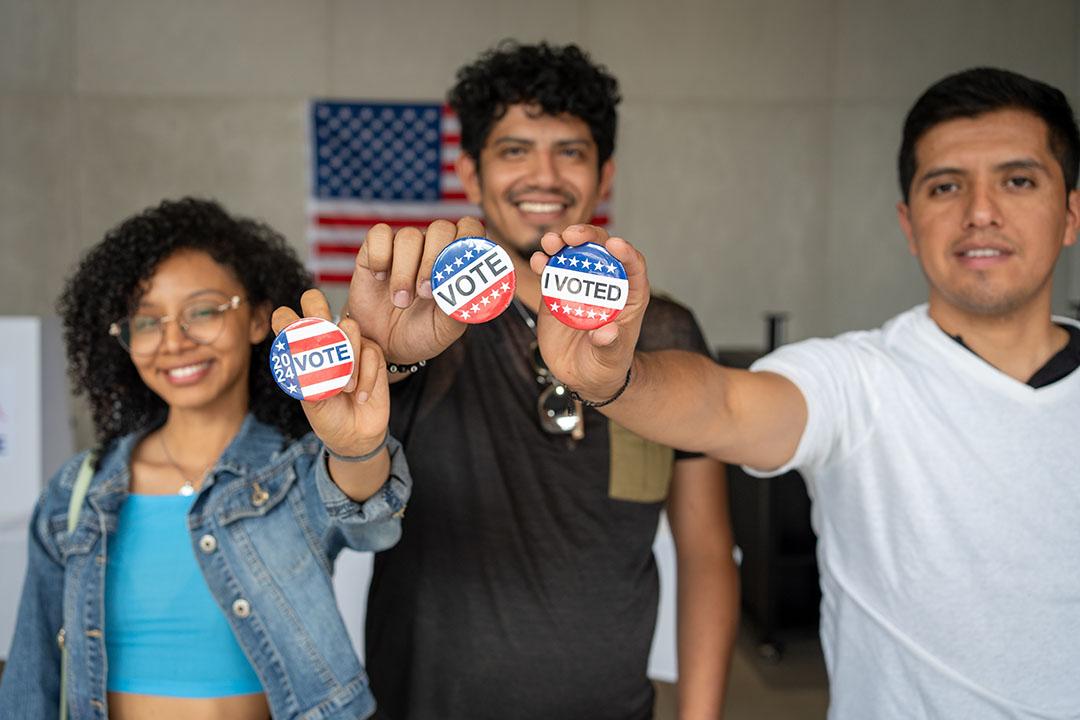
November is midterm election season and an opportunity to use our voices to influence the policy decisions that shape our lives and communities. Activities like voting, contacting elected officials, attending town meetings, joining advocacy groups, and volunteering give young people ways to help candidates understand issues that affect their lives. Civic engagement is especially important because policies on education, housing, transportation, healthcare, employment, and disability services can directly affect young people’s opportunities. These experiences also build leadership, communication, and self-advocacy skills.
In this issue of RAISE The Standard, we will explore how young people with disabilities can use their voices to help create more inclusive communities and make sure their experiences and needs are heard.
| | |
BONUS SECTION:
Emergency Preparation
September was National Preparedness Month, but it’s never too late to learn how to prepare for and respond to natural disasters and human-caused emergencies. Having a plan in place can help you stay safe, reduce stress, and know what to do when the unexpected happens. Take time to review emergency plans with your household, gather essential supplies, and learn where to find reliable information during a crisis. Preparing ahead of time can make a big difference when an emergency occurs.
| |
| |
Beyond the Ballot
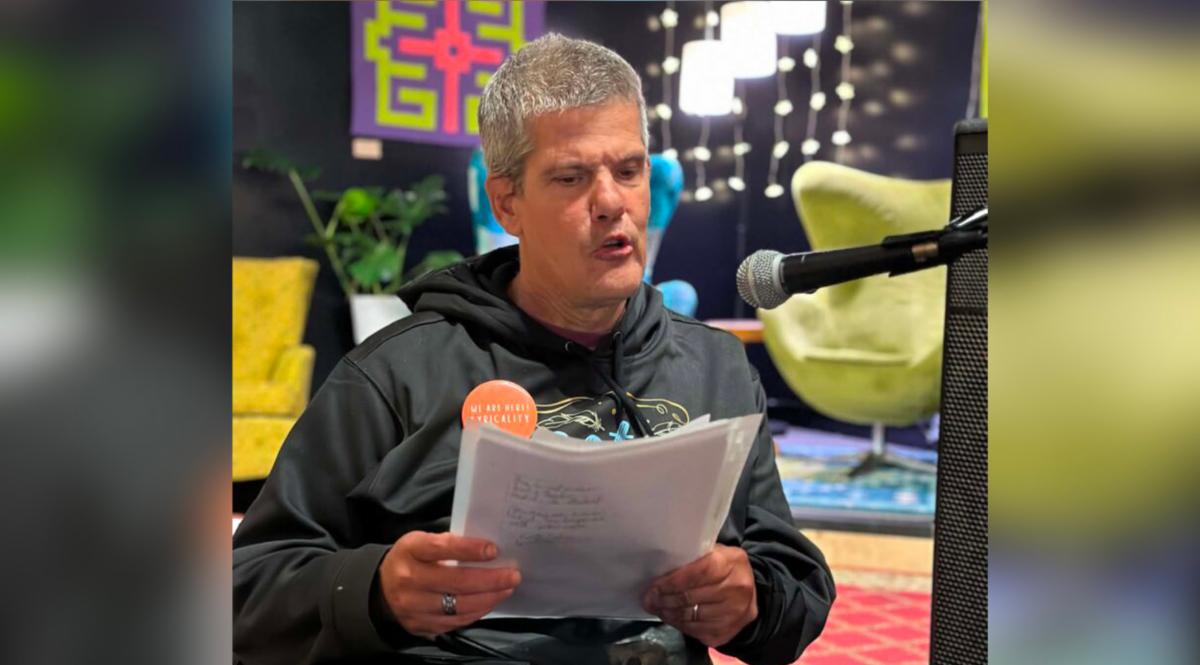
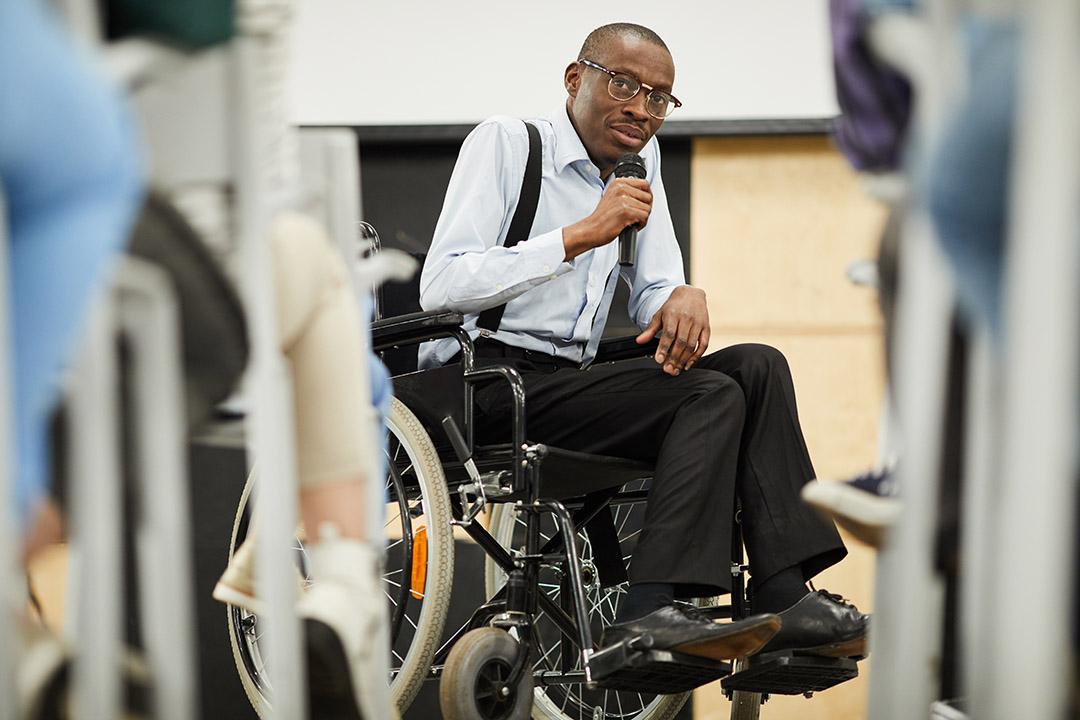
The Arc Minnesota’s September Self-Advocacy Spotlight features Keith, a longtime self-advocate and voter advocate who works with The Arc to host candidate forums during election seasons. He has also built relationships with legislators and senators and recently participated in a Disability Day at the state capitol, where he and other advocates met with elected officials. Keith emphasizes the importance of having access to clear voting information and accessible polling places. He also encourages people with disabilities to research candidates, learn about issues that matter to them, and speak directly with elected officials. For Keith, voting is an important first step, but staying involved through meetings, letters, and advocacy can help make sure their voices are heard.
“Everyone should be able to access voting information and cast their vote freely. People with disabilities should be able to get help to make choices for themselves, instead of only being told what’s on the ballot.” -Keith
Click here to learn about Keith’s advocacy.
| | |
BONUS SECTION:
Plan head Before Disaster Strikes
In 2008, a winter storm buried Portland, Oregon, under more than a foot of snow, leaving Nickole Cheron homebound for over a week. For Nickole, who has spinal muscular atrophy and relies on a wheelchair and caregivers, lack of access to her usual support could have been dangerous. When she heard the storm was coming, she contacted her caregivers to find out who lived nearby and could help. She also made sure she had a generator, wheelchair batteries, food, water, and medications. Nickole’s experience shows how emergency preparedness can strengthen independence and give people with disabilities control during a crisis.
“The most important thing I learned ... was to have a back-up plan in case of an emergency situation.”
– Nikole Cheron
Click here to learn more about Nikole’s experience.
| |
| |
Power to the People
Elected officials represent you and all of their constituents as they make decisions about important programs and services, including Medicaid, Supplemental Security Income (SSI), education, housing, and transportation. To be part of our democracy, voting is essential. Understanding your voting rights can help ensure you are part of the process.
This guide by The Arc discusses barriers that can make voting harder, such as inaccessible polling places, confusing rules, and a lack of support. For young people with disabilities, this resource is a helpful introduction to understanding their voting rights and learning how participating in elections can help shape their communities and futures. If you’re a young person with a disability, take the next step: learn about the issues that matter to you, find out how to register and vote, and use your voice to help shape the decisions that affect your life.
Click here to learn about voting and its importance, and the steps to making your voice heard.
| | |
BONUS SECTION:
Preparation Starts Here
Where you live can shape the kinds of emergencies you may need to prepare for. The American Red Cross provides an interactive map that shows which natural disasters are most common across the United States. Understanding your local risks can help you decide what supplies, transportation, and support you want to include in your emergency plan. Preparation doesn’t have to be complicated. Learning about your community is a simple step towards feeling confident and ready.
Click here to access the interactive map.
| |
| |
Ready to Make a Difference
The Autistic Self Advocacy Network’s (ASAN) Civic Engagement Toolkit approaches civic engagement from a disability rights and self-advocacy perspective by providing information about voting, contacting elected officials, participating in advocacy, and understanding how government decisions can affect people’s lives. It encourages people with disabilities to speak for themselves, learn about the issues that matter to them, and use their voices to create change. Young people can use the toolkit to build confidence and learn practical ways to take part in civic life.
Click here to check out the guides.
| | |
BONUS SECTION:
Be Ready Before It Counts
The Center for Disease Control and Prevention (CDC) offers a comprehensive video guide to emergency preparedness for people with disabilities. The video explains why creating an individualized plan ahead is especially important. The guide covers how to make a plan, how to build a kit, and tips on making a contact list, finding shelter, and accessible transportation. This resource can be a helpful starting point for young people with disabilities to consider their needs, identify supports, and take an active role in their own emergency preparedness.
Click here to access the video about the steps to emergency preparedness.
| |
| |
REV UP, Speak Up
REV UP, short for “Register, Educate, Vote, Use your Power,” is a nonpartisan effort that encourages people with disabilities to take part in elections. With coalitions in 26 states, REV UP highlights the power of grassroots movements and promotes civic engagement at the local level. The organization offers a variety of resources, including information about state voting processes and guidelines, questions to consider asking candidates before casting your vote, and guidance for people running for office who want to make their campaigns more inclusive and accessible.
Click here for more information about REV UP.
If you experience barrier or access issues while voting:
If you experience barriers or access issues while voting call or text the 866-OUR-VOTE hotline. Election Protection volunteers are trained to respond to accessibility concerns (thanks to many REV UP coalitions and partners!). We at AAPD, in collaboration with other national disability organizations, will be also on-call at the national level to address specific issues as needed.
If you experience discrimination at your polling place, which includes lack of accessible voting, we highly encourage you to submit a report about your experience to the Department of Justice. You can also reach out to your state’s Protection and Advocacy Agency to report your experience and get help taking action.
|
| |
BONUS SECTION:
Take Charge in the Moment
Self-advocacy is important, especially when things do not go as planned. Medical Access & Service Advantage’s (MASA) “How to Advocate for Yourself During an Emergency” resource offers practical tips for communicating your needs during a medical emergency. It encourages people to use clear, direct language, share important medical information, ask questions, and let emergency responders know about communication or accessibility needs.
Click here to learn more about emergency protocol.
| |
| There are eight (8) Rehabilitation Services Administration (RSA) Regions throughout the United States that provide training and programming to youth and young adults with disabilities, their families, professionals, and other Parent Centers. The focus is on issues surrounding youth transition. | | |
In this issue of RAISE The Standard, we focus on Project Launch (PACER), a collaboration between Parent Centers in Minnesota, Kentucky, Ohio, Indiana, Wisconsin, West Virginia, Illinois, and Michigan:
https://www.pacer.org/about/areas-of-focus/project-launch/
Project Launch (PACER) works to help youth and young adults with disabilities reach their postsecondary education, employment, and independent living goals through training and assistance for youth, families, and professionals, and they commit to serving a community of culturally and linguistically diverse and other underserved families.
| | |
Explore resources created by youth with disabilities from across the country and discover tools and strategies for meaningfully engaging youth partners in projects that support influential change.
Click here for episode 1 on sustainability.
| | |
Making Work Important: Raising Family Expectations Around Employment
Making Work Important: Raising Family Expectations Around Employment, hosted by RAISE and featuring Sean Roy, Chief Innovation and Training Officer, TransCen. This session examines the importance of engaging families in the secondary transition process, emphasizing competitive integrated employment as the preferred transition outcome. Attendees will learn how to approach family engagement and competitive integrated employment from a strengths-based lens and is intended to promote improved partnerships with families. Tools and strategies will be shared that help families envision a future that includes community connections, new experiences, and meaningful work.
Nov. 16, 2026 at 2pm
Click here to learn more and to register.
| | Collaboration • Empowerment • Capacity-building | | RAISE The Standard enewsletter identifies and shares resources that the Rehabilitation Services Administration Parent Training and Information Centers (RSA-PTI) can use and share with families. | | The RAISE Technical Assistance Center is working to advance the accessibility of its digital resources, including its websites, enewsletters and various digital documents. | | RAISE, the National Resources for Access, Independence, Self-Advocacy and Employment is a user-centered technical assistance center that understands the needs and assets of the RSA-PTIs, coordinates efforts with the Technical Assistance provided by PTI centers and involves RSA-PTIs as key advisors and partners in all product and service development and delivery. | |  | |
The RAISE Center is a project of the SPAN Parent Advocacy Network and is funded by the US Department of Education's Rehabilitation Service Administration. The contents of this resource were developed under a cooperative agreement with the US Department of Education (H235G200007)). However, the contents do not necessarily represent the policy of the Department of Education and should not assume endorsement by the federal government.
| | | | |