May 28, 2025 • א׳ סיון תשפ״ה

IN THIS WEEK'S EMAIL

RCA Updates

In Our RCA Family

Chomer Lidrush

Manning the Media

Partnered Content

••••••••••••••••••••••••••••••••••••••••


RCA Updates


1) Denver Trip


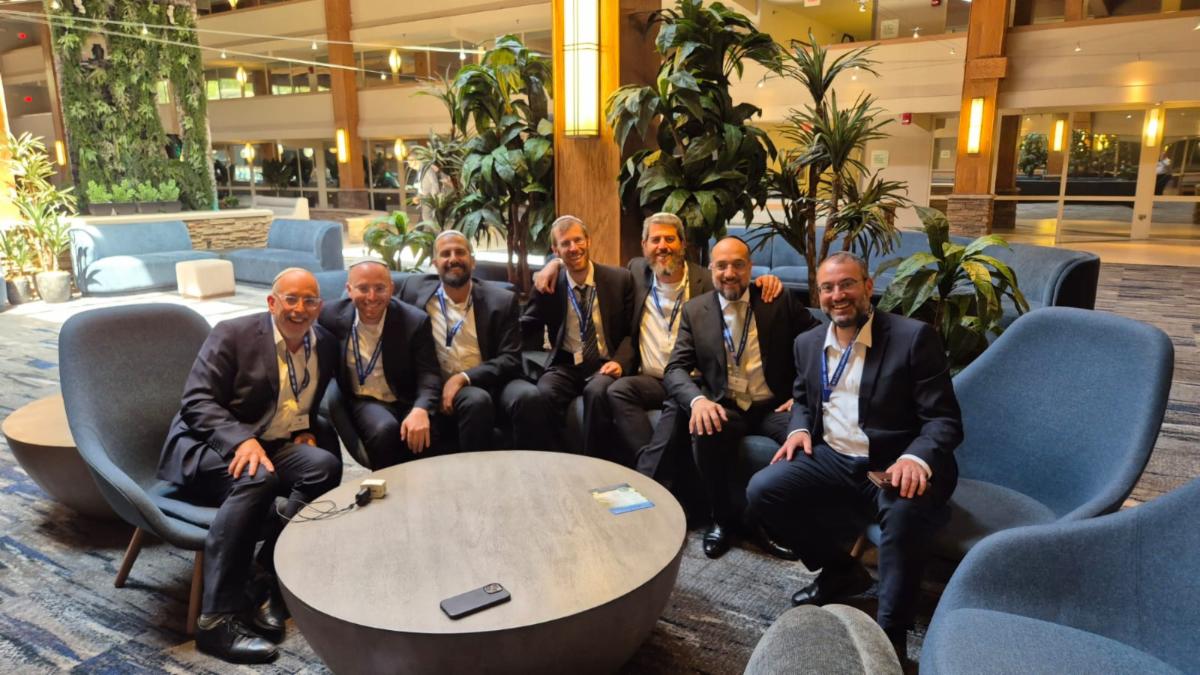
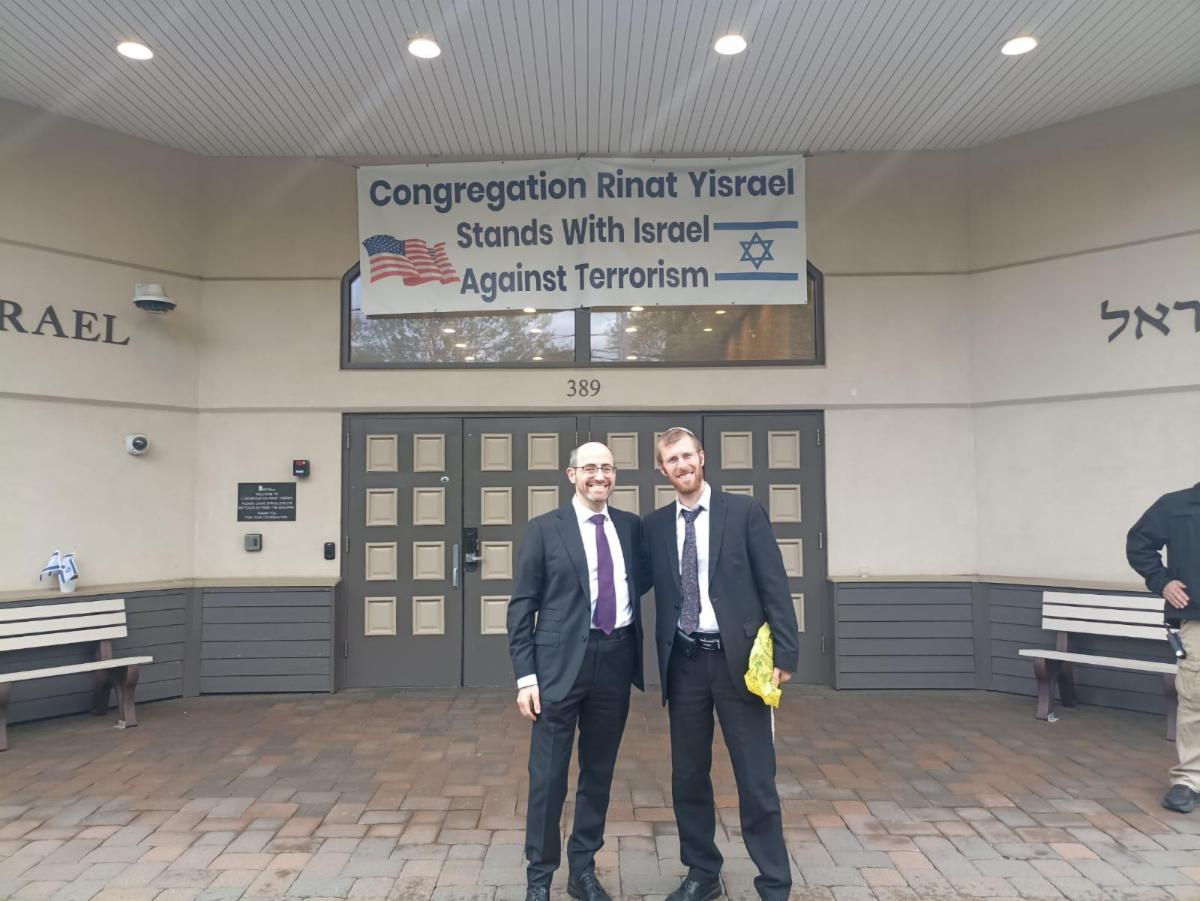
I had a wonderful trip to Denver this past weekend, to see chaveirim Shmuel Halpern, Hillel Goldberg, Barry Gelman, and Yaakov Chaitofsky.


2) RCA Convention


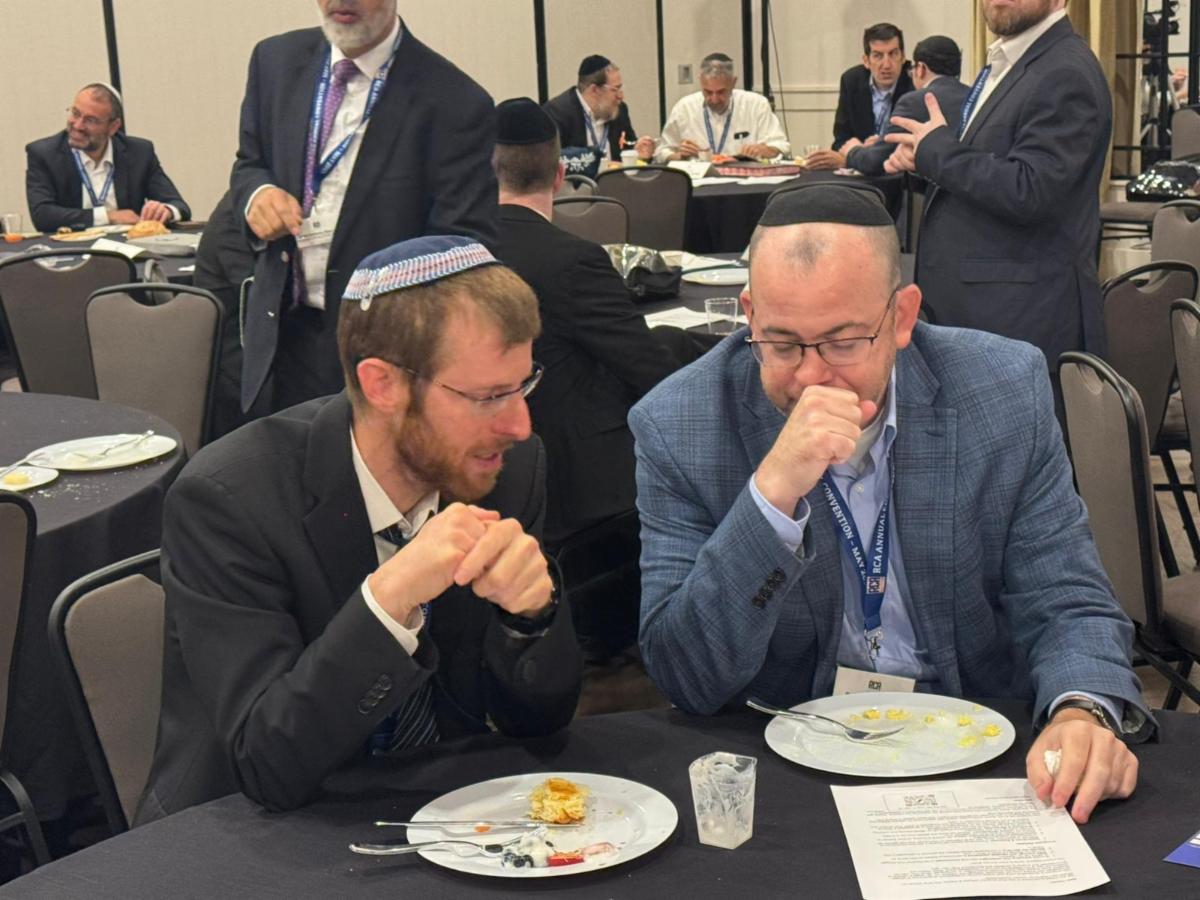
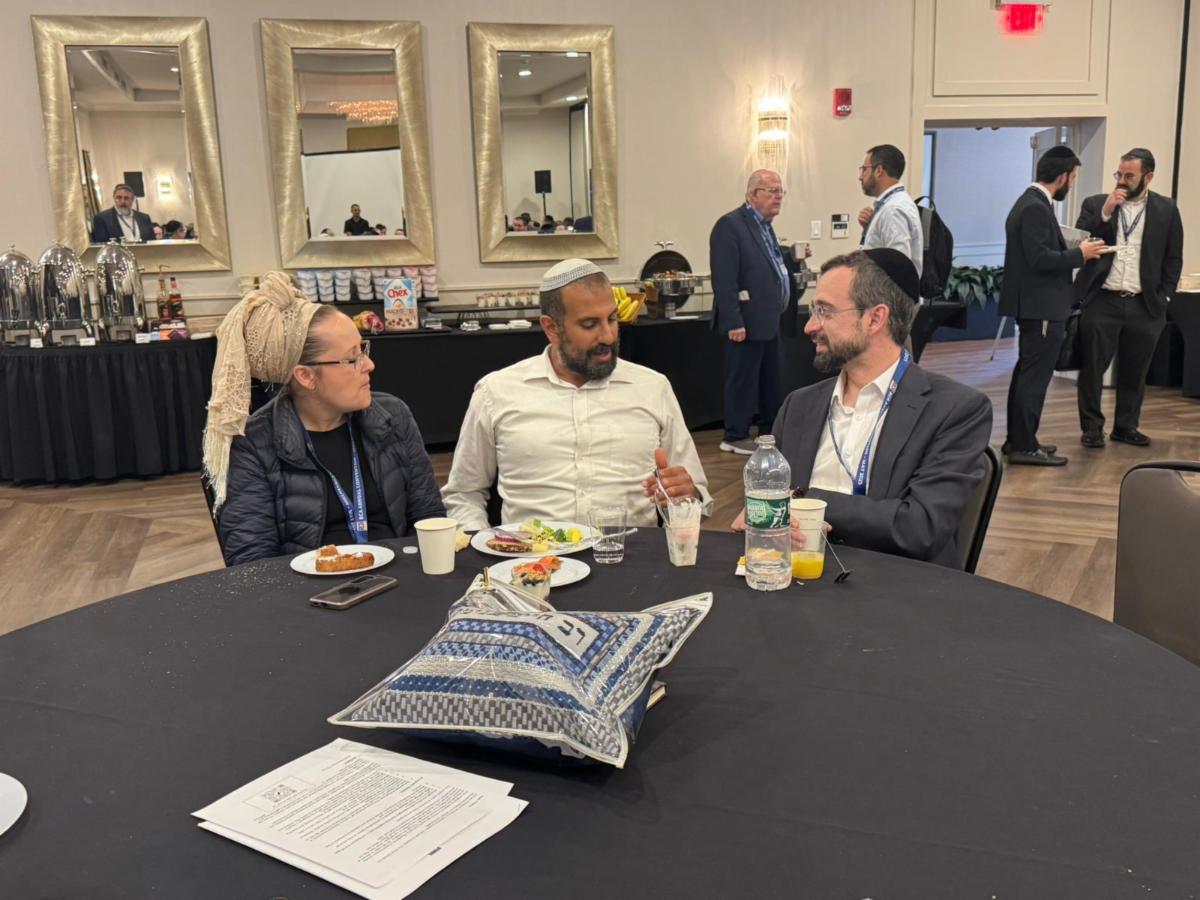
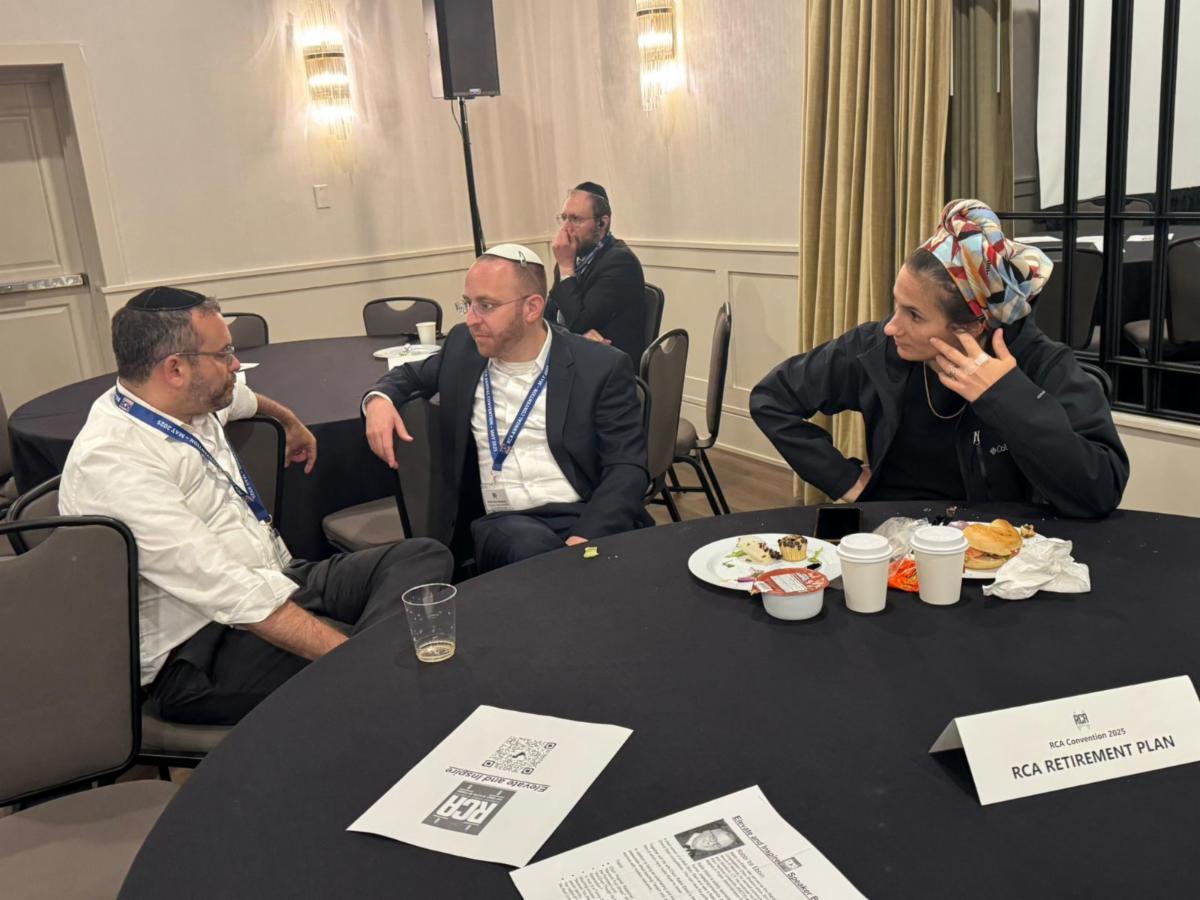
  • If you attended, and haven't yet filled out the survey, please do so; we can only improve if we have your input.
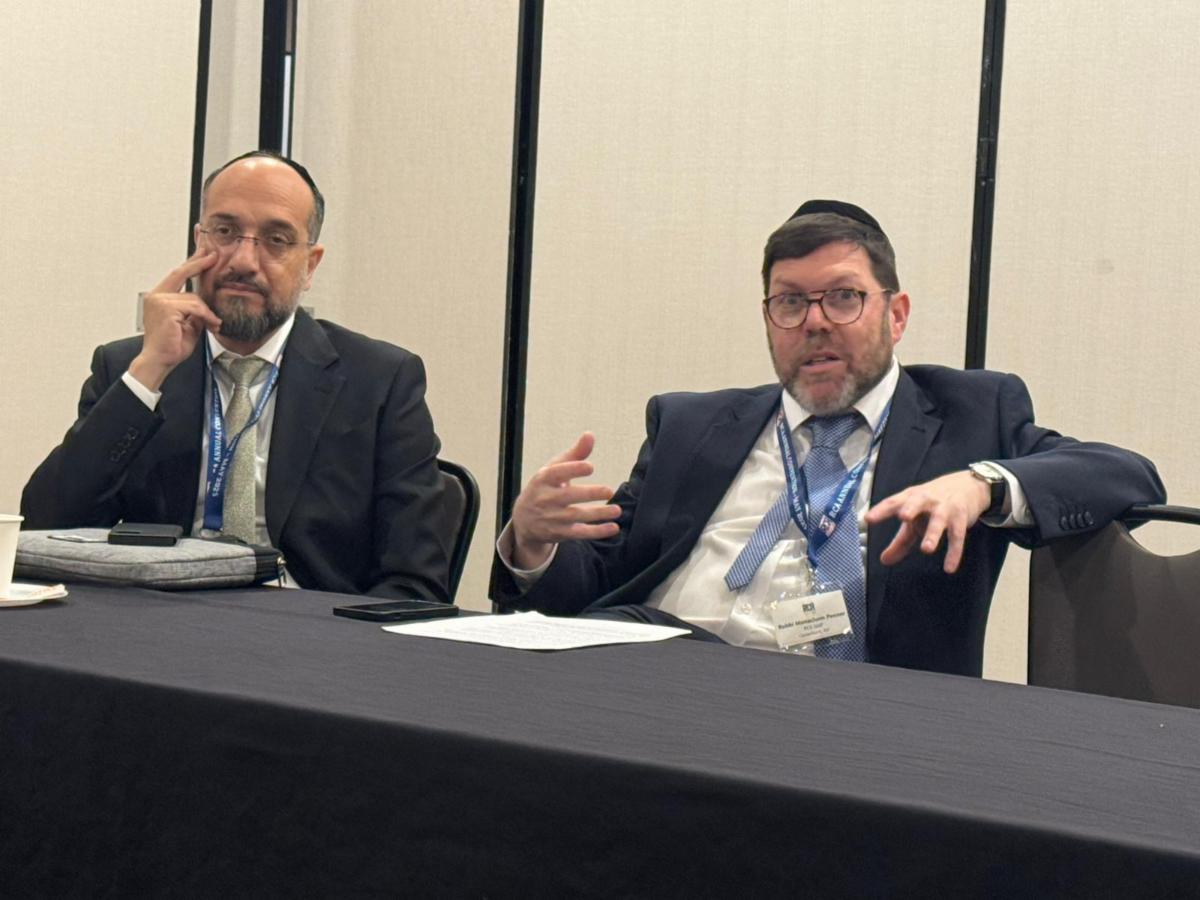
  • Among our many sessions, I had an opportunity to present with R’ Moshe Hauer of the Orthodox Union. on their reflections on their lives in the Rabbinate. Click Here to watch.
  • At the (incredible!) Convention, TorahAnytime partnered with us to professionally record all the sessions and offered a special opportunity — free Yahrzeit dedications — and many of you took advantage by submitting names of loved ones. Good news: If you didn’t get a chance, they’ve extended the offer until Thursday night at 11:59 PM! This is a powerful way to dedicate the Torah learning of 40,000+ hours per day on TorahAnytime in memory of a loved one — completely free, no strings attached. Submit a name now at FREEDEDICATIONS.com.


2) RCA Joint Shul Mission to Israel Summer 2025


Our brothers and sisters in Israel still need our support and chizzuk. Running a mission trip on your own can be difficult, but it becomes much more manageable working together. With that in mind, we are providing a platform for you to arrange joint Israel mission trips, with other RCA-led shuls. To join and help arrange, fill out this spreadsheet.

••••••••••••••••••••••••••••••••••••••••


In Our RCA Family


  • Mazel Tov to our chaver David and Ilana Gottlieb on the wedding of their son Yosef

••••••••••••••••••••••••••••••••••••••••


Chomer Lidrush - Bamidbar and Shavuos Edition!

Ideas to turn your gears heading into the parsha


1) Bamidbar: The Chiddush of Counting: Why This Army Was Different


The saga of Am Yisrael in the midbar begins with Moshe being commanded to take a census. Who is counted? “All that are able to go to war” (1:3). It’s strange to speak of an army at this point, as R’ Pinchas Peli asks: “Why an army? Weren't they used to the miracles wrought by God and Moses … He who subdued their fierce enemies in Egypt, He who split the sea for them — Isn't He going to help them reach their destination as He had promised time and time again?”


He suggests that this counting matters because this army is different. This wasn't counting professional soldiers, mercenaries, or slaves forced to fight. This was everyone. Rich, poor, skilled, unskilled - if you were an able-bodied male of age, you served. Period. “"Everyone, without exception, if eligible by age, is to be conscripted. Everyone serves equally."

This was the chiddush of a Jewish army – and it’s the same question that has been relevant since the modern State of Israel, especially so now, if you’d like to go that route (you may want to connect this with the stance of Rav Tamir Granot, who joined us on our convention and discussed this issue – see his essay here, in English) – ancient armies were typically composed of either professional warriors, hired guns, or enslaved populations. Assyria, Babylon, Egypt, Greece, Rome - none had universal conscription. The idea that citizenship itself carried military obligation was unheard of. This census wasn’t about counting heads; it was creating a citizen army and teaching us the yesod that freedom requires everyone to have skin in the game.


2) Bamidbar: Why Was the Torah Given in the Desert? 


Why was the Torah given in the desert? Granted, this may work for Shavuos as well, but beginning the fourth sefer of the Torah – named for the desert in which it takes place – warrants this discussion as well. Here are a couple of approaches:


A) In a classic drasha, Rabbi Lamm deals with this question:


Had the Torah been given to our people while they were Egyptianized Jews, then their Egyptian habits and customs and mores would have been accepted as part and parcel of the Divine Teaching, and later generations would have not been able to distinguish between what belonged to Pharaoh and what belonged to G-d; and as a result, the Torah would not have been passed on to the generations which settled in other lands and lived amongst many widely divergent types of people and culture. What would Torah have been like if instead of the saying of Kaddish and the dedication to holiness, Jews would have insisted upon building "soul-boats" and pyramids, as the Egyptians did?


… If, for that matter, Torah were given to us in any kind of settled condition, it would have been thought to be dependent on that culture, and would have lost its force long, long ago. It is precisely for that reason that it was given Bamidbar, in the place which was Hefker LaKol, completely unclaimed, a cultural vacuum and void. It was meant to teach all succeeding generations of Jews that Torah is sufficient in and of itself, that it must never be declared the hand-maiden of other cultures, that it must never be made to kneel to local customs and habits, that it must never be approached with the irreverent and narrow minds of provincials who believe that their particular way of living is the most important in the world and its history and that Torah must be cut down to their size. The only way to teach that was to give Torah in the vast emptiness of the Sinai wilderness - so that Torah to us is eternally independent, and the essence of life in and by itself.


B) While this is arguably Rabbi Lamm at his best, it’s worth seeing Rav Soloveitchik’s words on this as well:

This casts a light upon our mysterious historical destiny. Our nation was born in the crucible of exile, bondage and suffering. We emerged as a people from the sand dunes of the Sinai Desert where we wandered forty years. Why could we not rise as a people in our own land in prosperity and abundance? The answer is simple. If our morality had to be one of kindness and Hesed, it could not be formulated for people who knew not what suffering is. Only people in exile could understand and appreciate a morality of kindness. Therefore, galut was a central experience in the life of our patriarchs and it still is a major experience in our lives. (Abraham’s Journey, p. 197.)


3) Shavuos: One Day Can Change Jewish History – And We Feel It Every Day


You have likely spoken about how just one single day can change the course of Jewish History in the context of Oct. 7th and this ongoing war. Rav Adin Steinsaltz z”l argues that Matan Torah at Har Sinaijust a single day – is the single most important event in Jewish History, even more significant than Yetzias Mitzrayim, conquest of Eretz Yisrael, or building of the Beis Hamikdash:


"The day of the Giving of the Torah is indisputably the most important date in all of Jewish history … This event is singular and without parallel in the history of any other nation, whether in recorded history or in folk tales … it is an event from which there is no turning back. The change in essence and status brought about by the Giving of the Torah is such that the Jewish People cannot back out of it even if they so desire … Ever since the Jewish People's transformation at the revelation at Sinai into 'a kingdom of priests and a holy nation,' it can no longer become something else."


It's the perfect parallel, especially for Yizkor and recognizing the impact loss can have: in our lifetime, just over 600 days ago, we experienced a day that changed the course of Jewish history; contrast that day with one 3,333 years ago – it changed us even more, and we feel the effects of that change every waking moment as the People of the Torah.

4) Shavuos: Yom HaKahal – Becoming a People Who Gather


Rav Zvi Dov Kanotopsky explores why Shavuos is called Yom HaKahal in the Torah (Ekev, 9:10): it’s not simply because the Jewish People gathered – that happened other times as well. Instead, it’s because this day of Matan Torah is a day that turned us into a people who gather: "Here we experienced prophecy. Here the congregation of Israel experienced – to use our modern terminology – a confrontation with God. That drama is, indeed, the very cornerstone of our faith … I should like to suggest that the day of revelation is known as Yom HaKahal because, as a result of that experience, something very significant happened to Knesses Yisrael. The experience gave the kahal a unique character, a unique direction, and a unique purpose."


Rav Kanotopsky draws from the Meshech Chochmah to paint the people themselves became the "boundaries" around the sacred space of Har Sinai, imbued with lasting kedushah (this is an idea we highlighted a few months ago for Parshas Terumah). He argues that the Torah presents three different dynamics between God and the people in the pasukim about Yom HaKahal: (1) God speaking to quiet listeners; (2) God speaking with active participants (dialogue); (3) The people initiating interaction with God.


The bottom line: Shavuos represents the foundational moment when the Jewish people received not just the Torah, but their unique identity, purpose, and relationship with God and eachother that continues to guide us today.


5) Shavuos: Modalities with God


Our relationship with God, says Rav Yitzchak Avraham Twersky, operates on two modalities: that of a child, and that of a spouse. Both are essential and incomplete without the other: "The marital analogy captures a passion that is lacking in the parent-child imagery. It also adds the aspect of choosing that is absent from the parental relationship. On the other hand, the parental image connotes the permanence and absolute commitment that the spousal does not."


The “parental” relationship existed before Matan Torah – it is inherent, no matter what; the “marital” aspect, though, is connected to Shavuos, our chuppah with Hashem. Rav Twersky highlights the third perek of Yirmiyah to drive these analogies, ultimately arriving on the unique nature of Shavuos: "This is the secret of Shavuos. Unlike all other festivals, Shavuos has no unique mitzvah. Its only obligation is simchas Yom Tov; the celebration of the fact that we were given the Torah. This is the challenge of the day. The obligatory chosen-ness of banim laMakom must be supplemented with the rejoicing and free chosen-ness of the spousal relationship."


A very strong concluding point: “There is a constant question mark concerning when and if we receive the Torah. We are counting the steps along the way towards that goal, as those steps are a reality. The point at which we reach the goal, the end of the road, is not a given. We cannot act as if it is at a fixed point that we will reach at a certain time.


…Perhaps it is for this very reason that we do not actually count the final day of the 50. We are indicating that the challenge of kabbalat haTorah is always before us, never truly attained."

••••••••••••••••••••••••••••••••••••••••


Manning the Media


1) The Science of Tzedakah: "Why Giving Makes Us Happy"

Harvard Business School


New Harvard research confirms what our mesorah has always taught — giving to others genuinely makes us happier. The study reveals three keys to maximizing joy from charitable acts: active involvement (rather than passive donation – be sure to emphasize this one to your congregants!), having choice in where we give, and seeing concrete impact from our generosity. When these conditions are met, acts of tzedakah can create what these researchers are calling a "positive cascade" — the joy of giving motivates us to give even more.


2) "The World in its Extreme": Profile of a Desert

William C. Langewiesche, The Atlantic (PDF)


Most of us have no conception of what desert life actually entails. You might be thinking about it, beginning sefer Bamidbar on Erev Shavuos (the Torah was given in the desert, after all). We imagine sand dunes and occasional oases, perhaps some romantic notion of Bedouin camps under starlit skies. But William Langewiesche's extraordinary 1990 journey through the Sahara reveals a reality far more extreme and spiritually significant than our comfortable assumptions.


In the world's largest desert – "about the size of the United States including Alaska" - Langewiesche encounters a landscape that strips away all pretense and forces a confrontation with absolute dependence on divine providence. It was specifically in this harsh, unforgiving environment that Hashem chose to give us the Torah. Not in the comfort of settled civilization, but in a place where survival depends entirely on divine providence.


The Midrash teaches that the Torah was given in the midbar because it belongs to no nation – it is hefker, available to all who are willing to make themselves like the wilderness. But Langewiesche's account suggests something deeper: the desert creates the spiritual condition necessary to receive divine wisdom. When stripped of all material security, when faced with the raw power of creation, one develops the humility and faith essential for spiritual growth.


A quick note: parts of it are graphic and difficult to read – such is the reality is this kind of place.


• • •


Read something that made you think? We’d love to read it, too – and then feature it! Drop us a line and let us know how we’re doing. 


Did our chomer help you over Shabbos? Want to see more of less of an idea? Let us know!


••••••••••••••••••••••••••••••••••••••••


Partnered Content


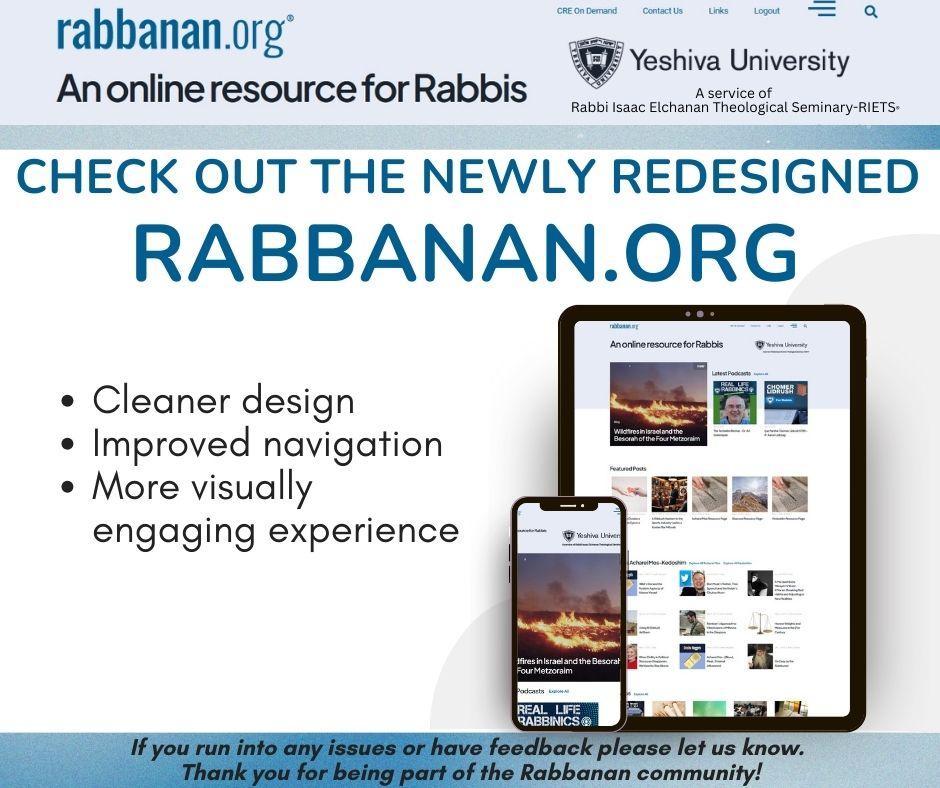
RIETS is excited to share that the newly redesigned Rabbanan.org just launched!

The new site features a cleaner design, improved navigation, and a more visually engaging experience.


If you run into any issues or have feedback please don’t hesitate to reach out lavenda@yu.edu.

RCA-BARKAI EXCHANGE PROGRAM LAUNCHES 🇮🇱🇺🇸

Kickoff at Suffern Convention


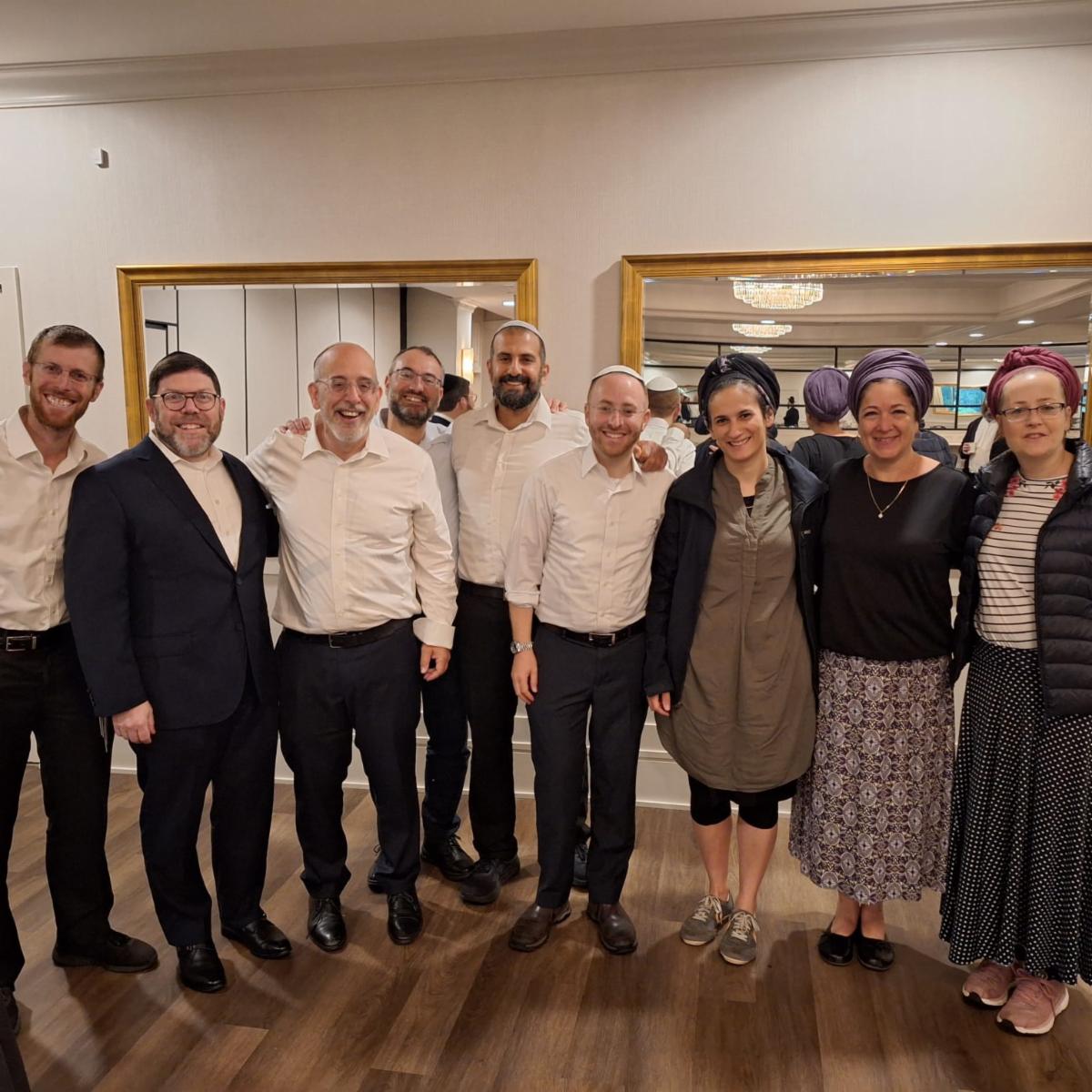
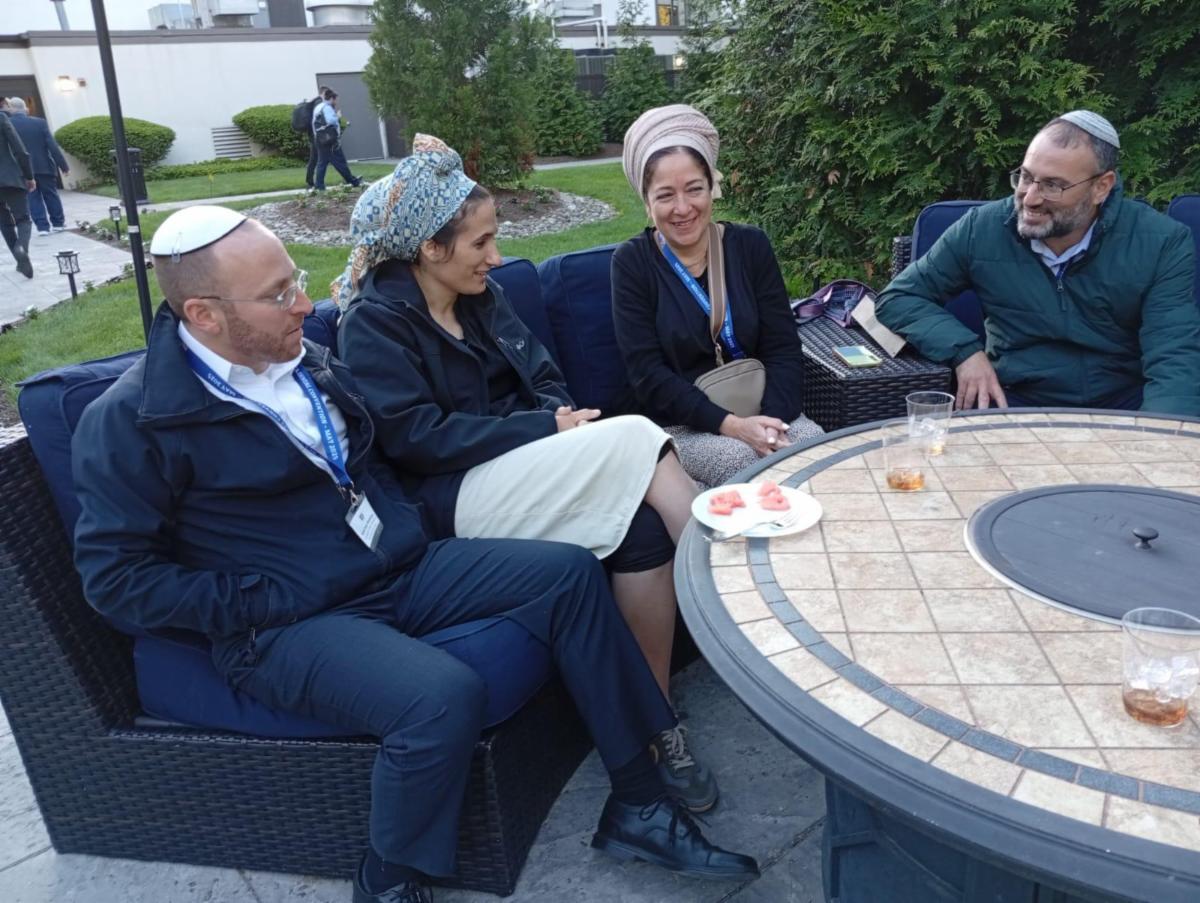
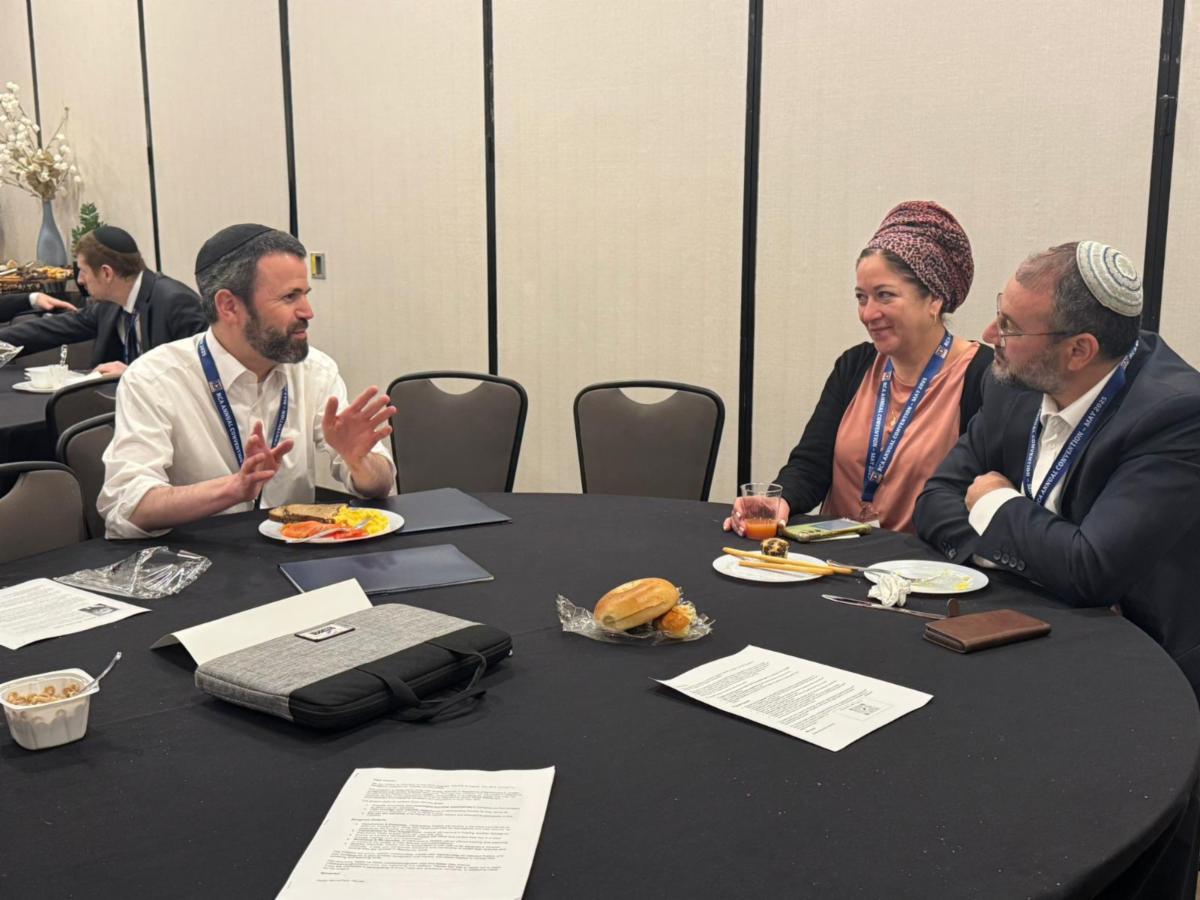
The recent RCA Annual Convention in Suffern, NY marked the exciting kickoff of the RCA-Barkai Rabbinic Exchange and Community Twinning Program. This groundbreaking initiative paired six North American rabbis with six Israeli rabbis from the Barkai organization, creating meaningful partnerships designed to strengthen ties between Israel and the Diaspora.

Shabbat Hosting & Teaching


During the Shabbatot surrounding the convention, the Israeli rabbis were graciously hosted by their American counterparts in communities across the region. These visiting rabbis brought powerful messages of Torat Eretz Yisrael to American congregations, sharing insights about:


  • Leading Jewish communities during times of war
  • The unique spiritual perspective from life in the Holy Land 
  • Lessons from Israeli rabbinical leadership

Mutual Learning


"The Israeli rabbis' participation gave the convention a distinctly Israeli feel, enriching our discussions and deepening our connection to our brothers and sisters in Israel."


The program proved mutually beneficial, as the Israeli rabbis gained valuable insights into American Jewish community life—particularly aspects of community building that they noted are "somewhat missing in Israel." These lessons will be invaluable as they return to strengthen their home communities.

Looking Ahead: November Israel Visit


The exchange continues this November when the American rabbis will make their reciprocal visits to Israel, experiencing firsthand the communities and congregations of their Israeli partners.


Both the RCA and Barkai organizations hope that these individual and communal ties will serve as a model for strengthening the vital relationship between Israel and Diaspora Jewry.


Special Recognition 🙏


Thank you to the organizers who made this exchange possible:


From America:

  • Rabbi Chaim Strauchler
  • Rabbi Michael Davies


From Israel:

  • Rabbi Reuven Tradburks
  • Rabbi David Fine


Their dedication and vision brought this important initiative to fruition.


This program creates lasting bonds that transcend geographical boundaries and foster mutual understanding between Israel and Diaspora communities.

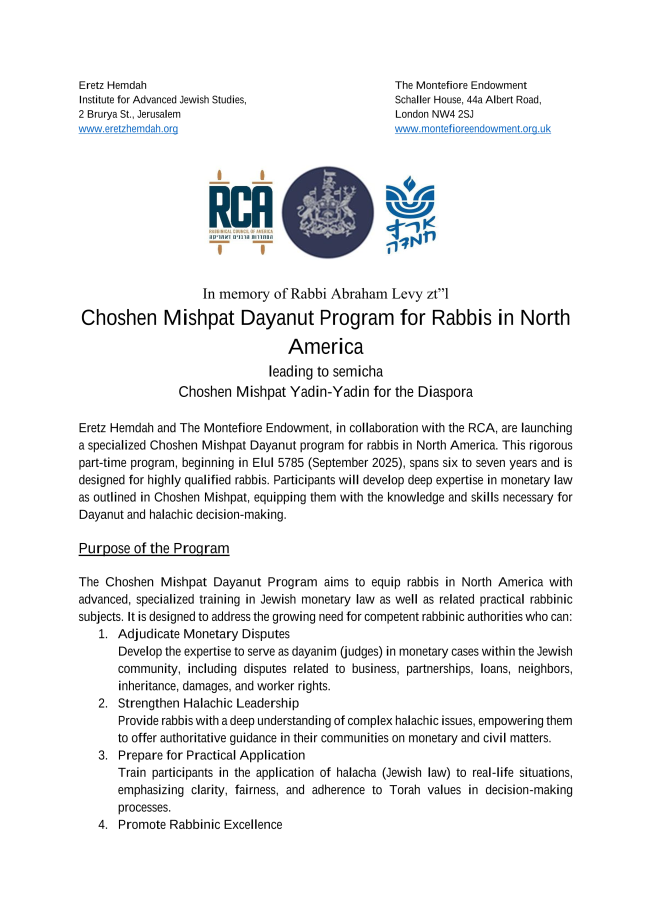
ERETZ HEMDAH CHOSHEN MISHPAT DAYANUT PROGRAM FOR RABBANIM IN NORTH AMERICA

TRADITIONONLINE

Unpacking the Iggerot: Brooklyn Eruv Battles

by Moshe Kurtz, Click Here


A New Offering: Zechariah Haber’s Legacy

by David Shatz, Click Here

NISHMA RESEARCH CENTER SURVEY

Community Survey: Family Life, Marriage, Divorce


In this survey, married people can share the factors that make marriage succeed. Divorced people can share what they view as the factors that lead to divorce. Singles can explain how divorces affect them. How do childhood experiences affect people? What did divorcees who remarry do differently? And much more!


The survey is being sponsored and conducted by Nishma Research, as a service to our community. Its founder, Rabbi Mark (Moish) Trencher will be happy to answer any questions you may have about the survey … mark@nishmaresearch.com.

BOOK REVIEWS


by our chaver R. Reuven Chaim Klein

  • Articles of Faith by our chaver R. Gil Student, Click Here (available from KodeshPress.com)
  • Rabbinic Scholarship in the Context of Late Antique Scholasticism: The Development of the Talmud Yerushalmi by Dr. Catherine Hezser, PhD, Click Here (available from Amazon.com)

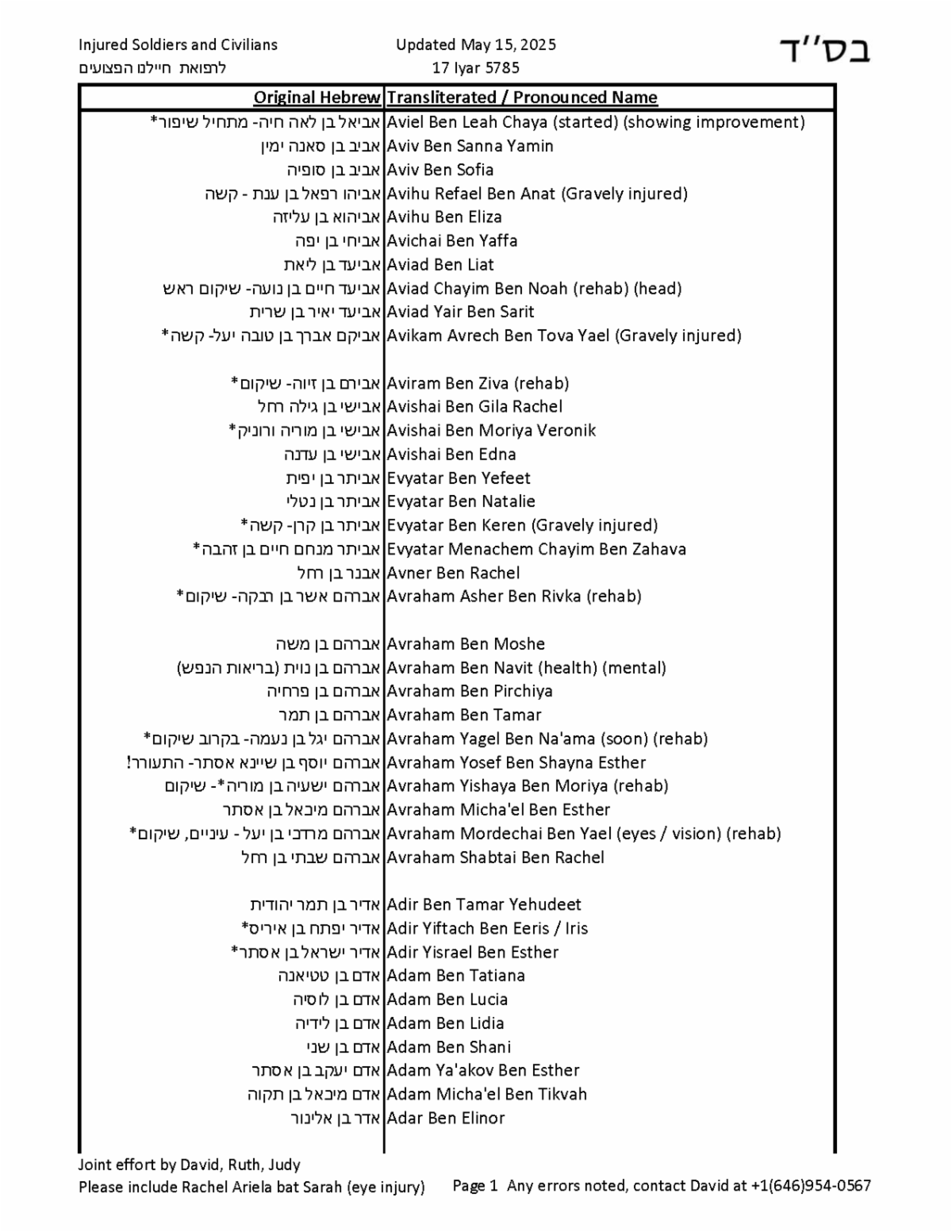
חללי ופצועי צה"ל במלחמה

c7a1745c-f681-460c-89a5-2ed9d869ab65 image

INJURED SOLDIERS AND CIVILIANS

(As of May 15, 2025)

With thanks to Rav Dovid Fine

••••••••••••••••••••••••••••••••••••••••


  • Who We Are
  • Click here to order the RCA Madrikh
  • RCA - Assistance in Contract Negotiations, Apply Here
  • The RCA Siddur Avodat Halev is available from Koren Publications at a discount by contacting shlomop@korenpub.com
  • Interest free loans of up to $5000 are available to RCA chaverim through the Rabbi Myron and Sarah Rakowitz Fund. Please contact Menachem Penner for more information.
  • Burial plots are available in the RCA section of Eretz haChaim Cemetery in Bet Shemesh. Contact Dovy Grunbaum, 1-866-437-2210, for details.
  • To sign up for the RCA Health Insurance Plan contact Jay Wildstein at the Grober-Imbey Insurance Agency, 516-872-9500 x3027
  • RCA Retirement Plan Resources Click Here. For information about the RCA Retirement Plan contact Steven Greenbaum, Altigro Pension Services, at 973-439-0200, ext. 224.