June 5, 2025 • ט׳ סיון תשפ״ה

IN THIS WEEK'S EMAIL

RCA Updates

In Our RCA Family

Chomer Lidrush

Manning the Media

Partnered Content

•••••••••••••••••••••••••••••••••••••


RCA Updates


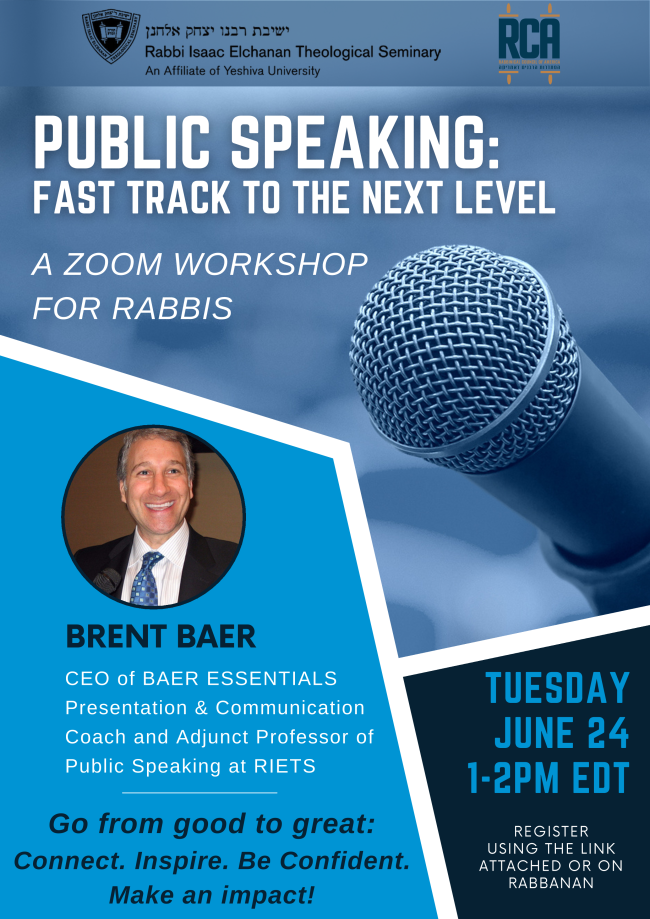
1) Exciting News! We're hosting a special public speaking workshop for rabbis on Tuesday, June 24th at 1-2pm EDT. Join presentation expert Brent Baer, CEO of Baer Essentials, as he shares proven strategies to help you go from good to great - connecting with your kehillos, inspiring confidence, and making a real impact from the bimah. This fast-track Zoom session is designed specifically to ready you to take their speaking to the next level. Register now!

2) Our thoughts are with our colleagues in Colorado after the terrorist attack in Boulder. See the Statement of the Conference of Presidents of Major Jewish Organizations which speaks on behalf of us and so many other partner organizations.


3) End of Year Donations. Your support is more essential than ever as the RCA continues to grow and expand its offerings. Click here for a two-page overview of the RCA, which was shared with attendees at the convention. You can contribute here and help ensure that the RCA can continue to support you - the rabbis who uphold our community.


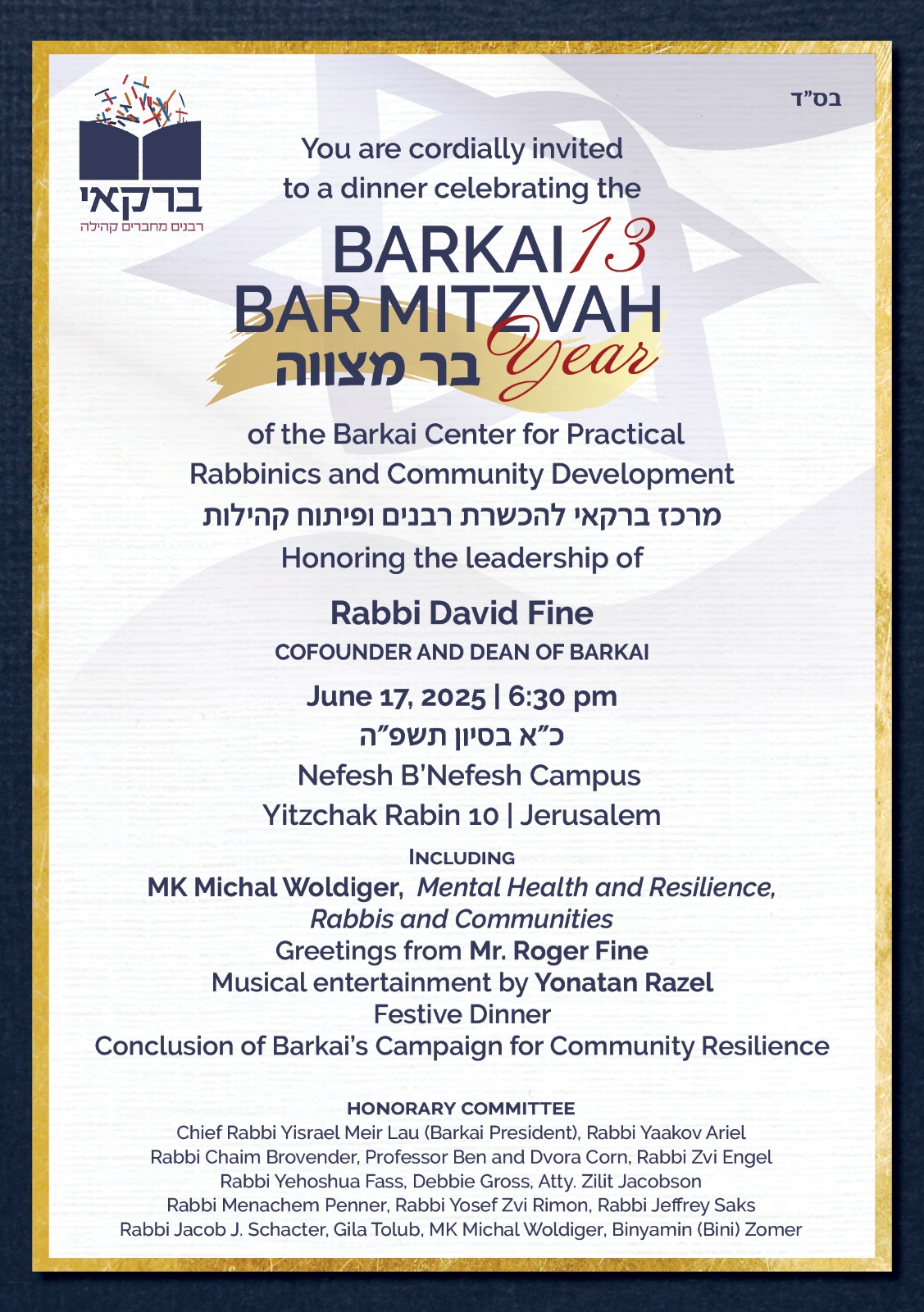
4) Thank you so much for David Fine and Barkai for partnering with us for such and uplifting exchange program. See below for more information.

•••••••••••••••••••••••••••••••••••••


In Our RCA Family


  • Mazel Tov to our chaver Pinny and Marie Beth Rosenthal on the birth of a granddaughter, Atara, to their children Shmuel and Miriam Rosenthal
  • Mazel Tov to our chaver Shlomo and Chana Zuckier on the birth of a baby boy

•••••••••••••••••••••••••••••••••••••


Partnered Content

Barkai Bar Mitzvah

•••••••••••••••••••••••••••••••••••••


Chomer Lidrush

Two quick ideas to turn your gears heading into the parsha


1) A Lesson from the Adjacency of Sotah and Nazir


Rashi (6:2) notes Chazal's explanation from Sotah regarding the juxtaposition of the parshas Sotah with that of Nazir: "To teach you that he who has seen a sotah in her disgrace should abstain from wine, because it may lead to adultery."

Witnessing the consequences of moral failure should inspire us to distance ourselves from those factors that can lead to our own downfall. A person who sees the sotah's humiliation should learn to refrain from wine – not because wine itself is assur, but because it can lower one's inhibitions and lead to the same path that brought the sotah to her tragic end.

The Maharal, in Gur Aryeh, notes that the question of semichus is not raised for every pair of adjacent parshiyos in the Torah; Sotah and Nazir present a particularly striking contrast that demands explanation – why do we darshen this particular instance of semichus?

Rav Shmuel Brazil offered (heard) a penetrating insight that extends this teaching beyond its original context. He suggests that if a person enters the Beis HaMikdash – a place of overwhelming holiness, beauty, and divine presence – yet their attention is immediately drawn to the little ugly, shameful phenomenon off in the corner, this reveals something profound about their spiritual state.

Such a person, Rabbi Brazil argues, needs to accept that radical change is necessary in their life. When surrounded by sanctity and majesty, if one's eyes naturally gravitate toward the sordid and shameful, it indicates that their spiritual priorities require fundamental realignment – such a person must become a nazir.


When we walk into shul, what immediately catches our eye? Do we notice the aron kodesh, the davening or quiet acts of chesed? Or does our attention gravitate toward who's talking, who's late, or what seems out of place? What we see first reveals our spiritual state. If we consistently notice the negative – even, amd especially in - sacred spaces, perhaps we need our own nezirus – deliberate boundaries in our social media, our conversations, or our routines that will help us focus on holiness rather than pettiness.


2) Proper Chinuch is Modeling Behavior


In our parshah, we encounter Nazirus; in the haftarah, we learn about the Nazirus of Shimshon.  An angel explicitly instructs his mother not to drink wine, eat anything from the grapevine, or consume anything unclean during her pregnancy (Shoftim13:4). This was to ensure that Shimshon would be a nazir “from the womb.”


Rav Soloveitchik zt”l (notes) understood this to be a reflection of the nazir having a heightened state of sanctity even from the womb – kadosh m’beten. His mother could not drink because teh wine would be passed to him in teh womb. But commenting on our parshah and haftarah, Rav Schwab zt”l (in Maayan Beis HaShoeavah) views it differently: the issur is not simply making sure nothing trickles down to the nazir fetus; it’s about the mother and the modeling she must do for her child.  

He explains: when one wants to imbue certain values in their children – certainly when one wants to raise their children with the raised level of kedushah of a nazir – the messaging begins with modelling. The way to instill this behavior is to practice it ourselves.

•••••••••••••••••••••••••••••••••••••


Partnered Content

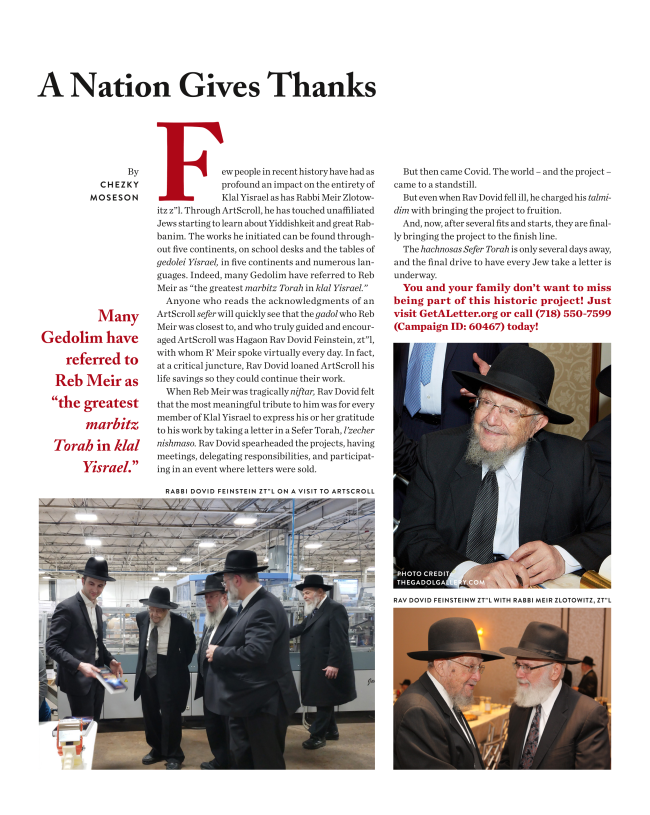
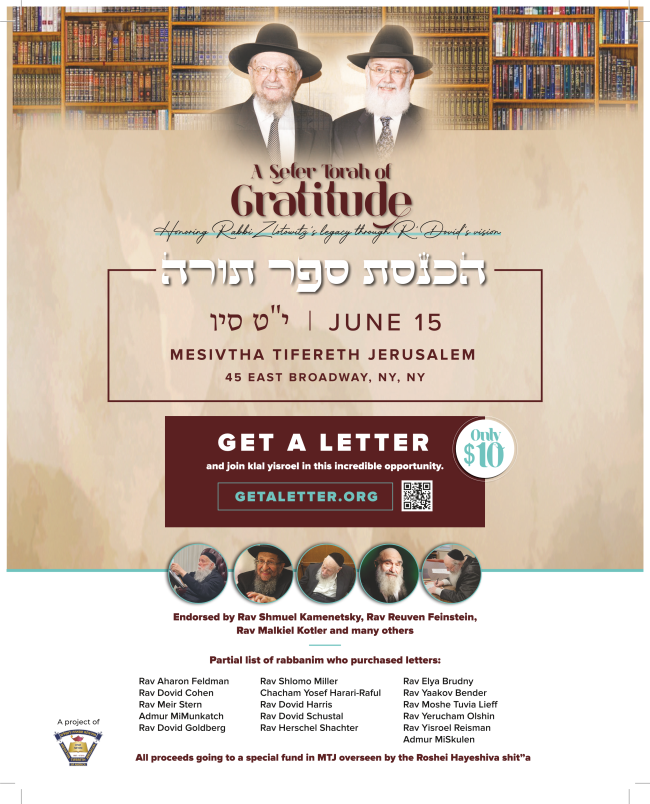
Sefer Torah Project

••••••••••••••••••••••••••••••••••••••••


Manning the Media


  • What We Really Taste when We Drink Wine

The New Yorker (PDF)


A fascinating New Yorker piece revealed how neuroscientist Daniel Salzman conducted a live experiment with 130 wine tasters. Two identical glasses, two different backstories. One wine came with a romantic tale of artisanal father-and-son winemakers using organic grapes grown on steep hills beside peach trees. The other? Just described as "commercial" and "typical."


The results were striking: people consistently rated the "artisanal" wine higher and automatically assumed it was more expensive – even when they were tasting the exact same liquid.


But here's where it gets really wild. Research shows our expectations don't just influence our opinions – they literally change our brain chemistry. When people think they're drinking expensive wine, their brains show increased activity in pleasure centers. The deeper question this raises: Does context matter, or are we all just victims of elaborate placebo effects?

• • •


Read something that made you think? We’d love to read it, too – and then feature it! Drop us a line and let us know how we’re doing. 


Did our chomer help you over Shabbos? Want to see more of less of an idea? Let us know!

RCA-BARKAI EXCHANGE PROGRAM LAUNCHES 🇮🇱🇺🇸

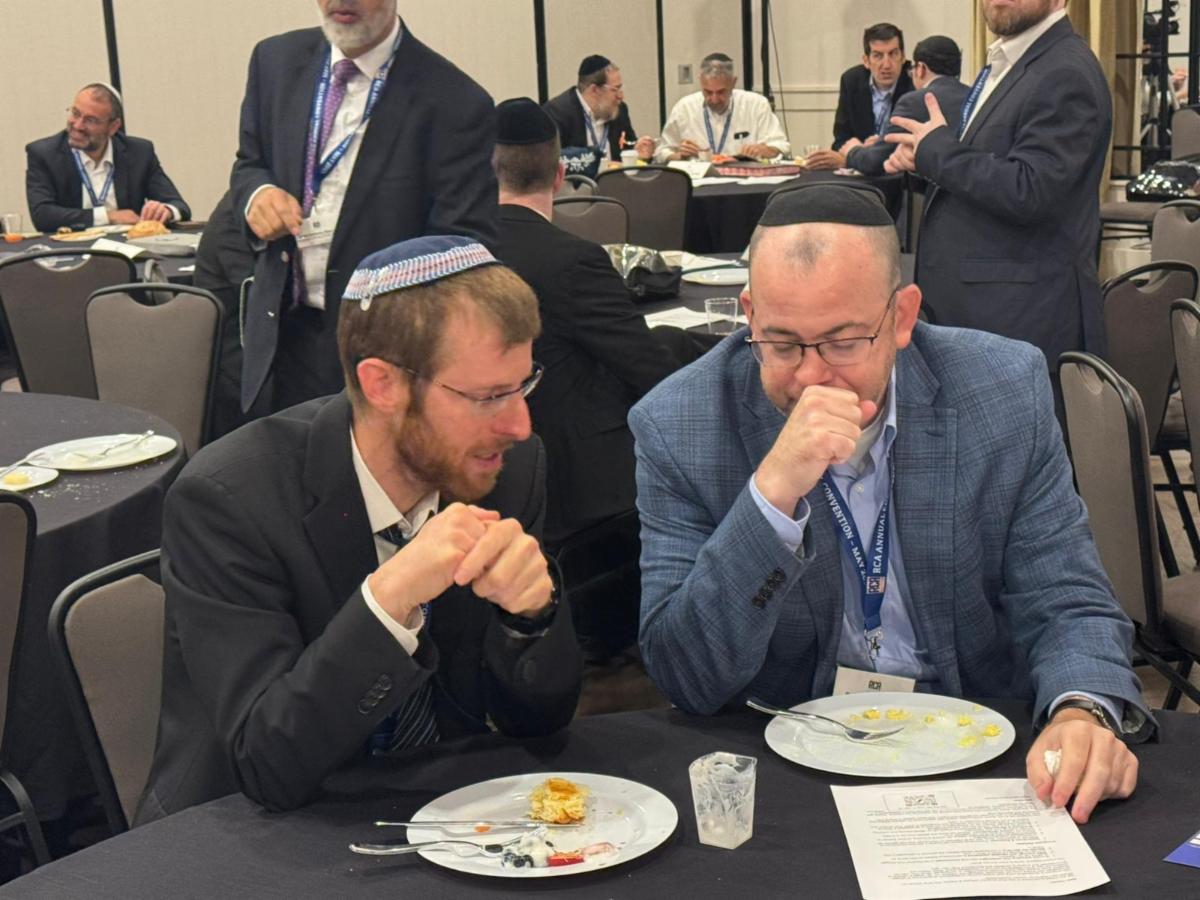
Kickoff at Suffern Convention


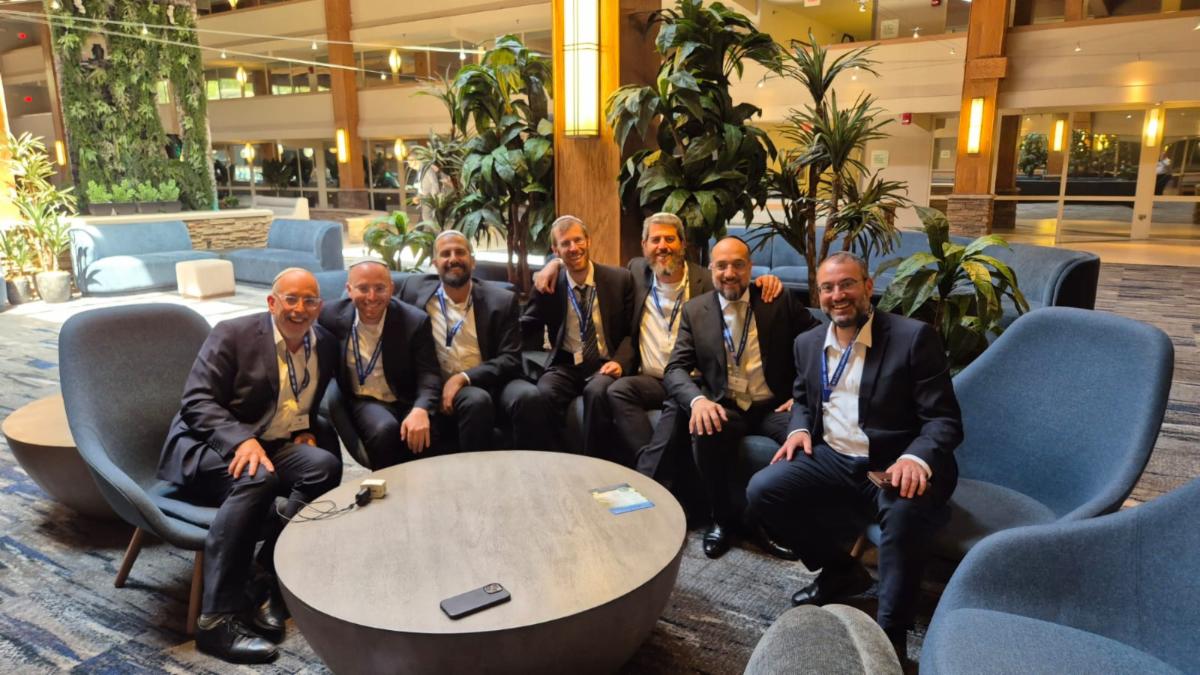
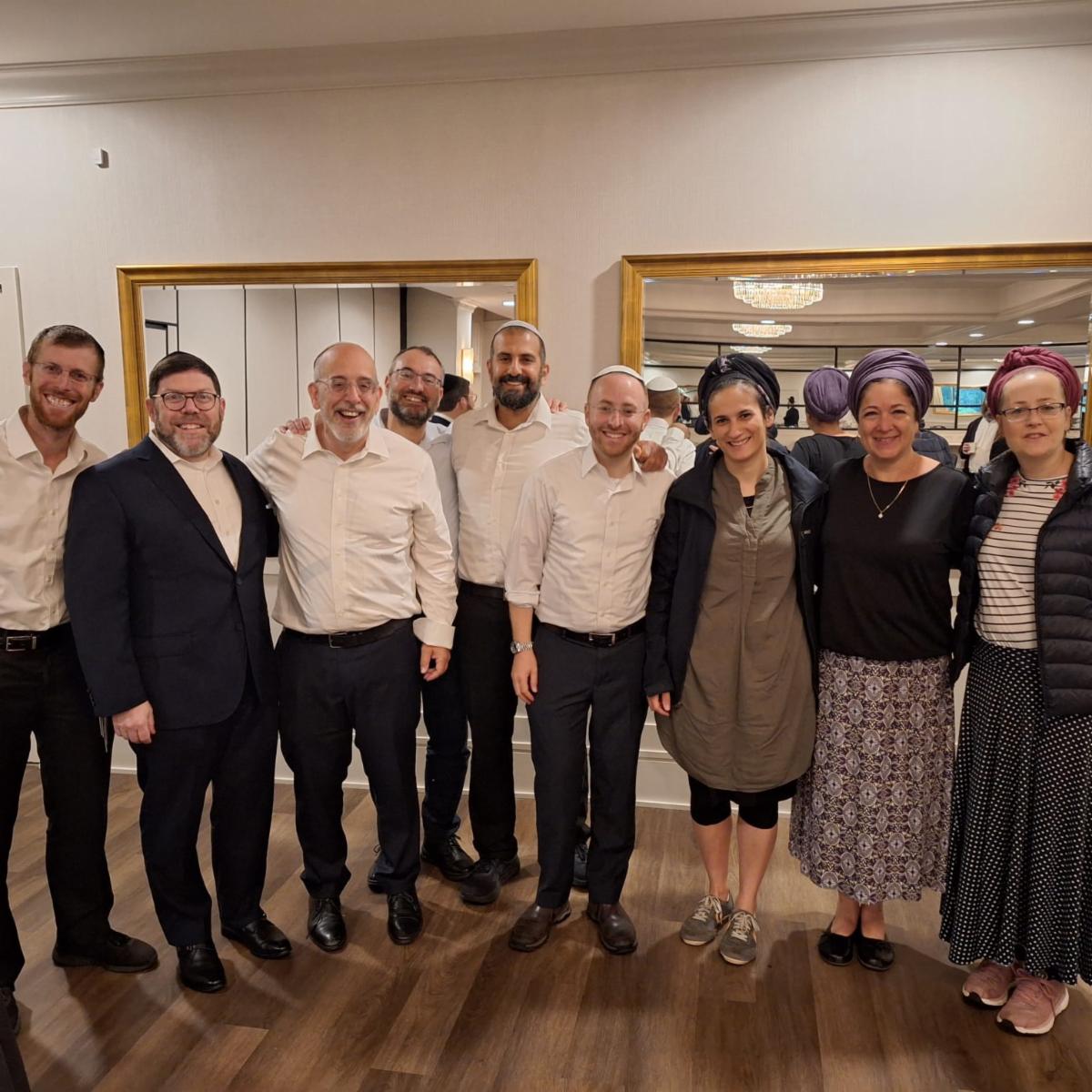
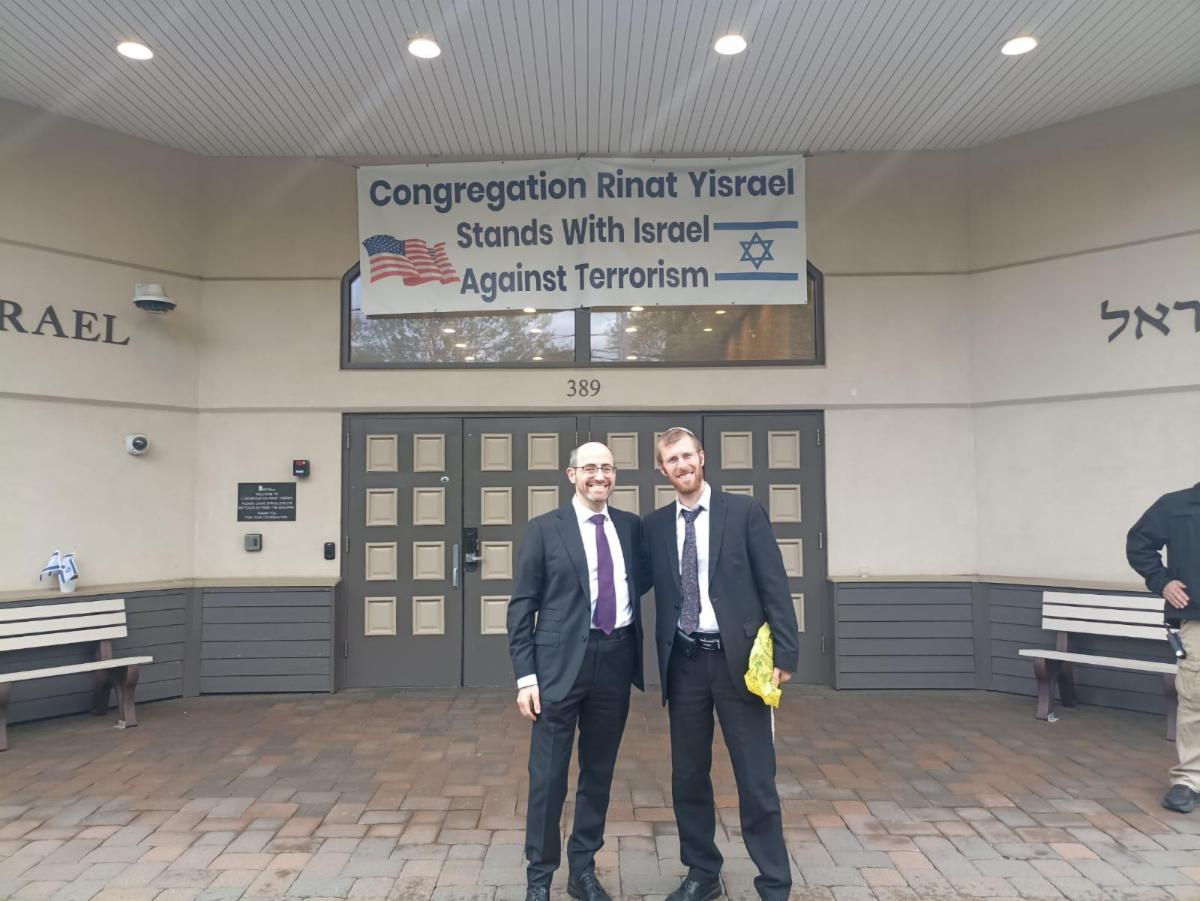
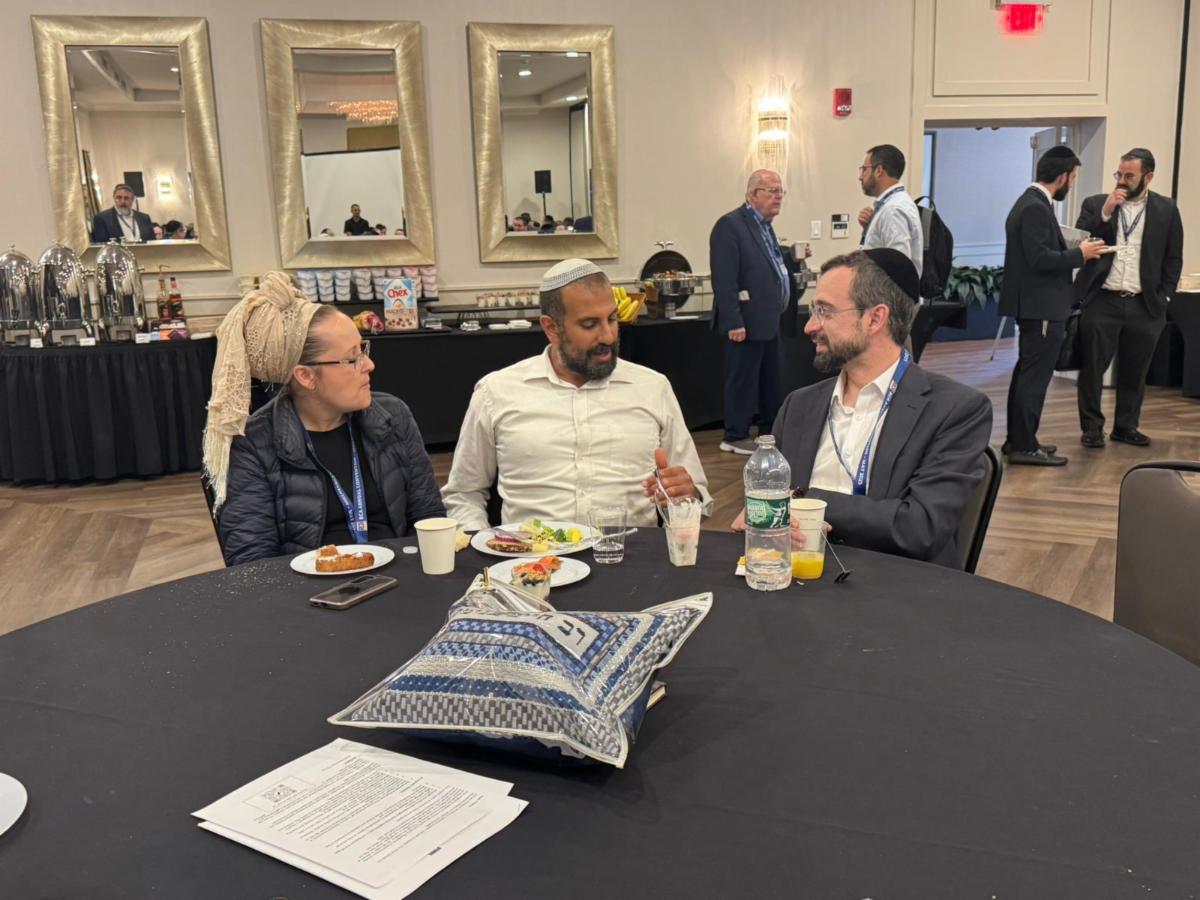
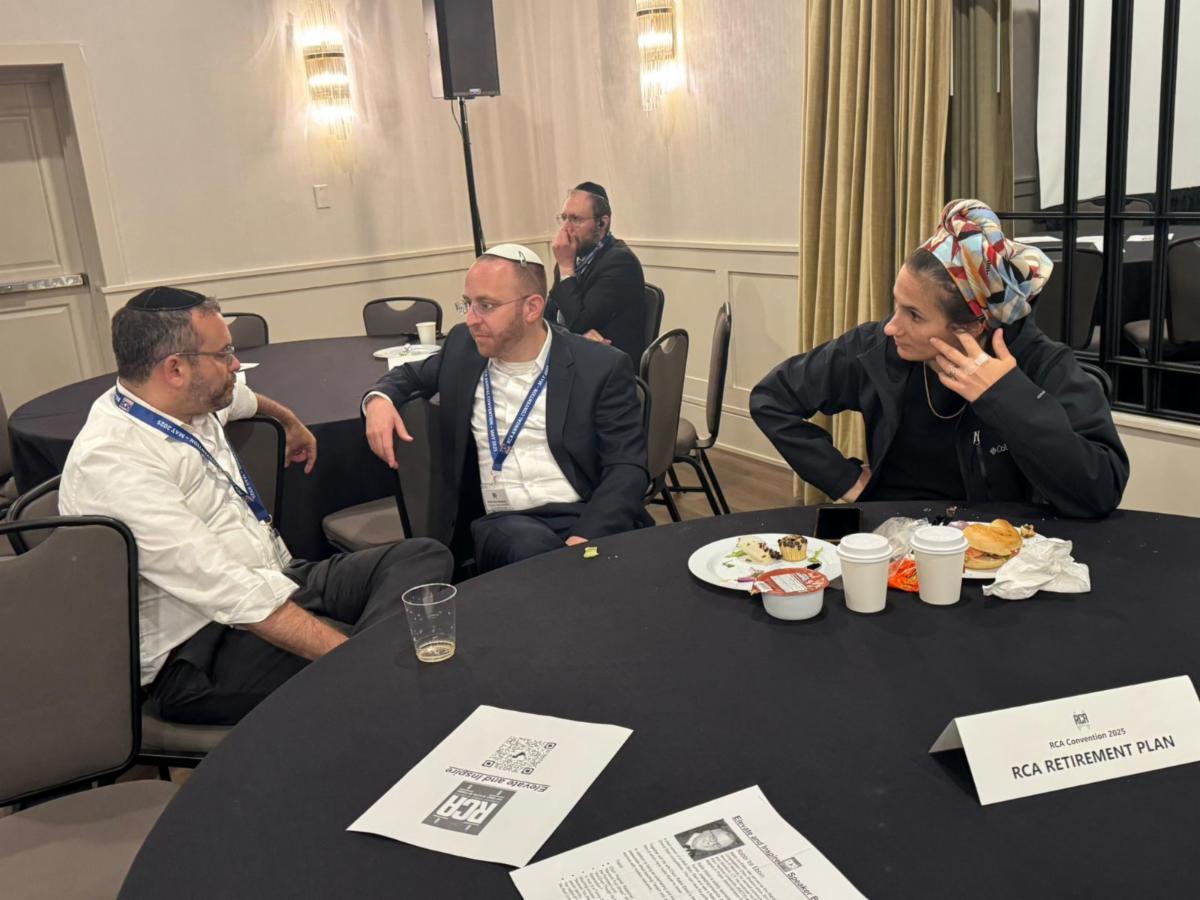
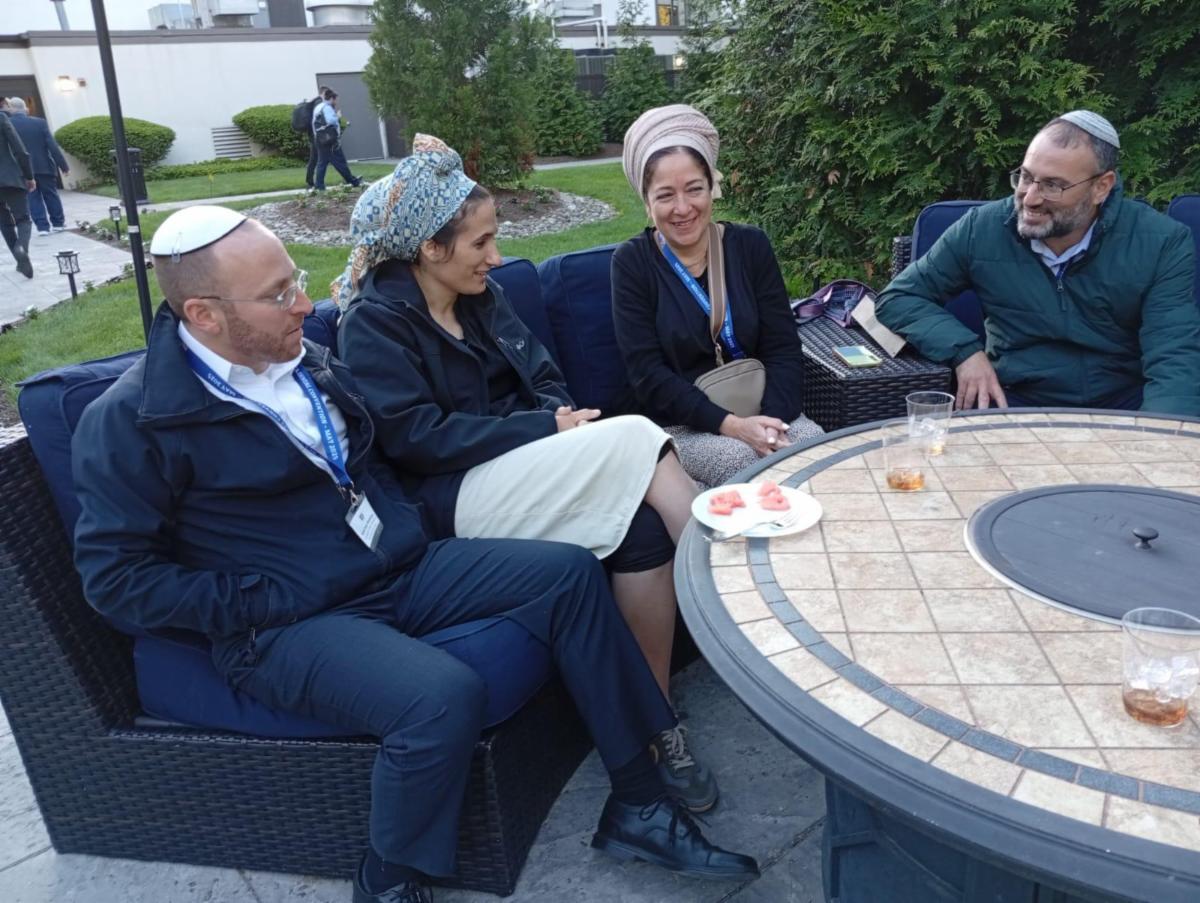
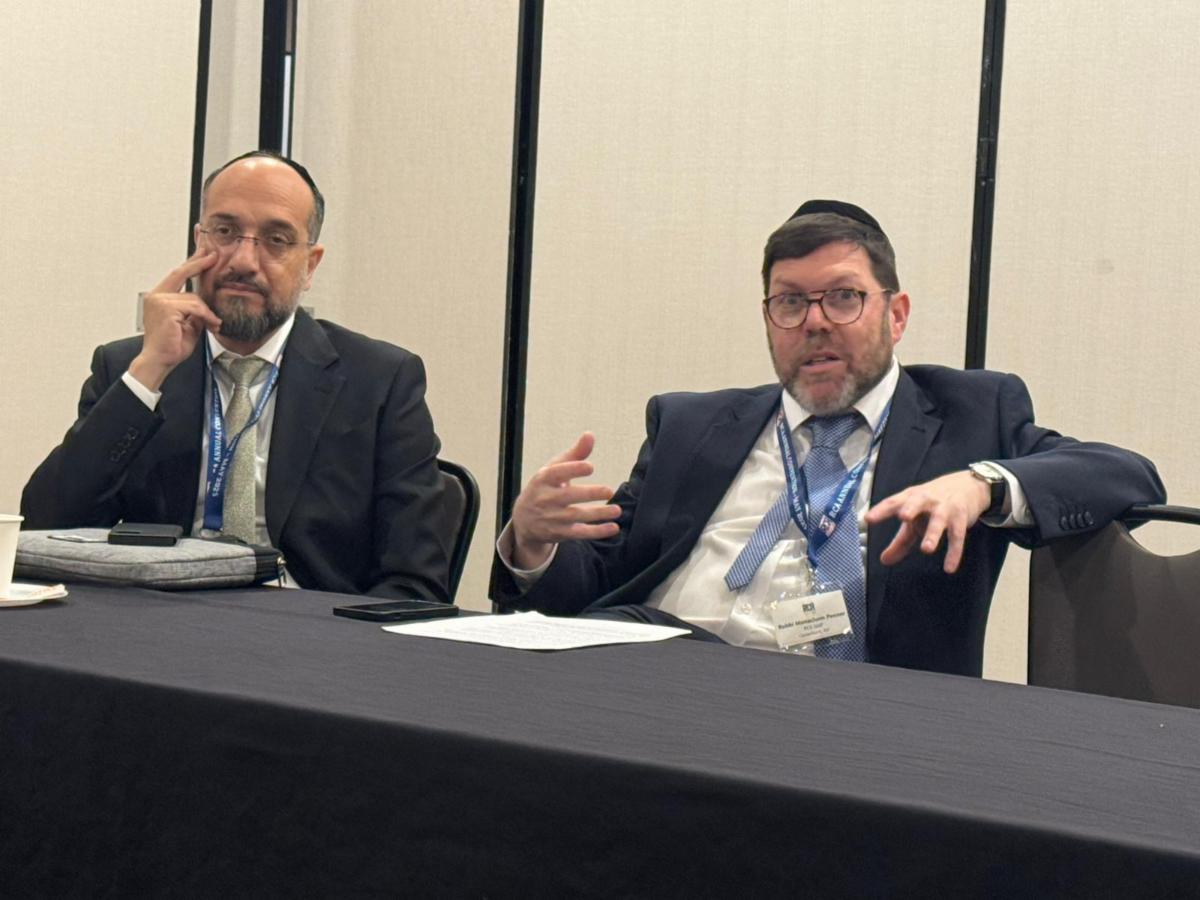
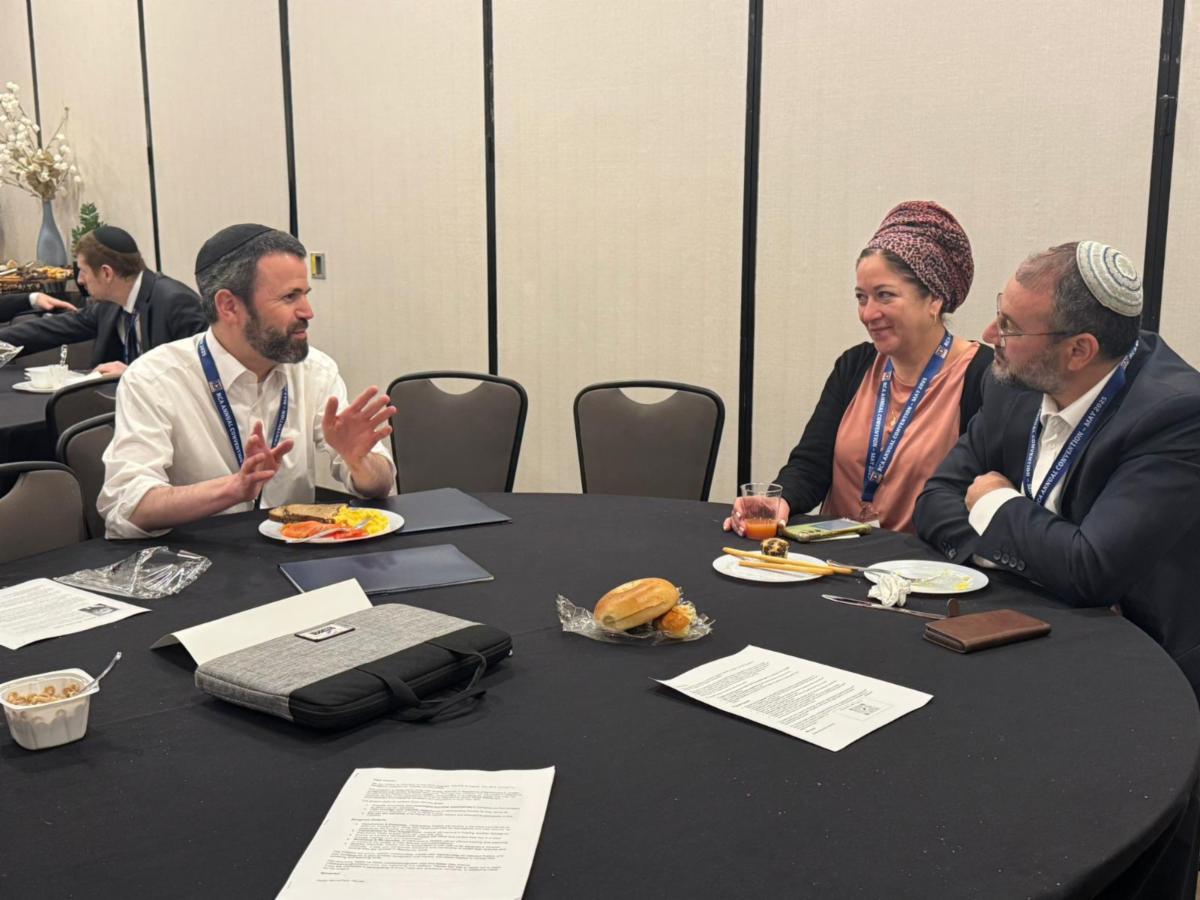
The recent RCA Annual Convention in Suffern, NY marked the exciting kickoff of the RCA-Barkai Rabbinic Exchange and Community Twinning Program. This groundbreaking initiative paired six North American rabbis with six Israeli rabbis from the Barkai organization, creating meaningful partnerships designed to strengthen ties between Israel and the Diaspora.

Shabbat Hosting & Teaching


During the Shabbatot surrounding the convention, the Israeli rabbis were graciously hosted by their American counterparts in communities across the region. These visiting rabbis brought powerful messages of Torat Eretz Yisrael to American congregations, sharing insights about:


  • Leading Jewish communities during times of war
  • The unique spiritual perspective from life in the Holy Land 
  • Lessons from Israeli rabbinical leadership

Mutual Learning


"The Israeli rabbis' participation gave the convention a distinctly Israeli feel, enriching our discussions and deepening our connection to our brothers and sisters in Israel."


The program proved mutually beneficial, as the Israeli rabbis gained valuable insights into American Jewish community life—particularly aspects of community building that they noted are "somewhat missing in Israel." These lessons will be invaluable as they return to strengthen their home communities.

Looking Ahead: November Israel Visit


The exchange continues this November when the American rabbis will make their reciprocal visits to Israel, experiencing firsthand the communities and congregations of their Israeli partners.


Both the RCA and Barkai organizations hope that these individual and communal ties will serve as a model for strengthening the vital relationship between Israel and Diaspora Jewry.


Special Recognition 🙏


Thank you to the organizers who made this exchange possible:


From America:

  • Rabbi Chaim Strauchler
  • Rabbi Michael Davies


From Israel:

  • Rabbi Reuven Tradburks
  • Rabbi David Fine


Their dedication and vision brought this important initiative to fruition.


This program creates lasting bonds that transcend geographical boundaries and foster mutual understanding between Israel and Diaspora communities.

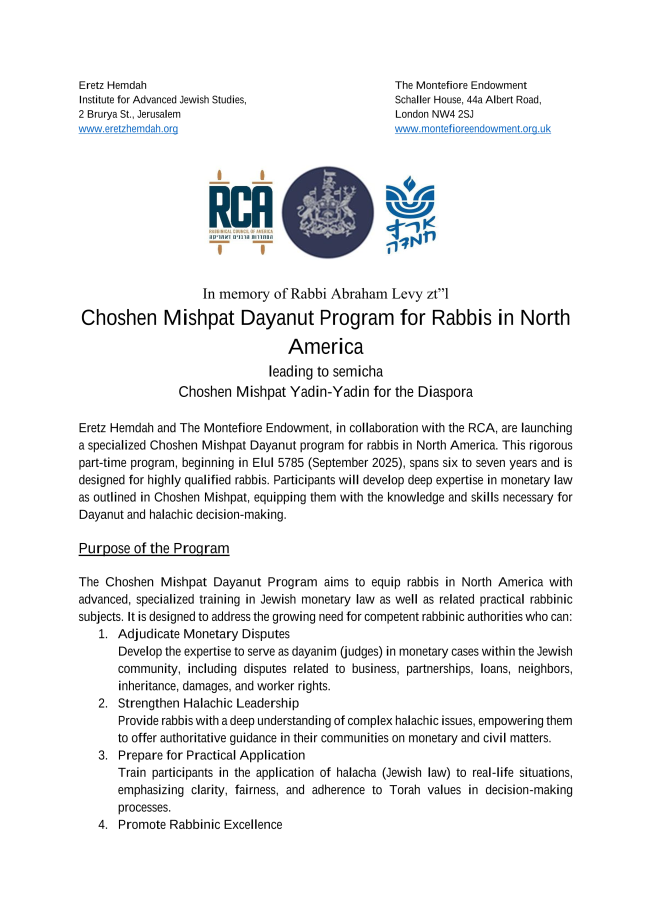
ERETZ HEMDAH CHOSHEN MISHPAT DAYANUT PROGRAM FOR RABBANIM IN NORTH AMERICA

TRADITIONONLINE

TRADITION Questions: The Rule of Law

by Chaim Strauchler, Click Here


Shavuot Reading

by Aton Holzer, Click Here


Unpacking the Iggerot: What’s in a Name?

by Moshe Kurtz, Click Here

NISHMA RESEARCH CENTER SURVEY

Community Survey: Family Life, Marriage, Divorce


In this survey, married people can share the factors that make marriage succeed. Divorced people can share what they view as the factors that lead to divorce. Singles can explain how divorces affect them. How do childhood experiences affect people? What did divorcees who remarry do differently? And much more!


The survey is being sponsored and conducted by Nishma Research, as a service to our community. Its founder, Rabbi Mark (Moish) Trencher will be happy to answer any questions you may have about the survey … mark@nishmaresearch.com.

BOOK REVIEWS


by our chaver R. Reuven Chaim Klein

  • The Koren Tanakh of the Land of Israel — Exodus, edited by David Arnovitz, Click Here (available from Amazon.com)
  • Jewish Concepts of Divine Oneness, by Job Y. Jindo, Click Here (available from Amazon.com)

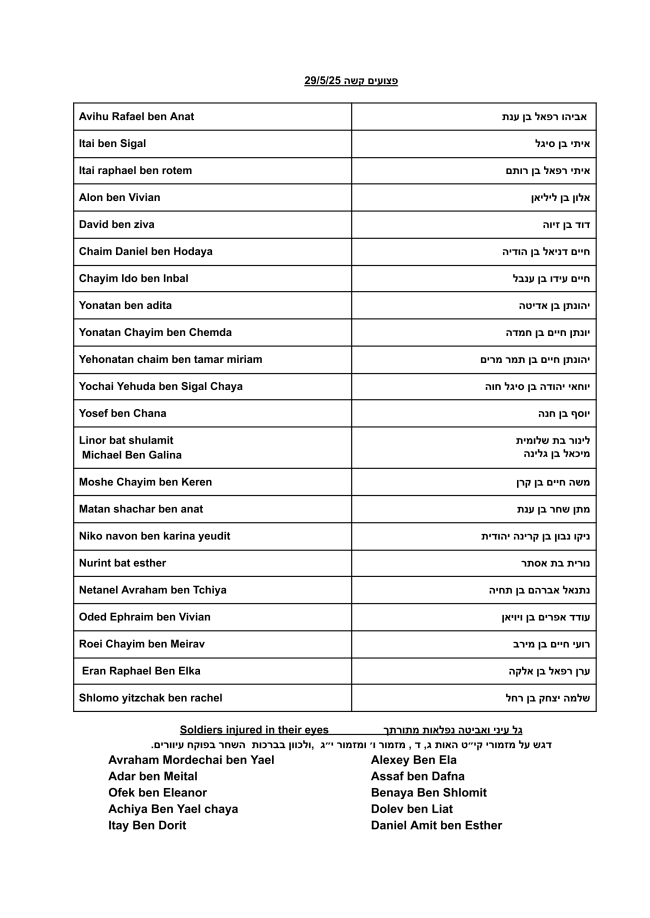
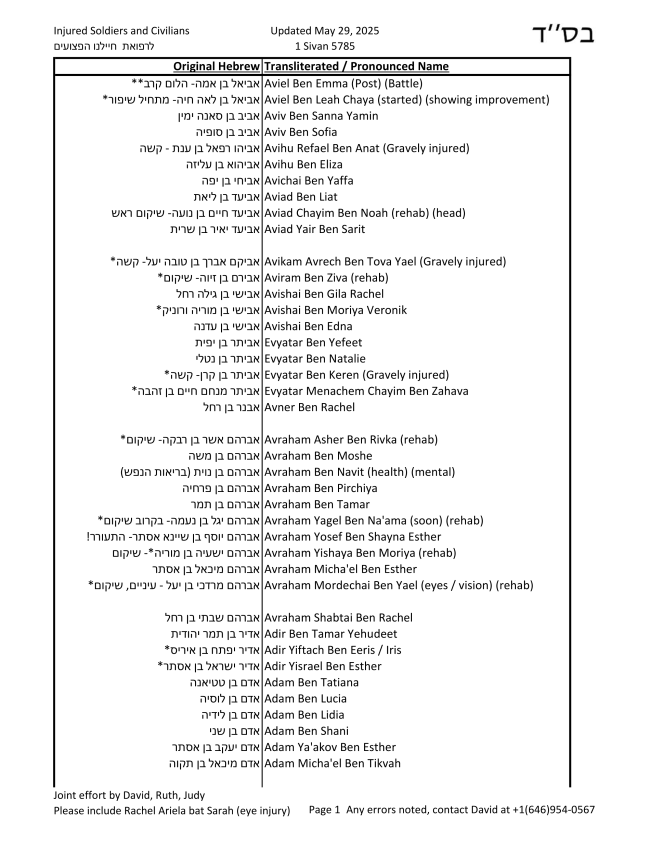
חללי ופצועי צה"ל במלחמה

c7a1745c-f681-460c-89a5-2ed9d869ab65 image

INJURED SOLDIERS AND CIVILIANS

(As of May 30, 2025)

With thanks to Rav Dovid Fine

••••••••••••••••••••••••••••••••••••••••


  • Who We Are
  • Click here to order the RCA Madrikh
  • RCA - Assistance in Contract Negotiations, Apply Here
  • The RCA Siddur Avodat Halev is available from Koren Publications at a discount by contacting shlomop@korenpub.com
  • Interest free loans of up to $5000 are available to RCA chaverim through the Rabbi Myron and Sarah Rakowitz Fund. Please contact Menachem Penner for more information.
  • Burial plots are available in the RCA section of Eretz haChaim Cemetery in Bet Shemesh. Contact Dovy Grunbaum, 1-866-437-2210, for details.
  • To sign up for the RCA Health Insurance Plan contact Jay Wildstein at the Grober-Imbey Insurance Agency, 516-872-9500 x3027
  • RCA Retirement Plan Resources Click Here. For information about the RCA Retirement Plan contact Steven Greenbaum, Altigro Pension Services, at 973-439-0200, ext. 224.