RDCK Board adopts five-year financial plan
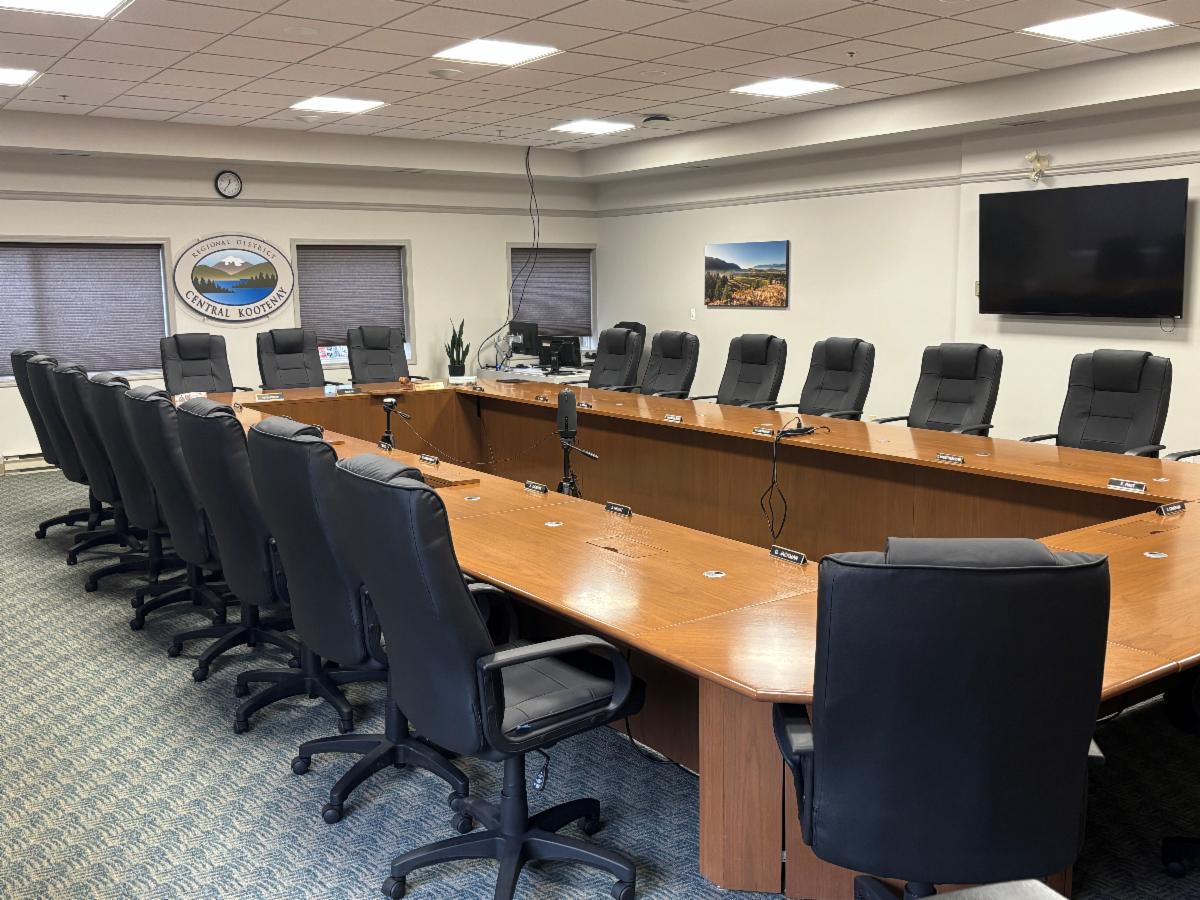
The Board of Directors adopted the 2026-2030 Financial Plan Bylaw, an annual requirement which must be completed by the end of March each year. This year's budget will see a 4.7% average increase in property taxes for RDCK residents, although this is highly variable depending on the Electoral Area or Municipality the resident lives in.
Residents are encouraged to review the financial plan and reach out to staff or Directors with questions.
| | |
Assent Vote Dangerous and Aggressive Dog Control Service - Electoral Area H
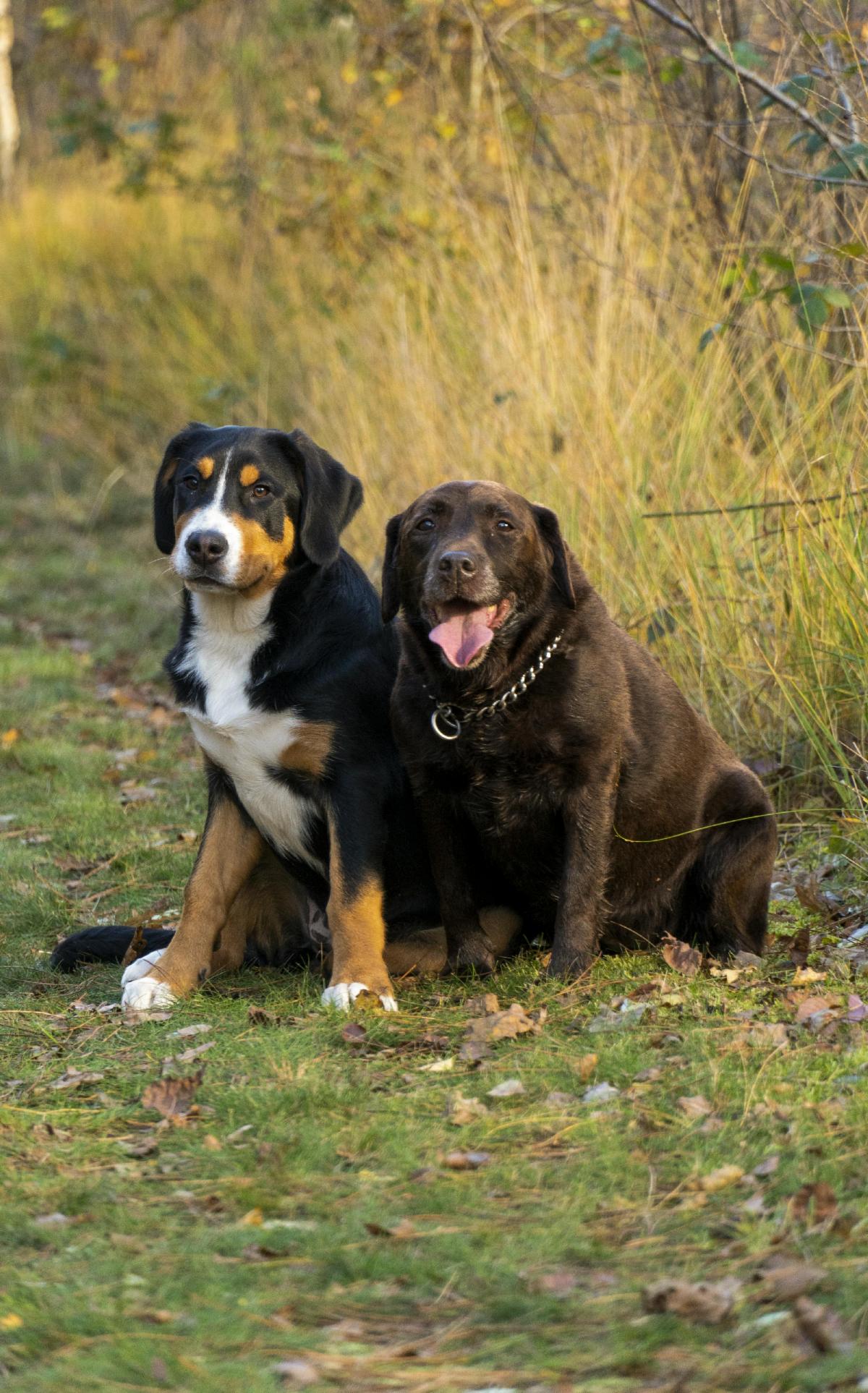
An assent vote has been scheduled for Saturday, May 30, 2026 to seek elector approval for the establishment of a Dangerous and Aggressive Dog Control Service in Electoral Area H.
Click the link below for more information on the assent vote, including elector registration and elector qualifications.
rdck.ca/AreaHDogs
| | |
Alternative Approval Process Dangerous and Aggressive Dog Control Service - Electoral Areas A, B, & C
The RDCK is seeking approval of the electors in Electoral Areas A, B, and C for the adoption of the Dangerous and Aggressive Dog Control Service Establishment Bylaw. Approval is to be obtained through the Alternative Approval Process (AAP). The Board obtains approval if fewer than 10% of eligible electors in the area covered by the AAP submit elector response forms in opposition of the matter. The deadline for receipt of elector responses is 4:00 pm on Monday, June 15, 2026.
rdck.ca/ABCDogs
| | |
Understanding the building permit process in the RDCK
Spring is right around the corner and typically it is a busy time for builders and home owners to break ground on new projects. Interested in adding a secondary suite to your house? How about renovating your commercial space? What about constructing your dream home? Securing a building permit in the Regional District of Central Kootenay is often the first tangible step in turning ideas and dreams into progress. For residents, builders, and business owners alike, the process is more than paperwork - it is a collaborative effort between the community and local government to ensure projects are safe compliant, and thoughtfully integrated into the area's landscape. From initial application to final approval, obtaining a permit reflects both the responsibility of development and the shared commitment to protecting the infrastructure and long-term wellbeing of the region.
| | |
Nine-month grace period begins for Industrial, Commercial, and Institutional Operations to start organic waste diversion ahead of regulatory requirements
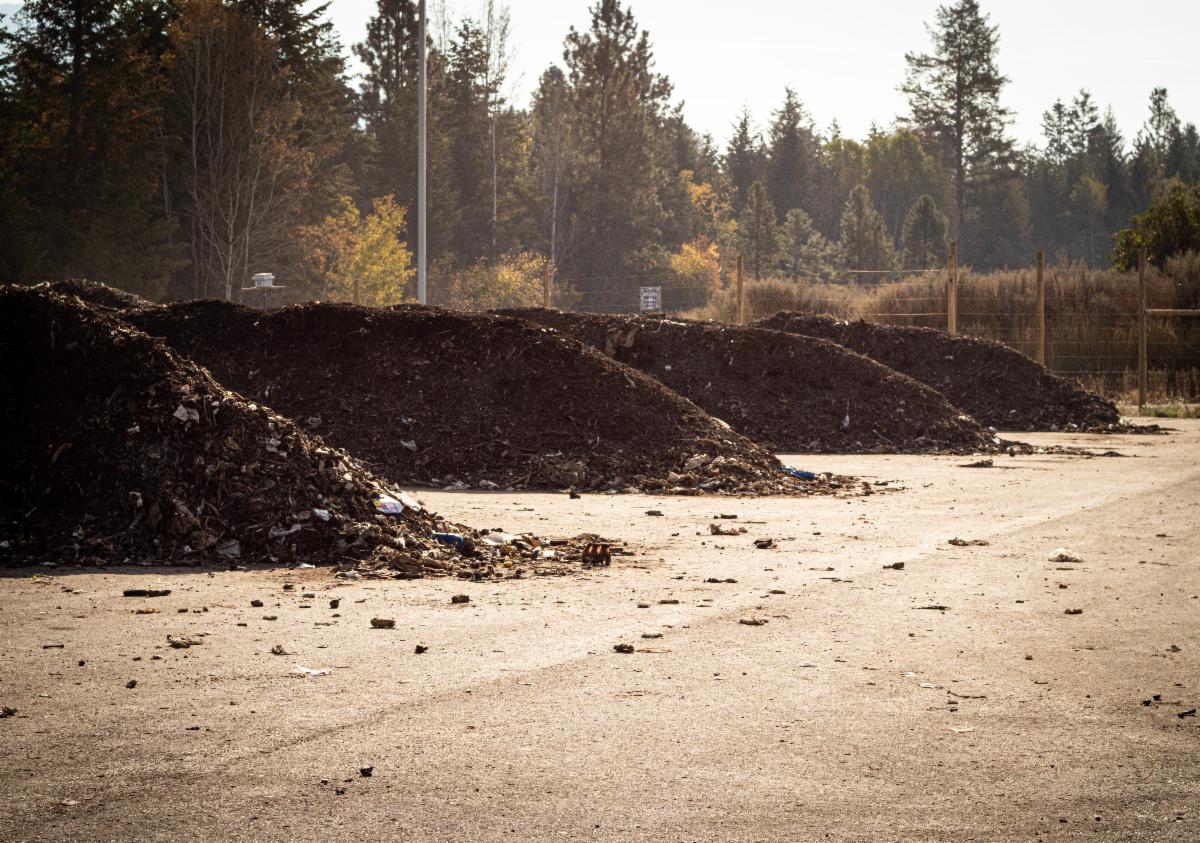
The RDCK is moving forward with regulating the disposal of organic waste for the Industrial, Commercial, and Institutional (IC&I) Sector, with a nine-month implementation window in 2026 to allow maple time for the change.
The regulation will initially target larger food-primary operations such as grocery stores, busy restaurants, and commercial food manufactures in the communities of Creston, Castlegar, Salmo and Nelson, where services exist. Commercial, non-residential waste from these communities that arrives at the Creston Landfill, Ootischenia Landfill, Central Transfer Station, and Grohman Narrows Transfer Station will eventually be required to separate compostable organic waste from landfilled waste.
| | |
RDCK Risk Tolerance Policy and Floodplain Management Bylaw Review Projects Underway
The RDCK is currently reviewing how land uses are managed in areas prone to flooding and other steep creek hazards. There are two interconnected projects associated with the review:
- Development of a new Risk Tolerance Policy (RDCK only)
- Updating the RDCK and Village of Salmo's existing Floodplain Management Bylaws
Why These Projects Matter
Flooding and steep creek hazards, including debris flows and floods, are among the most frequent and damaging natural risks facing the region, posing significant threats to infrastructure and property if not properly managed. These risks are increasing in frequency and severity due to climate change, which is influencing rainfall patterns, snowpack, and vegetation, creating more complex and variable hazard conditions. In response, the development of a Risk Tolerance Policy (RDCK only) will establish clear criteria for evaluating new development in hazard-prone areas, while updates to the Floodplain Management Bylaws for the RDCK and Village of Salmo will modernize outdated regulations and incorporate new mapping completed between 2020 and 2023 that reflects current conditions and climate-informed best practices.
How Do I Learn More?
To learn more, visit the RDCK's Engage Site and take a look at the Risk Tolerance Policy and Floodplain Management Bylaw Update project pages.
The project teams will be hosting a public webinar this Spring. Stay tuned to the Engage Pages for more information on when and how to participate.
| |
Operational hours change at six resource recovery facilities
Based on recommendations from the 2024 System Efficiency Study and staff studying traffic date and providing operational feedback, the RDCK Board approved the following adjustments to operating hours for the following transfer stations and recycling depots effective April 1, 2026.
| | | Facility | NEW HOURS - Effective April 1, 2026 | PREVIOUS HOURS | | Balfour Transfer Stations and Recycling Depot | Year round
Monday, Wednesday, Friday, and Saturday
9:00 am – 3:00 pm
| Summer (May 1 to September 30)
Monday, Wednesday, Friday, and Saturday
9:00 am – 4:00 pm
Winter (October 1 – April 30)
Monday, Wednesday, Friday, and Saturday
9:00 am – 3:00 pm
| | Boswell Transfer Station and Recycling Depot | Year Round
Saturday
10:00 am to 2:00 pm
| Year Round
Wednesday and Saturday
11:00 am to 3:00 pm
| | Central Transfer Station (Salmo) | Year round
Wednesday and Saturday
10:00 am – 2:00 pm
| Summer (May 1 – September 30)
Wednesday and Saturday
9:00 am – 3:00 pm
Winter (October 1 – April 30)
Wednesday and Saturday
10:00 am – 2:00 pm
| | Crawford Bay Transfer Station and Recycling Depot | Summer (April 1 – September 30)
Sunday, Tuesday, and Thursday
9:00 am – 3:00 pm
Winter (October 1 – March 31)
Sunday, Tuesday, and Thursday
10:00 am – 3:00 pm
| Early March to April 30
Sunday and Tuesday
9:00 am – 3:00 pm
May to Early November
Sunday, Tuesday, and Thursday
9:00 am – 3:00 pm
Early November to Early March
Sunday and Tuesday
10:00 am – 4:00 pm
| | Lakeside Recycling Depot | Summer (April 1 – September 30)
Monday to Saturday
8:30 am – 5:00 pm
Winter (October 1 – March 31)
Monday to Saturday
8:30 am – 4:30 pm
| Year Round
Monday to Saturday
8:30 am – 5:30 pm
| | Kaslo Transfer Station and Recycling Depot | Summer (April 1 – September 30)
Tuesday and Friday
9:00 am – 3:00 pm
Sunday
9:00 am – 4:00 pm
Winter (October 1 – March 31)
Sunday, Tuesday, and Friday
10:00 am – 3:00 pm
| Summer (May 1 – September 30)
Sunday, Tuesday, and Friday
9:00 am – 3:00 pm
Winter (October 1 – April 30)
Sunday, Tuesday, and Friday
10:00 am – 3:00 pm
| | |
CHEER is back
Looking for an easy and affordable way to get active? CHEER is back with new dates! CHEER (Community Harmony for Equitable Engagement in Recreation) is a monthly opportunity for the community to enjoy RDCK recreation facilities for just $2 + tax. During this one-hour session, all ages can access general admission activities like swimming, fitness centre workouts, and public skating (when available).
|
| Emergency preparedness series continues this spring | |
This month, the RDCK shared a series of posts focused emergency preparednss and building personal and community resilience. This April, the series continues with a focuse on spring flood preparedness. As snow begins to melt and water levels rise, we will be sharing simple tips to help residents understand flood advisories, prepare their homes, and know what to do if water levels increase. Follow the RDCK on social meida to see these weekly tips and learn more about how to stay prepared.
| | RDCK 2023 GHG Inventory Summary | | |
The RDCK has released a summary of the latest five-year Community Wide GHG Inventory, highlighting key findings about greenhouse gas emissions across the region and providing and overview of where emissions are coming from. The summary includes total community emissions for 2023, corporate emissions from RDCK owned vehicles, buildings, and facilities, trends from 2018 to 2023, and recommendations for potential pathways forward.
Read the summary to learn more about the emissions trends in the RDCK and opportunities to support climate action in our region.
|
| | | |