"There is a point where you have to transform what you have (the tool in your hands) to promote a future you believe in" - Victor Ochen.
|
|
Our RELI Africa external website is LIVE!!! |
|
Remember to sign up via reliafrica.org and showcase the work you are doing as a member or the RELI network.
|
|
On November 23 - 25, STiR Education held its annual reflective partner strategy group meeting with its key stakeholders (funders, government, and NGO partners) with the aim of gathering feedback from each partner. Members present deliberated on how best to strengthen relationships with policymakers, how to use technology to support meaningful learning in the education sector as well as equitable inclusive approaches to COVID-19 response programs.
In this video link, teachers in Nakanyonyi Primary School in Jinja district, Eastern Uganda show how the program on life skills acquisition by learners is implemented in their school. District Education Officers lauded the programme and its impact in the district.
|
|
On November 27, the RELI Uganda leadership team convened a meeting to reflect on the recently concluded country convening which took place on November 18 - 20. Members shared key learning areas from the convening to aid in planning for the next meeting in 2021. Among the notable aspects were the unparalleled collaborative spirit reflected in thematic groups during presentations and the planning phase. The team noted that having the meeting both physically and virtually promoted the inclusion of members who were not able to travel to Uganda due to the COVID-19 pandemic. |
|
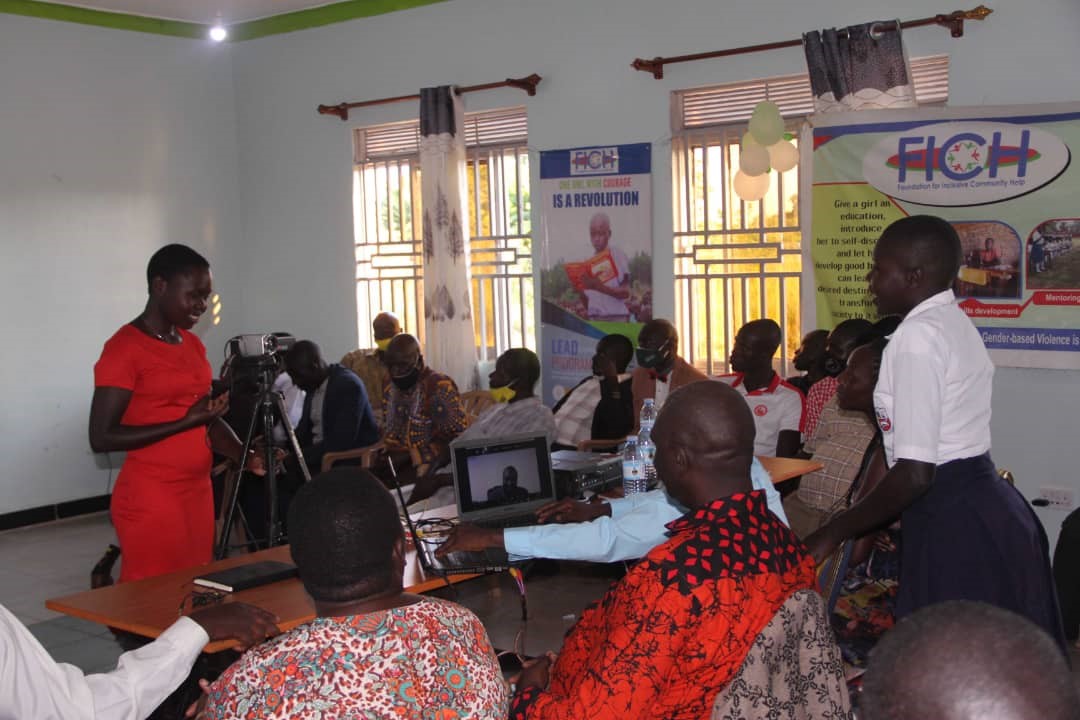
On November 30, the Foundation for Inclusive Community Help (FICH) launched Karacel – New Hope Centre with support from Global Fund for Children. “Karacel” in Lango language means “altogether or togetherness.” The Centre will be used for promotion and facilitation of learning, information and data sharing, networking with peers and professionals, thoughtful leaders’ discussions for current thinking to build a strong foundation for young generations in the communities.
|
|
The RELI Tanzania country convening held in Dodoma from September 28 - 30, themed “Redefining Inclusion” has had a number of undulation of positive results to educational stakeholders, both in the public and private sectors. The convening gave RELI Tanzania a unique opportunity to reclaim its advocacy power, strategic and proactive policy engagement role. During the convening, RELI Tanzania was officially invited to visit the President's Office Regional Administration and Local Government (PORALG) and introduce the RELI platform, its role, and its activities. Additionally, the convening inspired other organizations in Tanzania to express interest in joining the network.
|
|
On November 26, the Values and Life Skills (VaLi) thematic group held a learning session with the MEL mentor. The team deliberated on the findings and observations of the analysis done on the various life skills assessment tools used by different organizations. Members discussed various topics such as contextualization, assumptions, and constructs, developing frameworks, moving from assessing knowledge to assessing skills in an inclusive and transformative manner, and being mindful of ethical concerns. Members learned that there are many complex aspects to developing assessment tools, however, the most important thing is to keep in mind the importance of developing the tool and not to mine data without being conscious of the impact. The team appreciated the need to question ''why, what, and how'' as they move towards improving their organizational tools. Members agreed to organize more learning sessions to allow members to dig deeper into the different recommendations provided while incorporating lessons from the AliVE process.
|
|
In honor of the invitation by the Tanzania Institute of Education (TIET), Values and Life Skills (VaLi) thematic group members participated in a workshop at Morogoro from November 11 - 13, 2020. The workshop aimed to review the existing life skills framework which is limited in scope and primarily grounded on HIV/AIDS and Sexual Reproductive Health (SRH). The intent of the review is to have a common framework for all partners who nurture Life skills to include NGOs and schools. The reviewed framework will reflect the current Prime Ministers Framework for Youth that will build-up school teachers’ capacity about life skills and how to nurture them. The TIET workshop involved various stakeholders from the Ministry of Education Science and Technology (MOEST), TIET, Plan International, World Education Inc, and other educational stakeholders. The next meeting was scheduled for December 9 - 17, 2020. |
|
The Teacher Development and Support (TDS) thematic group was invited by PORALG office, Dodoma and the Ministry of Education and Vocational Training (MoEVT), Zanzibar to talk about the evidence-based pedagogical approach - Teaching at the Right Level (TaRL) - which was introduced by UWEZO Tanzania. UWEZO TZ built the capacity of RELI members to deeply understand TaRL. Other organizations that have a keen interest to learn more about TaRL are Milele Zanzibar Foundation, Sazani Trust, and Pastoral Women Council. |
|
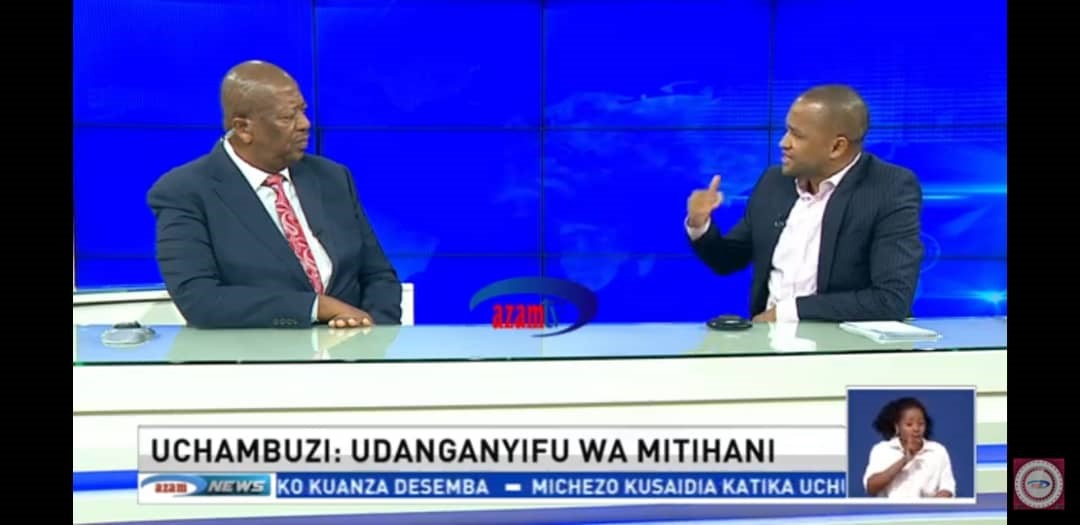
Godfrey Boniventura from HakiElimu at an interview with Charles Hillary of the AZAM TV
On November 23 and 29, Godfrey participated in two TV talk shows to discuss cheating during the Standard 7 examination (2020 Primary School Leaving Examination (PSLE). It was reported that a total of 1,059 pupils’ examination results from 38 schools were annulled by the National Examination Council of Tanzania (NECTA) on November 21, 2020, without a chance of re-sitting the exam. Godfrey reacted in response to the increasing trend of examination fraud in recent years; 359 cases in 2018, then increased by almost three-fold 909 cases in 2019, reaching 1,059 in 2020. He claimed that if examination cheating is not proactively addressed, there are higher chances of getting incompetent graduates in the labour market in the future. “If we want to make examination cheating a history, we should start now, by doing a thorough investigation, then hold accountable those involved in exam cheating”, remarked Godfrey. He urged authorities to use three laws (Public Service Act, Economic Sabotage Act, and Corruption Act) to curb examination malpractices. He also highlighted that social pressure for good grades from higher authorities, parents, and the community at large often leads to the finagling of the examination system in pursuit of good grades.
|
|
Uwezo TZ conducted a reflection meeting in Gairo districts to receive feedback from village leaders and volunteers who were involved in implementing the Uwezo Tanzania community engagement-extended feedback program that began earlier this year. From the reflections and feedback from the village elders, a great improvement was noted especially on parental engagement as they are now actively contributing to school meals, building classrooms and toilets at their respective schools. In some villages, parents have formed education committees to foster children's school attendance and improved exam performance. For example, in Mnyuhe Village, 97% of children passed the Primary School Leaving Examination (PSLE) in the year 2020.
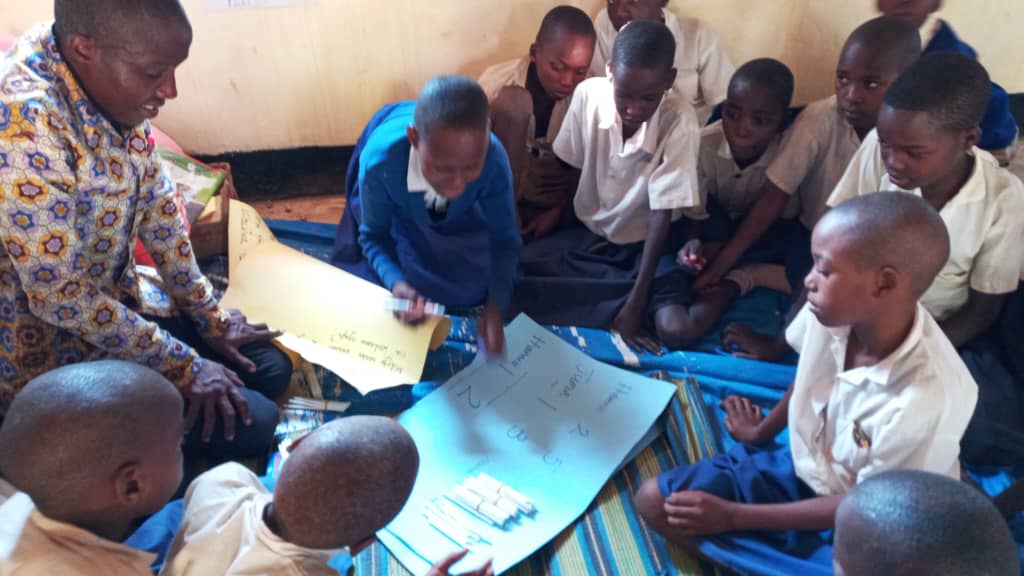
In another forum, at a RELI meeting in Dodoma, UWEZO TZ presented a report on the progress of the Teaching at the Right Level (TaRL) - Jifunze program. From this report, it was noted that 85 percent of children enrolled in the Teaching at the Right Level (TaRL) - Jifunze program in Chamwino district in Dodoma region, have reportedly been able to master the foundational skills in literacy and numeracy. The report also highlighted that out of 800 children who were enrolled in the Jifunze class in five schools for 30 days, 85% have shown significant improvement in literacy and numeracy. The meeting was graced by Education stakeholders from Chamwino district. The chief guest, Chamwino District Commissioner (DC) Vumilia Nyamoga, lauded the efforts by UWEZO and urged education officers and teachers in the district to use Jifunze skills to make sure they assist more children in the districts to acquire basic skills in numeracy and literacy.
|
|
What we're reading this week:
|
|
Join the conversation on Twitter by following @ReliAfrica and using the hashtags #RELIAfrica #RELILearning to keep the conversation going. A social media toolkit is available here.
Are you a member of the RELI online platform? Click here for more details.
|
|
|
|
|
|
|