“A strong woman looks a challenge in the eye and gives it a wink.” –Gina Carey
#ChooseToChallenge - Happy International Women's Day - 08.03.2021
|
|
Our RELI Africa external website is LIVE!!! |
|
Remember to sign up via reliafrica.org and showcase the work you are doing as a member of the RELI network.
|
|
|
|
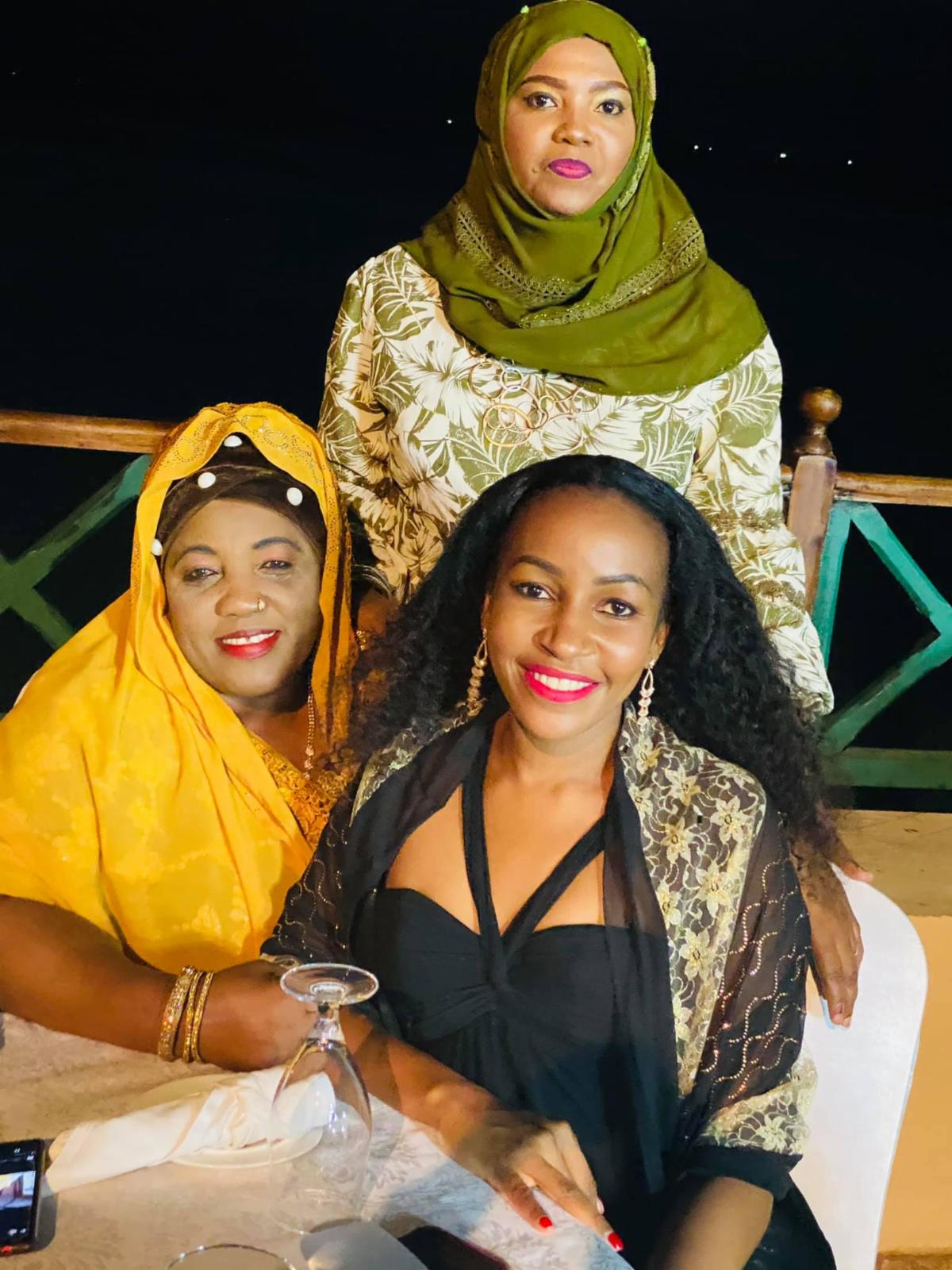
From left; Zaida Mgalla, Maryam Ismail, and Faraja Nyalandu (RELI Members) |
|
|
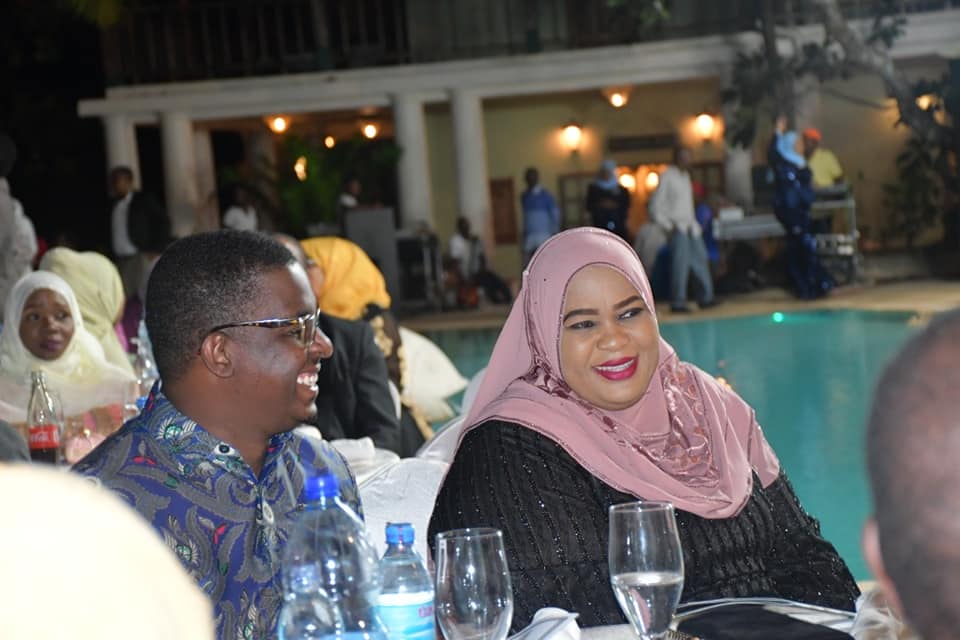
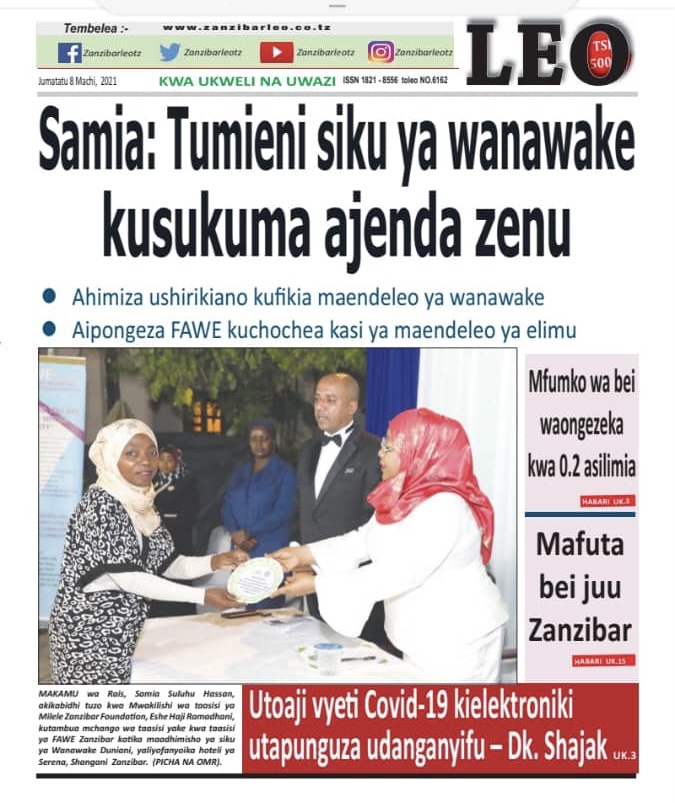
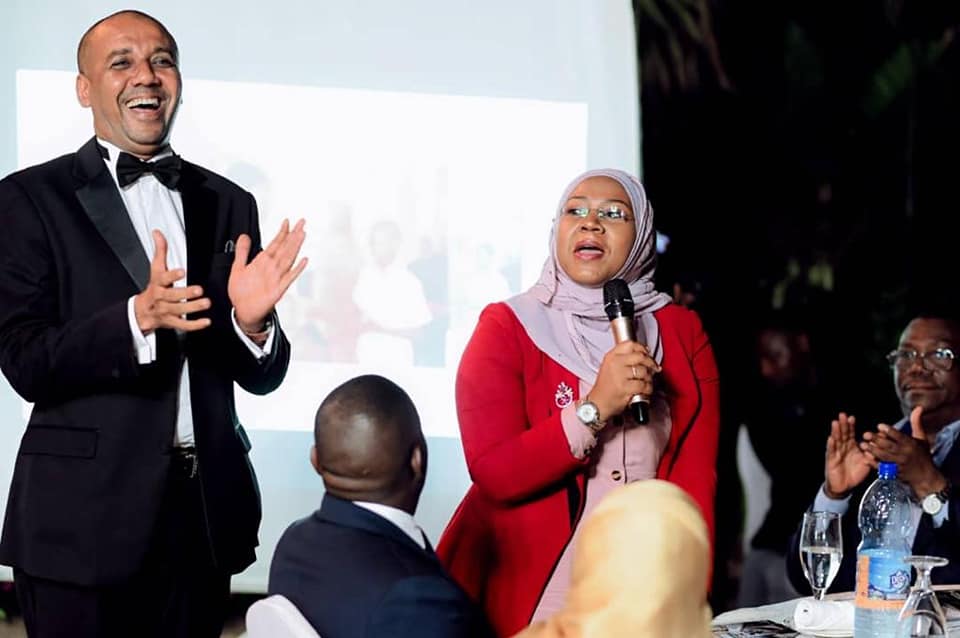
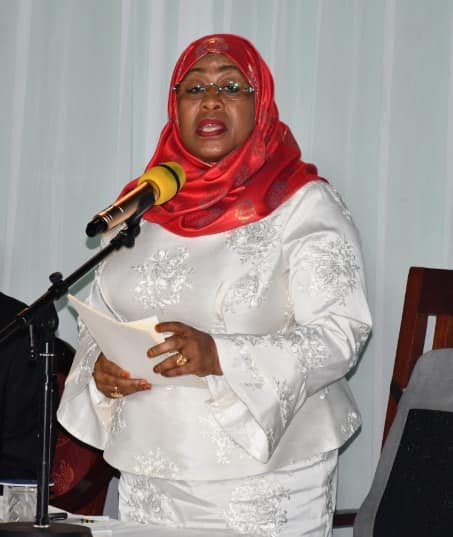
On March 6, RELI Tanzania leaders (Maryam Ismail, Faraja Kotta Nyalandu, and Zaida Mgalla) joined the Vice President of Tanzania, Hon. Samia Suluhu Hassan in fundraising women’s gala night organized by the Forum for African Women Educationalist (FAWE) Zanzibar - a RELI Tanzania member organization at Serena Hotel Zanzibar. The aim of the event was to raise funds to support and empower the girl child to study science subjects. Hon. Samia Suluhu Hassan (the guest of honor) appealed to teachers, parents, and guardians to encourage and support girls to develop an interest in studying science subjects to be able to fit in this rapidly scientific age and technological advancement era. She reminded women and girls to collaborate and exploit opportunities and serve the nation in the era of the blue economy. She commended FAWE Zanzibar for organizing the event and for their effort to work closely with the Ministry of Education and Vocational Training (MOEVT) Zanzibar. She urged FAWE to ensure that Zanzibar women get their rights and contribute effectively to the development of the country. She counseled parents to abandon the temptations of marrying off their children at a young age or involve them in forced marriages. Instead, they need to allow girls to build their future through education. Hon. Samia highlighted that there is a dire need to improve laws, policies and create an enabling environment that would lift girls/women and allow them to excel in the areas of their interests. She also cautioned that training and the building of the girl child should respect the customs and traditions of the country. However, she alerted the audience that they must break down the deep-seated historic, cultural norms, belief systems, and socio-economic barriers that hold back women and girls.
The event was attended by high-level dignitaries, ministers from various ministries in Tanzania, Zanzibar, and the mainland, government officials, and education stakeholders from both government and private sectors. Hon, Minister of Education and Vocational Training (MOEVT) Zanzibar, Hon. Simai Mohammed Said explained that the government recognized FAWE for the good work they have been doing in promoting girl child education. The FAWE Zanzibar chairperson, Dr. Mwatima Abdalla Juma stated that FAWE will continue to bring back girls who have dropped out of school for various reasons. She commented that FAWE believes that education is a strong pillar in bringing changes in the Zanzibar community. More than 32 million (TZS) was raised during the event.
|
|
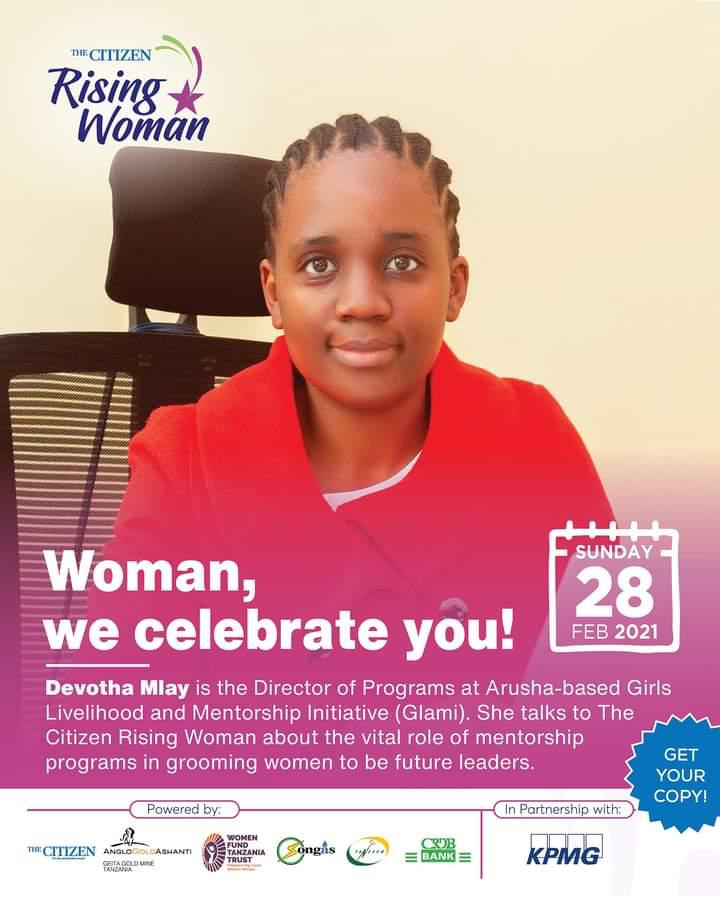
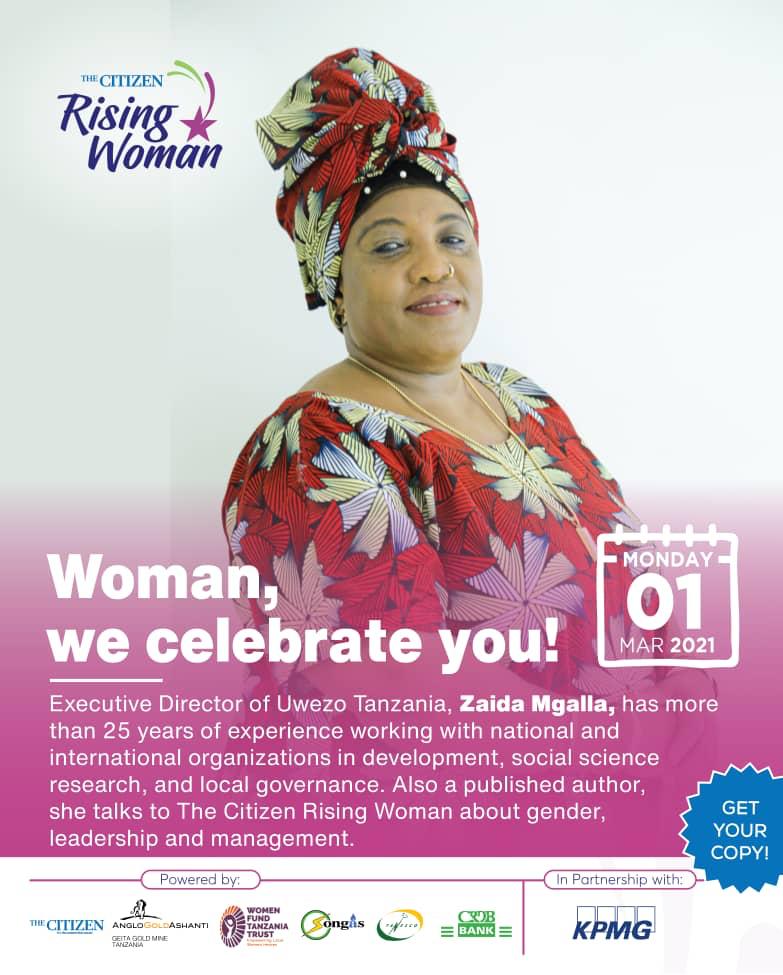
Towards the celebration of International Women's Day (IWD) 2021, RELI Tanzania is happy to celebrate RELI leaders; Devotha Mlay (GLAMI), and Zaida Mgalla (UWEZO) who were featured in the Citizen’s Rising Woman. In her interview, Devotha boldly spoke of the existing gaps in top leadership positions and called upon women leaders to share experience and support aspiring young women leaders to climb up the ladder and build a more diverse workplace. Similarly, Zaida Mgalla in her interview spoke of having loving parents who do not discriminate children by gender when it comes to ensuring children’s rights to education and other livelihood needs as the foundation for success towards nurturing great women leaders.
|
|
AMUCTA; “ the inclusive education champion” |
|
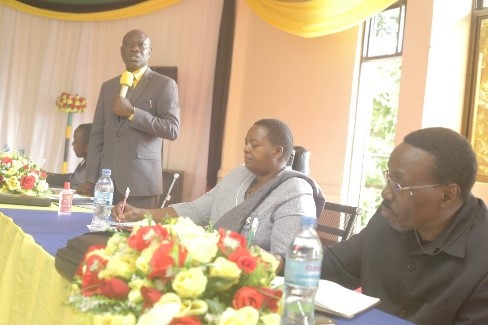
The Director of Education -Prime Minister’s Office, Regional Administration and Local Government Dr. Nestory Julius officially opening the training. |
|
The Archbishop Mihayo University College of Tabora (AMUCTA), a RELI TZ partner is noted to have conducted several activities to address learning challenges for the deaf children, building the capacity of inclusive secondary schools in Tanzania, and strengthening lecturers’ capacity to use ICT in inclusive classes.
On February 1, AMUCTA and Kentalis International Foundation-Netherlands participated in an online capacity-building session that aimed at exchanging knowledge and equipping AMUCTA lecturers with skills to conduct diagnostics and assessments on the learning needs of deaf students. Among other issues, the concern on deafness impacting information processing was discussed in detail given that the deaf can get information through other passages like touch and sign. This capacity-building session is one of the activities within the three-year project of Enhancing Learning for Deaf Children (ELDC) that is set to be implemented in Tanzanian secondary schools for the deaf.
On February 25 and 26, AMUCTA held a two-day capacity building session for heads of inclusive secondary schools, quality assurance officers, and ward education officers from 25 schools of the deaf. The training focused on enhancing learning for deaf students through proper monitoring and coaching. This session was launched by Dr. Nestory Julius - the Director of Education - Prime Minister’s Office, Regional Administration and Local Government (PO-RALG) and was attended by the Director of Quality Assurance (MoEST), and AMUCTA lecturers. Thereafter, AMUCTA lecturers participated in a 20-day ICT training for the blind and deaf teachers at the Open University of Tanzania – Kipawa, Dar es salaam (February 15 to March 6). The training was prepared by the Ministry of Education, Science, and Technology with the aim of teaching new skills and encouraging teachers to use ICT in their entire teaching/learning process.
|
|
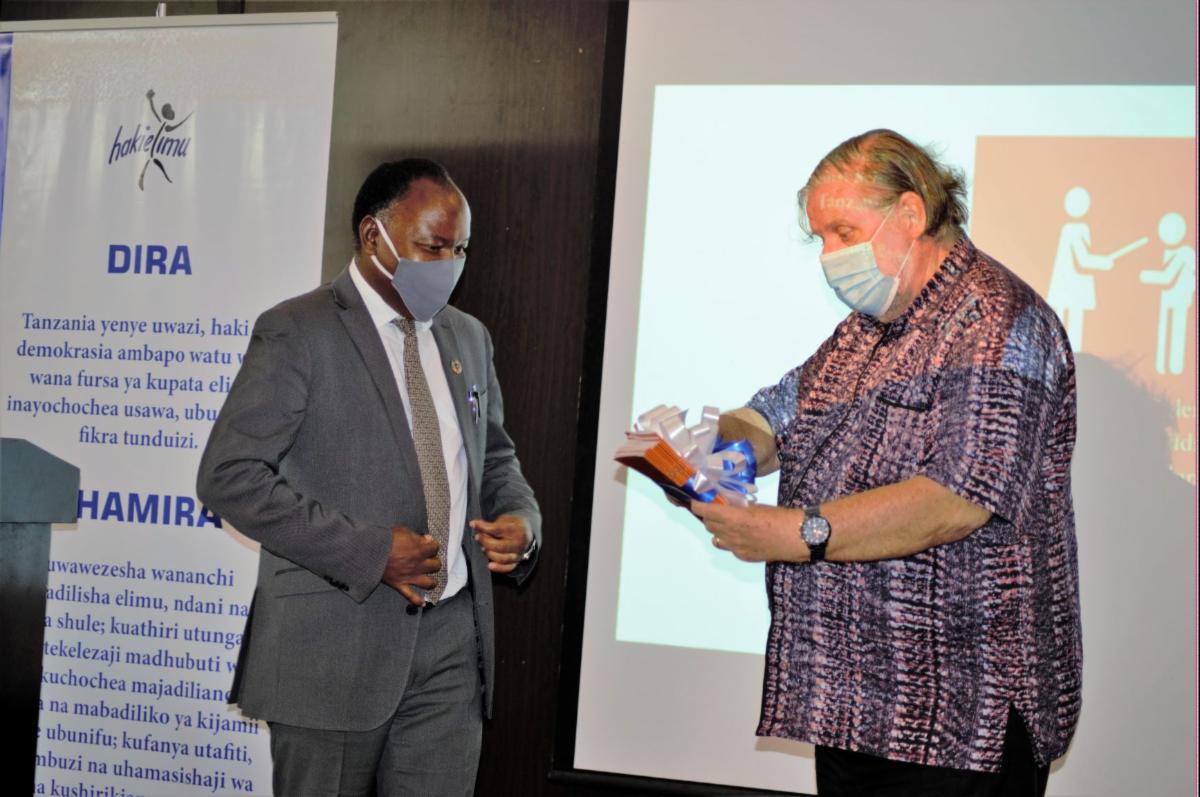
Left; HakiElimu Executive Director, Dr. John Kalage and board chair Richard Mabala during the launch |
|
In the month of February, HakiElimu launched a study report on the State of Violence Against School Children in Tanzania Mainland. The launch event attracted the participation of various education sector’s stakeholders including delegates from CSOs, Government Ministries (MoEST, PO-RALG & Ministry of Health); Police Tanzania (Represented by Gender Desk Coordinator) LGAs, Universities, and the Media.
Some of the key highlights in the report are based on the findings that show 87.9% of all interviewed school children have experienced physical violence, with caning as the most common form of violence. The report shows that 17.0% of public-school children and 14.3% of private school children experienced at least one incident of sexual violence, while 34.3% of school-going children experienced psychological violence from parents and guardians. This shows that there is an urgent need to address the cause root issues that affect children’s safety at home and school.
The study has also shaded light on the perpetrators of violence indicating psychological violence to be mostly perpetrated by parents and guardians (34.3%), physical violence and neglect are perpetrated mostly by teachers (47.2%), and neglect perpetrated more by parents and guardians to school children (61.9%). With regard to sexual violence, neighbors and strangers were reported as perpetrators at (51.9%). The key recommendations that emanated from this study include the need to review the Education Regulations of 2002 regarding corporal punishment. The study was conducted in 2020 covering 16 regions and 32 districts.
|
|
On February 18, RELI Tanzania partner, SAZANI TRUST Zanzibar in collaboration with SAZANI Wales UK hosted a webinar on learning for sustainable living: Participation and Progression. The purpose of this meeting was to disseminate the successes/achievements attained from two projects: The Attitude, Behaviour and Competence project (ABC), and Health and Sustainable School Project (HSSP). These projects were implemented for four years (2016-2020) and they involved 51 government schools in Zanzibar (30 schools from Unguja and 21 from Pemba). The event aimed at displaying the evaluation of the schools which performed well in the projects. Both ABC and HSSP projects have resulted in an outstanding outcome; for the ABC project, the beneficiaries made a big step forward with the ability of numeracy, literacy, and critical thinking. While the HSSP project has provided the learners with the knowledge of entrepreneurship and life skills studies. For example, vegetables and herbs cultivation as well as environmental conservation skills. The event was attended by almost 30 participants with 17 being RELI Tanzania members.
|
|
On February 26, the RELI leadership team held its second meeting of the year. The thematic leads of the three clusters (Teacher Support and Development, Life Skills, and Equity and Inclusion) updated members on four major activities: Gap Analysis of the Lower Secondary Curriculum, the National Inclusive Education policy, Policy mapping on Inclusive Education and the Continuous Professional Development framework (still at an initial stage). The latter is a vital component of the National Teacher Policy that will see how diverse educational stakeholders can adequately contribute to the professional development of the Ugandan teacher. Relatedly, RELI Uganda is looking forward to effectively contribute to the 3rd Teacher Education Symposium themed "A Digitally Competent Teaching Force for the 21st Century" that will take place on March 24 - 26, 2021.
|
|
What we're watching this week; |
|
What we're reading this week;
-
Great expectations of the ALiVE Learning Community by John Mugo, Mauro Giacomazzi, Devotha Festo, and Samuel Otieno
-
Justice Mumbi Ngugi’s Speech at the Launch of the Assessment of Lifeskills and Values in East Africa Project posted by Njuhi Chege
-
School leaders uncovered by John Mary Vianney Mitana (Ph.D.), Jean Mary Wendo, Jude Edward Matovu
-
Becoming comfortable with being uncomfortable by Girls Livelihood and Mentoring Initiatives
-
Re-opening in the time of COVID-19 in Kenya by Ann Gachoya, Truphena Kirongo, Fredrick Kiiru, George Odwe, Chi-Chi Undie
-
Parental engagement: the magic bullet that countered school dropouts by Alex Kimiri, Africa Educational Trust
-
Keep calm and carry on by Kennedy Oulu
|
|
Join the conversation on Twitter by following @ReliAfrica and using the hashtags #RELIAfrica #RELILearning to keep the conversation going. A social media toolkit is available here.
Are you a member of the RELI online platform? Click here for more details.
|
|
|
|
|
|
|