"Education consists mainly of what we have unlearned." ― Mark Twain
|
|
Our RELI Africa external website is LIVE!!! |
|
Remember to sign up via reliafrica.org and showcase the work you are doing as a member of the RELI network.
|
|
Mwanachama wa RELI Tanzania kupitia Kongani ya Ualimu na Uendelezaji Walimu kutoka Chuo Kikuu cha St. John cha Tanzania, Dr. Shadidu Ndossa, alishiriki katika mahojiano maalum yaliyorushwa mubashara na kituo cha Taifa cha runinga Tanzania (TBC1) kupitia kipindi cha Lulu za Kiswahili. Majadiliano haya yalijikita zaidi katika kuangazia matarajio ya wadau wa lugha ya Kiswahili kwa serikali ya awamu ya 6.
Aidha, katika kipindi hicho Dr. Ndossa ambaye ni Mhadhiri Taaluma za Kiswahili katika Chuo Kikuu cha St. John, aliishauri serikali kutumia lugha ya Kiswahili kufundishia masomo ya Historia na Uraia ili kuongeza ufaulu na ufahamu wa wanafunzi katika masomo husika. Kusikiliza zaidi yaliyojiri katika majadiliano hayo, tafadhali fungua kiungo hapa hiki.
English Version
Dr. Shadidu Ndossa, a RELI Tanzania member and leader of the Teachers Development and Support thematic group (TDS) appeared on the special interview broadcasted live by Tanzania Broadcasting Television (TBC1). He participated in “Lulu za Kiswahili” TV program and highlighted the expectations of stakeholders and users of the Kiswahili language under the 6th phase government regime under Hon Samia Suluhu Hassan.
Dr. Ndossa who is also a lecturer in Kiswahili Studies at St. John University of Tanzania (SJUT) recommended to the government to use the Kiswahili language to teach History and Civic education to increase students' performance and make the subjects easily understood. Watch the interview here.
|
|
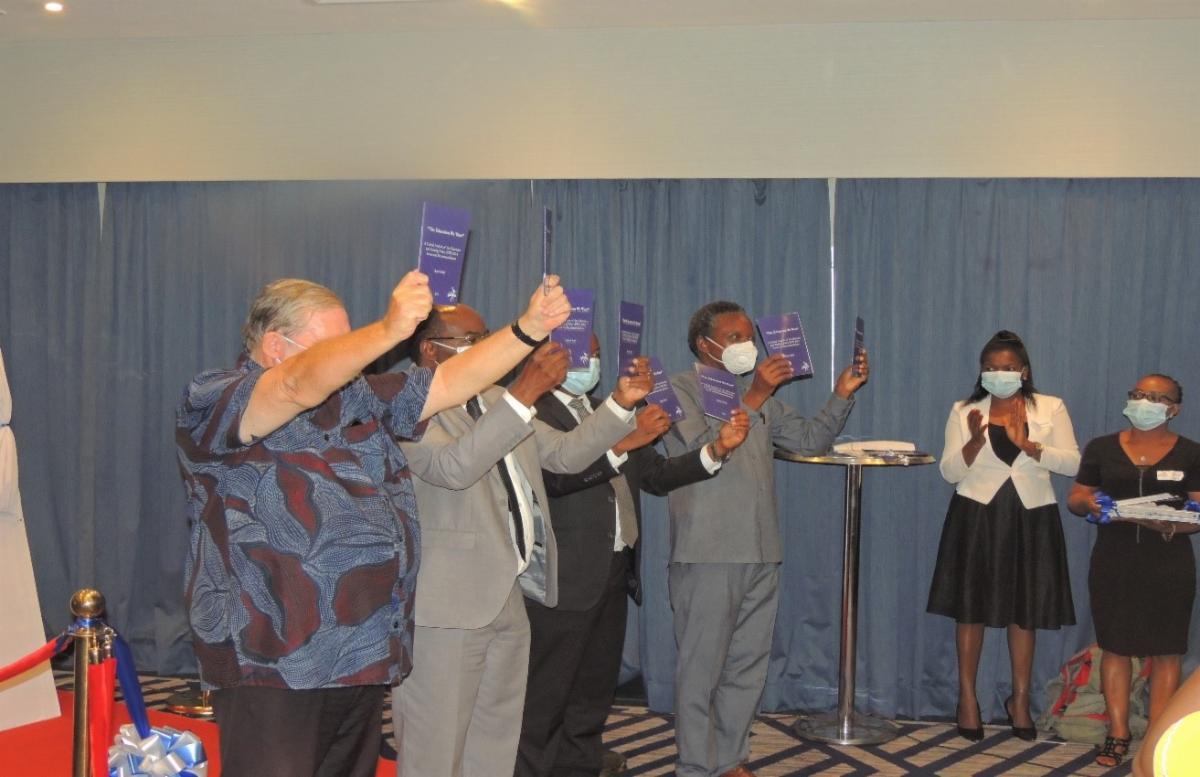
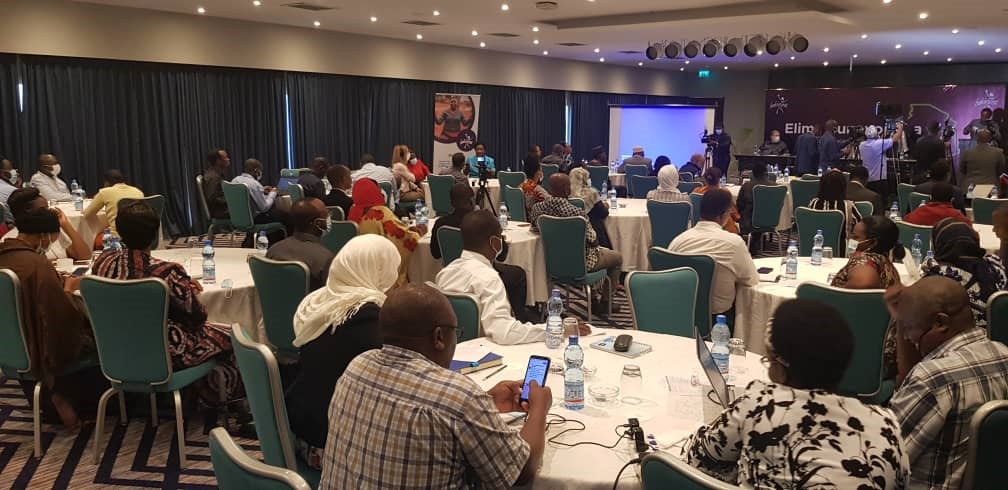
On April 29, RELI Tanzania partner, HakiElimu launched a report titled 'The Education we Want'. The report focuses on the review of the Education and Training Policy of 2014 (Sera Ya Elimu Na Mafunzo Tanzania 2014). This report has been launched at a high time when the government is considering to review the same policy and make improvements to the education sector in the country. The event was officiated by the Permanent Secretary of the Ministry of Education, Science and Technology, Dr. Leonard Akwilapo, and was attended by various delegates from civil societies, teachers, students, government departments, and development partners. This event was also attended by some of the RELI members in Tanzania: Shule Direct and Uwezo Tanzania. Other RELI members participated virtually. The report highlights the strengths and weaknesses of the policy and provides recommendations for improving the education landscape in Tanzania. Key areas of focus towards having the education we want, include a focus on pre-primary education, learning assessment, curriculum review, and teachers’ professional development. The permanent secretary applauded HakiElimu for the great work they are doing and promised to take the recommendations into the new policy. The link to the brief summary of the report can be downloaded on https://www.hakielimu.or.tz/publication/
|
|
On April 6 - 9, Pastoral Women Council (PWC), RELI TZ partner conducted training on child safeguarding to teachers and government officials including Ward Education Officers, District Education Officers, and Quality Assurance Officers at Lekule Secondary school in Longido. The training aimed at helping the school to create a safe and conducive environment for learning and protection of children against abuse, and to identify strategies to improve child protection mechanisms within the school.
Children from pastoralist communities often face violence, exploitation, and rights abuses due to their strongly patriarchal nature. Some of the social injustices young girls face include female genital mutilation at a young age which is considered a rite of passage into womanhood, then married off, to become their husband’s property. With her co-wives, she is confined to a lifetime of laborious and time-consuming unpaid domestic chores.
This workshop presented an opportunity for participants to consider what risks children faced both at the school and in the community alongside some of the protective factors that exist to keep children safe from harm. Some of the risks identified at the school include the fact that there was no written policy on child protection and the continued use of corporal punishment. Participants felt parents and caregivers had a major role to play at the community level to ensure that children, especially girls, were safe from early and forced marriages, FGM, and other rights violations. Government officials reported facing challenges in child safeguarding due to human resource gaps as well as a lack of community cooperation in the investigation of the offenses.
Some positive protective factors identified include a gender desk at the school set up to support learners (although it was not functional yet), training and policy development support from PWC, as well as the availability of committed front-line government officers.
Often, abuse is not reported because of threats, fear of reprisal, and lack of knowledge on the process to report abuse. Teachers are often the first to identify changes in their students, which might indicate that the child may be experiencing abuse or harm. This training formed a bond between the school and government officials and ensured that teachers understand the legal protections for children, as well as where and how to report and follow up on child rights violations.
|
|
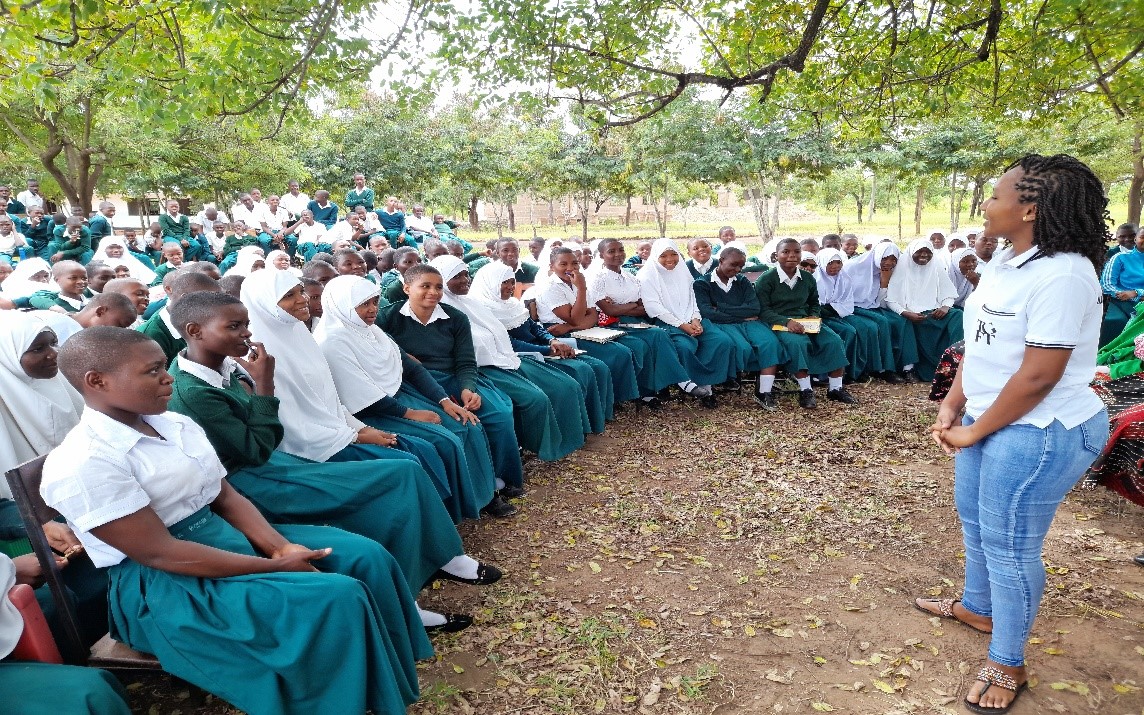
Peer educators from The Girls Foundation of Tanzania (TGFT) Arusha delivering a speech to inspire girls from Mvomero Secondary School in Morogoro to staying focused in academic endeavours |
|
On April 21 - 22, The Girls Foundation of Tanzania (TGFT) (Arusha) and Sawa Wanawake Tanzania (SAWA)(Morogoro) visited each other for peer-to-peer learning. The purpose of these sessions is for the two organizations to learn from one another especially on the similar programs that they are implementing.
The visit involved top officials of the two organizations; Dr. Ester Happy Mariki (Director TGFT) and peer educators. They visited schools where SAWA is implementing Tuwalinde Watoto Programme. The programme is intended for children to have improved access in early childhood, equitable and quality basic education, and community-based child protection services. On the other hand, The Girls Foundation of Tanzania focuses on educating Tanzanian girls to become informed and empowered leaders in their communities.
During their visit, both SAWA and TGFT directors had an opportunity to exchange experiences, and TGFT peer educators had a chance to shade life skills to Leena Primary school children, Doma, and Mvomero Secondary School students together with staff responsible for children care.
The peer educators were applauded for their innovativeness to deliver life skills training. One of the lessons learned by SAWA is to improve their programmes by adding components to life skills. The students enjoyed learning from TGFT peer educators on self-awareness, self-defense, sexual and reproductive health, and how to provide first aid.
On the other hand, TGFT key learning from SAWA was in the areas related to child protection and safeguarding, and child-friendly accountability. It was agreed by the directors from both organizations that peer-to-peer learning visits should be a regular approach. The key areas of collaboration identified include having joint learning events and sharing resources.
|
|
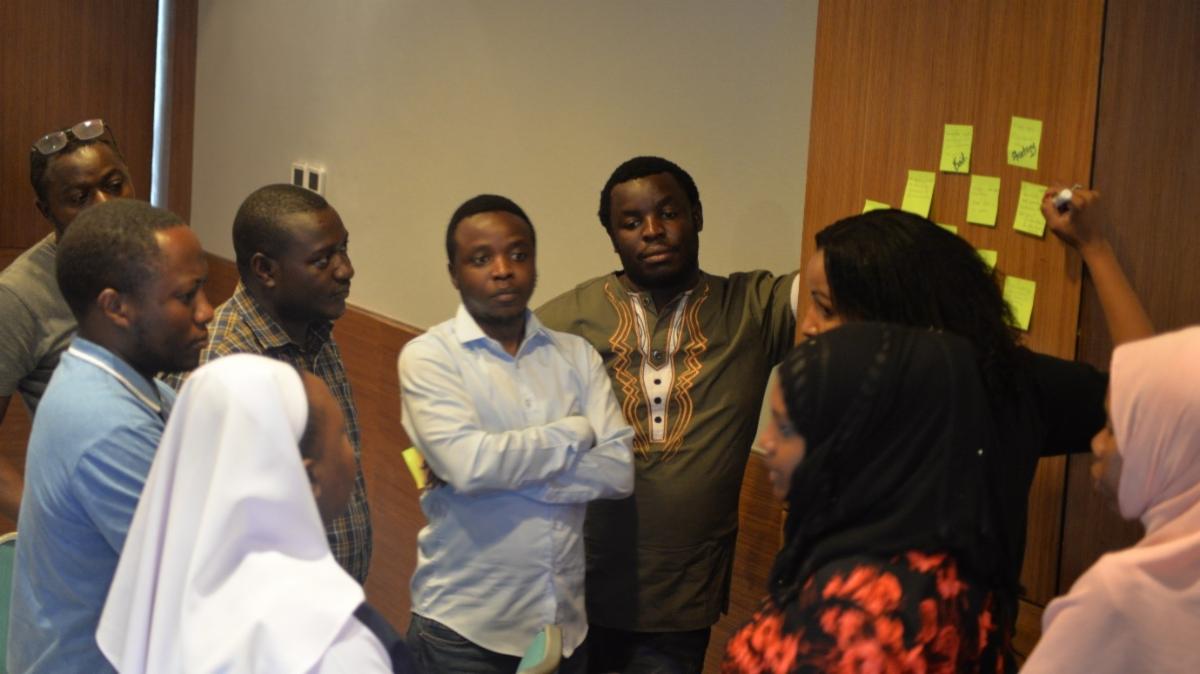
RELI Tanzania leadership team met in Dar es Salaam on April 23 and 24 where they discussed various issues concerning RELI Tanzania. The objectives of the meeting were to discuss the progress of implementation of the annual work plan of thematic groups, the strategic direction of the network including the potential members' expression of interest to join RELI. In this meeting, leaders also set the objectives for the communication strategy, communication framework, and membership guide manual that explains the roles and responsibilities of members, leaders, and staff which will be presented to the members for approval. Initial talk and plan to register RELI and resource mobilization. Leaders also discussed the priorities for the next two months including participation in national events like Innovation Week to showcase different learning products that can be used to influence policies and practice. A focus of the meeting was also on how to increase RELI Tanzania visibility and it was agreed to increase vibrance on social media, developing branding materials like pull-up banners for events, flyers, and templates. |
|
On Tuesday, May 4, members of the Uganda leadership team met virtually in their customary monthly meeting to review cluster progress and direction. Members also took time to say goodbye to Dr. Patrick Ojok, RELI Uganda Country Learning Facilitator who ceased operations with RELI Uganda due to unavoidable circumstances. He was commended for his contribution to RELI Uganda developments in his eight months stay. In his exit remarks, he appreciated the support and exposure received and equally shared some insightful recommendations on RELI positioning. Following this, members embarked on preparations for the RELI Uganda semi convening aimed to allow members to reflect on progress (what is working and not working, learning areas, issues of mutual interest, leadership restructuring, etc.) in view of the new RELI year May 2021-April 2022. |
|
On May 5, members of the Teacher Development and Support cluster convened virtually to review cluster matters. The issue of teacher Continuous Professional Development (CPD) dominated the discussion as members deliberated upon key issues to push forward with the National Institute for Teacher Education (UNITE) following the workshop of April 29, 2021. The team conceded to incorporate the CPD issue as a key thematic area in the cluster workplan given its relevance at the policy level (likely to impact all teacher support organizations in Uganda). Members agreed to conduct a gap analysis on CPD provision in Uganda and committed to remaining in dialogue with the UNITE task force. |
|
Join the conversation on Twitter by following @ReliAfrica and using the hashtags #RELIAfrica #RELILearning to keep the conversation going. A social media toolkit is available here.
Are you a member of the RELI online platform? Click here for more details.
|
|
|
|
|
|
|