"If you are planning for a year, sow rice; if you are planning for a decade, plant trees; if you are planning for a lifetime, educate people." ~ Chinese Proverb
|
|
Our RELI Africa external website is LIVE!!! |
|
We are so excited to have you on this newly launched website which gives us an opportunity to tell our story to the World. Remember to sign up via reliafrica.org
|
|
The Equity and Inclusion Cluster met on September 11 to deliberate on their upcoming proposal on Violence Against Children and Women with the Uganda Society for Disabled Children (USDC) leading the pack to respond to the call fin collaboration with International Institute of Rural Reconstruction (IIRR).
The team identified George Katumba from IIRR as the new thematic group lead following the departure of Ms Sharifah Mwajabu from War Child Canada.
Participants were informed of the current status of the National Inclusive Education (NIE) policy scheduled for presentation to the Education Sector Consultative Committee. This presentation took place on September 21, 2020, chaired by Mr. Alex Kakooza, the Permanent Secretary - Ministry of Education and Sports. The policy has now been passed to the top management level and USDC is championing this cause on behalf of the Equity and Inclusion cluster.
|
|
Introducing RELI Uganda to the Urban Education Group in Uganda
On September 16, the RELI members led by the Country Lead, Mauro Giacomazzi, participated in the Uganda Urban Education Group meeting with state and non-state stakeholders working together to improve access to quality education for children living in urban poor/slum areas in the Uganda. Mauro, introduced RELI Uganda to the members, elaborately explaining its goal and scope thus paving way for a meaningful collaboration.
Dr. Tony Lusambu Mukasa, the Assistant Commissioner for Basic Education at the Ministry was among the guest speakers. He commended the initiative and focused his concern on the need to amass data in urban spaces that would help in advocating for the marginalized children.
|
|
On September 17, the RELI Uganda team mainly composed of the life skills cluster members participated in the Explore SEL: Understanding, Contextualizing, and Assessing Competencies learnshop led by Sonya Temko, International Projects Coordinator and Bryan Nelson, Project Coordinator from the EASAL Lab of the Harvard Graduate School of Education. They mainly elaborated upon effective pathways that could help in the definition, contextualization and assessment of the 3 competencies: self-awareness, collaboration and problem solving identified and selected by the Assessing Life skills and Values in East Africa (ALIVE) project. The meeting drew over 50 participants in Uganda, Kenya and Tanzania. |
|
The leadership team held their monthly meeting on September 25 chaired by Mauro Giacomazzi. The discussions mainly revolved around cluster progress, Comparative and International Education Society (CIES) 2021 and RELI Uganda 2020 convening preparations.
Martin Sebalu of the Equity and Inclusion cluster shared updates on the National Inclusive Education (NIE) policy that was presented to the Education Sector Consultative Committee on 21st of September 2020, chaired by Mr. Alex Kakooza, the Permanent Secretary-Ministry of Education and Sports.
Gasper Obua of the Life skills cluster shared the cluster’s take on fostering inter-organisation learning on life skills development as well as the strategy to identify ways of promoting parental engagement on nurturing of life skills among young people.
Dr. Joseph Lample of the Teacher Support and Development cluster updated members on the upcoming webinar on the new lower secondary school curriculum scheduled to take place on October 22, 2020. The team clarified upon ways to develop and assemble abstracts of the CIES 2021 conference. Three panels have already been proposed: Teacher professional development in enhancing critical thinking, Life skills development among youth and Inclusive Education. The meeting concluded with the review of the RELI Uganda convening agenda themed Advancing Learning for All in Challenging Times slated to take place from November 18 - 20, 2020.
|
|
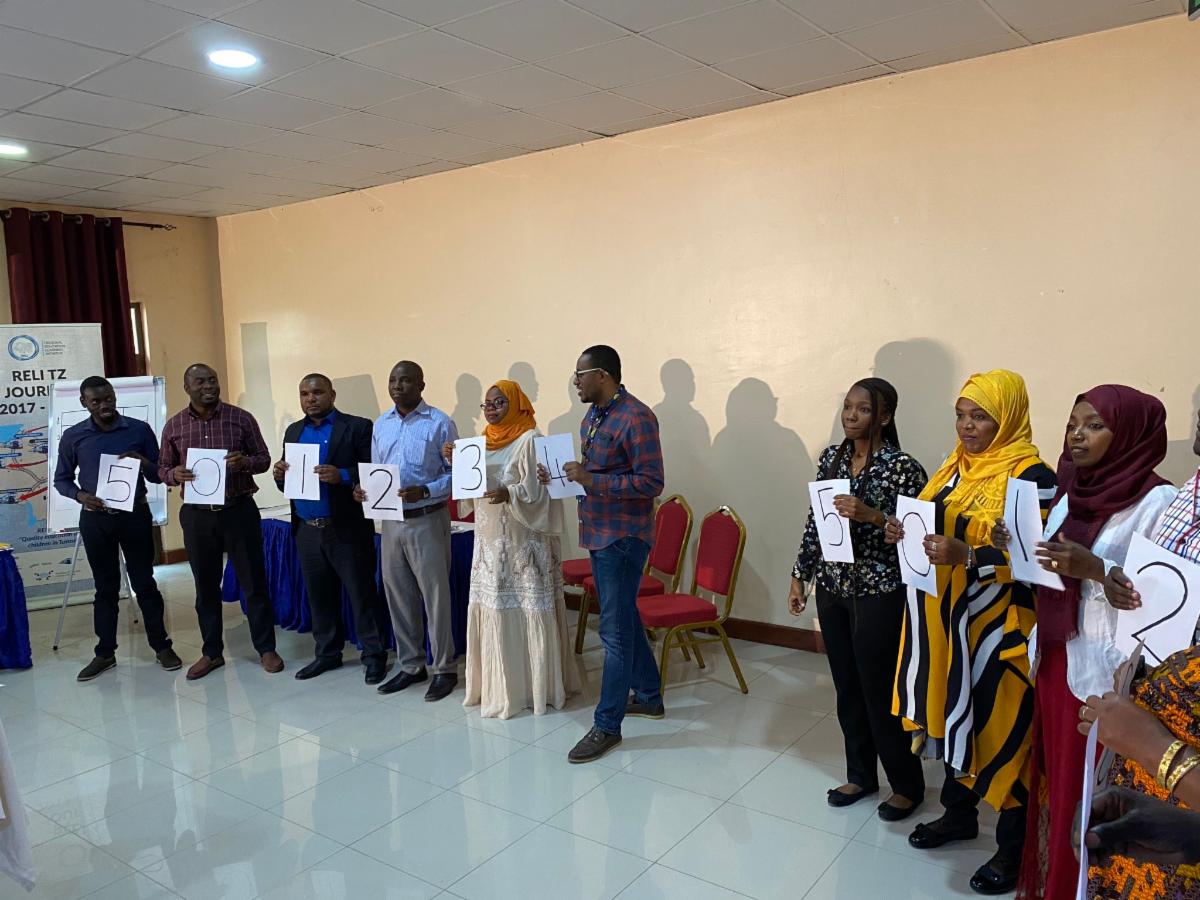
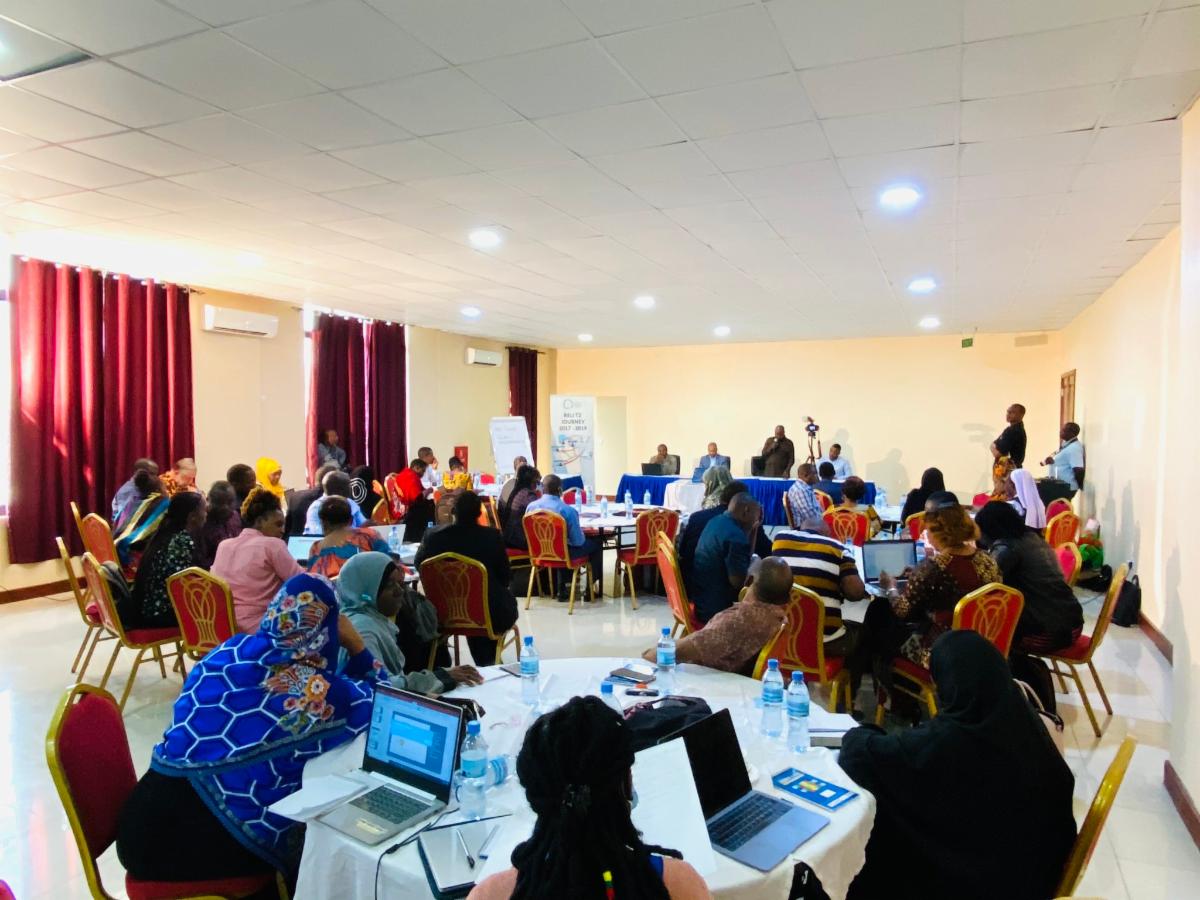
From September 28 - 30, RELI Tanzania met in Dodoma, Tanzania for their 2020 country convening that brought together 18 member organizations across Tanzania. The convening also assembled a diverse group of representative from Ministry of Education, Science and Technology (MoEST) and Ministry of Education and Vocational Training (MoEVT) Zanzibar, senior government officials, key education stakeholders from both mainland and Zanzibar, policymakers, representative from Civil Societies (CSOs), NGOs and Development and Implementing partners. The RELI Tanzania 18 member consortium are normally clustered into four thematic groups: Teacher Development and Support (TDS), Values and Life Skills (VALI), Equity and Inclusive Education (E & IE) and Accountability (AcT) all aiming at improving quality education and children’s learning outcomes.
The theme of the Convening was Redefining Inclusive Education which aims to catalyse change in practice and policy in Tanzania. The convening was officially opened by Mr Solomoni Chazika a representative from the MoEST. It is important to note that this year's convening also draws lessons learnt from the Covid 19 experience, which reminded participants to rethink how best to deliver on the promise of inclusive education with a focus on resilient education and learning systems, policies and infrastructure, community participation and parental engagement, teachers capacity and diverse learner needs.
With a keynote speech from Dr. Mathew Mkonongwa from Dar es Salaam University College (DUCE), all participants passionately and collectively discussed and then reflected on common challenges and issues such curriculum, infrastructure, teacher-students ratio, teacher preparation, limited finances, screening and identification of pupils with special needs; assessment of pupils achievement; child protection mechanism, stakeholders’ contribution to the community especially for children with special needs, learning opportunities during Covid 19, teaching programs that enhance learning, and parents/students/community collaboration to ensure learning continues during these unprecedented times.
Upon reflection on the outcomes of the Tanzania 2020 convening, the participants agreed that:
- The government, community, and other stakeholders still have a great responsibility to contribute to the infrastructure and make them child-friendly especially for children with special needs. They must ensure that all children have the same opportunities to go to school and learn as other children to reduce learning poverty, which is the inability to read and understand a simple texts.
- Tanzania Institute of Education (TIE), Zanzibar Institute of Education (ZIE) and other education stakeholders should ensure that the curriculum is inclusive, and should not discriminate against any group, but reach out to all implementers, including teachers.
- Parents, teachers and the community should be educated and be the local champion on the value and life skills for ease of implementation especially for girls who have been left behind in most communities as the data shared clearly revealed.
- The government and stakeholders also have the responsibility of ensuring all children who lag behind are fully engaged and covered through various education programs catered for their needs. Potential and existing education programs such as Teaching at the Right Level (TaRL), Ticha Kidevu, Ubongo Kids and other programs from GLAMI and TAMASHA need to ensure that their programs are fully inclusive and look at how they can reach and help children with special needs especially those with visual impairment, hearing impairment and/or developmental delay.
More importantly, the RELI Tanzania 2020 convening showed that when you are able to get the right people together around the right topic, there is a lot of power in convening. The RELI TZ team learnt that bringing the right mix of people together for three days and engage in meaningful dialogues and powerful conversation around the theme Redefining Inclusive Education led to a rich exchange of knowledge, a sharing of lessons and experiences, challenging of ideas and approaches, and ultimately, an achievement of concrete outcomes.
One of the most striking examples of the power of RELI TZ 2020 convening that happened include:
- Invitation to the MOEST and MOEVT to introduce RELI TANZANIA and its programs including Teaching at the Right Level (TaRL).
- Invitation to participate in a workshop “Development of the National Strategy on Inclusive Education (NSIE) 2022-2026 held in Arusha from Sep 28 -October 10, 2020.
- Showcase learning products from all four thematic groups and then interact, share, learn and network with government officials who are Non-RELI members.
|
|
Change of guard:
Country leadership:
Outgoing: Godfrey Boniventura
Incoming: Dr Maryam Ismail (Country Lead) and Sr. Grace Mkosamali (Deputy Country Lead)
Thematic groups:
Faraja Nyalandu (TDS Lead) and Dr Shadidu Ndossa (TDS Assistant Lead), Ezra Ntazoya (E & IE Lead) and Asimwe Sued (Assistant E & IE Lead), Victor Sizya (Accountability Lead) and Safari Mosha ( Assistant AcT Lead) Ally Bakari Amani (VALI Lead) and Timothy Sambwe (VALI Assistant Lead)
|
|
The leadership team met on September 15 to officially introduce Sylvia Njaaga as the RELI hub coordinator. Sylvia has left a leadership gap for the learner centered teaching thematic group which calls for members to meet and identify a lead and co-lead. This also applies to the values and life skills group as they are in the process of identifying a co-lead.
The leaders also discussed the KIX call for proposals. With the topics of interest being Basic Education; Access to Education; Knowledge and Public Education, this was hailed as a relevant avenue for collaborative resource mobilization. All RELI members were invited to attend KIX webinar to respond to the FAQs that took place on September 17. ALL RELI members were invited to a meeting to discuss initial steps around grouping for collaborative response to this call.
|
|
The learner centered teaching thematic group held their weekly meeting on September 16. Members shared updates on the progress of the home learning resources and the tracking tool usage.
From their work plan, LCT notes that Covid 19 crisis has sparked multiple forms of inequality in education. Therefore a learning question that seeks to determine some best practices through which members can support e-learning among marginalized students and communities was proposed. Therefore GESCI facilitated a 2-hour learning session where they explained their 5-year road map of LCT integration into schools system. The limitations of the model were analysed. Members aim to adapt best practices thus embed innovation and dynamic planning as a structural response to the potential disruptions to learning. Participants also included members of the wider RELI group.
|
|
The Values and Life skills regional thematic group (ALIVE) met on September 17 to validate the competencies which the project will assess. Having walked through the history, the forum resolved to assess three life skills: problem-solving, collaboration, and self-awareness. ‘Respect’ will be incorporated as a value for learning purposes.
|
|
What we're reading this week:
|
|
Join the conversation on Twitter by following @ReliAfrica and using the hashtags #RELIAfrica #RELILearning to keep the conversation going. A social media toolkit is available here.
Are you a member of the RELI online platform? Click here for more details.
|
|
|
|
|
|
|