|
Growing Together:
Food, Family and Friends
This month, we explore ways to keep our heart healthy and stay connected
with our family.
| | |
Julie Garden-Robinson, Ph.D., R.D., L.R.D., Food and Nutrition Specialist
Sean Brotherson, Ph.D., Family Science Specialist
| | |
EAT
Do you ever have dinnertime conversations about health and wellness? Ask your family members how many times their hearts beat in a day. They might be surprised that our hearts beat about 100,000 times a day.
We need to take good care of this hardworking heart muscle with healthy food with plenty of fiber, vitamins and minerals, as well as plenty of exercise. Have fun making snacks with your family or enjoying indoor or outdoor activities such as walking, skating or sledding in colder climates.
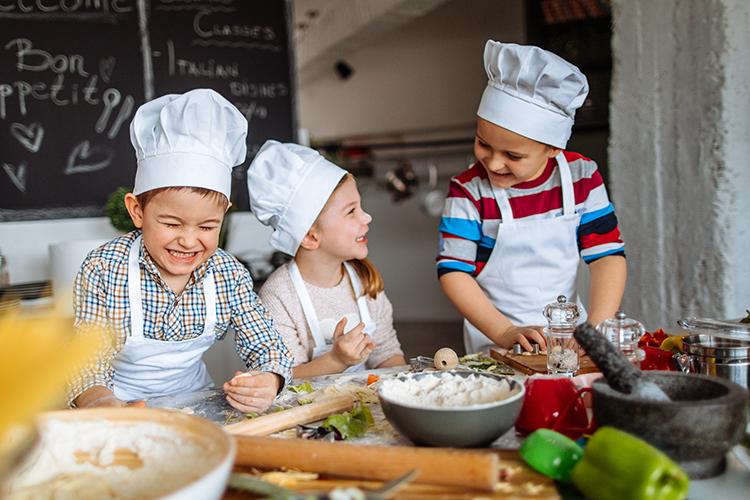
Invite family members into the kitchen. When you help children learn food preparation skills, they learn valuable life skills, including communication, math, reading and nutrition. Here are some ideas for healthful snacks to make together:
- Apple slices spread with nut butter (peanut, almond, sunflower).
- Whole grain and fruit muffins.
- Hummus (garbanzo bean dip) with carrot sticks, broccoli and bell pepper strips.
- Fruit smoothies with yogurt, bananas and berries.
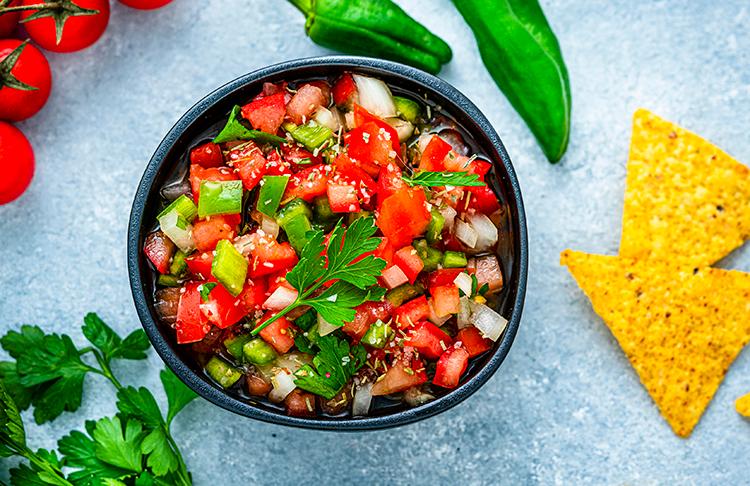
- Homemade salsa with whole-grain chips.
See the “Now You’re Cookin’” series of publications. It includes “Nutritious Afterschool Snacks,” “Meals with Help from Kids” and “Nutritious Snacks for Preschoolers.” Visit www.ag.ndsu.edu/food and click on “Food Preparation” to learn more about economical, nutritious food preparation.
| | |
Black Bean Salsa
1 (15-ounce) can low-sodium black beans, drained and rinsed
8 ounces fire-roasted tomatoes, drained
½ medium white onion, chopped
½ green bell pepper, chopped
2 tablespoons dried cilantro
2 tablespoons lime juice (fresh or bottled)
Whole-grain crackers, chips for serving
Prepare ingredients as directed. Add to a bowl and stir.
Makes eight (1/3-cup) servings. Each serving has 60 calories, 0 grams (g) fat, 4 g protein, 12 g carbohydrate, 5 g fiber and 150 milligrams sodium.
|
| |
Connect
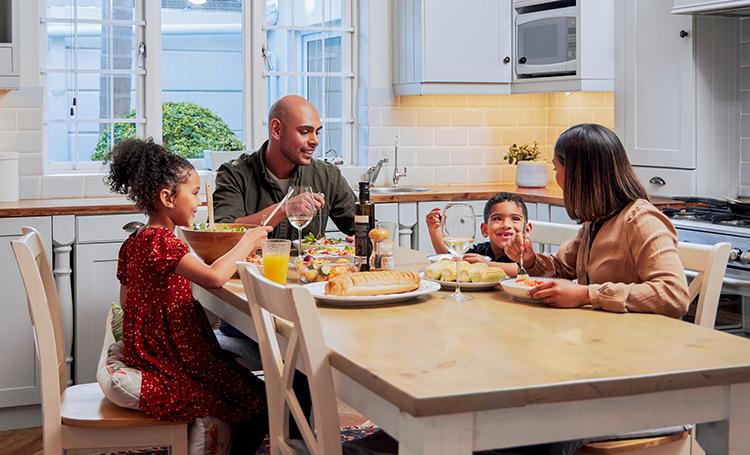
A central emphasis in the “Family Table” is how to use family meals to connect and strengthen family members each week. The month of February is also designated as American Heart Month, which is a great opportunity to focus on different aspects of “heart health”—physically, emotionally and relationally.
-
Family Meals and Your Physical Heart – Since heart disease is the leading cause of death in the United States, and high blood pressure is also a major health concern, taking steps to strengthen your physical heart is vital. Walking regularly and briskly is great for heart health. You are more likely to walk if you do it with family partners. In February, walk for 15 to 20 minutes at least once a week with a family member, and share your effort and progress at a family meal. Also, review a few tips on “heart health” from this short two-minute video by the University of Michigan: Heart Health Tips.
-
Family Meals and Your Emotional Heart – Whether you celebrate Valentine’s Day or Palentine’s Day or something else, February is a month to remember those you love. Nothing is better for your heart health, emotionally, than being grateful for the loved ones in your life. In February, schedule a family meal with those you love, and take a few minutes for each person there to share a moment of gratitude and what they appreciate about one another.
-
Family Meals and Your Family Heart – Putting family meals at the heart of relationships can be a challenge, but it pays huge dividends in strengthening the “family heart.” In February, plan one special meal for and with your family. Make it fun and get ideas from your family members. What might they want? It might be a desire to try sushi, to experiment in making a new dish or to try out an old family recipe. Whatever you do, schedule it ahead of time, and make something special that your family members are excited about. Special, creative family meals can make great memories and strengthen the heart of a family.
| | |
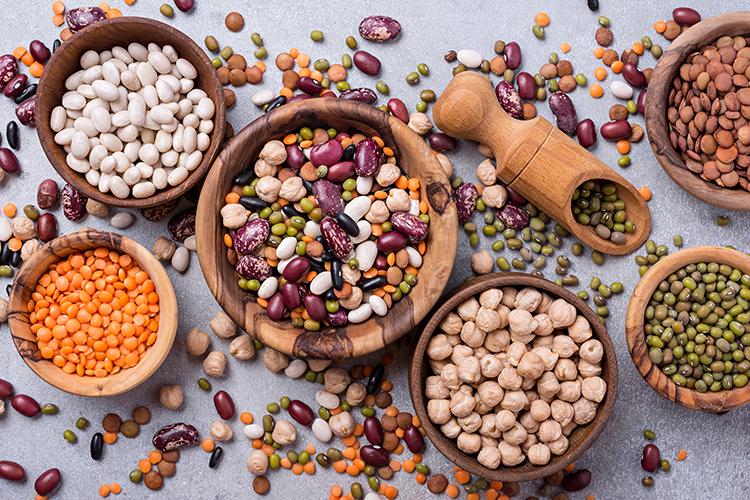
Some people have the idea that healthy food is more expensive. That’s really not true. For example, dry beans, lentils and split peas are among the most economical and healthful foods. They are rich in protein, fiber, vitamins (such as folate) and other nutrients. Dry beans, which you soak and cook, are a nutritional bargain, but canned beans can save time.
Visit www.ag.ndsu.edu/fieldtofork and find the resources to learn more. Join the “Field to Fork” gardening webinars from February to April.
| | |
The NDSU Extension does not endorse commercial products or companies even though reference may be made to tradenames, trademarks or service names. NDSU encourages you to use and share this content, but please do so under the conditions of our Creative Commons license. You may copy, distribute, transmit and adapt this work as long as you give full attribution, don’t use the work for commercial purposes and share your resulting work similarly.
County commissions, North Dakota State University and U.S. Department of Agriculture cooperating. NDSU does not discriminate in its programs and activities on the basis of age, color, gender expression/identity, genetic information, marital status, national origin, participation in lawful off-campus activity, physical or mental disability, pregnancy, public assistance status, race, religion, sex, sexual orientation, spousal relationship to current employee, or veteran status, as applicable. Direct inquiries to Vice Provost for Title IX/ADA Coordinator, Old Main 201, NDSU Main Campus, 701-231-7708, ndsu.eoaa@ndsu.edu. This publication will be made available in alternative formats for people with disabilities upon request, 701-231-7881.
| | | | |