|
Theme:
Tech Tool of the Month
Articles:
News from RMTC-DHH:
- TA-Live! Listening and Spoken Language Strategies Now Available
- TA-Live!
- Tea with the Teachers
Teacher Toolkit:
- Families Resource Webpage
- TA-Live! High-Leverage Practices (HLP3) - Collaborate with Families
- Interview with Parents, Cami and Joshua Smith, and Teacher of the Deaf/Hard of Hearing, Dawnie Clark
- Who Completes the Communication Plan? FAQ Guide
- The Optimizing Outcomes Educational Guidelines
- Media and Materials Loan Library
Did You Know?
- The Hands Up Conference
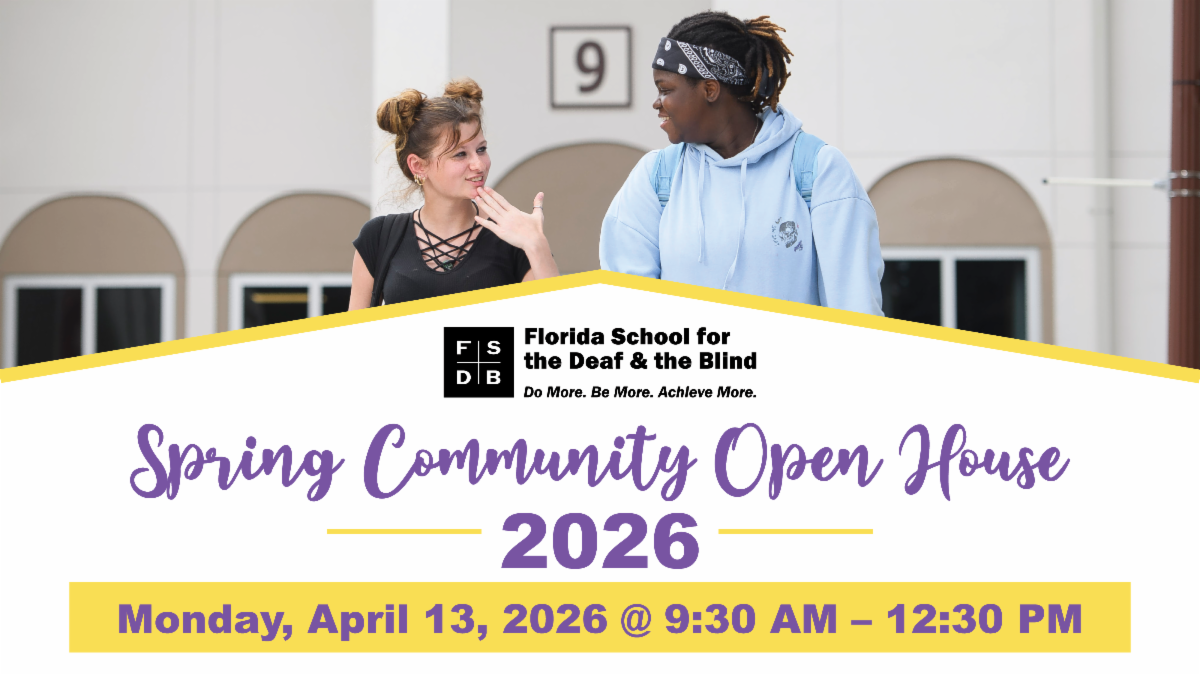
- Florida School for the Deaf & the Blind (FSDB) Spring Community Open House 2026
Upcoming Events
- 4/15/26 - TA-Live! Involving Parents
- 5/6/26 - Tea with the Teachers
| |
In this month's Tech Notes, we are focused on family engagement and collaborative support. We are pleased to welcome Mark Keith from the Resource Materials and Technology Center for the Deaf/Hard of Hearing (RMTC-DHH), who will be presenting on involving parents. This session will explore techniques to build strong partnerships between home and school. Participants will gain actionable strategies to support family involvement and enhance educational outcomes for students who are deaf/hard of hearing. | | | |
EduGems.ai
What is it?
EduGems.ai is a curated, free directory of over 100 specialized AI assistants, known as Gems, built specifically for K-12 educators using Google Gemini. Created by edtech leader Eric Curts, this site houses a massive collection of saved, ready-to-run prompts. Rather than typing out complex instructions every time you use AI, you can simply click on a pre-made EduGem to instantly launch a specialized assistant for lesson hooks, choice boards, or decodable texts.
Why it’s great for educators:
-
Ready to Run Frameworks: Skip the trial-and-error of prompt writing by clicking a link to launch highly specific, expert-designed educational chatbots.
-
Make it Your Own: Easily copy any Gem to your own Google account and customize the instructions to fit your specific grade level or school curriculum.
-
Massive Variety: Access specialized bots for curriculum design, literacy support, review games, differentiation, and administrative tasks.
-
Grounded in Reference Files: Many Gems allow you to upload up to ten reference files, like your own rubrics or curriculum maps, to ensure accurate outputs.
-
Free and Accessible: Built on Google Gemini, the platform is free for educators to use, copy, and share across departments.
Bonus for students who are deaf/hard of hearing:
EduGems.ai is a goldmine for supporting visual learning, vocabulary acquisition, and language access. Within the site’s directory, teachers can find specialized Gems for creating visual analogies, simplified texts, and interactive graphic organizers.
For students who are deaf/hard of hearing, vocabulary gaps can present a significant barrier to reading comprehension. Educators can use the Vocabulary Tiers Gem to instantly pull and categorize Tier 2 and Tier 3 vocabulary from any reading passage, allowing them to pre-teach concepts using visual-first definitions. There are also Gems for creating structured rubrics and visual choice boards, which provide students and educational interpreters with a clear, spatial map of expectations for the week. Because you can make a copy of any Gem, you can modify the system instructions to permanently include a rule that says, "Always prioritize visual descriptions and clear, accessible language for students who are deaf/hard of hearing."
| | |
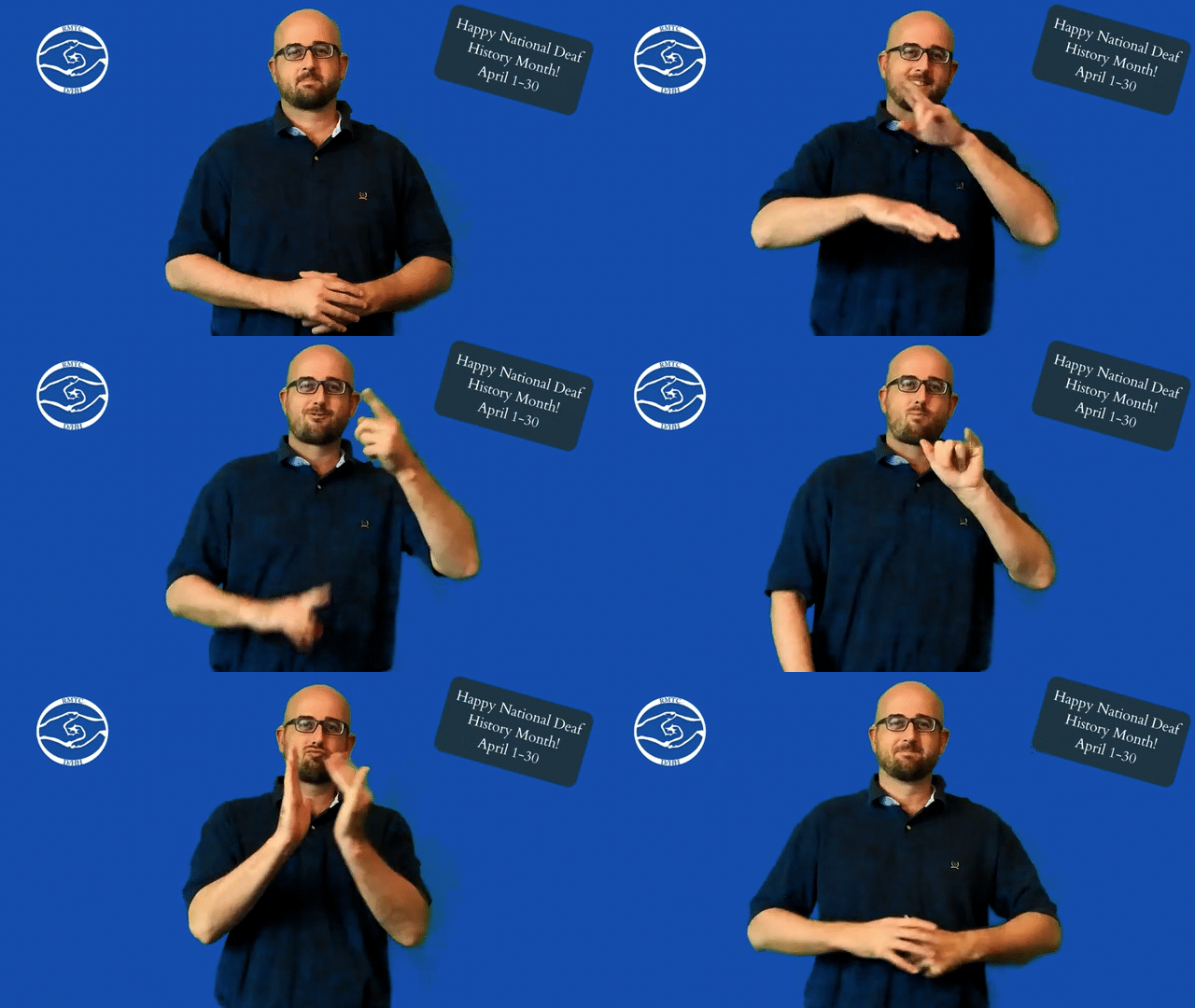
Every April, the deaf/hard of hearing community and supporters celebrate Deaf History Month. This annual observance honors the rich history, culture, and achievements of the Deaf community. Established in 1996 in the United States by the National Association of the Deaf (NAD) and the American Association of the Deaf (AAD), Deaf History Month coincides with the birthdays of two influential figures in Deaf history: Laurent Clerc and Thomas Hopkins Gallaudet.
Laurent Clerc, a Frenchman who was Deaf, co-founded the first school for the deaf in the U.S., the American School for the Deaf, in Hartford, Connecticut, in 1817. Collaborating with Clerc was Thomas Hopkins Gallaudet, a hearing American educator. Together, they laid the foundation for Deaf education and the development of American Sign Language (ASL).
Deaf History Month is a time for reflection and celebration, offering a chance to acknowledge the rich tapestry of deaf/hard of hearing culture and its contributions to the global community. As we commemorate the achievements of the past, it is also an opportunity to look forward to a future that embraces equal opportunities for all, regardless of hearing ability. Through education, awareness, and advocacy, Deaf History Month plays a pivotal role in breaking down barriers and fostering a society of belonging.
| |
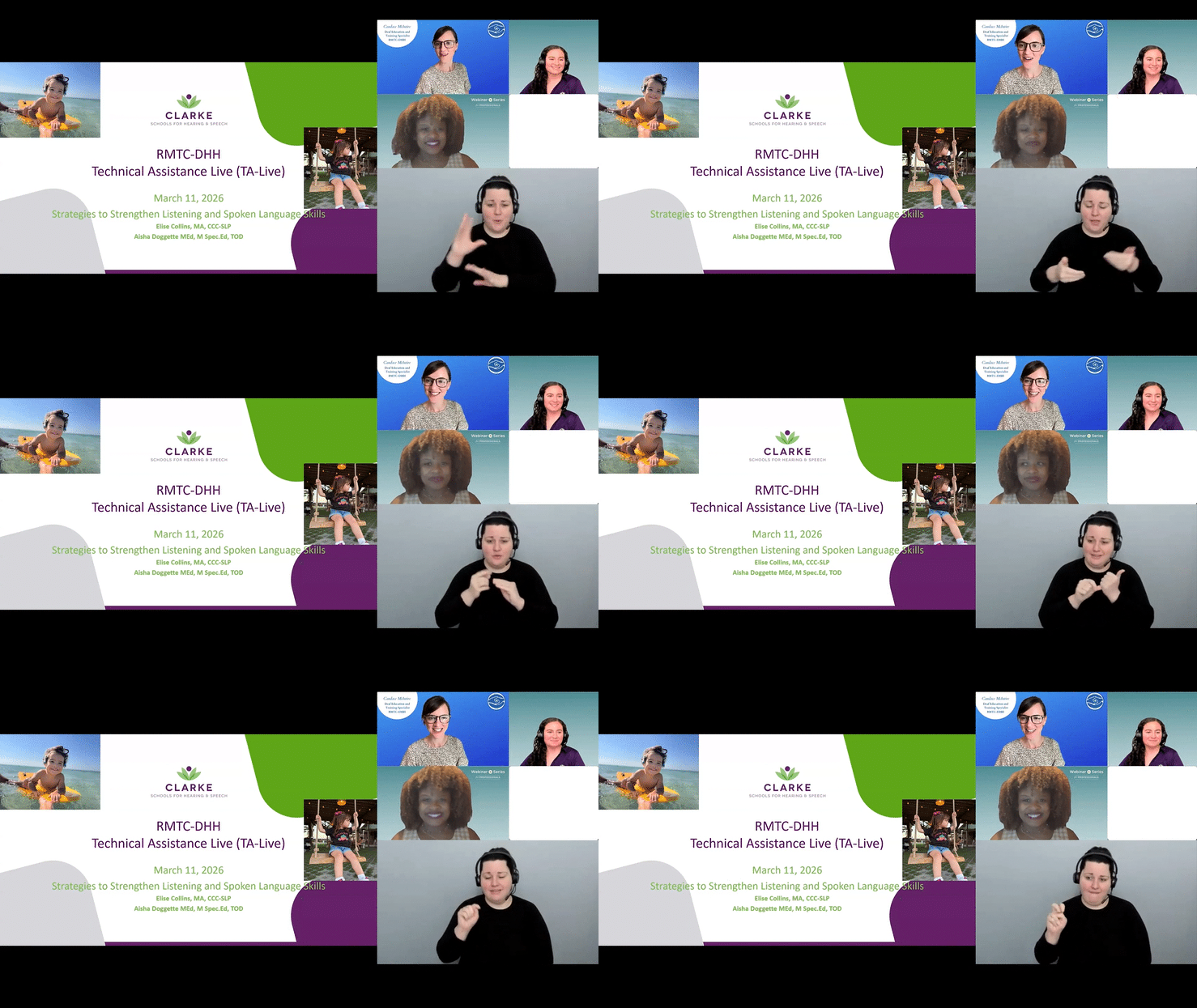
TA-Live! Listening and Spoken Language Strategies Now Available
| March's TA-Live! Featuring Elise Collins and Aisha Doggette from Clarke Schools for Hearing and Speech is now available in our video library! In case you couldn't join us, we’ve made the recording and supplemental materials available for you in our video library. | |
Please join RMTC-DHH for the LAST TA-Live! session of the year! The sessions will be recorded for future viewing.
Sessions include:
-
April 15, 2026: Involving Parents with Mark Keith from RMTC-DHH
When?
The LAST TA-Live! session will be April 15, from 2:00 p.m. to 3:00 p.m. ET (1:00 p.m. to 2:00 p.m. CT).
| The theme for this month’s discussion is involving parents. We will be joined by Mark Keith from RMTC-DHH. Do you have questions you would like to submit before the discussion session for our guest speaker? Please fill out this form. | | | |
Please join RMTC-DHH for the last session of Tea with the Teachers, a virtual collaborative learning community (VCLC). Participants are encouraged to add questions/topics for discussion using the Tea with the Teachers Collaborative Notes. The sessions will not be recorded and transcripts will not be available after the event.
When?
Date(s): 5/6/26
Time(s): 9:00 a.m. - 10:00 a.m. EST (8:00 a.m. - 9:00 a.m. CST)
| | |
|
Featured Resources:
-
Families Resource Webpage: Grounded in the principle that families are critical partners, this hub offers training, support, and tools to foster strong family-school partnerships that drive student achievement.
-
TA-Live! High-Leverage Practices (HLP3) - Collaborate with Families: This recorded webinar focuses on high-leverage special education practices for collaborating with families to support student learning and secure needed services.
-
Interview with Parents, Cami and Joshua Smith, and Teacher of the Deaf/Hard of Hearing, Dawnie Clark: In this interview the parents of two children who are deaf/hard of hearing and the teacher of the students discuss how they collaborate to optimize the outcomes of the students.
-
Who Completes the Communication Plan? FAQ Guide: This guide outlines how parents are active, essential contributors to the Communication Plan, offering valuable data on their child's language levels and needs.
-
The Optimizing Outcomes Educational Guidelines: Review the core principle that families are critical partners, along with actionable tips for districts to support family-school achievement partnerships.
-
Media and Materials Loan Library: Explore our curated selection of professional books and multimedia resources available for checkout. Florida educators and families can borrow these titles at no cost to support in-depth professional learning:
-
Building Skills for Success in the Fast-Paced Classroom (Catalog #1958): Includes dedicated chapters on building partnerships between parents and the school team to support students in general education settings.
-
Educational Audiology Handbook (Catalog #2038): A wonderful resource for educators to share with parents to help explain audiograms, equipment management, and acoustic accessibility at home and school.
-
Advocacy in Action - A Self-Advocacy Curriculum (Catalog #1938): Provides structured pathways to help parents and educators collaborate on teaching students how to own and explain their accommodations.
| | | | |
Registration is officially open for the Hands Up Conference! Continuing the beautiful tradition of the original "Silent Weekend," this annual gathering brings together the signing community for an immersive experience. The conference is open to teachers of students who are deaf/hard of hearing, parents of children who are deaf/hard of hearing, ASL interpreters, students, and anyone eager to learn and grow in their ASL journey. Please note that the primary language of communication for the conference is ASL, and workshops are conducted in sign language to respect and maintain a signing space.
Dates: Thursday, June 18 – Sunday, June 21, 2026
Location: The Florida Hotel and Conference Center, 1500 Sand Lake Rd, Orlando, FL 32809
Registration & Scholarship Opportunities: General registration is open now! If financial barriers are a concern, you are encouraged to apply for the Tuccelli Scholarship, which honors the legacy of founders Mike and Maureen Tuccelli by providing complimentary conference registration. To apply for the scholarship or if you have questions regarding the event, please reach out to the conference team at conference@handsupcommunications.com or call (828) 390-1186. Requests for specific accommodations should be submitted before the deadline of May 1, 2026.
| | |
Monday, April 13, 2026 9:30 AM – 12:30 PM
Please join the Florida School for the Deaf & the Blind (FSDB) for an opportunity to learn about FSDB programs, watch a variety of performances from FSDB music groups and Q&A with staff and students. Special guests include FSDB President, Tracie Snow and D & B Designs with unique gifts and apparel.
| | RMTC-DHH provides Tech Notes as a free resource to teachers, professionals, and families around the state in order to pass along potentially useful information and expand the knowledge and opportunities available to educators and families of children who are deaf/hard of hearing. This email was funded by the Florida Department of Education Bureau of Exceptional Education and Student Services through federal assistance under the Individuals with Disabilities Education Act (IDEA), Part B funds and through an agreement with the Florida School for the Deaf and the Blind. The information included does not reflect any specific endorsement by any parties involved. | | | | |