|
Greetings!
With the vernal equinox just days away, a sense of change is in the air. As our surroundings shed the icy grip of winter, longer daylight hours bring the promise of renewal and regrowth. Throughout the watershed, we are preparing for the warmer seasons ahead.
This June, we are delighted to welcome our summer intern, Lanna Antebi, a rising junior and aspiring geomorphologist at Colby College. Lanna will join us through Maine Coast Heritage Trust's Rockefeller Internship Program from June to August. During their time with RRCT, Lanna will help manage our growing list of conserved properties and participate in extensive trail improvement work at New Gloucester’s Intervale Preserve. They will also put their creative writing skills to work through our newsletters, gain experience assisting with foundation grants, and support RRCT at many of our summer events. With no shortage of meaningful work ahead, we are grateful to have them join our team.
Years ago, our Executive Director, Chris Franklin, interned at the Earth Island Institute in San Francisco, where he worked alongside one of the conservation movement's early leaders, David Brower. In the early 1990s, David was promoting "CPR for the Earth." Recognizing the many ways our planet was declining ecologically, he sought a remedy. Having helped create more than a dozen national parks and wilderness areas, Brower understood that Conserving strategic lands and Preserving habitat, biodiversity, and wilderness were essential. What was becoming increasingly clear to him, however, was that conservation and preservation alone would not undo the damage inflicted in our rush toward progress. The key to the future, as he saw it, and the key to saving patient Earth would be Restoration.
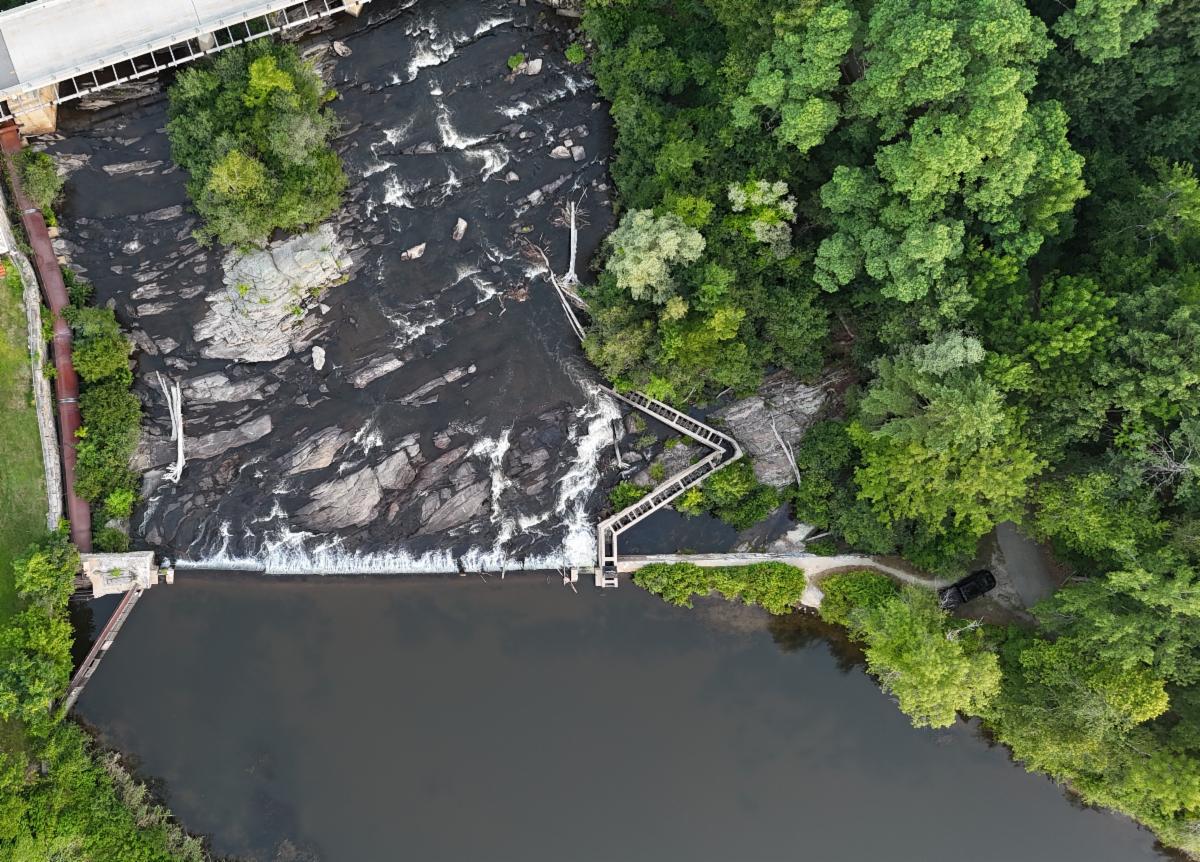
Over the past 50 years, there has been a fundamental shift in how we view Earth’s finite resources. Practices once considered routine - damming rivers, clearcutting forests, strip-mining mountains - have gradually given way to more sustainable forest management and transitions toward cleaner energy. Yet simply stopping harmful practices is not enough. Previously clear-cut forests must be carefully managed to avoid becoming even-aged stands vulnerable to disease, and rivers long constrained by dams need help returning to health. The restoration work underway on the Royal River holds tremendous promise for measurable improvements in water quality and wildlife habitat throughout the watershed through dam removal.
With many helping hands, our collective efforts to manage invasive species, remove upstream barriers to fish migration, and preserve strategic conservation parcels can help the watershed thrive once again. With the two dams removed, the Royal River will be reconnected to the ocean for the first time in over 350 years! Recovery will take time, but sea-run fish are already "knocking on the door" and will quickly venture upstream in search of suitable habitat. We will be close behind, learning from others how to best put things back together.
This work can be our gift to the future, or as David Brower once wrote, "we urge that all people now determine that an untrammeled wildness shall remain here to testify that this generation had love for the next." These are good words to live by.
Warmly,
The Board and Staff of RRCT
|