|
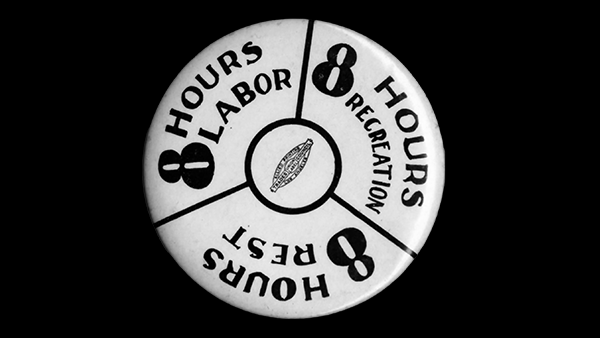
Labor Day traces back to 1882, when members of the Central Labor Union organized a parade of 10,000 workers through the streets of New York City, demanding recognition for the labor movement and an end to the grueling conditions of industrial-era work.
It took twelve more years for Congress to make it a federal holiday, and railroad workers are the reason it happened when it did. In April 1894, Eugene Debs' American Railway Union struck the Great Northern Railway over repeated wage cuts, and won.
Energized by that victory, workers at George Pullman's railroad sleeping car company, who were also fighting wage cuts without any relief on the rents Pullman charged them in the company town he forced them to live in, joined the ARU and struck too. Debs called a national boycott of any train carrying Pullman cars, which was effectively a national rail strike.
A federal judge, on the argument that Pullman cars were attached to mail trains, issued the first federal injunction ever used against a strike, and jailed Debs for defying it. President Grover Cleveland sent the National Guard into Chicago to break the picket lines, and the resulting violence damaged his standing with the working-class voters who'd elected him. Weeks later, he signed Labor Day into law.
RWU solidarity member Peter Rachleff, co-founder of the East Side Freedom Library in St. Paul, Minnesota reminds us of Labor Day's origins and its deep historical connections to the railroad worker story in his 2022 piece in the Union Advocate.
|