Rail & Labor News from RWU
| |
Weekly Digest Number 42 - October 14th, 2024 | |
Welcome to the RWU Rail & Labor News! This news bulletin is produced and emailed out each Tuesday morning. We hope you find each week's news and information useful. If so, please share with co-workers, friends, and colleagues. If you like, you can sign them up to get all the news from RWU HERE. Or forward them the link. Got a hot tip? Please forward the article and a link to raillabornews@gmail.com. Note: If you read over this news bulletin each week, you will be sure to never miss the important news of what is going on in the railroad world from a worker's perspective! | |
Editor's Note: While the Association of American Railroads emphasizes their proactive measures to address severe weather threats, such as hurricanes and tropical storms, it’s crucial to recognize that these strategies often prioritize network operations over the well-being of rail workers. Real-time monitoring and innovative technologies, though valuable, cannot replace the need for more robust worker protections and safety guarantees. Rail labor must demand a seat at the table in shaping these disaster response plans, ensuring that the workforce is fully safeguarded alongside the infrastructure. | |
Progressive Railroading / October 9th, 2024
In its newsletter, the Association of American Railroads states that railroads employ a proactive strategy combining year-round maintenance, smart operational practices, and innovative technologies to safeguard the nation’s freight rail network against intensifying hurricanes and tropical storms. As Hurricanes Helene and Milton impact communities across the Southeast, freight railroads continue to take steps to protect the safety of their employees, their networks, and the communities they serve, according to AAR's December issue of "The Signal."
The railroads' preparation and protective measures include:
• Monitoring the weather in real-time at their traffic control centers, where they receive information from in-house meteorologists, the National Weather Service, and train operators;
• Maintaining company-specific operating instructions on how to prepare for and respond to natural disasters, including flooding;
• Utilizing high-water detectors to send real-time notifications about track conditions to approaching trains
• Using transient voltage surge suppressors and grounding systems to divert excess voltage from critical systems to reduce the risk of damage and service disruptions during severe storms.
| |
Editor's Note: As Norfolk Southern boasts about early agreements and collaborative labor relations, the 3.5% yearly wage increase over five years hardly reflects the rising cost of living and inflation impacting rail workers. Improvements to vacation time and healthcare benefits, though welcome, are small concessions in comparison to the growing demands placed on the workforce. We must remain vigilant in pushing for fairer agreements that prioritize worker dignity and compensation over corporate convenience. | |
Progressive Railroading / October 9th
Norfolk Southern Railway announced that its International Association of Sheet Metal, Air, Rail, and Transportation Workers-Mechanical Department (SMART-MD) employees have voted to ratify a new labor agreement with the Class I railroad. The SMART-MD's ratification follows successful ratification votes by the American Train Dispatchers Association (ATDA), the Brotherhood of Railway Carmen Division/TCU (BRC), and the Transportation Communications Union (TCU). The newly ratified agreements provide a 3.5% average yearly wage increase over the next five years. They also offer NS railroaders more vacation earlier in their career and make improvements to health care benefits, according to an NS press release. “The collaborative relationship Norfolk Southern has with our labor partners that enable these early agreements is vital to avoiding a multi-year bargaining process and ensuring peace of mind for covered employees,” said NS President and CEO Mark George.
| |
Editor's Note: BNSF Railway’s latest five-year agreement with SMART-Railroad, boasting a 3.5% yearly wage increase, falls short of meeting the financial realities faced by rail workers today. While the promise of earlier vacation time and enhanced healthcare benefits might seem like progress, it is clear that these agreements are being rushed ahead of the next bargaining round. Workers must be prepared to push for more substantial gains, ensuring that workers’ needs aren’t sidelined in favor of corporate timelines. | |
Progressive Railroading / October 7th, 2024
BNSF Railway Co. announced last week that members of the International Sheet Metal, Air, Rail and Transportation Workers (SMART)-Railroad, Mechanical and Engineering Department voted to ratify a new five-year agreement with the Class I.
The contract calls for a 3.5% average wage increase per year over the next five years, offers employees more vacation earlier in their career, and enhances health-care benefits, according to a BNSF press release. BNSF officials said the vote comes a month before the opening of the next collective bargaining round. It also follows the ratification of BNSF labor agreements with the American Trains Dispatchers Association, the Transportation and Communications Union, and the Brotherhood of Railway Carmen.
|
|
Editor's Note: The introduction of the Railroad Yardmaster Protection Act highlights a long-overdue recognition of the critical role yardmasters play in rail operations. Limiting their hours to 12 shifts with mandated rest aligns with common-sense safety practices already in place for other rail workers. This legislation is a necessary step to protect both yardmasters and the broader workforce, reinforcing the importance of fair working conditions and safety standards across the industry. We must continue to advocate for comprehensive protections like this to safeguard all rail workers. | |
Trains Magazine / October 9th, 2024
Two members of Congress have introduced legislation to place railroad yardmasters under the same hours-of-service regulations that cover workers such as train crew members and dispatchers. U.S. Reps. Salud Carbajal (D-Santa Barbara, Calif.) and Mike Lawler (R-Pearl River, N.Y.) on Tuesday introduced the Railroad Yardmaster Protection Act, which would limit a yardmaster to 12 hours of duty, after which the individual must receive at least 10 hours off “Yardmasters serve a critical role in our nation’s railroad network. They oversee the
operations of a rail yard and manage the duties of various rail workers,” Carbajal said in a press release. “They not only direct the activities of their fellow workers but also passenger and freight trains when they arrive and depart. Currently, there are no limitations to the number of hours a yardmaster can work in a day, week, or month. This is not only dangerous for the well-being of the yardmasters but the safety of workers on the yard and train passengers.” A version of the bill was passed by the House in 2020. It has been endorsed by the International Association of Sheet Metal, Air, Rail, and Transportation Workers (SMART).
| |
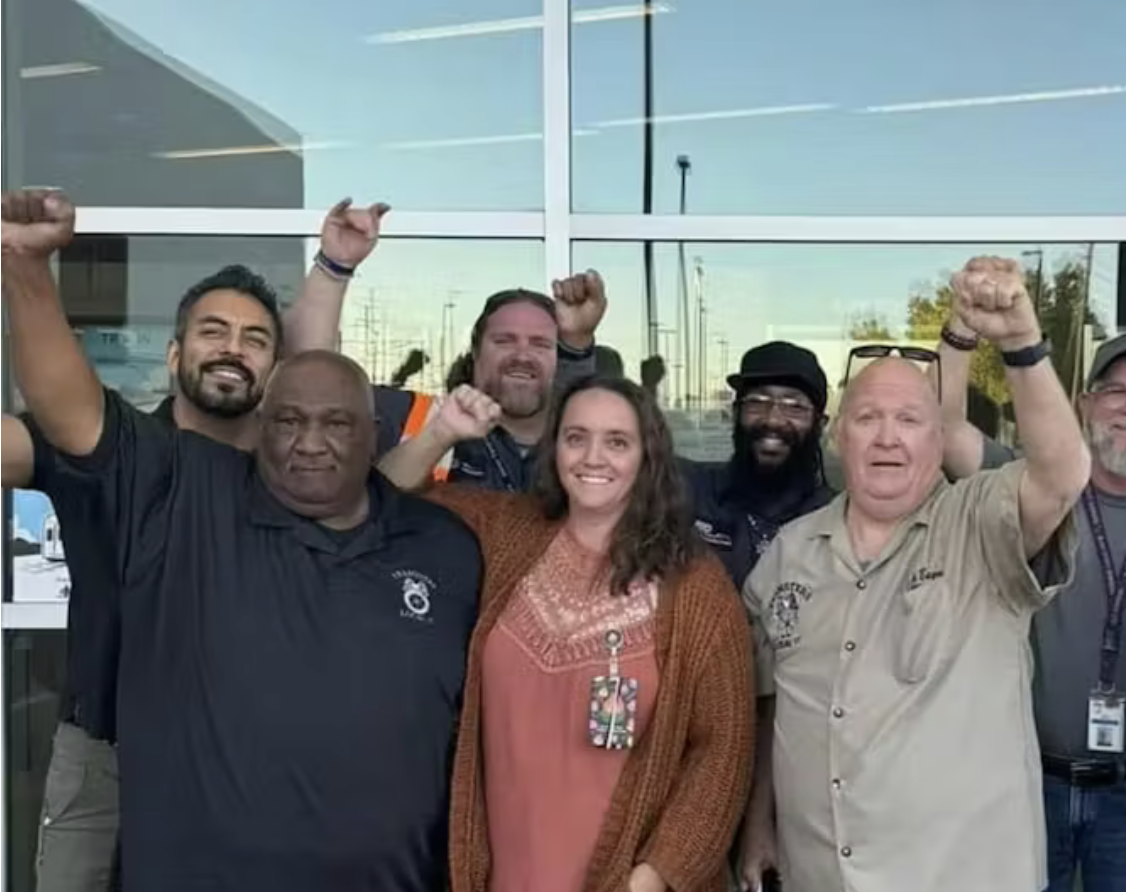
Editor's Note: The decision by Denver Transit Operators to organize with Teamsters Local 17 marks a significant victory for rail labor, showcasing the growing demand for worker representation and collective bargaining. These 74 train operators serve as essential workers, ensuring smooth rail transit in Denver, including key routes to the airport. By joining forces with the Teamsters, these workers are taking a crucial step toward securing respect, fair treatment, and job security. This is yet another reminder of the power and necessity of labor unions in amplifying workers’ voices and ensuring equitable conditions. | |
Mass Transit Magazine / October 7th, 2024
Denver Transit Operators, a Denver Regional Transit District contractor, has voted to partner and organize with Teamsters Local 17 union. "We are proud to welcome this group of essential workers to North America's strongest union," said Local 17 Union President Ed Bagwell. "These new Teamsters provide an invaluable service to millions of people who live, work, and travel throughout Denver. We are grateful they entrusted us to be their sole bargaining representative, and we are looking forward to helping them secure their first Teamsters contract." These 74 train operators provide rail transportation throughout Denver, including the heavily traveled line to Denver International Airport. "I wanted to help organize my workplace, particularly after getting to know my co-workers," said Tina Harris, a train operator at Denver Transit Operators. "This is a wonderful group of people who deserve representation and a voice about their future. We deserve to feel respected and valued by our peers and upper management and secure employment. Organizing with the Teamsters will help foster loyalty and a healthier workplace."
| |
Editor's Note: The Association of American Railroads’ (AAR) request for a waiver from key safety provisions of the Confidential Close Call Reporting System (C3RS) is a blatant attempt to sidestep accountability at the expense of worker safety. While the program is designed to foster open reporting of close calls without fear of discipline, the AAR’s push for leniency only serves to protect the railroads, not the workers who face real risks on the job. Rail labor must reject these attempts to weaken safety measures and demand stricter enforcement, ensuring that safety remains a priority, not an afterthought. | |
Progressive Railroading / October 7th, 2024
Last week, the Association of American Railroads (AAR) petitioned the Federal Railroad Administration (FRA) for a waiver of compliance with certain safety provisions involving the FRA's Confidential Close Call Reporting System (C3RS) program. The C3RS program would encourage certified dispatchers to report close calls and protect the employees and the member railroads from discipline or sanctions arising from the incidents reported per the C3RS implementing the memorandum of understanding (IMOU) between the FRA, railroads, and labor unions that have agreed to participate in the program.
| |
Editor's Note: As Unifor begins negotiations with Canadian Pacific Kansas City and CN, the focus on addressing issues like contracting out, forced overtime, and harsh company policies is essential for protecting the interests of rail workers. With over 4,500 members represented, Unifor’s efforts to secure better working conditions and safeguard work-life balance highlight the importance of fair treatment in an industry too often driven by corporate convenience. We must continue to push for agreements that respect the workforce and ensure long-term protections. | |
Progressive Railroading / October 10th, 2024
Unifor has initiated contract negotiations with Canadian Pacific Kansas City, weeks after it opened talks with CN for a new contract agreement. At CPKC, Unifor represents about 1,200 members at 17 locations. "Our bargaining team has prioritized the key issues of work ownership and protection, improving working conditions, and resolving poor labor relations," Unifor officials said in a notice to members. "We are focused on securing protections against high levels of contracting out and forced overtime, as well as tackling strict company policies that negatively impact work-life balance." At CN, Unifor represents 3,300 mechanical, clerical, and intermodal employees in Canada across three collective agreements. The current collective agreements expire Dec. 31. Three days after beginning negotiations with CN, Unifor on Sept. 27 filed with Canada's labor minister a notice of dispute, also known as "conciliation." On Oct. 8, CN announced in a press release that the labor minister appointed three conciliators who will assist the parties in reaching an agreement. The conciliation period will last 60 days, concluding on Dec. 2, followed by a 21-day cooling-off period. CN officials said there can be no work stoppage before Jan. 1, 2025, as the collective agreement remains in effect until Dec. 31.
| |
Editor's Note: The recent strike by the International Longshoremen’s Association highlights the ongoing struggles workers face in securing fair contracts. While the National Retail Federation downplays the impact on the holiday season, it’s clear that the supply chain has been disrupted, and workers are absorbing the brunt of this disruption. As negotiations continue, key issues like automation remain unresolved. Rail labor should stand in solidarity with the longshoremen, as these struggles reflect our shared fight for fair wages, job security, and protection against corporate-driven automation. | |
|
Progressive Railroading / October 9th, 2024
The National Retail Federation reported yesterday that major container ports will continue to receive elevated import volumes in October despite the three-day strike that shut down port operations from Maine to Texas earlier this month. The affected ports will take several weeks to recover from the backlog. Still, Jonathan Gold, NRF vice president for supply chain and customs policy, expects no impact on the holiday shopping season. However, the strike did impact the supply chain. “Retailers who brought in cargo early or shifted delivery to the West Coast face added warehousing and transportation costs, but the priority now is for both parties to negotiate in good faith and reach a long-term contract before the short-term extension ends in mid-January,” Gold said. “We don’t want to face a disruption like this all over again.” The International Longshoremen’s Association went on strike on Oct. 1 at the East and Gulf Coast ports after their contract with the United States Maritime Alliance expired on Sept. 30. A tentative agreement was to expire on Jan. 15, 2025, was reached to increase wages. Other details, such as automation, still need to be hammered out.
| |
Progressive Railroading / October 10th, 2024
In times of great challenge, many ask, “Why?” Why should we change? Why risk what we have? Why push beyond what’s comfortable? But the question we should be asking is, “Why not?” This was the mantra of Bobby Kennedy in his 1968 Presidential campaign, and it’s one rail labor must adopt now.
Much like Kennedy’s vision of bold action, rail labor needs to embrace a future-focused mindset—one that questions the way things are instead of accepting a slow decline. As we face perhaps the greatest obstacles to our industry and workforce in a generation, the time for asking “Why not?” has arrived.
For decades, rail labor has been content with incremental changes, celebrating small victories that feel more like stopgaps than real wins. We’ve traded away larger gains for short-term stability, often without realizing the long-term costs. Just as past generations gave away firemen, brakemen and cabooses with little to show for it, we now find ourselves at another crossroads—staring down a future where one-person crews and automation loom large. The question isn’t if these changes will happen, but when. Why not seize this moment to rethink our approach? Why not stop asking how we can hold onto the scraps of what we once had, and instead demand a bigger seat at the table for the future?
This leaves many members questioning whose interests are truly being served. The real power in our organizations, though hidden, is now making decisions that affect every single worker in the industry—decisions that will define the future of rail labor. But instead of clinging to the way things have always been, we should be asking ourselves: Why not build something better?
| |
Editor's Note: The aftermath of the East Palestine derailment continues to highlight the need for stronger accountability from carriers like Norfolk Southern. While personal injury payments may proceed during the appeal of the $600 million settlement, the lack of transparency around how much will actually go to victims raises concerns. We must push for greater protections and compensation for communities impacted by rail disasters, especially when corporations attempt to limit their long-term liability. This settlement is a stark reminder of the ongoing fight for justice in the face of corporate negligence. | |
A.P. News / October 8th, 2024
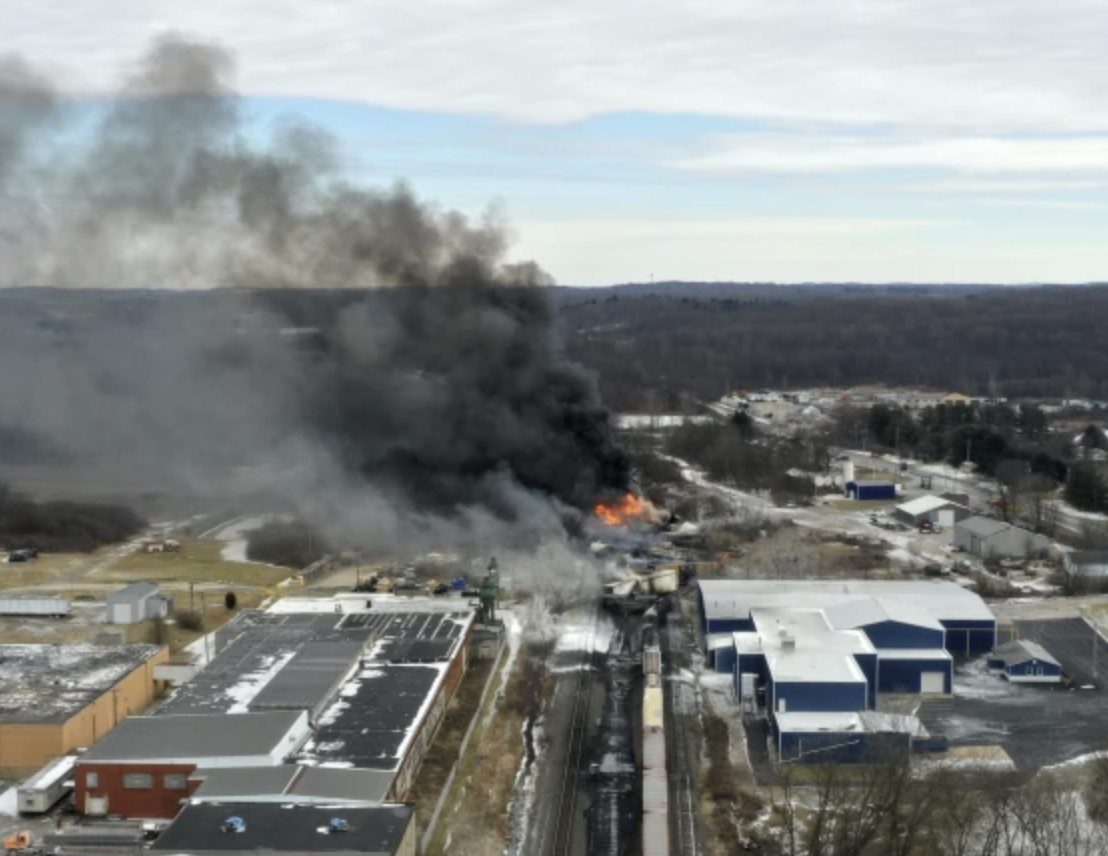
People who lived near the disastrous East Palestine derailment last year should still be able to receive personal injury payments even while the bulk of their $600 million class action settlement with Norfolk Southern railroad remains on hold during an appeal. A spokesperson for the attorneys who represented residents said provisions of the deal would allow those personal injury payments to proceed while an appeal challenging whether the settlement is adequate and fair moves forward. It’s unclear how much of the settlement fund will be used up by those payments because the attorneys haven’t provided those details. A federal judge approved the settlement last month. The lawyers haven’t offered any breakdown of how many of the roughly 55,000 claims they received are for injuries and how many are for property damage, nor have they said how much each person will receive. Only 370 households and 47 businesses opted out of the deal. Residents who lived within 10 miles (16 kilometers) of the train crash that happened near the Ohio-Pennsylvania border in February 2023 were eligible to receive up to $25,000 apiece as long as they gave up the right to sue later if someone developed cancer or any other serious health condition.
| |
Editor's Note: The National Transportation Safety Board’s release of over 600 pages of evidence related to the October 2023 fatal coal train derailment underscores the slow moving nature of safety investigations in the rail industry. While no crew members were injured, the collapse of a railway bridge that killed a truck driver highlights the devastating consequences of derailments. We must remain vigilant in demanding swift and thorough investigations, as well as stronger safety measures to prevent future tragedies. The lives of workers and the public depend on it, and corporate delays cannot be tolerated. | |
The Gazette / October 7th, 2024
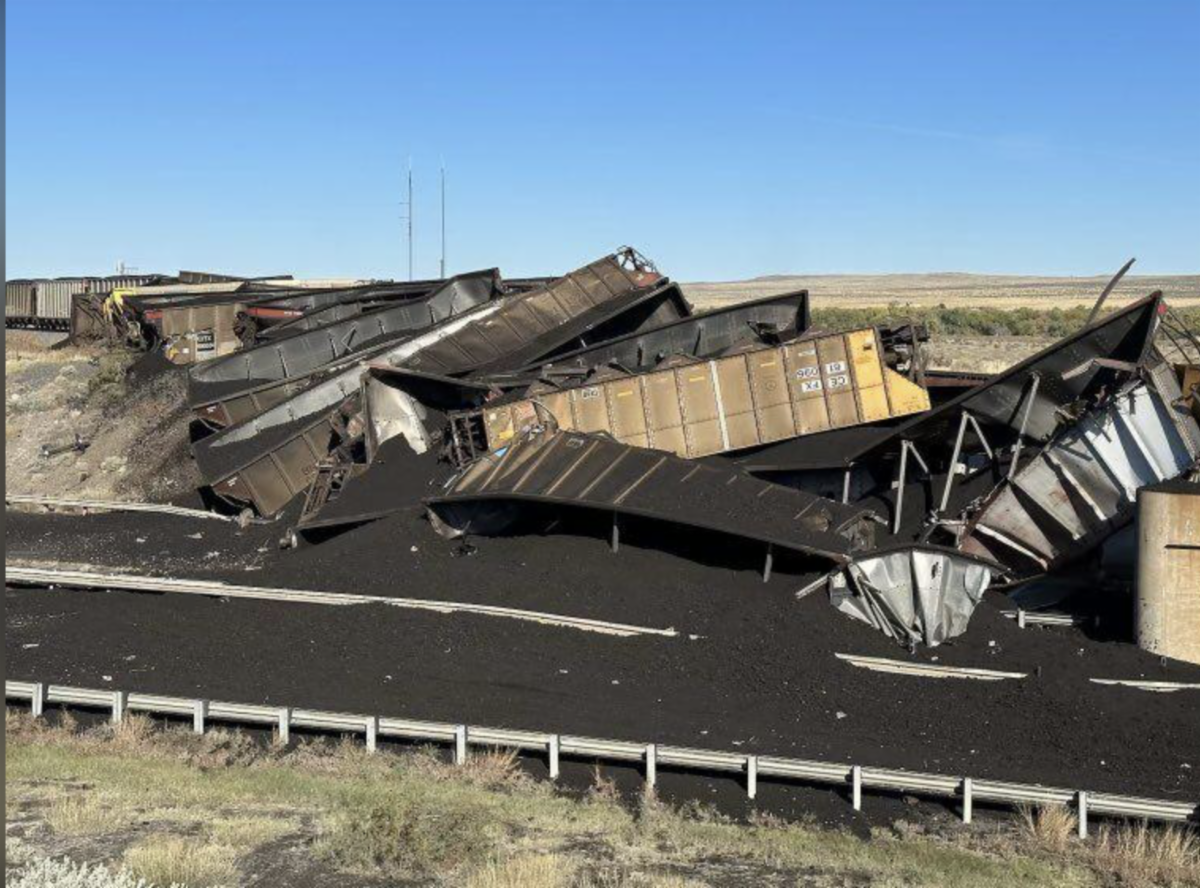
The National Transportation Safety Board released more than 600 pages of evidence gathered throughout its investigation into the October 2023 fatal coal train derailment, as the investigation continues almost a year later. On Oct. 15, 2023, just before 3:30 p.m., 30 railcars of a coal train derailed at milepost 109.654, roughly 5 miles north of Pueblo along Interstate 25. According to the report, the derailment caused a railway bridge over I-25 to collapse, with six railcars dropping to the freeway below, killing a truck driver. No members of the train crew were injured. The report, released last week, contains factual information gathered and related to the ongoing investigation. "Analysis, probable cause, and contributing factors to the derailment will be determined after the investigation," according to the NTSB media relations department. The NTSB did not say when the investigation might finish.
| |
Editor's Note: CSX’s decision to bypass national bargaining and cut deals directly with individual unions is a clear indication that the company likely holds the upper hand in these negotiations. With pay disparities between rail workers and groups like the longshoremen, who have secured far better compensation packages, it’s hard not to question whether these rushed agreements truly serve the best interests of railway employees. RWU is watching closely, as this could set a troubling precedent where carriers can exploit divisions to erode labor’s collective power, leaving workers at a disadvantage. | |
Railway Age / October 4th, 2024
CSX President and CEO Joe Hinrichs got the wheels turning in late August when his railroad took labor negotiations out of national handling through the National Carriers Conference Committee (NCCC) and, well ahead of Nov. 1 Section 6 notices, entered into tentative agreements with 12 unions. Norfolk Southern and BNSF soon followed CSX—moves about which I have been told these two railroads have serious concerns. Capitol Hill Contributing Editor Frank N. Wilner comments on what could occur—mostly on potential unintended consequences— a little later. This is the first time since 1963 when John F. Kennedy was President, that several railroads have moved away from national bargaining. The wheels are now turning through uncharted territory. Are they wheels of progress, driving a well-balanced train with an optimized horsepower per ton ratio that will deliver premium goods for the good of all, or a runaway freight train? Opinions widely vary. Revealing, perhaps even instructive, are SMART-TD President Jeremy Ferguson’s acknowledgments that two-person crew mandates may not survive and that Joe Hinrichs grabbed the baton from the NCCC and set out to negotiate a CSX-specific agreement, offering up more than the NCCC’s other railroads were willing. Here’s what Ferguson had to say in a recent letter to his members: “Undoubtedly, this scenario is a bit unusual to those of us who have been around for a decade or more, and it is even more unconventional to us as international officers who are usually engaged in national negotiations every three to five years,” Ferguson wrote. “We are definitely in some uncharted waters here because we have never seen a tentative agreement come to fruition before our Section 6 notices were even served or the existing agreement’s moratorium has opened to require negotiations under the Railway Labor Act (RLA).
| |
H-Labor / October 7th, 2024
In this episode, Ben Spohn interviews Mark Aldrich about his 2018 book, Back on Track: American Railroad Accidents and Safety 1965-2015. This period marked a decline in safe operating on American railroads through the 1970s, followed by increased safety and profitability for American railroads. Aldrich makes the case that the joint factors of economic deregulation through the Staggers Act and the federalization of railroad safety via the Federal Railroad Administration (FRA) drew attention to safety issues on the railroad like poor track condition, unsafe grade crossings, or engineer fatigue and left railroads with not only incentives to become safer but enough money in their coffers to shore up these safety concerns adequately. Mark Aldrich is the Marilyn Carlson Nelson Professor of Economics emeritus at Smith College. Back on Track: American Railroad Accidents and Safety 1965-2015 is a sequel to Aldrich’s earlier book on railroad safety, Death Rode the Rails: American Railroad Accidents and Safety, 1828-1965. As part of his research for Back on Track, Aldrich visited the archives at Hagley. His upcoming book on energy transitions, The Rise and Fall of King Coal American Energy Transitions in an Age of Markets 1800-1940, will be out in early 2025. Aldrich received funding from the Center for the History of Business, Technology, and Society at the Hagley Museum and Library to support his research. For more information and more Hagley History Hangouts, visit us online at hagley.org.
| |
NEWS FROM AROUND THE LABOR MOVEMENT | |
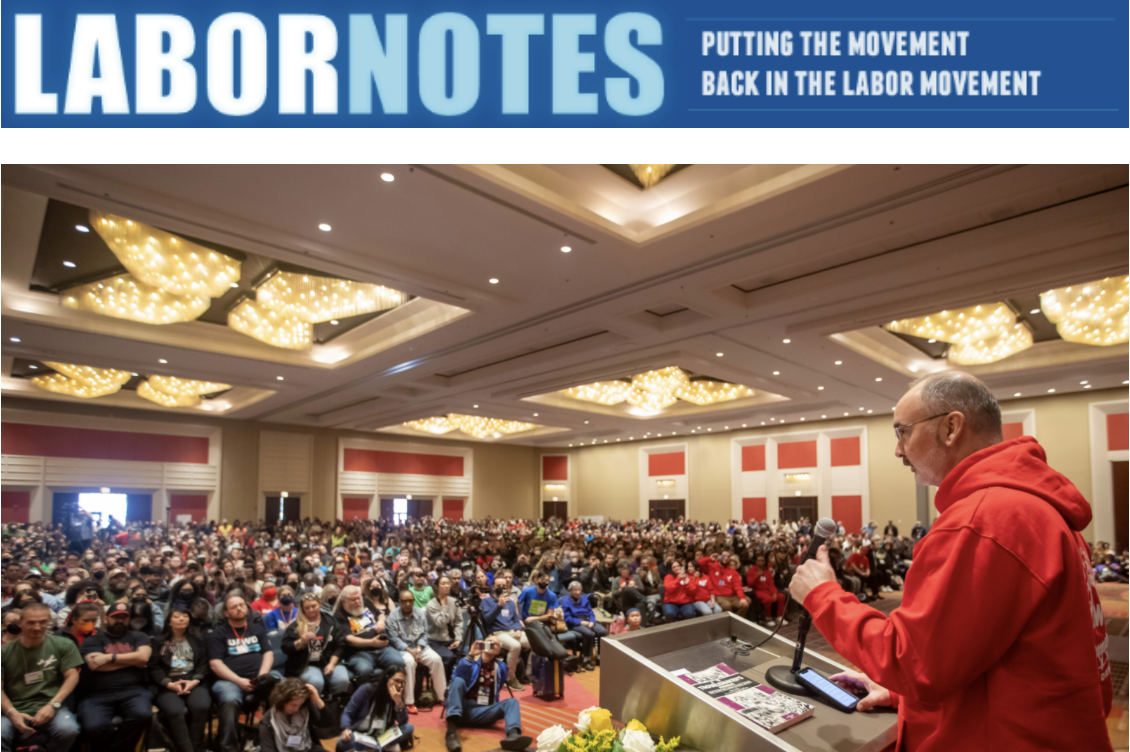
Editor's Note: Attention all RWU Members & Supporters! RWU will no doubt hold our Convention in 2026 in Chicago in June in conjunction with this dynamic and important Labor Notes conference. You don't want to miss this. Make plans now! | |
Labor Notes / October 2024
Some 4,700 workers joined our 2024 Conference in April, sharing their successes on the picket line, the shop floor, and the union hall. We hold the conference every other year. So please save the date to join us again in Chicago from June 12th to 14th, 2026! We'll share more details as the conference approaches. In the meantime, there are plenty of ways to catch up with rank-and-file members working on crucial organizing drives and contract campaigns.
The Labor Notes Conference is the biggest gathering of grassroots union activists, worker center leaders, and troublemakers.
- Join thousands of union members, officers, and labor activists on the front lines in our workplaces and communities, organizing new workers and agitating together. Meet troublemakers from across the country and around the world.
- More than 250 meetings and workshops have included creative organizing tactics, beating apathy, running for local union office, winning contract campaigns, bargaining over technology, understanding the economy, surviving “right to work,” and reviving the strike.
- Organize with others in your union, industry, or campaign. Face-to-face meetings to share tactics and swap notes are the heart of the Labor Notes Conference. Join an existing industry, union, or caucus meeting—or contact us to set one up.
| |
Reuters / October 11th 2024
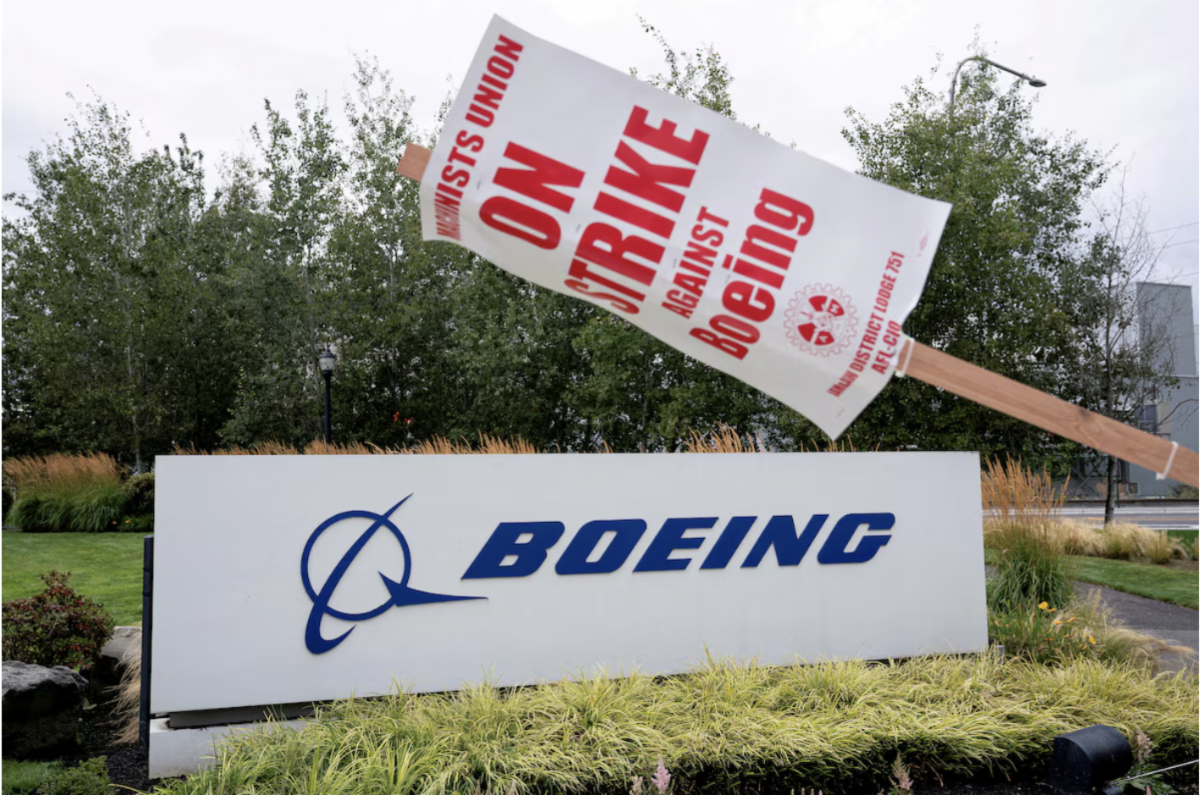
Boeing said it filed an unfair labor practice charge with the National Labor Relations Board against the union representing about 33,000 striking U.S. West Coast factory workers. The planemaker said the International Association of Machinists and Aerospace Workers unit representing the workers had failed to bargain in good faith during the four-week work stoppage. Boeing said the union had engaged in a "pattern of bad faith bargaining and of issuing misinformation to its members about the status of negotiations."
| |
WEEKLY DERAILMENT DEPARTMENT | | | | |