|
Normally, before I write the first sentence of our team’s newsletter, I take a few deep breaths, quiet my thoughts, and allow the first word to emerge from the silence. Sometimes I try to bring that word up from the ground beneath my feet. All I need is the first word — and the rest flows.
In college, I studied the writing of William Butler Yeats and committed only one of his sentences to memory, “Where there is nothing, there is God.”
Because of Yeats, I have long thought that in nothing — in my case, the silence before I write to you — there is everything. And I want to bring everything — every single bit of the work — to you in these letters.
But these are not normal times and this newsletter will not be neatly packaged because there is noise in my head. I cannot find the silence. My racing heart has simply broken with the suffering and struggle of our world. So this may be raggedy and raw as we press on.
And I’ve come to believe that’s OK. The center will hold. We must keep going, no matter what. We cannot look away. We have to ask simply, how can we help?
Now more than ever, we must center accountability and the protection of human life in our policy and political actions.
This work manifests differently at every level of government. Here goes a state perspective.
July was a complex and busy month at your State House as we finalized some major legislation, unpacked the impacts of the federal Big Brutal Bill, and savored every moment with our all-star summer interns. We spent long hours dealing with issues ranging from cell phones in schools, raises for bar advocates, the Hampshire County Group Insurance Trust, fully funding the Healthy Incentives Program, supporting drivers living on the autism spectrum, and more.
Let’s get into it.
If you make it to the P.S., I’ll share a personal note about my dad, Bob Comerford.
| | TL;DR (that's a "too long; didn't read" digest) | |
-
Getting specific about cuts to federal programs
-
Mid-year check in: Where we are in the legislative session and major July action
-
Blue envelopes: From constituent conversation to passing the Senate
- District pressure
-
Committee hearings on bills I filed
-
The latest from the Joint Committee on Higher Education
-
Crumbling concrete foundations: A brief update
-
The importance of the Northern Tier Passenger Rail
-
Celebrating our Summer 2025 interns
-
Timely and important ways to engage
- Keeping hope alive
| | Getting specific about cuts to federal programs | | |
We received feedback on our last newsletter asking us to name the programs and services that my team and I are working to protect, given federal funding cuts. Since February, we have been hearing about hundreds of millions in funding cuts to health care, transportation, anti-poverty, clean energy, environmental, food security, farms, and other projects and programs. Since the passage of the the big brutal bill, we've focused on cuts and program eligibility changes to SNAP (formerly known as food stamps), local farm to school and farm resilience grants, and Medicaid (or MassHealth). We know there is much more than this at stake.
As part of our team’s work:
-
The Senate President just appointed me as one of two Senators on Governor Maura Healey’s newly-announced Anti-Hunger Task Force. (You may remember that I represented the Senate on a similar body during the COVID pandemic.) This work kicks off mid-month.
- We helped appropriate an additional $7.5 million to restore full Healthy Incentives Program benefits, which is a state benefit for those who are SNAP eligible, while also helping boost the income of Commonwealth farms.
- We’re working with the UMass Amherst School of Nursing and area long-term care providers on a fall summit focused on how best to collaborate regionally in the face of federal cuts.
- And my team and I are also meeting with and listening deeply to service providers across sectors to identify where our regional safety net is most vulnerable.
| | Mid-year check in: Where we are in the legislative session and major July action | | |
July 31 marked seven months into the 2025-2026 legislative session.
In January, I introduced People Powered Progress, my team’s legislative agenda for the 2025-2026 session.
So far this session:
- Forty-four of the 70 bills I filed have had public hearings in Joint Committees (our rules require that all timely-filed bills have a public hearing);
- Five of our bills advanced to the Senate Committee on Ways and Means, where they can be brought before the full Senate for debate and a vote;
- One bill has passed the Senate (more below about the Blue Envelope bill); and,
-
Two of our bills have been signed into law — An Act protecting benefits owed to foster children (S.105) and An Act promoting geographic equity in state-funded housing development (S.958) were both included in the fiscal year (FY) 2026 budget signed into law by Governor Healey in early July.
With this session’s new Joint Rules, bills have been moving more quickly through committees so that they can be voted on by the full Senate earlier in the session. I’m looking forward to seeing our bills continue to progress this fall.
July also saw the Senate pass numerous important bills:
Cell phones in schools
On July 31, the Senate debated and passed legislation to make schools cell phone-free from the opening to the closing bell beginning in the 2026-2027 academic year. This bill is overwhelmingly supported by science and by the testimony I heard from you. My work now is to ensure that there is sufficient funding to implement this policy. More here.
FY25 deficiency supplemental budget
Also on July 31, the Senate passed a supplemental budget that addressed FY25 funding deficiencies. (Even though we're a month into the FY26 budget, we're still filling gaps in the FY25 budget.) The bill also included some really important policy. Here is a full summary.
A few highlights:
Restoring full Healthy Incentives Program benefits
The mid-year supplemental budget contained an additional $7.5 million for the Healthy Incentives Program (HIP), which means that there is now enough funding to restore the benefits to full levels for all participants. Restoring HIP benefits has been a top priority for our office since they were reduced in December of last year. Thank you to tremendous advocates who helped power the way forward.
Maintaining equal access to education
The bill also included a policy, filed and led in the Senate by Senator Pavel Payano, to codify the right to public education for all residents regardless of immigration or disability status. The policy maintains special education protections for English language learners with disabilities, ensures school interpreters are qualified and trained, and protects students with disabilities from being excluded from school activities for behaviors relating to their disability. Currently all of these protections exist at the federal level, but in the event they are repealed, these protections will now be codified in state law.
(You may remember that the Senate President charged the Senate Committee on Steering and Policy, of which I’m Vice Chair, with responding to Project 2025 in ways that protect Commonwealth residents from its ravages. These educational provisions, along with an expanded health care shield for reproductive and gender affirming care, were part of our July work and are now on the Governor’s desk for her signature.)
Raises for bar advocates
Under the U.S. Constitution, anyone accused of a crime is entitled to a lawyer, even if they cannot afford one. In many states, public defenders take the majority of these cases; however, in Massachusetts, private attorneys working as bar advocates provide representation in about 80% of these cases.
The hourly rates that bar advocates are paid to work these cases are set in statute, and those rates have become woefully insufficient given inflation and increased costs of living.
The supplemental budget includes a $20 per hour pay increase over two years for private bar advocates, as well as a review of the system and inequities in pay rates. (This represents about $54 million in additional funding over two years.) I know this is not the full rate increase that bar advocates are seeking and I have pledged to remain in this work until we achieve an outcome that fully values the critically important service bar advocates provide.
Ratifying collective bargaining agreements
When unions at public higher education institutions and other state entities agree to a new collective bargaining agreement, that agreement must be transmitted to the Governor and Legislature and ratified by being passed into law.
I heard from many constituents who had agreed to a collective bargaining agreement which needed ratification. One of my top priorities for this supplemental budget was ensuring all collective bargaining agreements received by the legislature were included, which they all were.
Chapter 90 Transportation Bond Bill
The same day (July 31) the Legislature gave final approval to a $1.2 billion road and bridge funding bill. This bill distributes $300 million in road and bridge funding to municipalities over the next year, $100 million of which will be newly allocated via a road miles-based formula, benefiting rural western and north central Massachusetts municipalities significantly more than the historic “Chapter 90” formula, which also considers population and employment. $200 million in the bill goes to funding the culvert and small bridge repair program. More here.
Other major July legislation
The Senate passed a number of additional bills in July which have passed the Senate in previous sessions but have not been signed into law, including bills dealing with fair practices in debt collection, bills removing outdated, archaic and offensive language from the laws of the Commonwealth, and legislation to conform with the Uniform Child Custody Code.
The House also passed a number of strong bills including RetirementPlus (R+). I am a supporter of this legislation and look forward to voting on it in the Senate.
| | Blue envelopes: From a constituent conversation to passing the Senate | | |
When I first took office, I was approached by a constituent about a law implemented successfully in Connecticut to create a voluntary and free blue envelope program for drivers and passengers with Autism Spectrum Disorder (ASD). Driven by their advocacy, I first filed similar legislation in 2021.
For drivers with ASD, being stopped by a police officer can be particularly challenging. Law enforcement officers or other first responders may have had little or no training in best practices for communicating with people with ASD.
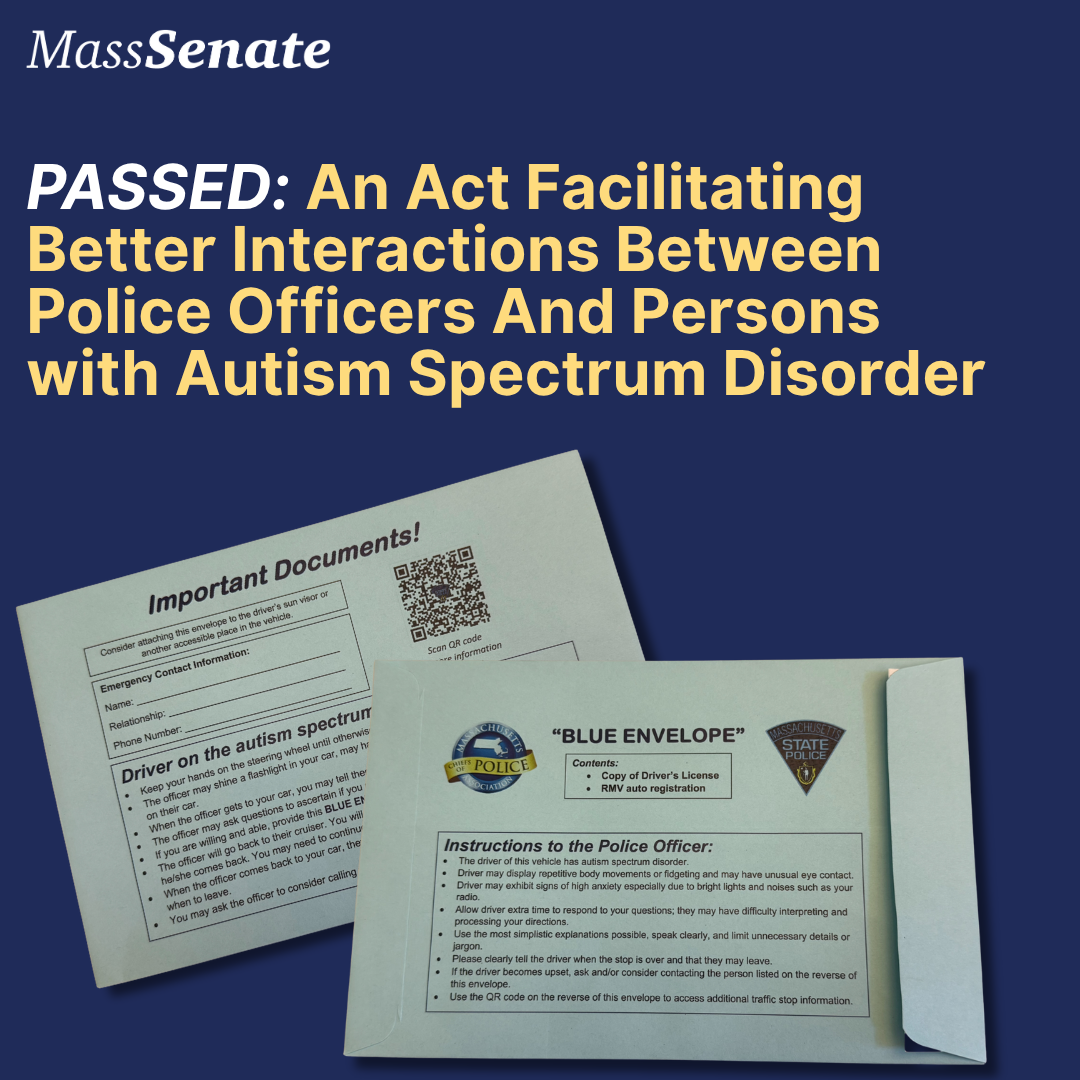
The bill creates a voluntary program to make available special “blue envelopes” that hold the driver’s license and registration, as well as specific instructions for the officer on the driver’s diagnosis and possible impairments or triggers. The envelope also includes space for the driver to provide emergency contact information.
In April 2024, the Massachusetts State Police, in partnership with the Massachusetts Chiefs of Police Association, Advocates for Autism of Massachusetts (AFAM), and The Arc of Massachusetts, implemented the Blue Envelope Program statewide. To date, more than 8,500 envelopes have been distributed to Massachusetts residents.
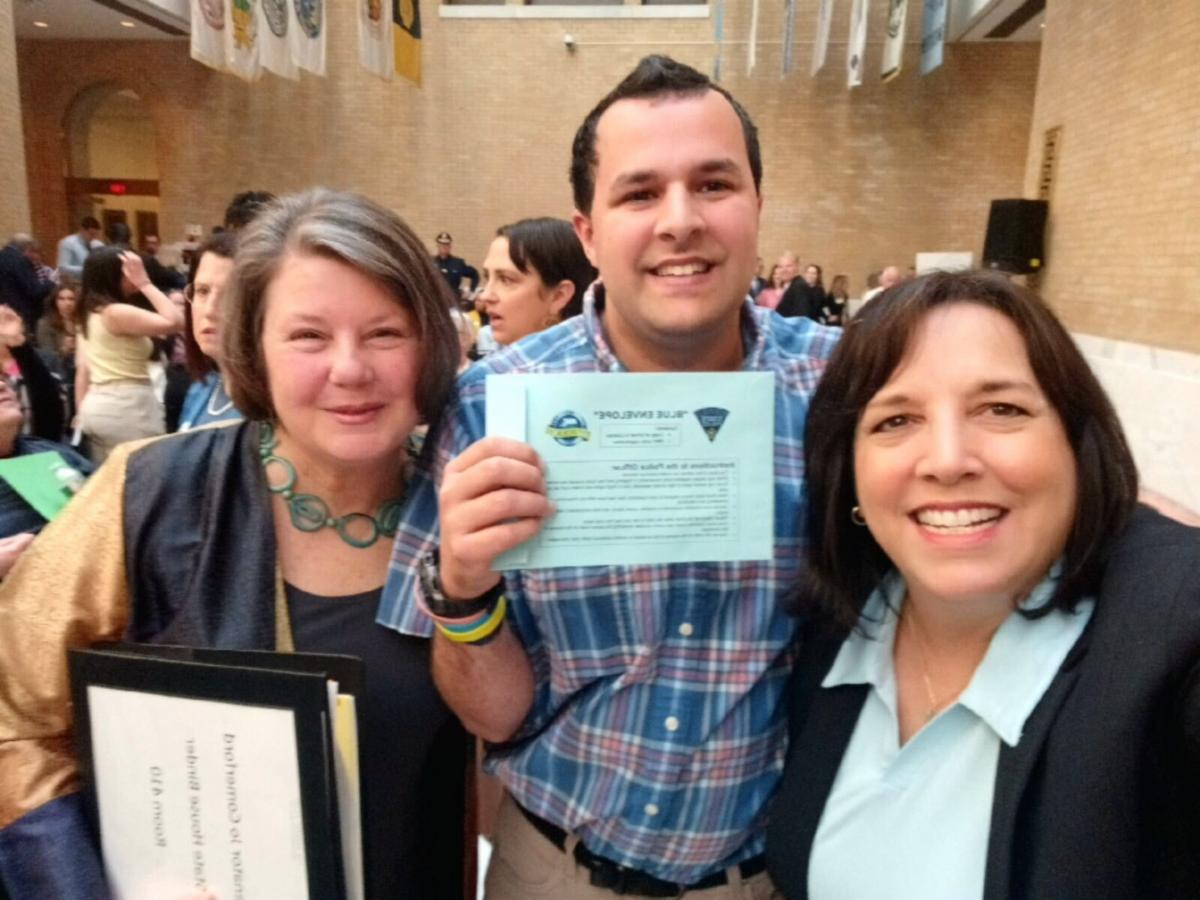
| | The image above is from April 2024, at the event where the Blue Envelope Program was officially announced. I am pictured with Sam Kanji, who is holding up a Massachusetts blue envelope, and Lieutenant Governor Kim Driscoll. | | |
On July 24, this legislation passed the Senate unanimously. The engrossed bill codifies the Blue Envelope Program and requires envelopes to be distributed at RMV locations, improving access for all constituents. It also mandates that police officers be trained on the newly-established program. The bill is now in the House of Representatives for its consideration. Watch my remarks from the Senate floor before my colleagues and I voted here.
My team and I are deeply grateful for the advocacy of constituents like Max Callahan-Grower and Mark Sena from UMass Amherst’s Massachusetts Inclusive Concurrent Enrollment Initiative (MAICEI); Sam Kanji and his mom, Ilyse Levine-Kanji; UMass Police Chief Tyrone Parham; Deerfield Police Chief John Paciorek; The Arc of Massachusetts; AFAM; and more.
| | |
This is a too-quick round up of some pressing issues in our Senate district. If you’ve emailed or phoned, we’ve also endeavored to reply to you directly:
Mass Ready Act permitting and wetlands concerns
Thanks so much to those who pointed out some concerning language around permitting, wetlands, and local conservation commissions in the Governor’s environmental bond bill, the Mass Ready Act.
I’ve spoken with the Senate Chair of the Joint Committee on Environment and Natural Resources to make sure she’s seeing your emails (which she is).
The Joint Committee on Environment and Natural Resources (ENR) had a public hearing on this legislation on July 15. Watch the full hearing here.
We have much more work to do on this legislation before it’s ready to hit the Senate floor for a debate.
Regulations on fairgrounds
I have heard from many constituents who live near fairgrounds with concerns about S.1455, An Act Relative to the use of certain fairgrounds properties, which I have co-sponsored.
Legislators like me can (and often do) cosponsor a piece of legislation without agreeing with everything in it. By cosponsoring, colleagues know I have an interest in the bill and that I hope to be engaged further as the bill is developed.
This bill had a hearing in the Joint Committee on Municipalities and Regional Government on July 22.
I shared what I heard from constituents with the Committee. You can write to the Committee directly at jointcommittee.municipalities®ionalgovernment@malegislature.gov, and you are welcome to copy me on your email as well at jo.comerford@masenate.gov.
Your feedback is important and useful and I'm taking it all to heart.
Hampshire County Group Insurance Trust
You may have seen articles on new rate hikes for constituents and insured entities (like cities and towns) receiving insurance via the Hampshire County Group Insurance Trust (HCGIT)
HCGIT has approximately 73 member units, ranging from municipalities and school districts to water and sewer districts and beyond, serving more than 12,000 active and retired municipal employees, as well as eligible dependents, in western and central Massachusetts.
HCGIT is a self-insured/self-funded group purchaser which has implemented two significant rate hikes in recent months, largely due to the enormous expense of weight-loss drugs (think Ozempic or Wegovy).
This situation is rapidly unfolding, but please know that I’m engaged with delegation colleagues, the Healey-Driscoll Administration, the Division of Insurance (DOI), and the Group Insurance Commission (GIC).
More to come.
| | Committee hearings on bills I filed | | |
Public hearings on bills that have been filed this session are well underway and will continue into the fall.
If you would like to be notified about opportunities to testify on legislation, sign up to be added to an email list corresponding with your priority issue area(s).
I’ll share just a few highlights. Remember, these are just the bills I filed, not the bills I’ve cosponsored like RetirementPlus (R+), etc.
Bringing local produce from farms to schools
On July 21, the Joint Committee on Education heard a bill I filed in partnership with Representatives Pat Duffy and Andy Vargas, S.311/H.565 – An Act establishing the Massachusetts farm to school program.
Providing fresh, local food to schools promotes nutritious eating, supports farms and fisheries, and gives an important financial boost to local economies.
The Massachusetts FRESH grant program has been successful in enabling schools and early education programs to serve high-quality meals made with locally grown foods, while at the same time educating students about nutrition and the food system.
The bill establishes a comprehensive Massachusetts Farm to School Program, codifying the existing FRESH grant program in state law and adding a local food incentive to provide matching funds to schools for purchasing locally grown food.
At a time where food security funding is being cut at the federal level, it is imperative that Massachusetts lean in and secure this program for the benefit of young people and local farmers alike.
Read my testimony here. Read the testimony from the Food System Caucus in support of this legislation here.
Paid Family and Medical Leave for public employees
On July 22, the Joint Committee on Labor and Workforce Development heard a bill I filed in partnership with Representative Natalie Blais, S.1293/H.2070 – Resolve establishing a special commission on paid family and medical leave for public employees.
The Commonwealth has one of the strongest Paid Family and Medical Leave (PFML) programs in the country, providing most employees in Massachusetts with up to 26 weeks of combined family and medical leave each year.
However, because PFML is funded through employer and employee contributions, the law does not require municipalities or school districts to participate, as the contributions required would be unworkable for small municipalities and would represent an unfunded mandate from the state.
The bill creates a commission to study and make recommendations on how to extend and fund PFML for all public employees.
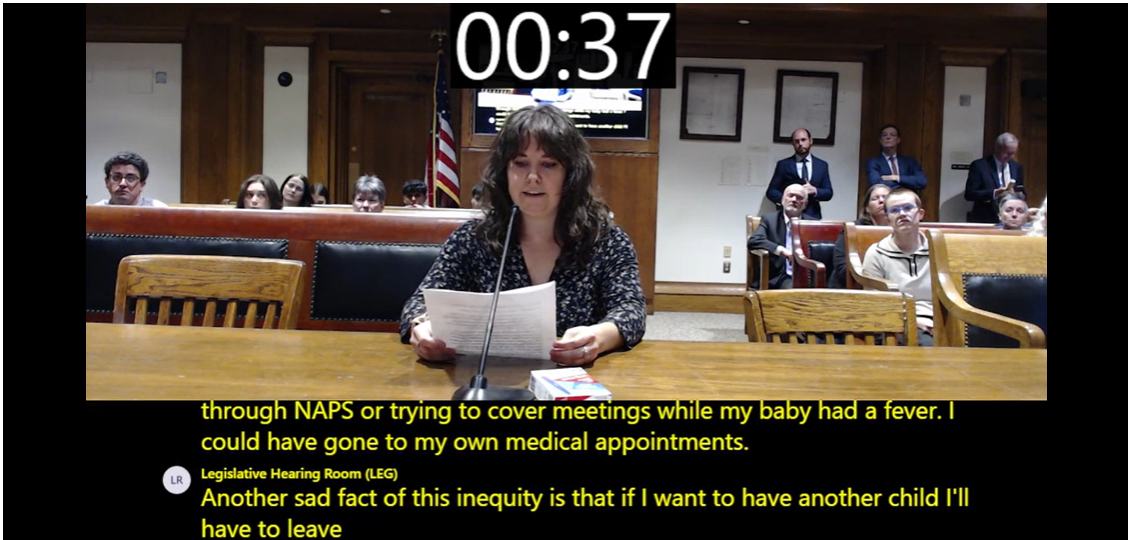
Read my testimony here and watch testimony from Representative Blais, our shared constituent Katherin Hudkins (pictured below), and me here.
| | |
Providing energy assistance during the summer
On July 23, the Joint Committee on Housing heard a bill I filed in partnership with Representatives Mindy Domb and Steve Ultrino, S.959/H.1495 – An Act providing for energy assistance during the summer months.
As heat waves become longer and summers become hotter, there has been an increase in the number of heat-related deaths, with heat killing more people in the U.S. than any other type of extreme weather.
The Massachusetts Home Energy Assistance Program (HEAP) provides funding to eligible households to pay a portion of their home heating bills, helping low-income families, seniors, and people with disabilities stay warm during the cold winter months.
This bill directs the state to also pay for a portion of eligible residents’ energy bills during the summer so that Massachusetts residents can stay safe and healthy during periods of extreme heat.
Thus far this summer, parts of Massachusetts have experienced several heat advisories where extreme heat lasted for at least three consecutive days. This legislation would help alleviate the burden on residents trying to stay safe and cool.
Read my joint testimony with Representatives Domb and Ultrino here.
Municipal buildings
On July 24, the Joint Committee on Public Safety and Homeland Security heard a bill I filed in partnership with Representative Blais, S.1650/H.2571 – An Act creating a municipal and public safety building authority.
Buildings such as town offices, fire stations, police stations, and highway facilities are critical to the operation of a municipality.
Yet, many small towns in western and north central Massachusetts and throughout the state do not have the tax base or the borrowing capacity to build or upgrade their aging or inadequate municipal buildings.
The bill creates an independent public authority, similar to authorities that help finance school buildings and libraries, to provide matching funds for local municipal and public safety buildings.
Read my joint testimony with Representative Blais here. Watch a compilation of testimony from Representative Blais, the Massachusetts Municipal Association, and me here.
| | |
Expanding loan repayment for primary care physicians
On July 28, the Joint Committee on Mental Health, Substance Use and Recovery heard a bill I filed in partnership with Representative Domb, S.1385/H.2205 – An Act expanding loan repayment assistance for primary care physicians.
Massachusetts has a primary care crisis, driven by a significant shortage of primary care physicians and providers across the Commonwealth.
A 2025 report revealed that employment in physician office settings in Massachusetts has only increased by 1% since 2019, compared to more than 10% growth nationally. Relatedly, Massachusetts residents reported that they experienced worsening access to primary care each year from 2019 to 2023.
To help address the provider shortage, this bill expands the eligibility criteria of the MA Repay Program, the state’s main medical loan repayment program, to help additional providers qualify for loan repayment assistance and to encourage them to enter and remain in the primary care workforce.
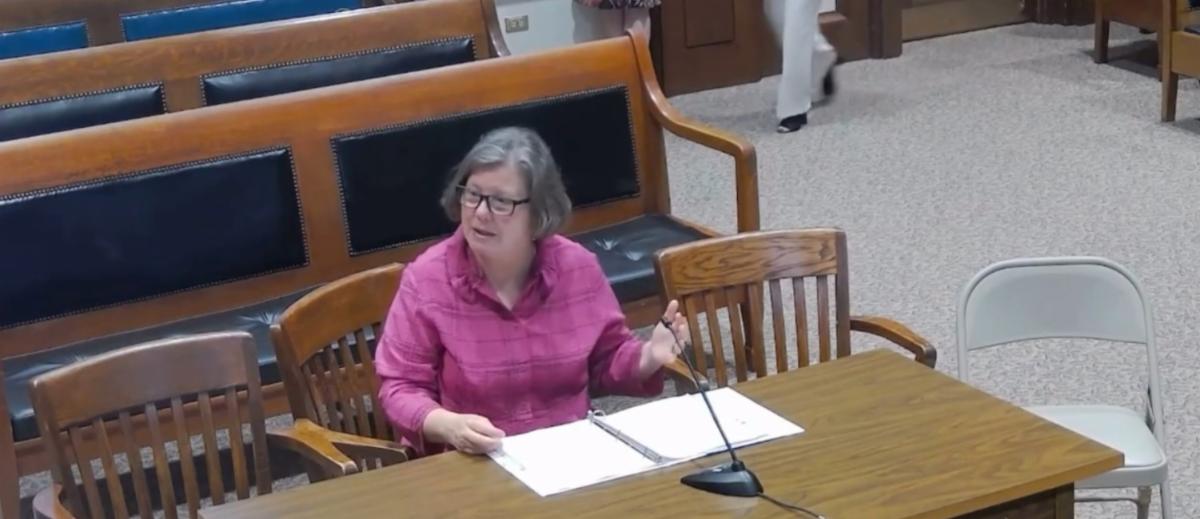
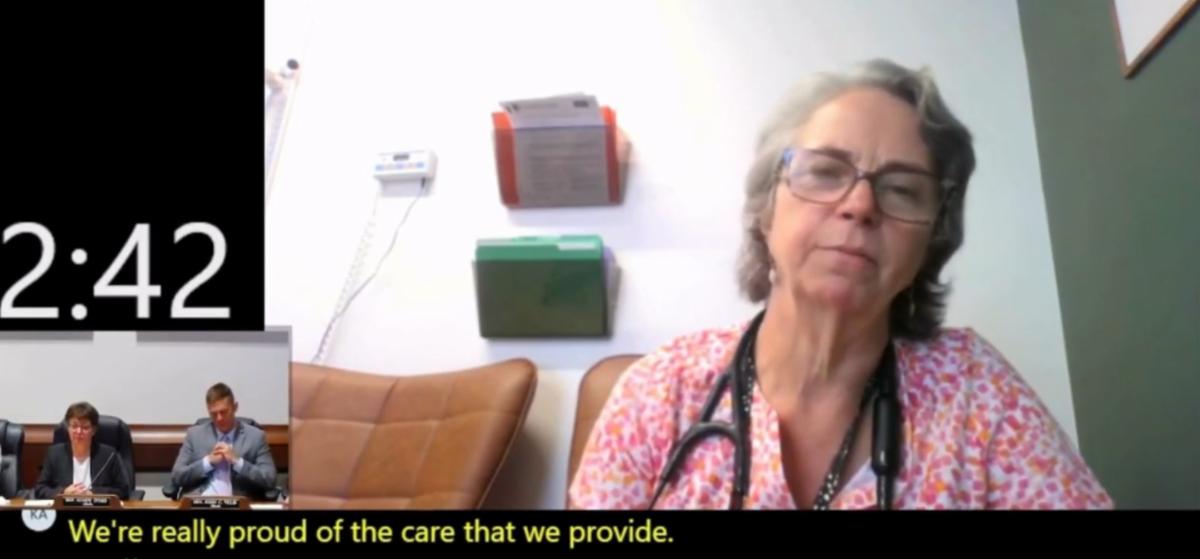
Read my testimony here. Watch my testimony with constituent and primary care physician Dr. Kate Atkinson (pictured below) here.
| | |
Protecting personal security
On July 29, the Joint Committee on the Judiciary heard a bill I filed in partnership with Representatives Lindsay Sabadosa and Jack Patrick Lewis, S.1045/H.1973 – An Act protecting personal security.
People who apply for a legal name change in Massachusetts are currently required by law to post their name change in a local newspaper.
While some judges waive this antiquated requirement, not all judges will. Gender-nonconforming and transgender individuals, as well as survivors of domestic violence, risk harm or discrimination if a judge does not waive the requirement or if they do not know that they can ask for the requirement to be waived in the first place.
The bill strikes the publication requirement and ensures that name change records are segregated from the public record to further protect people's privacy and safety.
As new federal policies continue to jeopardize personal security protections, Massachusetts must lean in and protect vulnerable residents.
Read my testimony here and watch my testimony here.
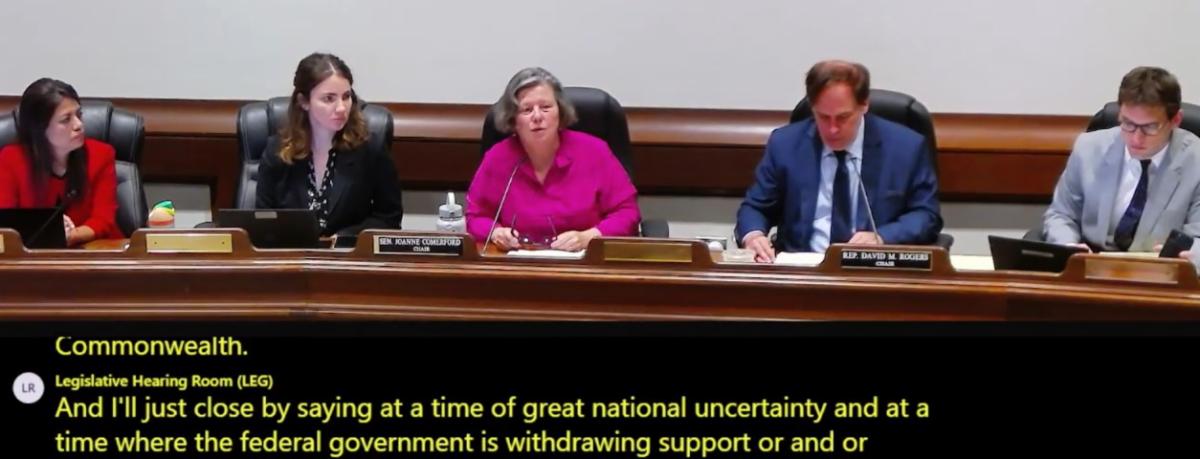
| | The latest from the Joint Committee on Higher Education | | On July 18, I joined my co-chair Representative Dave Rogers in hosting the third public hearing of the Joint Committee on Higher Education. Though the hearing was on a Friday afternoon, the room was packed. | | |
We heard from people across the Commonwealth on legislation related to financial aid and higher education access. I want to shout out a group of constituents from the Hampshire, Franklin, Worcester district who offered deeply moving testimony on An Act relative to tuition waivers for children raised by a grandparent or other relative, filed by Senator Julian Cyr and Representative Paul Donato. I am proud to be a co-sponsor of this legislation in the Senate.
Watch their testimony here, beginning at 1:16:50.
| | Crumbling concrete foundations: a brief update | | |
I have heard from many constituents voicing their support for S.580 – An Act relative to crumbling concrete foundations, filed by Senator Peter Durant.
I am proud to be a co-sponsor of this legislation in the Senate. In the FY26 budget we established a commission to comprehensively address the problem of crumbling concrete or pyrrhotite. Many people, myself included, are eager for the commission to begin its work so that we can deliver relief to the homeowners who are grappling with this urgent issue.
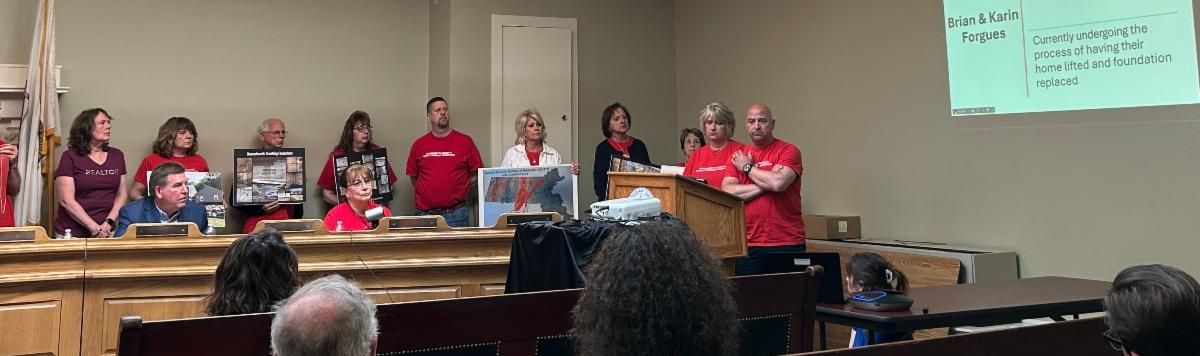
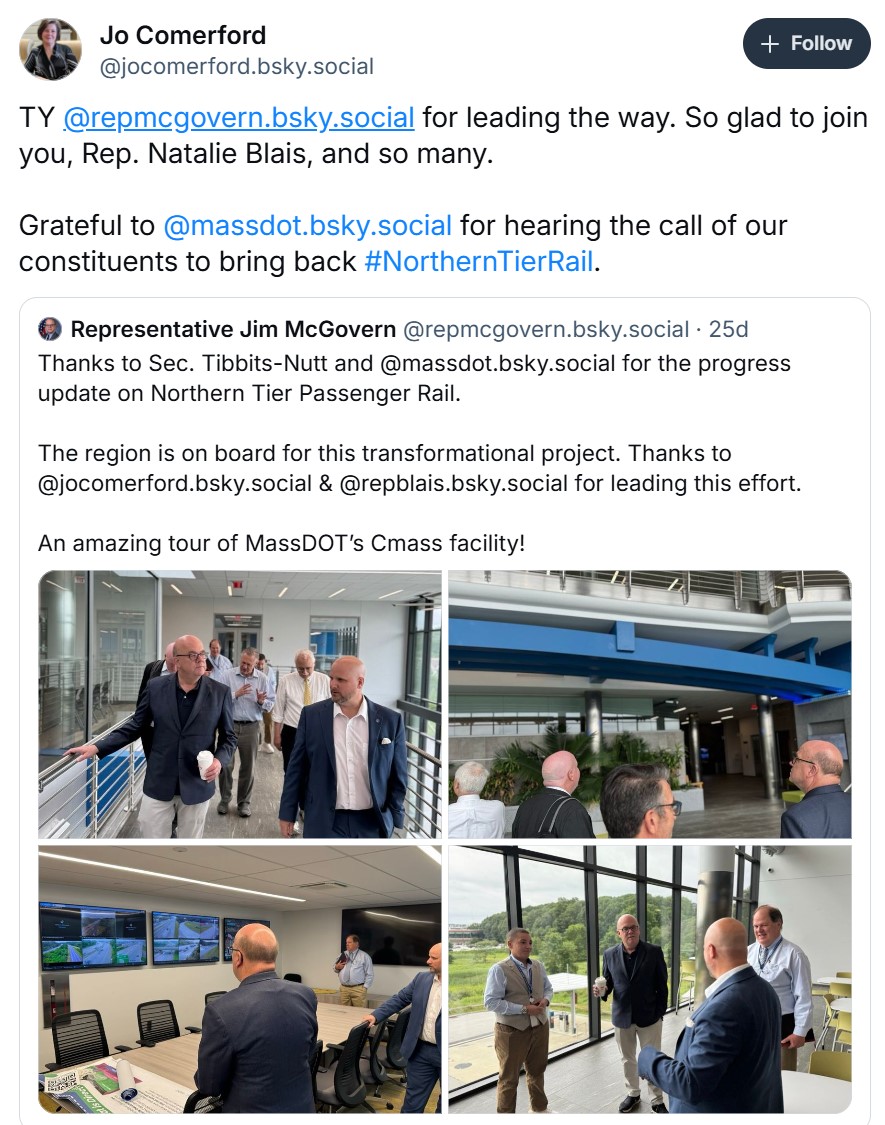
| | This image is from an April 29 briefing on the ongoing crumbling concrete home foundation crisis. Pictured are Winchendon homeowners Brian and Karin Forgues who shared heart-wrenching testimony on their work to remediate the crumbling foundation in their home. | | The importance of the Northern Tier Passenger Rail | | In mid-July, I joined Congressman Jim McGovern and Representative Blais in Worcester to meet with Transportation Secretary Monica Tibbits-Nutt and members of her MassDOT team about the Administration’s progress on restarting Northern Tier Passenger Rail. Congressman McGovern captured the excitement well in a post on Bluesky. | | |
MassDOT is making headway, bolstered by folks like Linda Dunlavy and the stellar team at FRCOG.
Here are three important updates:
- MassDOT has awarded $90,000 for a study to drill down into the positive economic impact of Northern Tier Rail on north central Worcester, Franklin, and northern Berkshire Counties.
-
MassDOT intends on applying to the Federal Railroad Administration’s Corridor Identification and Development (Corridor ID) Program, which is the next necessary step for this project to move forward. The Corridor ID Program is an intercity passenger rail planning and development program that helps to guide intercity passenger rail development throughout the nation to create a pipeline of intercity passenger rail projects ready for implementation. (Our team is working with colleagues to generate necessary letters of support. If you want to send one on behalf of yourself and/or your organization/business, you can find a template here. We have a goal of generating 100 letters by early September!)
-
This summer, intern Lily Frank hit the road to speak with community leaders across the region on the importance of Northern Tier Passenger Rail. She’s created interesting and wildly shareable videos (here are the first three!) to help build public awareness and support.
| | Celebrating our Summer 2025 interns | | |
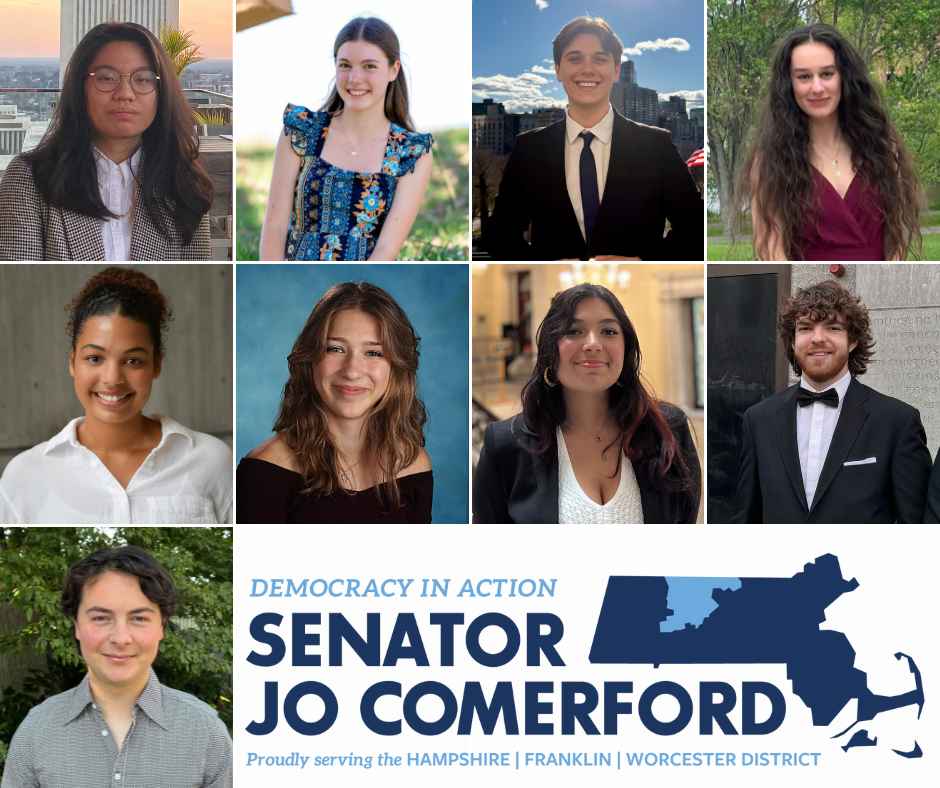
This summer, my team and I worked with a superstar team of interns and fellows.
From left to right, starting at the top: Janine Nanez (Northeastern University School of Law), Una Millette (Barnard College of Columbia University), Maxwell Hartley (University of Maryland), Lily Frank (UMass Amherst), Angelique Ferguson (UMass Amherst), Haliyah Friedman-Kassis (Northampton High School), Zara Usman (Northampton High School), Michael Wiesen (UMass Amherst), and Jasper Graham (Pitzer College).
I am grateful for their service and their stellar work for our district. They allow us to work smarter and harder — while reaching more of our constituents directly.
Please join me in wishing them well as they embark on new adventures. Our future is in very good hands.
| | |
Read on for new opportunities to engage and take action on the issues that matter most.
-
Next steps in the hydro relicensing of FirstLight Power — The Federal Energy Regulatory Commission (FERC) has prepared a draft environmental impact statement based on the applications for relicensing submitted by FirstLight for the Turners Falls Dam and Northfield Mountain Pumped Storage facility. Members of the public can also submit written comments before 5 p.m. on August 28, 2025. More information on how to submit written comments here.
-
Free support groups + $10K in funding for healthcare organizations — MASStrong is offering free mental health support groups, facilitator training, and up to $10,000 in funding to healthcare, behavioral health, and community organizations across the Commonwealth, as part of a statewide initiative committed to improving the mental health and well-being of medical and behavioral healthcare workers, non-clinical and support providers, and the communities they serve. MASStrong invests in sustainable, trauma-informed solutions like free facilitator training, customized resources, and peer support groups. Learn more about the program here.
| | Keeping hope alive: Coming soon | | |
The 14th Dalai Lama is quoted as saying, “No matter what sort of difficulties, how painful the experience, if we lose our hope, that's our real disaster.” In The Leash, after a litany of devastation, poet Ada Limon asks, “...isn’t there still something singing?”
This is the work of the moment: To keep hope alive and to hear the singing.
This summer, three interns (Zara, Max, and Jasper who you read about above) designed and filmed a series of videos under the banner Keeping Hope Alive.
They have interviewed leaders from across the Hampshire, Franklin, Worcester district to learn about the ways that they are keeping hope alive in their communities and for themselves. They’re finishing the work now. Stay tuned for a September debut.
| | |
The Senate does not have Formal Session scheduled for August, but my team and I are continuing to go right at our region’s pressing needs, including showing Healey-Driscoll Administration officials the challenges to building affordable housing in Franklin County, visiting reproductive health care clinics to speak with providers about the impact of federal cuts and policies on their ability to continue providing care to constituents, heading to Maine to speak with state officials and farmers on PFAS contamination from biosolids (human waste used as fertilizer), meeting with veterans to discuss the progress on the Holyoke Soldiers Home, and more.
Remember, hope is a political act as much as it is a way to move forward. Together.
We’ll stop there and send our love to you.
Jo, Jared, Katelyn, Elena, Jessie, and Rachel
| | |
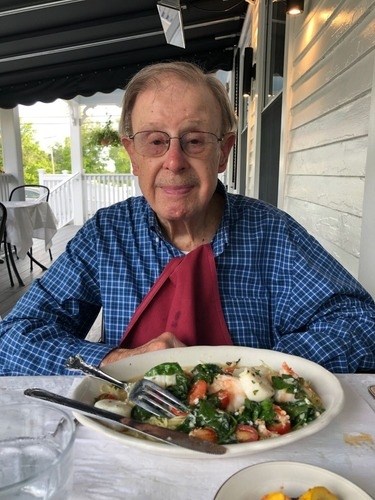
P.S. My dad, Bob Comerford, left this world on July 21 at 92 years old. You can read about his life here.
I miss him every day, especially on Sunday nights, because no matter how bananas the work week, my family and I try to sit down together for Sunday Dinner, the last decade of them with Pop. It’s totally old school.
Dad taught Social Studies for nearly 35 years. In his final year teaching, dad’s students nominated him to speak at their graduation. I found that speech recently. Here’s a brief passage,
“Take a little time out to reflect on and give your support to the great public enterprises such as education — activities that call forth the public-spirited among us to act as a community, not as self-absorbed individuals… Become well-informed on the great issues of the day — and at the very least cast votes in the expectation that you are supporting the best candidates for those public offices that after all bind us together as communities and as one nation, indivisible. And then your world will indeed be opened up to those many possibilities which I hope will include some small degree of public service as you make your way in the world. And Old Horace Mann will look down from above and be well pleased…”
Reading this, I cannot imagine how he survived my hedonistic early years where I thought more about my hair and my nails than public service. Yet I cannot remember one time where he yelled or belittled me. Perhaps he had faith that I’d find my way. Such is the miracle of parenting. I’ll have to take it to heart with my own two teens.
Here’s Pop last summer at the Whately Inn, one of his favorite places.
| |
| Did you find the content of this email useful? | | | | |
Boston office
(617) 722-1532
State House
Room 410
24 Beacon Street
Boston, MA 02133
| |
Amherst office
(413) 367-4656
UMass Amherst
| | Please send all mail correspondence to the Boston office. | | | | |