Rail & Labor News from RWU
| |
Weekly Digest November 14, 2023 | |
Welcome to the RWU Rail & Labor News! This news bulletin is produced and emailed out each Tuesday morning. We hope you find each week's news and information useful. If so, please share with co-workers, friends, and colleagues. If you like, you can sign them up to get all the news from RWU HERE. Or forward them the link. Note: If you read over this news bulletin each week, you will be sure to never miss the important news of what is going on in the railroad world from a worker's perspective!
| |
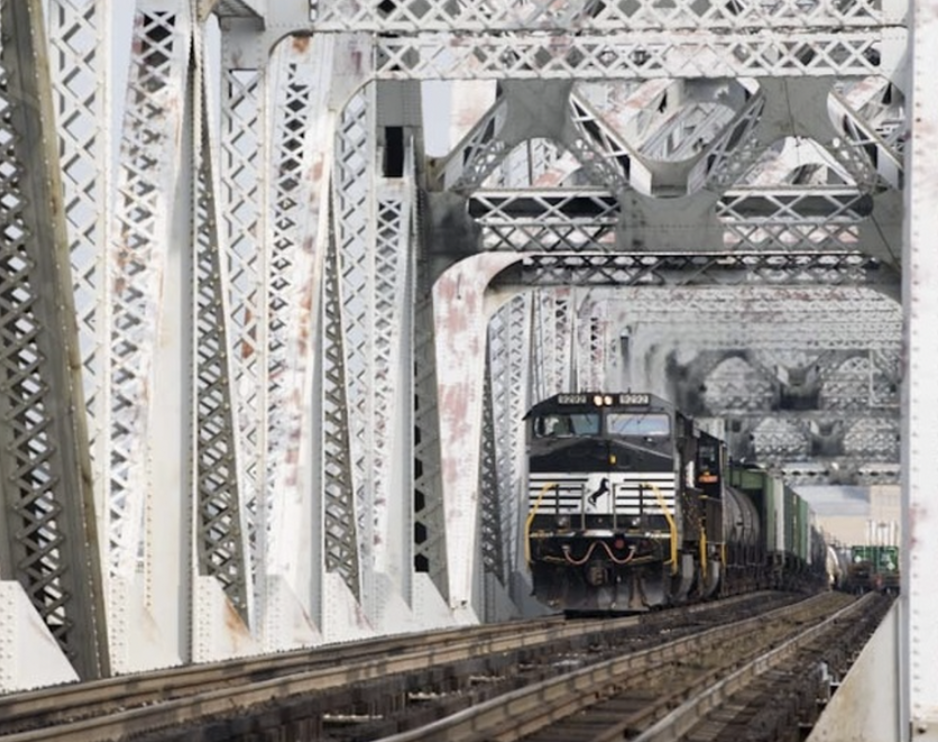
Editor's Note: Despite this narrow defeat for the forces of public ownership and democracy, RWU is proud to have assisted last spring and up until election day in galvanizing the fight against this railroad sell-off to NS. We mobilized support for the struggle locally in every way we could. The propaganda machine that supported the sale was augmented by no less than $4 million from NS, outspending those who opposed the sale by probably a-thousand-to-one. What does this say about American democracy when a question of this nature comes before the American people for a plebiscite, and a wealthy/powerful party who is directly interested in the outcome of the vote (Norfolk Southern) has the right to spend an unlimited amount of money to influence the outcome of the citizens' vote. | |
Trains Magazine / Nov 8
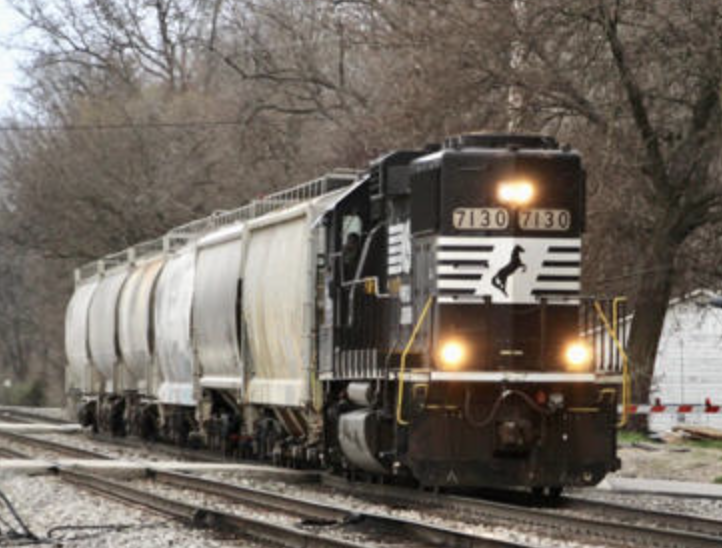
In close balloting, Cincinnati voters have approved the sale of the city-owned Cincinnati Southern Railway to Norfolk Southern for $1.62 billion. Issue 22 passed by a 51.6% to 48.4% margin — 43,173 votes to 40,599.
| |
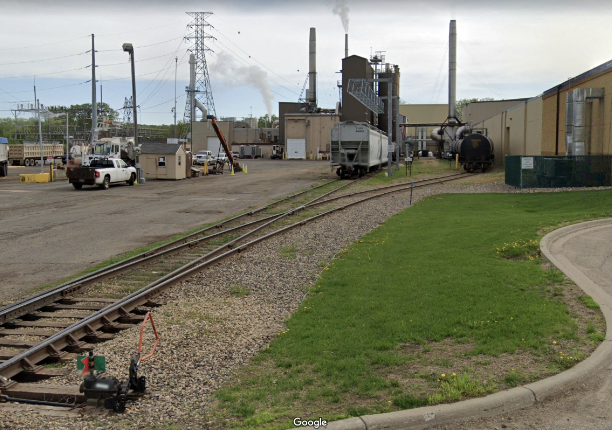
Editor's Note: The Minnesota case of a small shipper referred to below is one of just hundreds - if not thousands - of small shippers who have seen their service downgraded under PSR in recent years. There is probably not a local switchman out there on a Class One railroad that has not witnessed this degradation of service since PSR took hold. The rail carriers' absurd quest to achieve a .50 Operating Ratio has meant hardships for countless shippers - small and large - forcing many to make tough business decisions, including switching to trucks. One of many reasons the carriers are moving 21% less freight than 16 years ago. | |
|
Bill Stephens | November 3
The Surface Transportation Board has denied Union Pacific’s request to dismiss a common-carrier case filed by a small shipper in the Twin Cities.
In a 3-2 decision issued Thursday, the STB also ordered the shipper, Sanimax, to provide evidence for damages allegedly incurred when UP unilaterally curtailed local service to three days per week, down from five, in August 2020.
| |
Editor's Note: We have been able to move powerful environmental groups like the Sierra Club towards a more pro-rail stance. Once these folks fully understand the inherent efficiencies of rail, and come to appreciate the fact that rail is the environmental solution to much of our transportation future, they will jump on board. In August, the Sierra Club issued an important Statement on Rail, and last year during the contract fight in freight, the organization issued this Statement in Solidarity with Rail Workers. | |
|
Sierra Club
Climate champions like you are critical to advocating for clean energy policies and ramping up the pressure to turn the tide against fossil fuels and shift to a clean energy economy. Join us on Wednesday, November 29 for a conversation with the Sierra Club about meeting the challenges of the climate crisis.
|
|
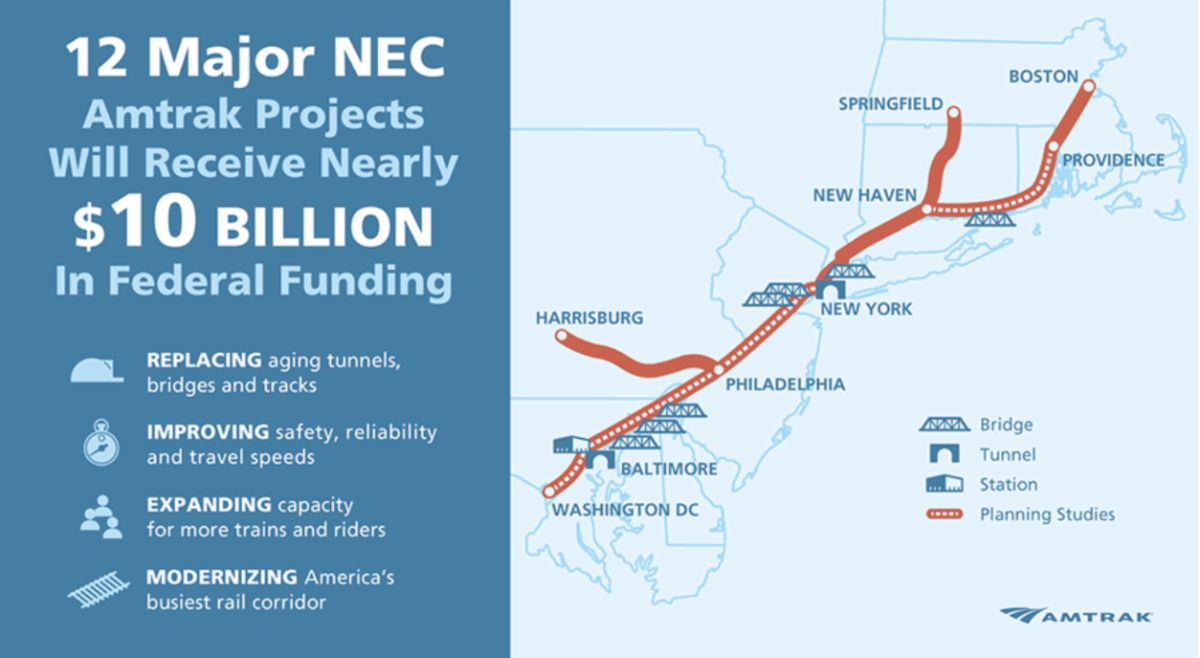
Editor's Note: It is great to make such an important investment in passenger rail. The Northeast Corridor has suffered from antiquated infrastructure for decades. It is about time! Now to get the freight railroads to make infrastructure investments to their physical plant as well. | |
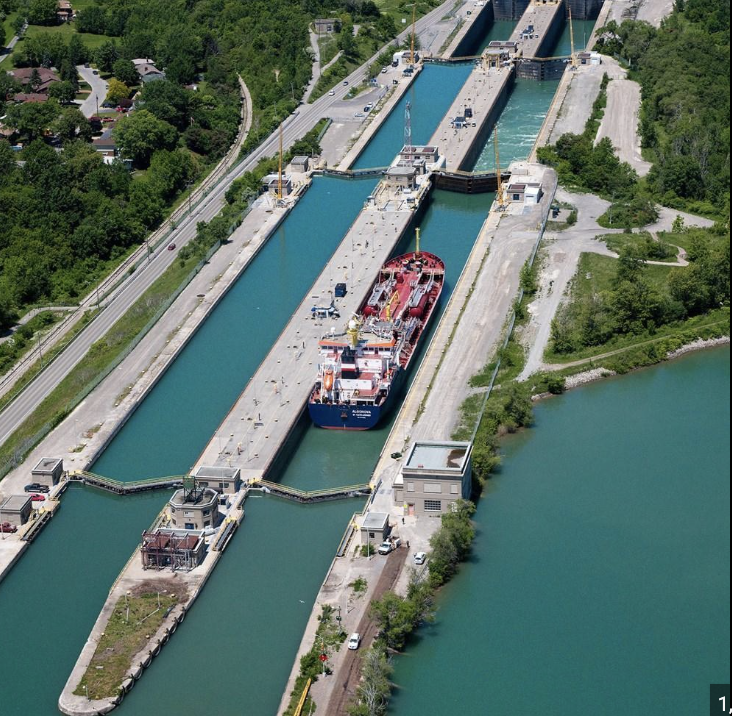
Editor's Note: Transportation/logistics workers across North America - Teamsters, ware house workers, airline, longshore and of course rail workers - have been fighting back for what we deserve. Here the union UNIFOR represents various logistics workers, including railroaders of the non-operating crafts across Canada. | |
|
AJOT | Nov 01
The St. Lawrence Seaway Management Corporation (SLSMC) has announced that it reached an agreement with UNIFOR, representing 360 unionized employees, to end the strike that began on October 22nd. “We have in hand an agreement that’s fair for workers and secures a strong and stable future for the Seaway,” said SLSMC President and CEO Terence Bowles.
| |
Editor's Note: Because rail workers raised such hell and fought back last Fall - against the carriers and the wishes of their union officials - we continue to reap the benefits of our efforts in "on-property" agreements with the Class Ones. | |
Progressive Railroading / Nov 9
SMART Transportation Division (SMART-TD) members working for BNSF Railway Co. have voted to ratify a tentative agreement reached with the railroad in late September, the union announced. "We were determined to obtain meaningful improvements to our working conditions, and this agreement does exactly that. While our fight is never over, we are confident that this will serve as a substantial step in the right direction," TD general chairpersons representing BNSF members said in a press release.
| |
Editor's Note: It appears no one - shippers, carriers or unions - is happy with the attempt by the STB to promote "competition" in the rail industry. Time for public ownership! | |
Bill Stephens / Nov 8
The Surface Transportation Board received numerous comments on its proposed reciprocal switching rule this week, with predictable results: Railroads say the rule goes too far. Shippers say it doesn't go far enough. And rail labor says reciprocal switching threatens their seniority rules.
| |
Editor's Note: Various new Amtrak passenger train routes and frequencies across the country are being proposed in a number of states. RWU urges all rail workers to get behind these efforts and help make the case for passenger rail expansion. | |
|
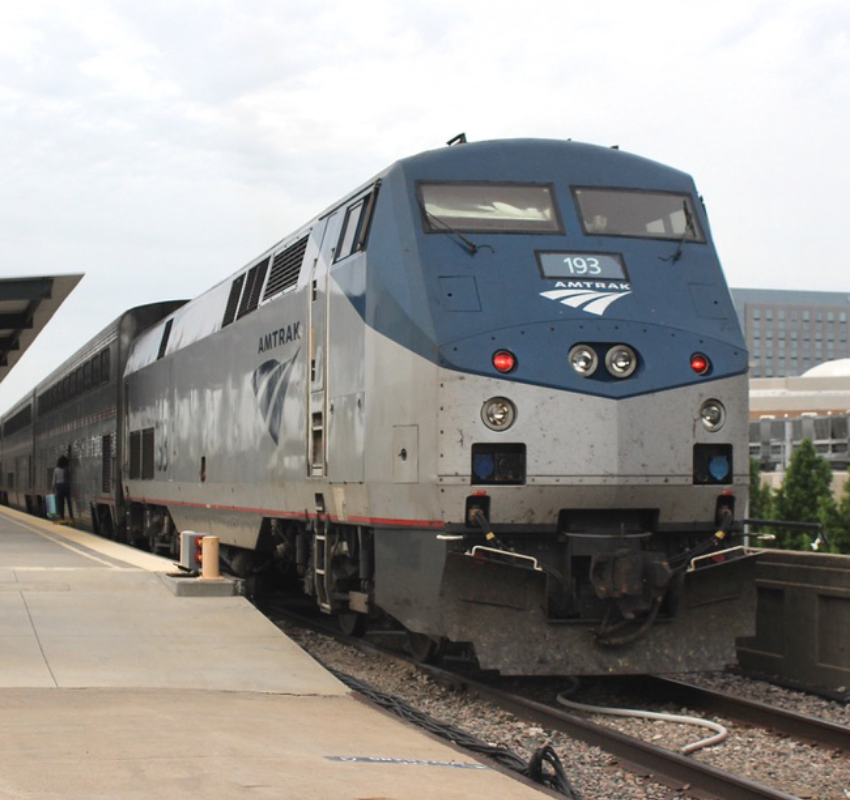
The Kansas Department of Transportation presented a tentative operating schedule for an extension of Amtrak’s Heartland Flyer from Oklahoma City to Newton, Kan. — where it would connect with the Southwest Chief — as part of an online informational meeting Wednesday to seek public comment. The 20-minute presentation included in the meeting is available here via a recording.
| |
Editor's Note: Mexico privatized its publicly owned rail system in the 1990s, and within a year or so lost most all of its passenger trains. Now the President is pushing to restore passenger service by demanding the private railroads - now largely controlled by CPKC and UP - run passenger trains or allow government operated passenger trains on their lines. This bears watching closely. | |
Trains Magazine / Nov 9th
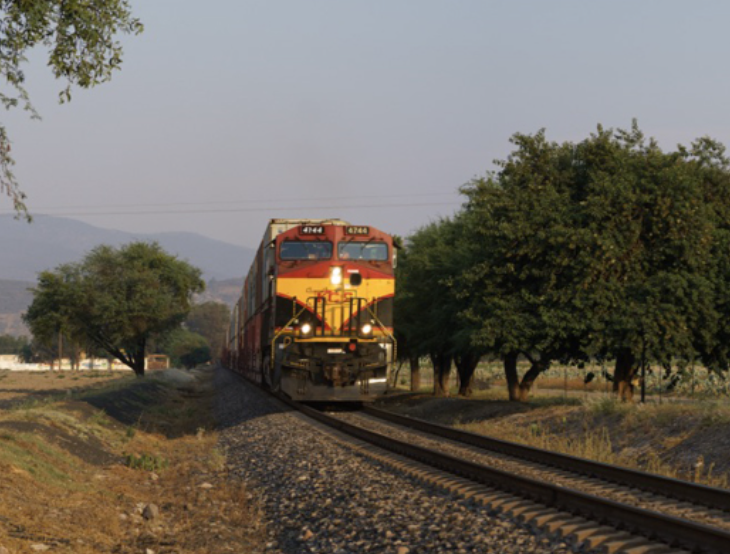
Mexican President Andrés Manuel López Obrador said Wednesday that he will issue a decree requiring the nation’s freight rail operators to offer passenger service or to allow government-operated passenger trains to run on their routes. He disputed a suggestion that the move amounted to expropriation of private property: “This is not an expropriation, it is in the Constitution and the law,” he said. “According to the law, passenger trains have priority.”
| |
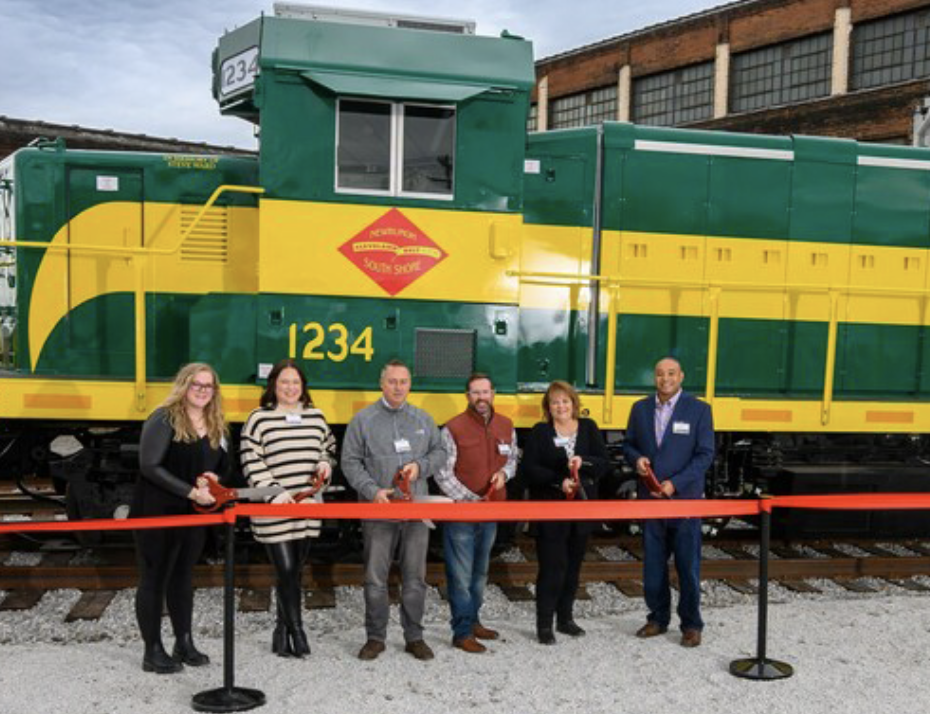
Editor's Note: Like many urban short lines, the Newburgh and South Shore runs through residential neighborhoods and switchers are often the oldest and dirtiest locomotives. So this quieter, cleaner rebuilt switcher is a multi-party win. | |
Trains Magazine / Nov 10
Newburgh & South Shore Railroad, an OmniTRAX short line serving the Cleveland area, has introduced its first battery-electric locomotive. The locomotive, an AMPS Traction G9, is intended to reduce fuel consumption by half and NOx emission and particulate matter by 77%.
| |
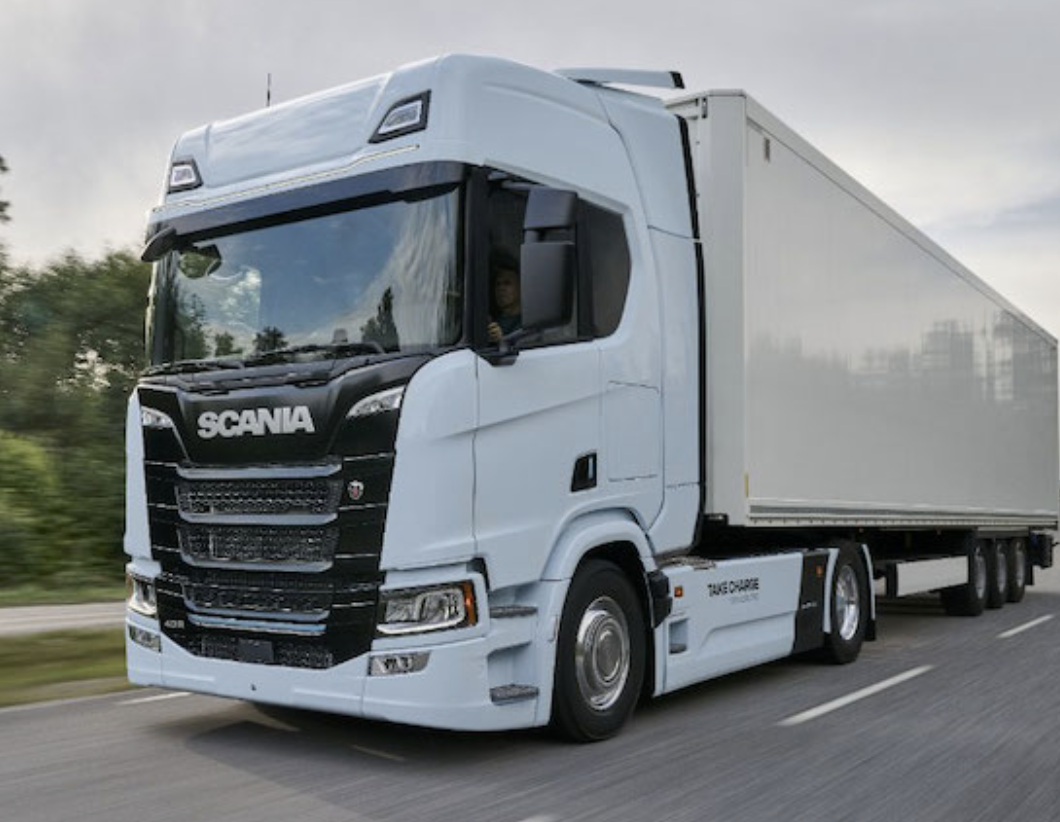
Editor's Note: Electrification of freight transportation heavily favors rail. Long distance trucks require huge, expensive, and heavy batteries. Locomotives actually benefit from the weight and can leverage expensive batteries much more efficiently. Plus, railroads are far more appropriate than freeways for hosting overhead catenary to recharge batteries. Let battery trucks do the last mile, to and from rail terminals, no more. | |
|
Bloomberg / Nov 08
The world’s biggest truckmakers have set targets for transitioning to battery-electric and fuel-cell trucks and buses. But progress has been slow. As of August, only 4,000 of 800,000 trucks on German roads were electric. Scania’s order intake has been “far from satisfactory,” Chief Executive Officer Christian Levin said. He attributed the slow adoption of e-trucks to higher prices, an almost non-existing charging infrastructure, and volatile electricity prices.
| |
Editor's Note: For a few weeks this fall, year-over-year car loadings actually showed an increase, and the industry was practically giddy. So much for that... | |
|
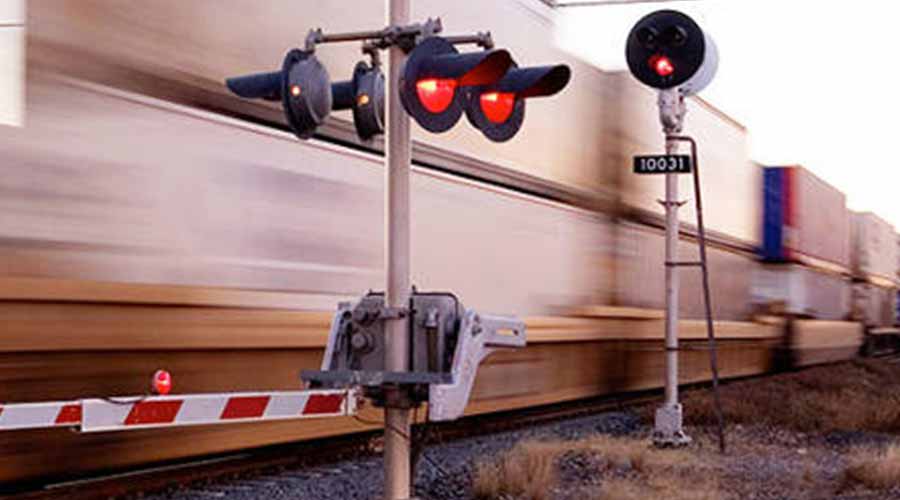
Weekly U.S. rail traffic again showed a slight drop for the week ending Nov. 4, the second straight week in which a slump in carload traffic led to an overall decline. According to statistics from the Association of American Railroads, overall traffic was 484,757 carloads and intermodal units, down 1.7% from the corresponding week in 2022. That included 224,415 carloads, down 5.2% from the same week a year ago, and 260,342 containers and trainers, up 1.5%. A week earlier, overall traffic had been down 1.2%, mostly because of a 4.2% decline in carload traffic
| |
NEWS FROM AROUND THE LABOR MOVEMENT | |
|
Steven Greenhouse and Shawn Fain / Nov 8
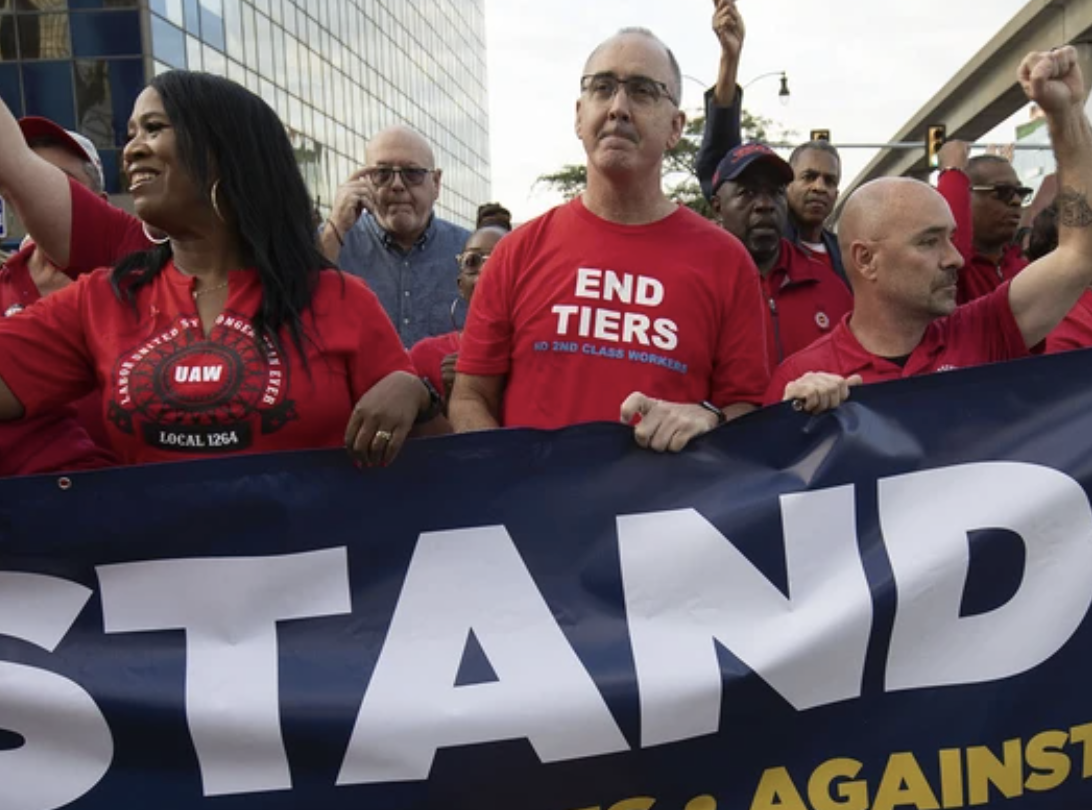
When Shawn Fain won the presidency of the United Auto Workers last March as an insurgent candidate, promising to transform the union and take on Detroit’s automakers, he spoke with veteran labor journalist and Century Foundation senior fellow Steven Greenhouse for In These Times. Fain laid out a militant agenda.
| |
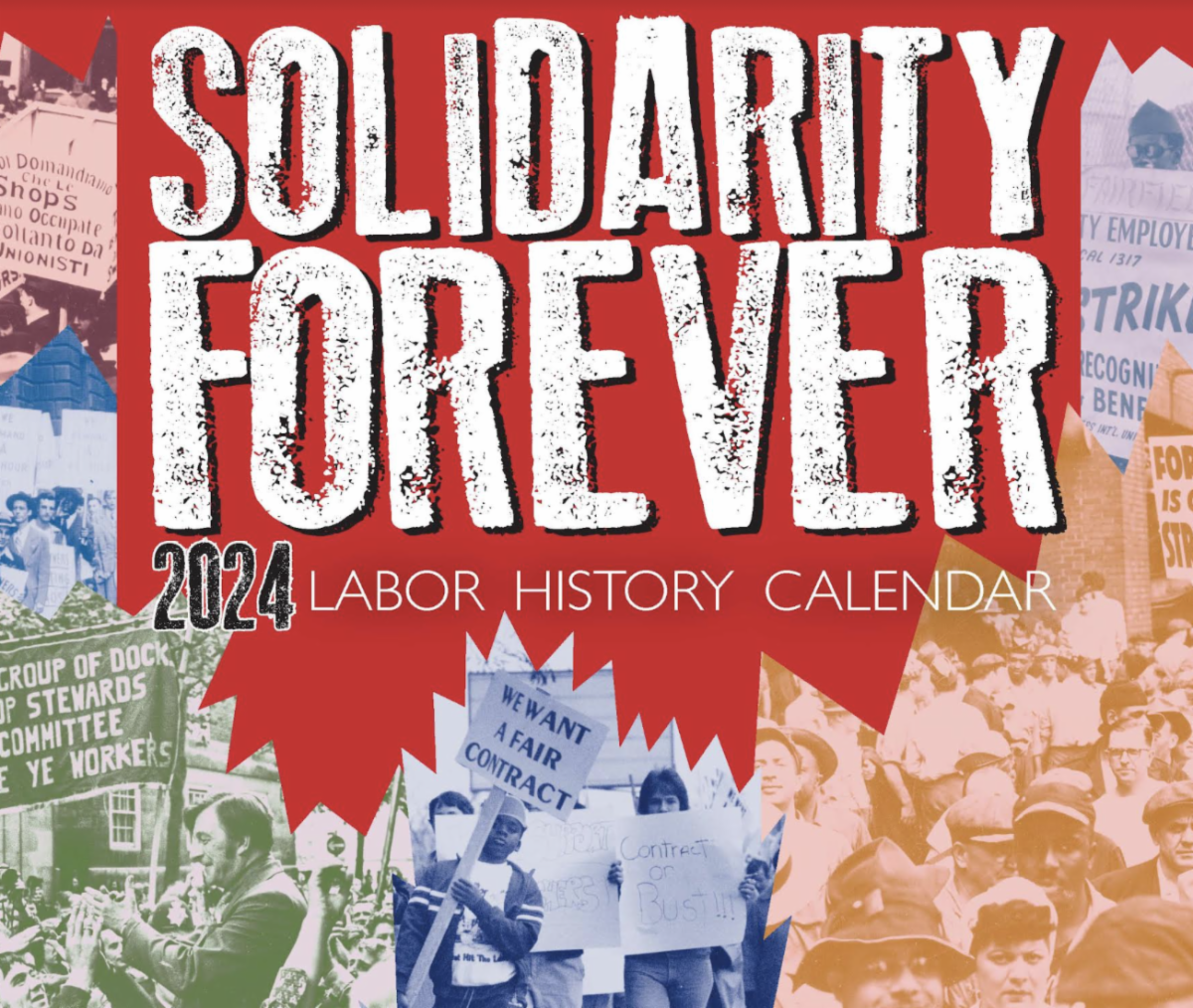
Editor's Note: This labor calendar has been produced annually for decades, and contains hundreds of memorable dates from labor history each month. These folks helped RWU produce and print our Rail Labor Calendar a few years ago. | |
|
IWW Hungarian Literature Fund
This year's calendar commemorates struggles including the Detroit auto workers whose sit-down strikes in the 1970s fought speed-ups and racist supervisors to the 1910 uprising of New York garment workers; the Parisian cafe workers who stopped work to stop managers from stealing their tips to Alabama sanitation workers’ long struggle demanding union recognition and decent working conditions; from Tokyo workers who besieged the stock exchange to demand fair wages to maritime workers fighting Taft-Hartley injunctions to London dockworkers whose direct action freed shop stewards jailed for enforcing union conditions.
| |
Weekly Derailment Department | | | | |