Rail & Labor News from RWU
| |
Weekly Digest Number 25, June 18, 2024 | |
Welcome to the RWU Rail & Labor News! This news bulletin is produced and emailed out each Tuesday morning. We hope you find each week's news and information useful. If so, please share with co-workers, friends, and colleagues. If you like, you can sign them up to get all the news from RWU HERE. Or forward them the link. Got a hot tip? Please forward the article and a link to raillabornews@gmail.com. Note: If you read over this news bulletin each week, you will be sure to never miss the important news of what is going on in the railroad world from a worker's perspective! | |
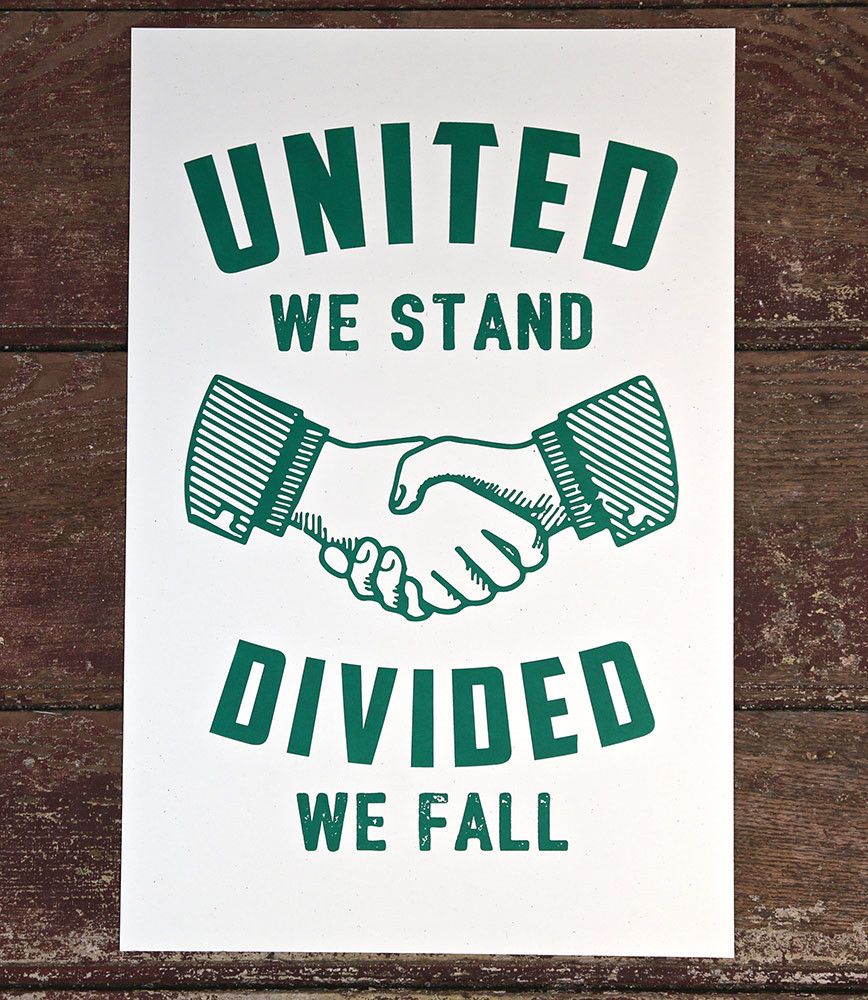
Editor's Note: Railroad Workers United has worked tirelessly since our founding in 2008 for cross-craft inter-union solidarity of all rail labor. The way forward to achieve better wages, benefits, and working conditions for railroaders is to unite. But we are saddled with an archaic and antiquated system of a dozen or more fractured craft unions. We must either overcome these petty differences and schisms and move forward. Otherwise, perhaps it is time to form a new industry-wide union of all railroad workers. | |
|
Recent conflicts between the Brotherhood of Locomotive Engineers (BLET) and the Sheet Metal, Air, Rail, and Transportation Workers - Transportation Division (SMART-TD) have cast a shadow over our movement. The events at Norfolk Southern (NS) and the ensuing discord have only served to highlight how internal strife weakens us. These are not mere disagreements; they are fractures that threaten to dismantle everything we have fought for.
| |
Editor's Note: It is time for the rail union chiefs to hear from their respective memberships. If you are a union railroad worker who belongs to one of the myriad rail craft unions, please sign the petition below calling on the union officials to stand together in bargaining. | |
|
Rail labor has been fragmented for too long, and a united bargaining coalition is needed for upcoming negotiations with the NCCC. In 2022, negotiations broke down as individual unions accepted their own tentative agreements. To win better pay, benefits, & conditions, unions must unite as one universal bargaining coalition, based on the premise that no union settles until all settle. We, the undersigned railroader workers, urge the elected officials of our unions to unite as one universal bargaining coalition of all rail crafts, based on the premise that no union settles until all settle.
| |
Editor's Note: This story was forwarded from RWU a few weeks ago, but it is so important we present it once again here. Please ignore if you already read it. | |
|
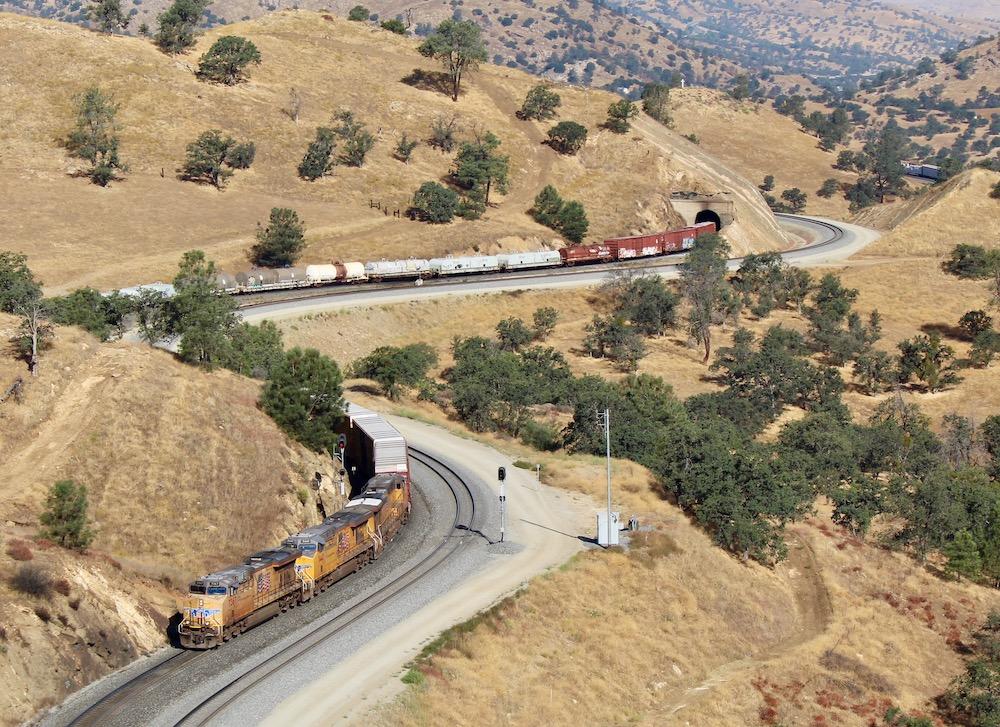
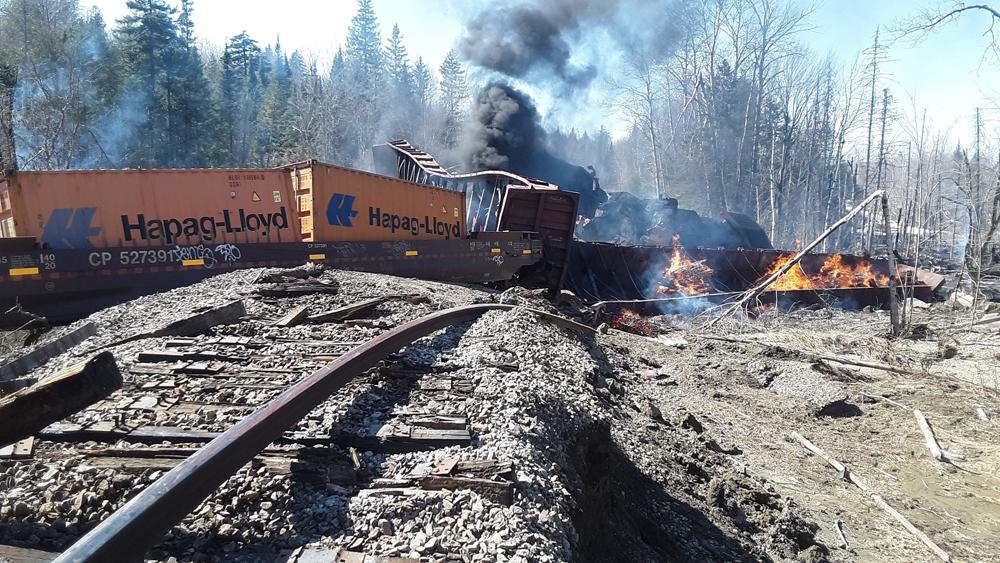
The risk of derailment increases with freight train length, according to an academic study published today, which found that a 200-car train is 24% more likely to derail than a 50-car train.
The study — by researchers from Brigham Young University, Georgetown University, and Virginia Tech — analyzed Federal Railroad Administration rail equipment accident data from 2013 through 2022.
The researchers then estimated derailment risk while taking into account the reduced overall accident risk that comes from moving freight on fewer but longer trains. They concluded that, compared to a 50-car train, a 100-car train has an 11% higher risk of derailment and that the odds of a wreck rise as the number of cars in a train increases.
|
|
Editor's Note: Hard to believe that in 21st century America we are still fighting for such basic rights. | |
|
The Occupational Safety and Health Administration (OSHA) has clarified that rail carrier management must provide sanitary bathroom options to track employees and/or roadway maintenance groups working along railroad tracks. This official interpretation means that management must provide a port-a-john at long-duration work sites or set aside a vehicle for the sole purpose of transportation to a nearby restroom. This is an important and long sought interpretation of an existing OSHA requirement (29 CFR 1910.141 that was held up by a bureaucratic question of which agency exercised statutory authority – OSHA or the Federal Railroad Administration (FRA).
| |
Editor's Note: Editor's Note: What was once illegal until the Reagan administration, is now basic business practice. It is a huge conduit for transferring wealth from workers and low income people to billionaires and the wealthy, all while retarding investment and development of the nation's economy and infrastructure. It is time for workers to start calling the shots in this class warfare! | |
|
An economic policy expert told the Senate Budget Committee on Wednesday that Americans should be outraged that large corporations funneled their massive gains from the 2017 Trump-GOP tax law into stock buybacks, further enriching executives and wealthy shareholders while skimping on worker pay.
"Whether you were for or against the 2017 tax cuts, I think we should all be angry that corporations took their tax windfalls and spent a trillion dollars of it in 2018 on stock buybacks instead of on worker wages or innovation," Sarah Anderson, director of the Global Economy Project at the Institute for Policy Studies, said during a Senate Budget Committee hearing titled, "Making Wall Street Pay Its Fair Share: Raising Revenue, Strengthening Our Economy."
| |
Editor's Note: Something tells us that the CPKC is not exactly concerned about this fine, which amounts to about a buck a gallon for the diesel fuel spilled. | |
|
The U.S. Environmental Protection Agency has reached a settlement with Canadian Pacific Kansas City for violating the Clean Water Act following two derailments that resulted in oil spills in Maine. The derailments on the former Central Maine & Quebec occurred in 2022 and 2023 following washouts. Nearly 15,000 gallons of contaminants were spilled into nearby waterways, according to the EPA.
| |
Editor's Note: In a case of misdirected priorities, the anti-labor Senator attacks Amtrak's "peanuts" exec bonuses while saying nothing about the stock buybacks, CEO pay, bonuses and stock options that for years have amounted to tens of billions. | |
|
Senator Ted Cruz (R-TX) has issued a broadside complaining about Amtrak paying executives bonuses while the national rail passenger system is $1.7 billion in the red. The New York Times has a write up on the complaints by the Senator, but for those who read past the headline, Amtrak Pays Executives Six-Figure Bonuses as Losses Continue, the real story is quite different.
Cruz is perpetrating several misstatements about how Amtrak is actually supposed to operate. (Amtrak is by law NOT required to make a profit for example.) If anything, the pay for Amtrak executives is nowhere near what the private freight rail industry execs can expect, and Cruz ignores the massive government subsidies to airlines and highways which aren’t expected to show a profit either.
| |
Editor's Note: Numerous trackside communities around the country are fighting back against the railroad industry for the harmful effects upon their neighborhoods. Rail workers and our unions are natural allies with these communities in the fight for a safe, customer- and worker- focused rail industry that puts people before profits. | |
Editor's Note: This might be what it takes to expand passenger rail in North America. Despite crumbling, congested highways, the airline debacle and pent up demand for more trains, the privately owned infrastructure in much of North America has stymied attempts to revive passenger service. Great to see some locales taking the bull by the horns, purchasing and taking control of the right-of-ways. | |
|
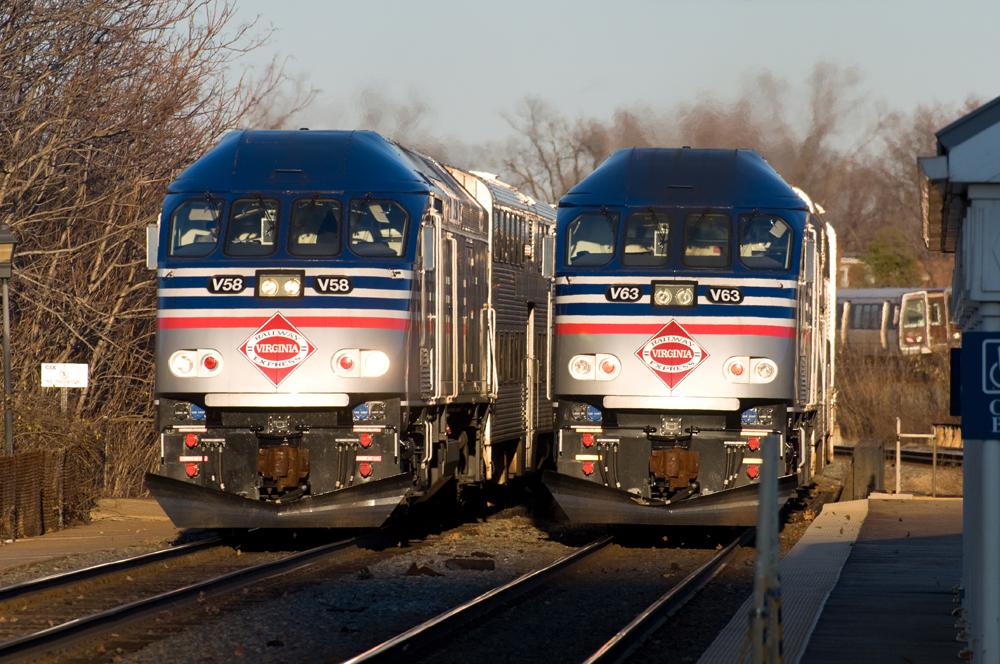
WASHINGTON – Virginia and Charlotte, N.C., have notified federal regulators that they intend to acquire portions of Norfolk Southern main lines in order to expand passenger and commuter service.
In a filing with the Surface Transportation Board this week, the Virginia Passenger Rail Authority said its acquisition of the NS Manassas Line, as well as operating agreements covering trackage in southwest Virginia, should be exempt from board review.
Virginia will acquire the Manassas Line between milepost 10.76 and 32.75, as well as the adjacent Seminary Passage from milepost 9.25 to milepost 10.76. VPRA also will acquire a passenger rail operating easement on the lines between milepost 32.75 and milepost 33.6. The deal will permit more frequent Virginia Railway Express commuter service to and from Washington Union Station.
| |
Editor's Note: The debacle caused by the horrific derailment in this small eastern Ohio town continues to plague many of the village's residents. | |
|
Residents of East Palestine, Ohio, and nearby areas in Pennsylvania harmed by the Norfolk Southern train disaster say a new $310 million settlement announced by the Biden administration on May 23 will not meet their communities’ most urgent needs, like access to health care for chronic conditions that emerged after the derailment.
| |
Editor's Note: The rail industry spares no expense when it comes to lobbying against ANY increase in costs to them. "Limits on blocked crossings? That would cause us to lose our competitiveness! Crew size minimums? We would lose traffic to trucks! Limits to train lengths? But three-mile trains is how we make our money!" And now the AAR employs its usual fear tactics that we simply cannot afford to have clean locomotives in the distant future. | |
|
WASHINGTON — Major freight railroads and their short-line counterparts raised red flags on Capitol Hill about supply chain consequences of a California regulation aimed at cutting air pollution from locomotives. If the California Air Resources Board is successful in securing approval from the U.S. Environmental Protection Agency, California’s In-Use Locomotive Regulation, adopted by the state last year, would require all locomotives manufactured after 2035 that travel though the state of California be zero-emission – effectively banning the operation in California of locomotives that are more than 23 years old, based on the original manufacture date, the railroads asserted.
| |
Editor's Note: Despite a lack of equipment for many trains, aging and delapitated cars and engines on many routes, chronic lateness due to freight train interference, and hostility from the nation's Class One "host" rail carriers, Amtrak succeeds. Imagine what it could do without these shackles? | |
|
WASHINGTON — Amtrak has announced it expects ridership to top 2019 — pre-COVID — levels this year and reach a new all-time record high even though it currently has less capacity. Ridership is reported 20% higher in the first 8 months of Amtrak’s budget year that began Oct. 1, 2023. Ticket revenue is showing a 10% increase versus the same period in 2023, according to written testimony by Amtrak CEO Stephen Gardner presented at a hearing of the U.S. House of Representatives subcommittee on Railroads, Pipelines, and Hazardous Materials on June 12. “We are on target to set a new all-time ridership record by exceeding the 32.3 million passengers,” says Gardner. This would exceed the previous record set in 2019. From 2003 to the 2019 record, Amtrak saw a 45% passenger growth
| |
Editor's Note: This workshop might be of interest to many people including passenger, trackside residents, shippers, and railroad workers. | |
|
This presentation will provide an overview of railroad liability. We will discuss the sources of railroad liability law (statutory, regulatory, and common law) as well as the applicability of these laws to liability that arises from passenger injuries, third-party injuries, and railroad worker injuries, along with a brief side trip to discuss contractual liability. In addition, we’ll examine strategies that may mitigate or transfer risk. Finally, we’ll review today’s social and economic environment that gives rise to the large (“nuclear”) verdicts that have been appearing more and more frequently in the news.
| |
NEWS FROM AROUND THE LABOR MOVEMENT | |
Editor's Note: One of the more progressive and militant voices in today's Labor Movement lays out what might be a winning strategy for the working class at a recent conference in Vermont. | |
|
There has to be a Fight': How Workers Can Start Winning the Class War in 2024 and Beyond
"Why are working class people apathetic about politics? Because politics is completely dominated by corporations."
| |
If there is a chicken-or-the-egg question as it regards working class politics in the year 2024 and beyond, some of the boldest labor leaders in the United States have a very unified response: organized workers come first and then - and only then - can the progressive vision of a healthier democracy and more equal nation that meets the material needs of all its people finally come to pass.
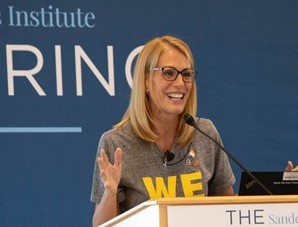
"What we have to organize around," says union leader Sara Nelson, "are the issues that really matter." President of the Association of Flight Attendants-CWA (AFA), Nelson argues that what constitutes those specific "issues that really matter" has not changed very much since Franklin Delano Roosevelt promoted his Economic Bill of Rights nearly 80 years ago: a living wage and dignity at work, decent and affordable housing, universal healthcare, quality education for all, retirement security, and a life with recreation and leisure not just toil and labor.
| |
Editor's Note: Throughout its sordid history, the U.S. Supreme Court has a proven track record of anti-labor and anti-worker rulings. Here is the latest. | |
|
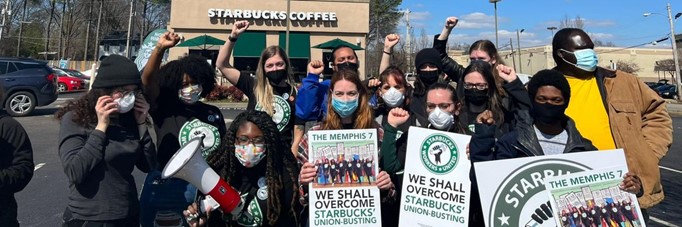
Labor advocates decried Thursday's U.S. Supreme Court ruling in favor of Starbucks in a labor dispute between the international coffee giant and seven of its employees who were terminated after leading a unionization campaign at their Memphis store. In an 8-1 decision—with liberal Justice Ketanji Brown Jackson dissenting—the justices in Starbucks v. McKinney made it more difficult for the National Labor Relations Board (NLRB) to temporarily halt alleged unfair labor practices. The court rejected a rule invoked by some courts to protect workers in favor of a higher standard supported by Starbucks.
| |
Editor's Note: A common tactic of the anti-union forces in government is to simply defund agencies that protect workers rights to a safe workplace, to organize a union, etc. While rail workers do not work under the NLRB (we work under the RLA) most of our brothers and sisters who work in the private sector do. An injusry to one is an injury to all! | |
|
This week, House Education and Workforce Chair Virginia Foxx (R-NC) held a hearing attacking the National Labor Relations Board (NLRB) as “radical” and “political.” Subcommittee Chair Bob Good attacked unions as “tired” and “outdated” and directly attacked recent Board decisions that make it clear that employers cannot threaten or coerce workers to influence the outcome of a union election. Congress should focus on strengthening labor law, enforcing current protections, and fully funding the NLRB so that the Board can do its job, not attacking the NLRB and weakening our labor rights.
| |
WEEKLY DERAILMENT DEPARTMENT | | | | |