Rail & Labor News from RWU
| |
Weekly Digest Number 5 - January 30, 2024 | |
Welcome to the RWU Rail & Labor News! This news bulletin is produced and emailed out each Tuesday morning. We hope you find each week's news and information useful. If so, please share with co-workers, friends, and colleagues. If you like, you can sign them up to get all the news from RWU HERE. Or forward them the link. Got a hor tip? Please forward the article and a link to raillabornews@gmail.com. Note: If you read over this news bulletin each week, you will be sure to never miss the important news of what is going on in the railroad world from a worker's perspective! | |
Editor's Note: This is truly disconcerting news, yet not surprising. (Because NS was in the hot seat after East Palestine, they were in fact able to rise to the occasion and were the only Class One carrier whose accident rate declined. The others' all increased). With state laws being struck down by the courts and the feds incapable of acting, the private railroads continue to enjoy unfettered "self regulation." This is unacceptable for every railroad worker. It is time for public ownership with worker control of the rail industry. | |
|
Peter Eavis / Jan 28
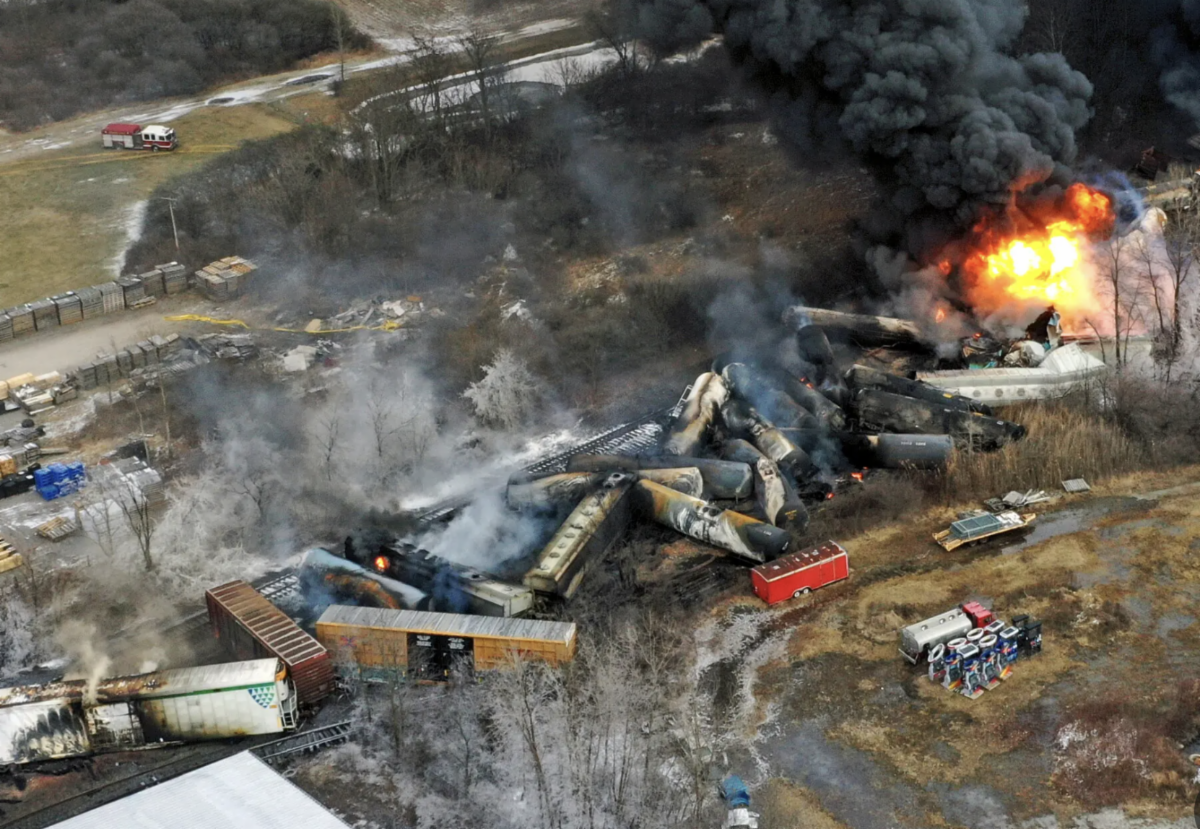
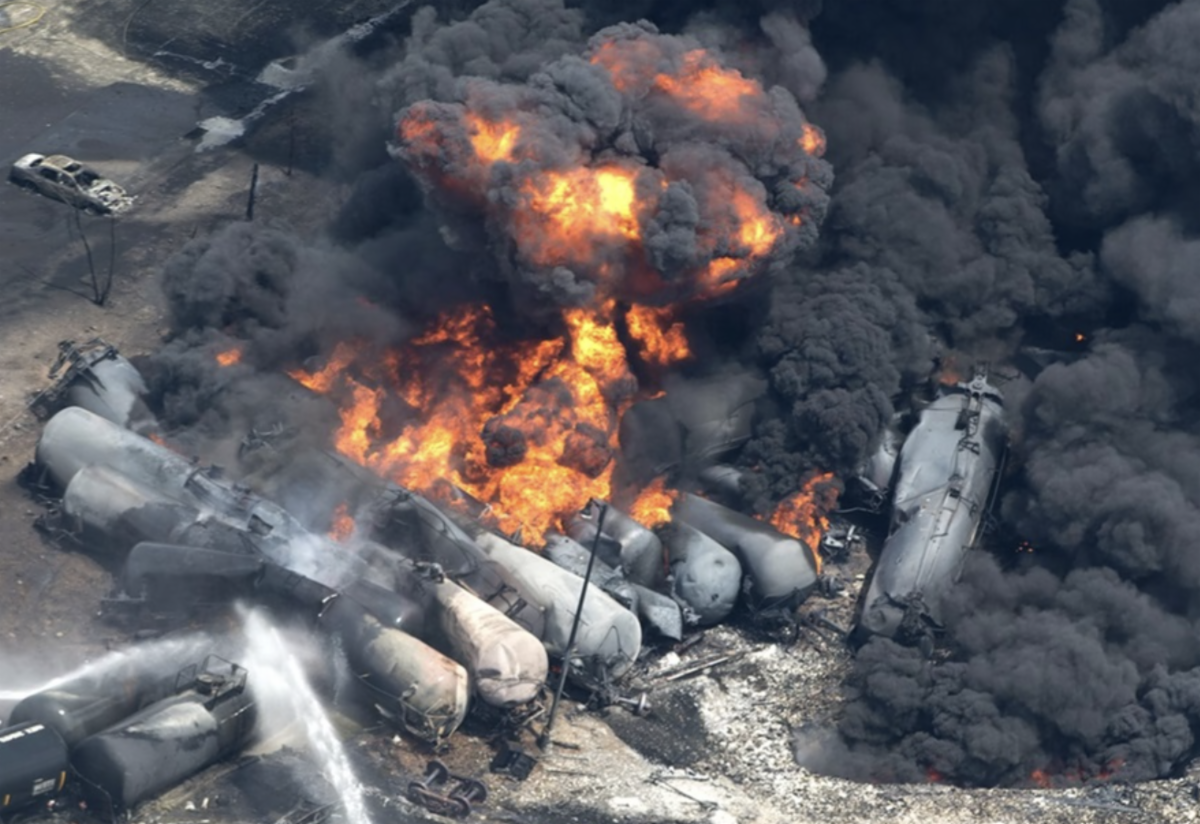
After a freight train carrying hazardous chemicals derailed a year ago in East Palestine, Ohio, forcing the evacuation of hundreds of residents and upending life in the town for months, the rail industry pledged to work to become safer, and members of Congress vowed to pass legislation to prevent similar disasters. No bill was passed. And accidents went up. Derailments rose at the top five freight railroads in 2023, according to regulatory reports for the first 10 months of the year,
| |
|
Editor's Note: Good to see the shop crafts come together and collectively push for a comprehensive set of regulations to improve rail safety and operations. Now let's get the maintenance in the field (BRS and BMWED), and operations (BLET, SMART-TD and ATDA) on board and present a comprehensive package as a group! | |
|
Fed up with the big Class I freight railroads’ incessant drive to put profits over people, and safety, and with federal regulators’ piecemeal and often pro-corporate responses, a coalition of rail freight unions issued a comprehensive analysis of the problem, with key recommendations to the government to force the carriers to put people first. Key recommendations include having the federal government impose uniform training requirements, industry-wide, and minimum staffing requirements for the overall number of workers needed to inspect and certify the safety of locomotives and freight cars.
| |
Editor's Note: As you read this scenario is imagined by the author, there is not a rail out there who does recognize what he is talking about. We get coaxed, cajoled, badgered and harangued by management into getting the job done, while not being given the time, the tools, the equipment, the training, nor the personnel, all the while being told to "work safe." What hypocrisy! | |
|
"It’s a bad night, or day, but this is a regular move. You’ve done it a thousand times and that’s no exaggeration. So, the movement begins, and the handoffs go smoothly. The train is coming in at walking speed, you call “three car lengths to the south breezeway,” and your engineer responds “three.” And then, somewhere a radio, maybe on a different locomotive in the area, or your own, gets stuck in the “transmit” mode. You know you can’t transmit against or “over” the interference. You watch as your train advances 90 feet and doesn’t slow down. You watch as 170 feet disappear second by second."
| |
Editor's Note: As the feds fail to act on rail safety, more and more states are taking matters into their own hands on questions of minimum crew size, train length, hazardous materials handling, hot box detectors, and more. But unfortunately, the carriers appeal to the courts where such laws tend to be overturned by corporate friendly judges. | |
|
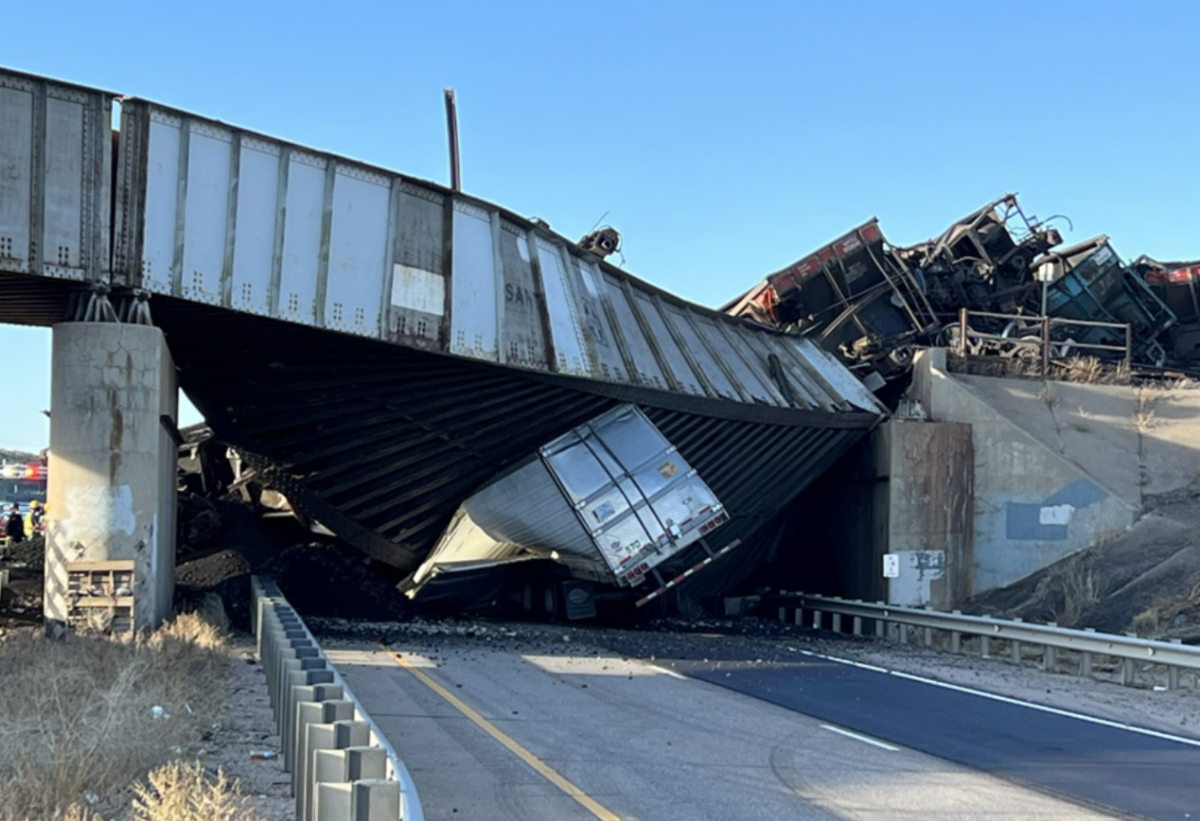
The state legislature is considering a rail safety bill requiring railroads to be equipped with more safety features, limit the length and weight of trains carrying hazardous materials, and limit the time that trains can block major intersections while passing, according to a story aired by KRDO-TV. The bill’s sponsor, Colorado State Sen. Tony Exum, says he began developing the legislation over a year before the deadly derailment north of Pueblo on Interstate 25 northbound in October 2023 [see “One killed in coal-train derailment …” News Wire, Oct. 15, 2023].
|
|
Editor's Note: Like in many states, politicians in Nevada talk rail safety, only to buckle under the pressure of their corporate supporters. Nearly a year after the devastating wreck at East Palestine, OH - apart from a few states adopting rail safety legislation - nothing has been accomplished. | |
|
Jason Doering / January 25
The politics of rail safety in Nevada tread a fine line between earnest concern and political theater. On record, there's a chorus of agreement on the importance of rail safety. Yet, behind the scenes, the rail lobby's influence casts a long shadow over legislative decisions. This duality is most apparent in the actions of Republican lawmakers who, while often sympathetic to rail labor issues in private conversations, seem to march to a different drum when it comes to casting their votes.
| |
Editor's Note: This is not the most important rail safety issue facing rail workers, but it is good to see the FRA taking some action and doing what it ostensibly was set up to do - regulate rail safety, protect railroaders and the public. | |
|
The Federal Railroad Administration today announced a final rule requiring railroads to provide emergency escape breathing apparatuses for train crew members and other employees who could be at risk in the event of a hazardous material release — a regulation stemming from last year’s incident in East Palestine, Ohio. While casualties and fatalities from hazmat inhalations are rare, the FRA says there were fatalities in 2004 and 2005 resulting from chlorine gas inhalation, and that the rule fulfills a mandate in the Rail Safety Improvement Act of 2008.
| |
Editor's Note: As the last century's infrastructure ages out the Class Ones' approach of 'running to failure' will be increasingly dangerous. The public needs to know that the railroads have a plan for maintaining or replacing bridges. And since they probably don't, at least a public list can help force them to be responsible in the most dire instances. | |
James Pilcher / January 24
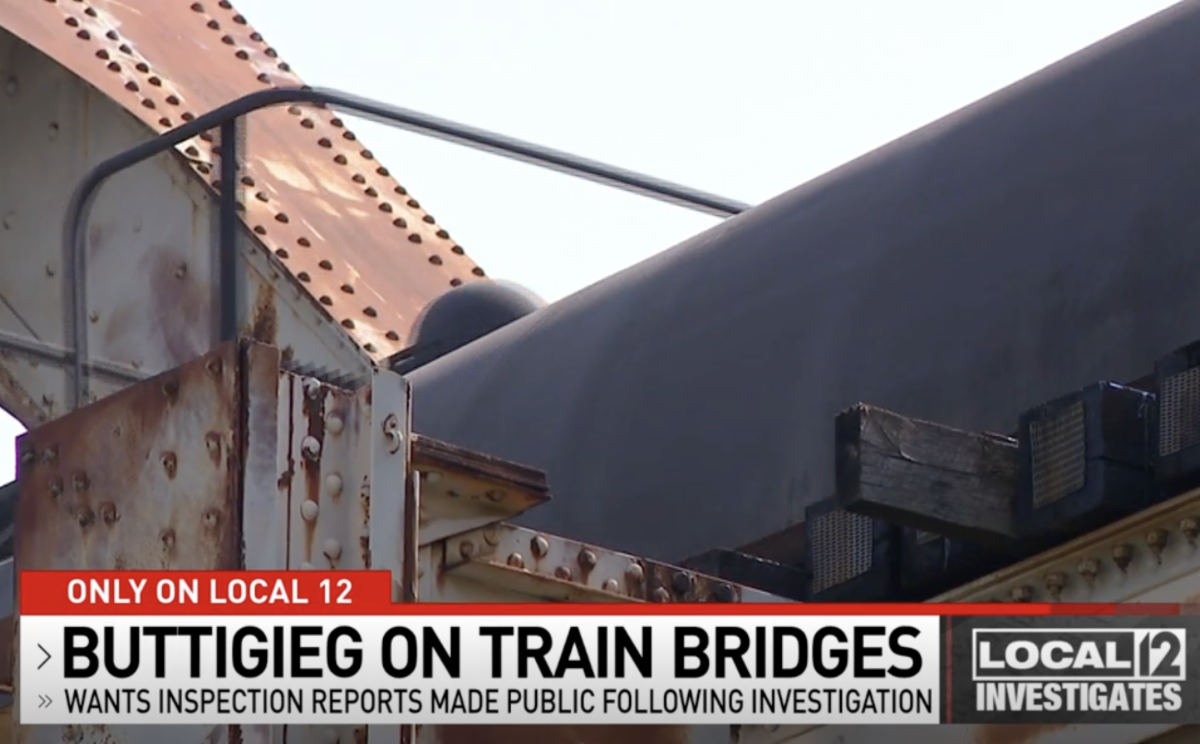
United States Transportation Secretary Pete Buttigieg told Local 12 in an exclusive interview that train bridge inspection records should be made more available to the public. The comments came after Local 12’s ongoing investigation into train bridges in the Tri-State, which included five in Butler County that are listed in poor or critical condition. The only reason Local 12 discovered that these bridges were creating a potential hazard was because the Butler County Engineer’s Office does its own inspections as a courtesy.
| |
Editor's Note: Thankfully, NS is not announcing cuts to train and engine crews (or other represented crafts). But are these wholesale purges of management ranks in one fell swoop really the best way to run a sprawling company? How does it come to pass that one day we need them and ... the next day we do not need 300 managers? Did these people serve any useful function? If the answer is NO, then what the hell were they doing on the payroll? If the answer is yes, then how the hell is something so complex as a railroad going to operate consistently, efficiently,and on-time without them? Under Former airline CEO Richard Anderson, Amtrak lost 500 front-line and mid-level managers - a huge brain drain - from which it probably still has not recovered. | |
|
Norfolk Southern told employees today that it will eliminate 7% of its management and staff positions as a cost-cutting move. The railroad is set to publicly announce the cutbacks during its fourth-quarter earnings call on Friday morning. NS is offering voluntary severance packages to eligible employees, according to people familiar with the matter. Roughly 300 positions will be eliminated. Norfolk Southern’s earnings have taken a hit from inflation, a soft freight market, and costs related to cleanup of the Feb. 3, 2023, derailment and hazardous materials spill in East Palestine, Ohio.
| |
Editor's Note: Great to see the money start to flow to bring more passenger trains to more corridors and communities across the USA. After another dismal year of freight service - with a further reduction in freight traffic moved by the Class Ones and job growth non-existent - this comes as good news to every railroad worker. | |
|
The year ended on a very high note for the U.S. passenger-rail industry. Last month, the Federal Railroad Administration announced $8.2 billion in grant awards for projects nationwide and advanced passenger-rail corridor planning activities that will impact every region across the country. Also last month, the FRA announced it selected 69 passenger-rail corridors in 44 states through the new Corridor Identification and Development Program, which was created by the Infrastructure Investment and Jobs Act (IIJA) of 2021. The corridors were awarded up to $500,000 for additional study and planning for new or expanded passenger-rail service.
| |
Editor's Note: Looks like nine new workers have joined the union. Six months earlier, perhaps a dozen or more T&E workers from this small carrier likewise joined the union. While we applaud these workers and welcome them into the labor movement, it is unfortunate that the current archaic craft union system cannot organize these fellow workers into a single organization. When the numbers of working employees on many of these shortlines and regionals in only double digit at best in many cases, the absurdity of the craft union system is laid bare. We need a "Railroad Workers Union" to get the job done effectively and efficienty on these small carriers. | |
Progressive Railroading / Jan 22
Nine maintenance-of-way workers at Florida Gulf & Atlantic Railroad voted 8-to-1 to join the Brotherhood of Maintenance of Way Employes Division–International Brotherhood of Teamsters.The workers will be assigned to the Allied Federation, according to a BMWED press release. They maintain and repair track from Baldwin through Tallahassee into Pensacola along the Florida panhandle.
| |
Editor's Note: In the wake of the East Palestine wreck, the hotbox detector question looms large. Just how do we best make use of this technology to ensure that hotbox wrecks no longer occur and become a distant memory. For starters, the train crew simply must be alerted - not some "back office desk" when their train has a bearing with an elevated temperature. | |
|
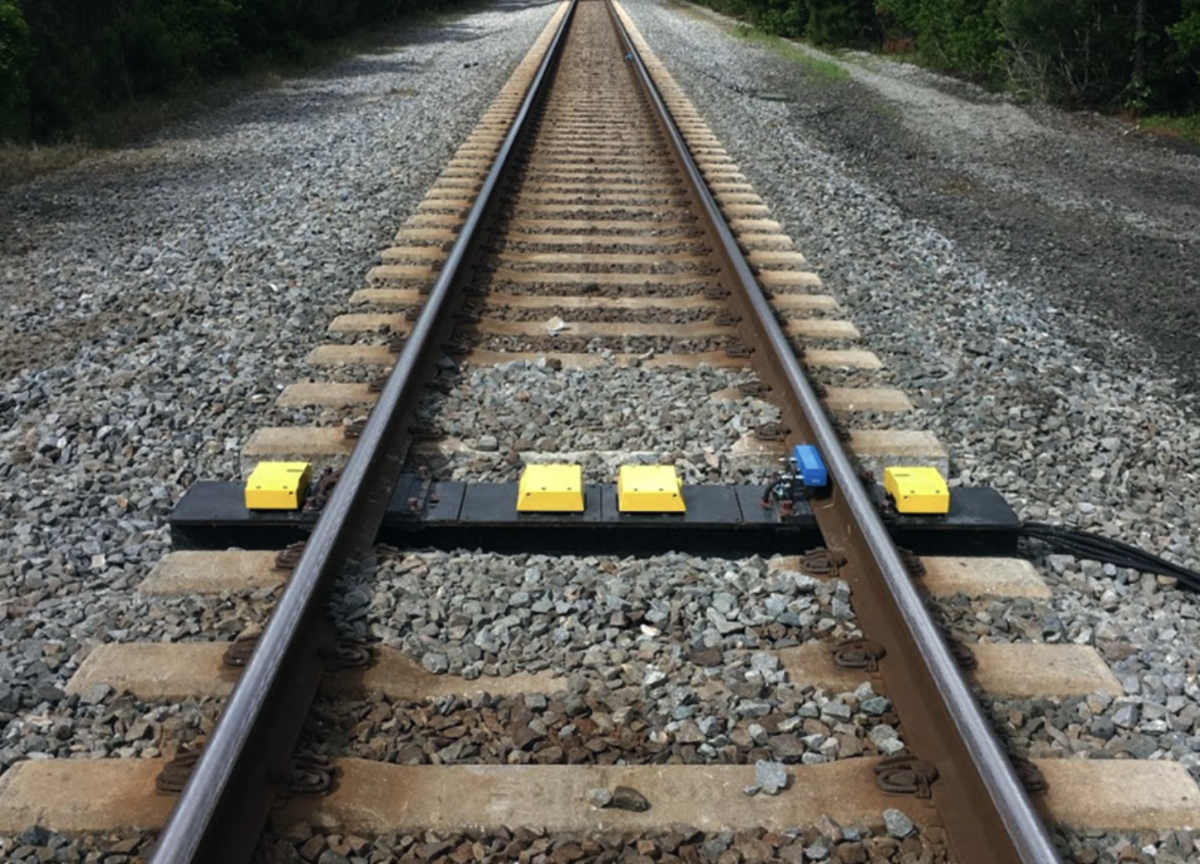
If you ever worked on a railroad and certainly if you have ever been involved in working on railroad safety, you have frequently heard the phrase “one size doesn’t fit all” spoken by railroad management. Having tuned into a December 2023 U.S. Senate hearing on railroad safety, I did not hear the phrase, but I did hear rail management representatives advocate one-size solutions, with respect to hot bearing/failed equipment detector equipment and actions triggered by potential overheated wheel bearings.
| |
Editor's Note: As we surpass 90% of all workers of crafts on all Class One carriers having achieved some measure of sick time through recent "on property" agreements for the first time in history, railroad workers collectively deserve a pat on the back for raising hell, fighting back (defying the carriers, the PEB, the President, Congress, and their own union leadership) and voting NO on the master freight agreement in 2022 which offered no sick leave pay at all. Neither of these parties deserve any credit for this victory. It belongs completely to these courageous railroad workers. | |
Progressive Railroading / Jan 26
The Brotherhood of Maintenance of Way Employes Division-International Brotherhood of Teamsters (BMWED) members who work for CN have finalized a sick-leave agreement. Membership on the former Bessemer and Lake Erie, Grand Trunk Western, Illinois Central & Chicago, Central and Pacific and Wisconsin Central railroads, now all doing business as CN, all have contractual language guaranteeing four paid sick leave days annually at the bid-in straight time wage, according to a BMWED press release.
| |
Editor's Note: It's not a good sign when the government has to step in as your customer service department, but it's what we get when railroad stockholders are more valued than shippers. | |
Railfan & Railroad Staff / Jan 24
The U.S. Surface Transportation Board announced on January 24, that it would amend its emergency service regulations. An emergency service order allows the federal government to direct service decisions on railroads. If the STB determines that there is a service issue on a railroad it may “direct the handling, routing, and movement of traffic,” including forcing traffic to be detoured on other railroads. It can also force “joint or common use of railroad facilities” and “prescribe temporary through routes.” But getting such an order can be challenging and requires the shipper to jump through many hopes — until now. Under the amended rules, a shipper could receive relief in a matter of days.
| |
NEWS FROM AROUND THE LABOR MOVEMENT | |
Editor's Note: While the beginnings are there, we need a new labor movement like we experienced in the 1930s, where millions of Americans join industry-based unions en masse. The support of the majority of the American people is there, we just need to get the job done! | |
|
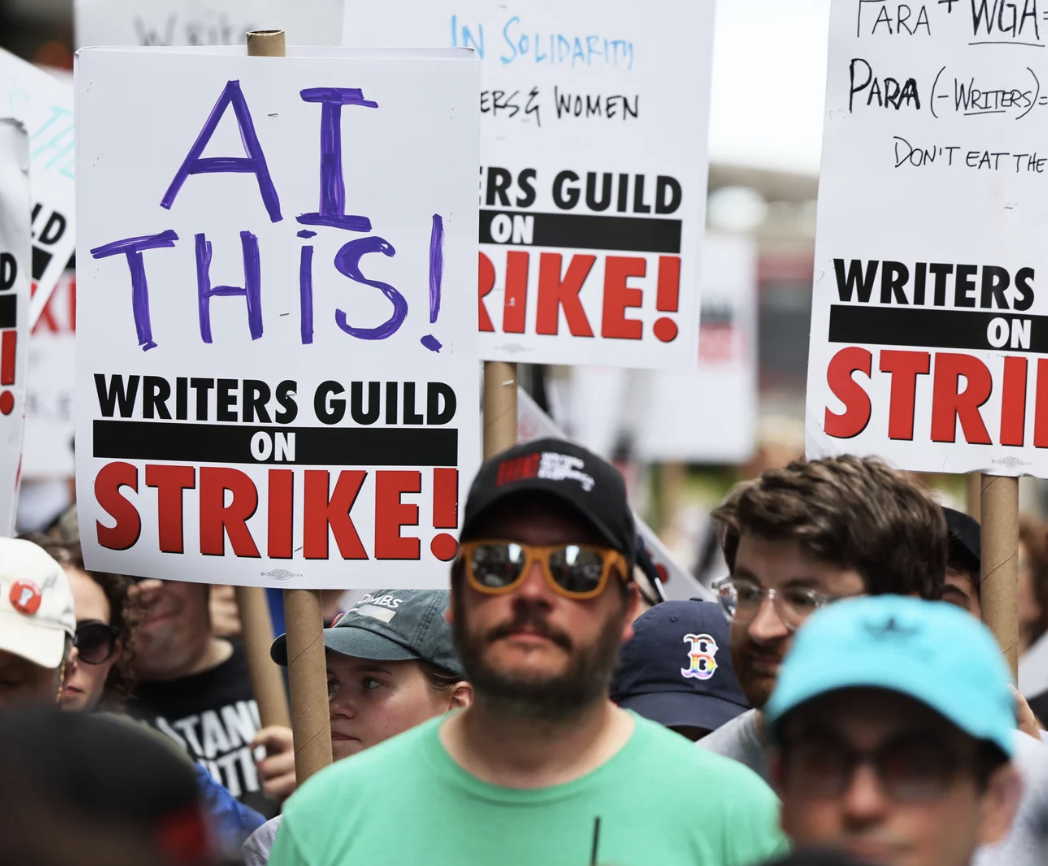
Amid a burst of enthusiasm and energy amid high-profile strikes, labor unions added 139,000 members last year. But the overall numbers tell a different story. Due to rapid growth in nonunion jobs in 2023, the share of U.S. workers who are union members actually fell slightly, according to new numbers from the Labor Department. Just 10% of the U.S. workforce belonged to unions in 2023, down from 10.1% in 2022. That's the lowest in Labor Department records dating back to 1983.
| |
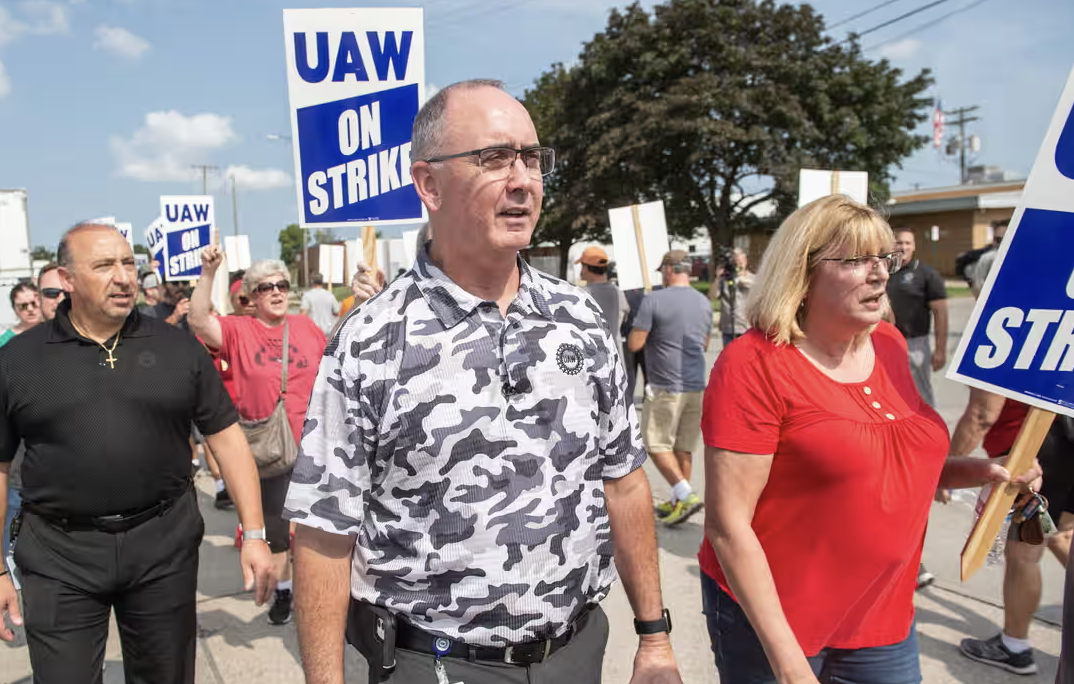
Editor's Note: Railroad Workers United has been pushing for 15 years for all rail unions to stick together - and strike together - in contract bargaining at all levels - national and "on-property." This idea is catching on among the broader working class as UAW President Shawn Fain is now calling for ALL unions to organize around common demands, negotiate common expiration dates, and potentially strike together in the coming years. | |
|
Imagine it’s the evening of April 30, 2028. The nation is roiling as millions of workers coast to coast prepare to walk off the job in an unprecedented May Day national strike. Workers in manufacturing, logistics, healthcare, grocery, high tech, hospitality, and public services have mobilized and committed to bring the economy to a halt unless their bold demands are met: Medicare for All, a $30/hour minimum wage, and a tax on billionaires to massively increase public education funding.
| |
Editor's Note: Railroad Workers United will soon be considering support for this innovative and promising development. This is a great way to build solidarity across the working class that can be powerful and very effective | |
|
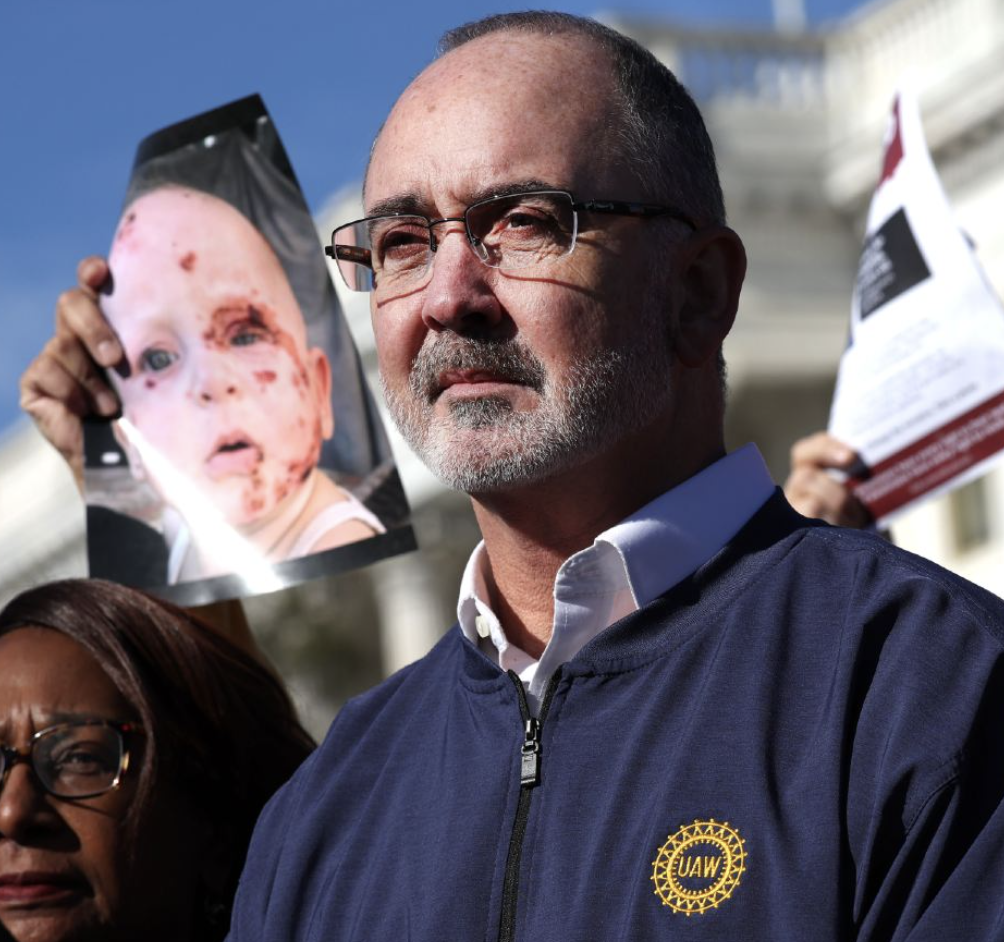
Speaking to union members at the UAW national political conference in Washington DC, Fain said it was time for union members to come together. “We have to pay for our sins of the past. Back in 1980 when Reagan at the time fired patco workers, everybody in this country should have stood up and walked the hell out,” Fain said. “We missed the opportunity then, but we’re not going to miss it in 2028. That’s the plan. We want a general strike. We want everybody walking out just like they do in other countries.”
| | | | |