Rail & Labor News from RWU
| |
Weekly Digest Number #3 - January 14th, 2025 | |
Welcome to the RWU Rail & Labor News! This news bulletin is produced and emailed out each Tuesday morning. We hope you find each week's news and information useful. If so, please share with co-workers, friends, and colleagues. If you like, you can sign them up to get all the news from RWU HERE. Or forward them the link. Got a hot tip? Please forward the article and a link to raillabornews@gmail.com. Note: If you read over this news bulletin each week, you will be sure to never miss the important news of what is going on in the railroad world from a worker's perspective! | |
THIS WEEK'S RAIL AND LABOR NEWS | |
Editor's Note: If this comes to fruition, we are looking at a major game changer that will become the wave of the future for North American rail - not just passenger but freight as well, bringing thousands of good rail jobs, taking millions of vehicles off the highways, and setting a new standard for all Americans as to how to move goods and people from A to B sustainably. | |
Trains Magazine / January 8th
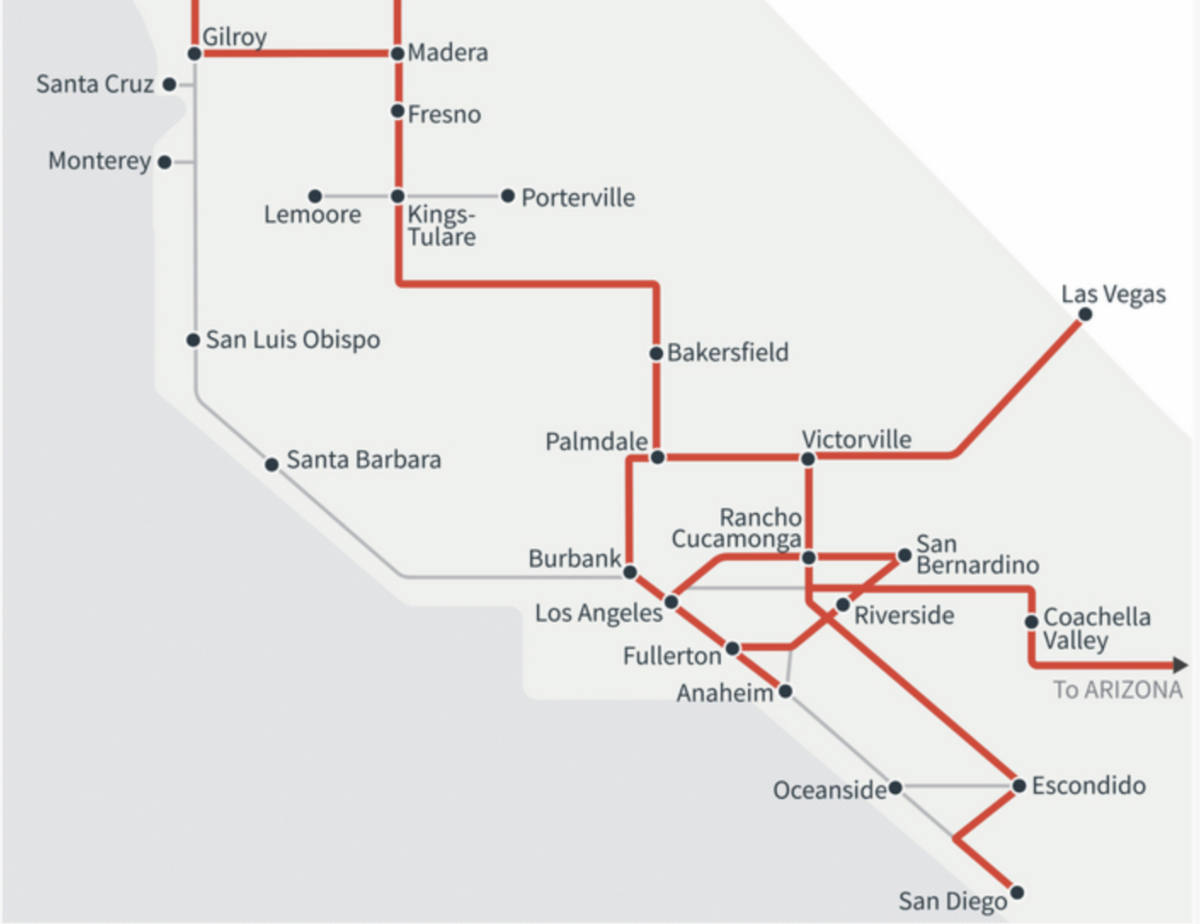
California has unveiled a $310 billion plan to expand its rail network, featuring extensive electrification and zero-emission operations, to increase its share of passenger travel from 2% to 20% by 2050.
It envisions an electrified network including, but going beyond, the current high-speed rail system under construction, including additional service or new routes that are part of the Federal Railroad Administration’s Corridor Identification and Development program announced in late 2023
| |
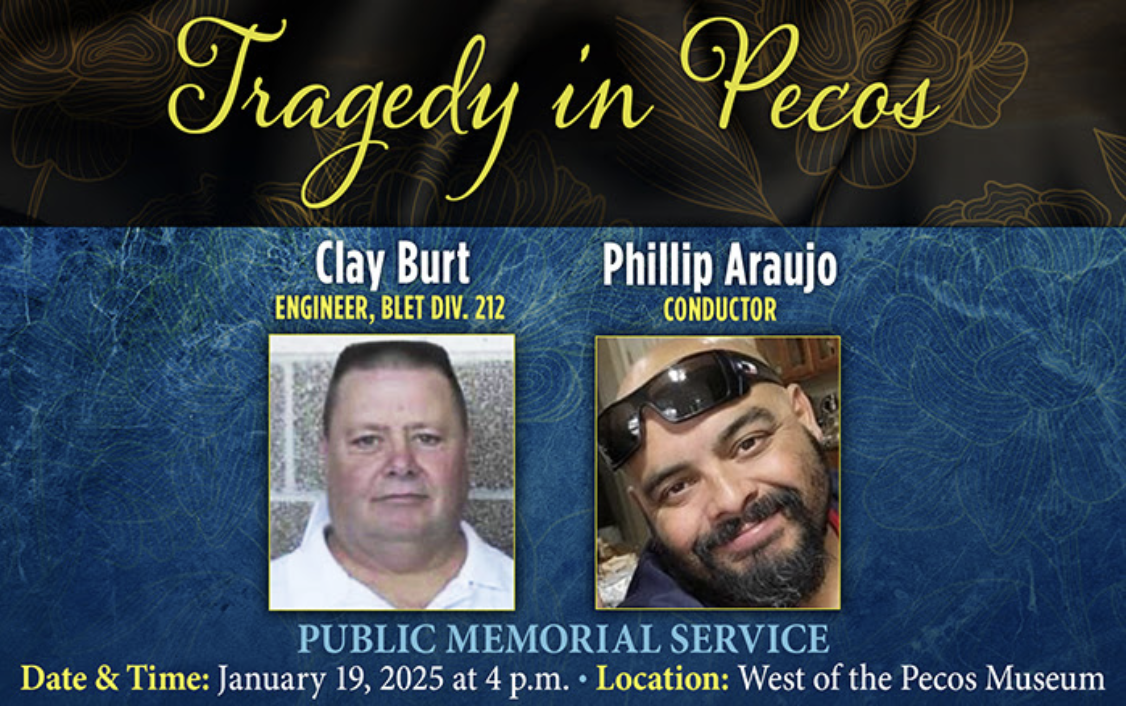
Editor's Note: On Jan. 19, a ceremony at the West of the Pecos Museum will honor the Union Pacific workers who tragically lost their lives in the Dec. 18 Pecos derailment. May we remember those we’ve lost. | |
|
Brotherhood Of Locomotive Engineers & Trainmen / January 10th
A ceremony on Sunday, Jan. 19 will honor the Union Pacific workers who died in the Dec. 18, 2024 Pecos, Texas train derailment.
The ceremony will take place at the West of the Pecos Museum at 4 p.m. It will provide an opportunity for the public to reflect, support, and heal. The ceremony is called "United in Love and Remembrance: A Tribute to Those We’ve Lost."
| |
Editor's Note: The FRA’s $1.1 billion in Railroad Crossing Elimination grants highlights the vital role infrastructure plays in public safety. By funding overpasses and underpasses, these projects will save lives, reduce delays, and improve conditions for rail workers and the public alike. It’s proof that when safety is prioritized, everyone benefits—but the fight for consistent investment is far from over. | |
U.S. Department of Transportation / January 10th
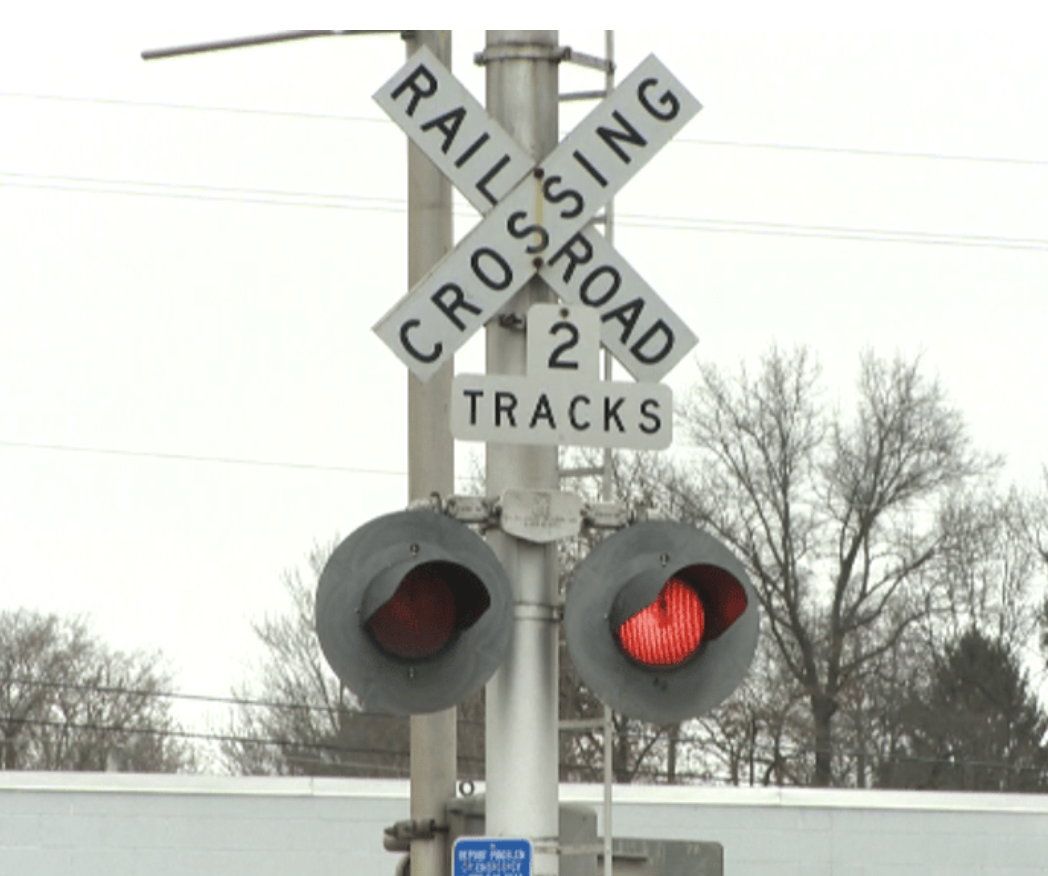
The U.S. Department of Transportation’s Federal Railroad Administration announced that it has awarded more than $1.1 billion in Railroad Crossing Elimination Grant Program funding to 123 rail projects, improving or studying more than 1,000 highway-rail crossings nationwide.
Rail grants being announced today for communities in 41 states will build railroad overpasses and underpasses, fund safety upgrades that will save lives, and make improvements that will result in safer communities for pedestrians and motorists as well as rail workers and riders.
The construction of new overpasses and underpasses, in particular, will eliminate the risk of collisions between trains and roadway users and prevent blocked crossings—which delay drivers and emergency responders alike—greatly enhancing safety, mobility, and connectivity for local communities nationwide.
|
|
Editor's Note: The ATDA’s newly ratified contract includes an 18.8% raise over five years, lower healthcare premiums, and a few other improvements. While these gains are notable, they fall short of the progress made during the last contract, leaving much room for future negotiations. | |
Train dispatchers ratify national labor contract with NCCC | |
Progressive Railroading / January 8th
The National Carriers Conference Committee (NCCC) of the National Railway Labor Conference yesterday announced the ratification of a national collective bargaining agreement with the American Train Dispatchers Association (ATDA).
The ratified contract covers ATDA-represented freight-rail employees through Dec. 31, 2029. The terms provide wage increases of 18.8% over five years; enhancements to health and welfare benefits with no increase to the employee contribution rate; and access to more paid vacation time for employees earlier in their careers.
In 2025, healthcare premiums will decrease to about $277 per month, which is below the national average of $500 per month for employer-provided family coverage, according to an NCCC press release.
| |
Editor's Note: The New Year starts with railroads battling snow, ice, and disruptions across their networks. From Appalachian coal routes to the eastern seaboard, winter weather reminds us that rail operations often face challenges beyond the boardroom. | |
Trains Magazine / January 6th
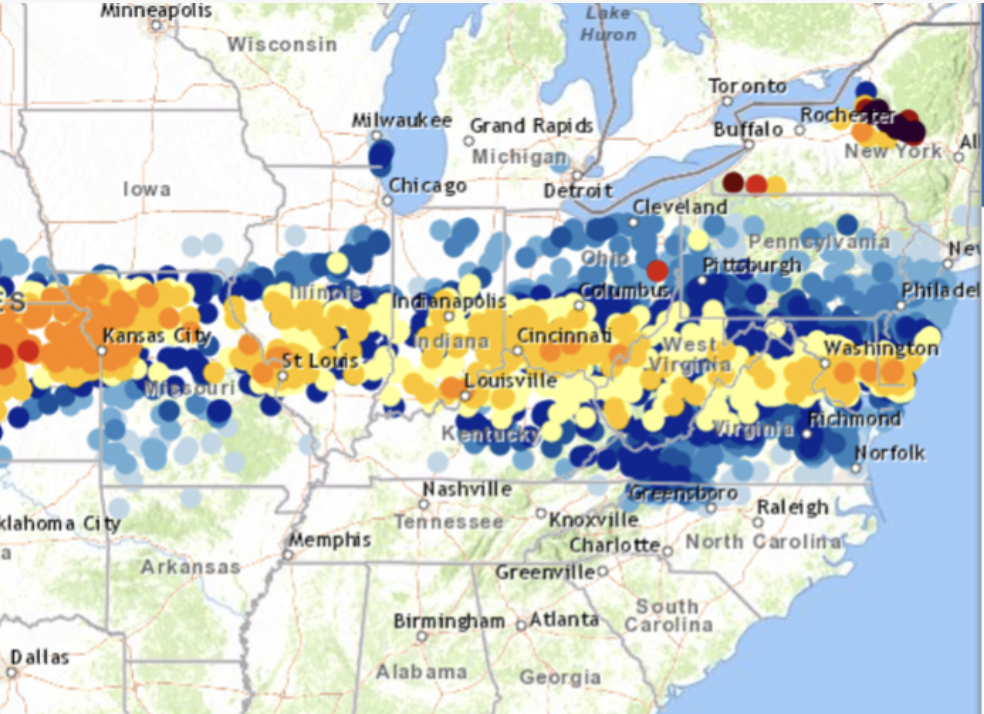
Railroads are navigating the start of the New Year with a far-reaching winter weather system that resulted in measurable snowfalls from central Kansas to Maryland’s eastern seaboard.
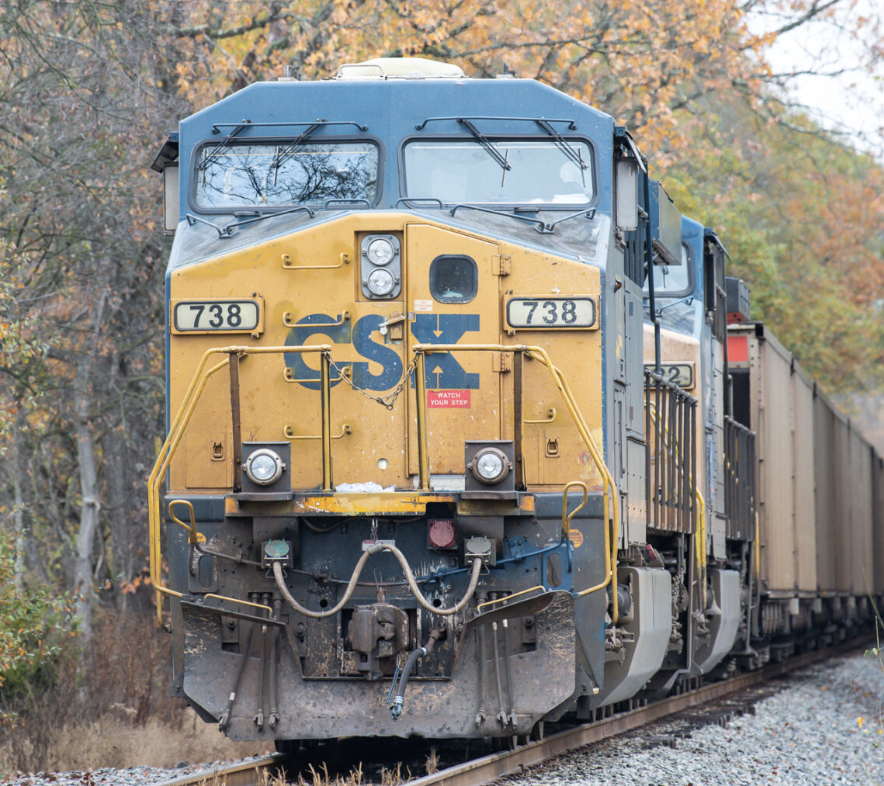
CSX Transportation and Norfolk Southern’s rural Appalachian coal networks saw 5-7 inches and Baltimore faced similar accumulations as the storm drifted off the Atlantic Coast on Monday.
In addition to wet snow accumulations, some areas with warmer air pockets saw minor ice accumulations, causing widespread downed trees and power outages. The winter weather system rolled across at least one segment of each Class I railroad’s networks, just as railroads were looking to tally up their first full week of carloads in the New Year.
| |
Editor's Note: While the Class One's may claim that this practice of running super long trains "increases track capacity," this is not exactly true. Often these trains are not built to maintain track speed. And if there is any power failure, the train speed is greatly reduced. When such trains have an incident (e.g. hot box, dragging equipment, hot wheel, break-in-two, etc) the mainline is severely crippled for hours. Finally, on other than double-track mainlines, such long trains dramatically diminish track capacity. | |
Trains Magazine / January 6th
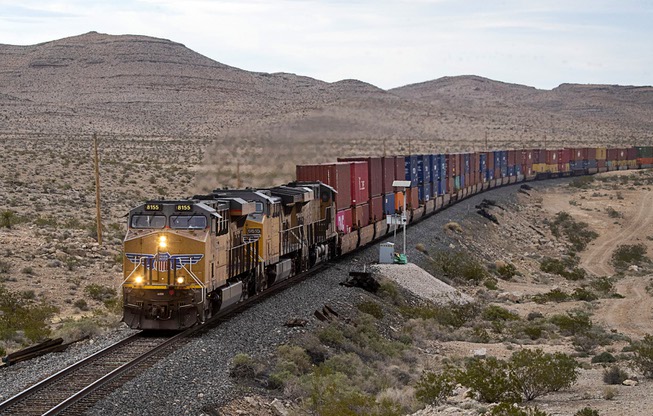
RailState, which monitors rail traffic using a network of sensors placed on public property along main lines, has provided a snapshot of long trains rolling along BNSF Railway and Union Pacific main lines in the Southwest.
The train length data can be useful for transportation officials who are seeking to minimize the impact of long wait times at grade crossings, RailState says.
Although only 1% of freight trains in the U.S. exceed 14,000 feet, RailState data shows that BNSF and UP operate a significantly higher percentage of long trains in and out of Southern California. All of the long trains were intermodal trains, some of which exceeded 16,500 feet.
Class I railroads say the use of longer freight trains increases mainline capacity by reducing the number of trains in operation at any one time. Rail labor leaders have been critical of the practice, which has allowed railroads to reduce the ranks of engineers and conductors because traffic is moved on fewer but longer trains.
| |
Editor's Note: CSX and the BMWED reached a five-year agreement, adding to the growing list of ratified contracts. While the terms offer modest improvements, they reflect a continued trend of standard packages across labor groups rather than groundbreaking progress. | |
News10 ABC / January 10th
CSX announced that employees represented by The Brotherhood of Maintenance of Way Employes Division of the International Brotherhood of Teamsters (BMWED) have voted to ratify the five-year collective bargaining agreement.
To date, CSX has ratified agreements with 10 labor unions, covering 13 different work groups, accounting for 42 percent of its unionized workforce. The terms of the agreements are aligned, providing equivalent packages of improved wages, health care, and paid time off benefits.
| |
Editor's Note: Gov. Hochul’s proposed investment in Hudson Valley rail aims to tackle delays, boost safety, and improve efficiency. While the plan promises progress, its true impact will depend on swift execution and meaningful results for rail workers and riders alike. | |
Progressive Railroading / January 6th
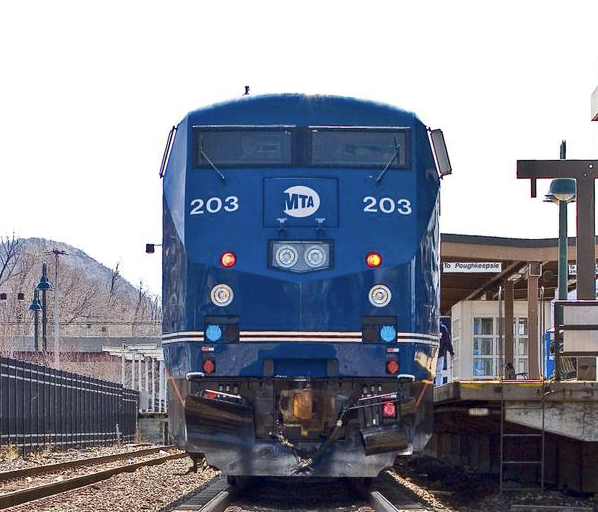
New York Gov. Kathy Hochul proposed a major investment in Hudson Valley rail service that would increase capacity, reduce delays, improve safety, and cut potential travel times by up to 15 minutes each way.
The proposal includes planning, evaluation, and design for a set of rail infrastructure capital improvements between New York City and Poughkeepsie.
In addition, the Metropolitan Transportation Authority (MTA) will execute a signaling redesign near Yonkers and climate resilience investments in the most vulnerable and highest ridership segments of the Hudson Line.
| |
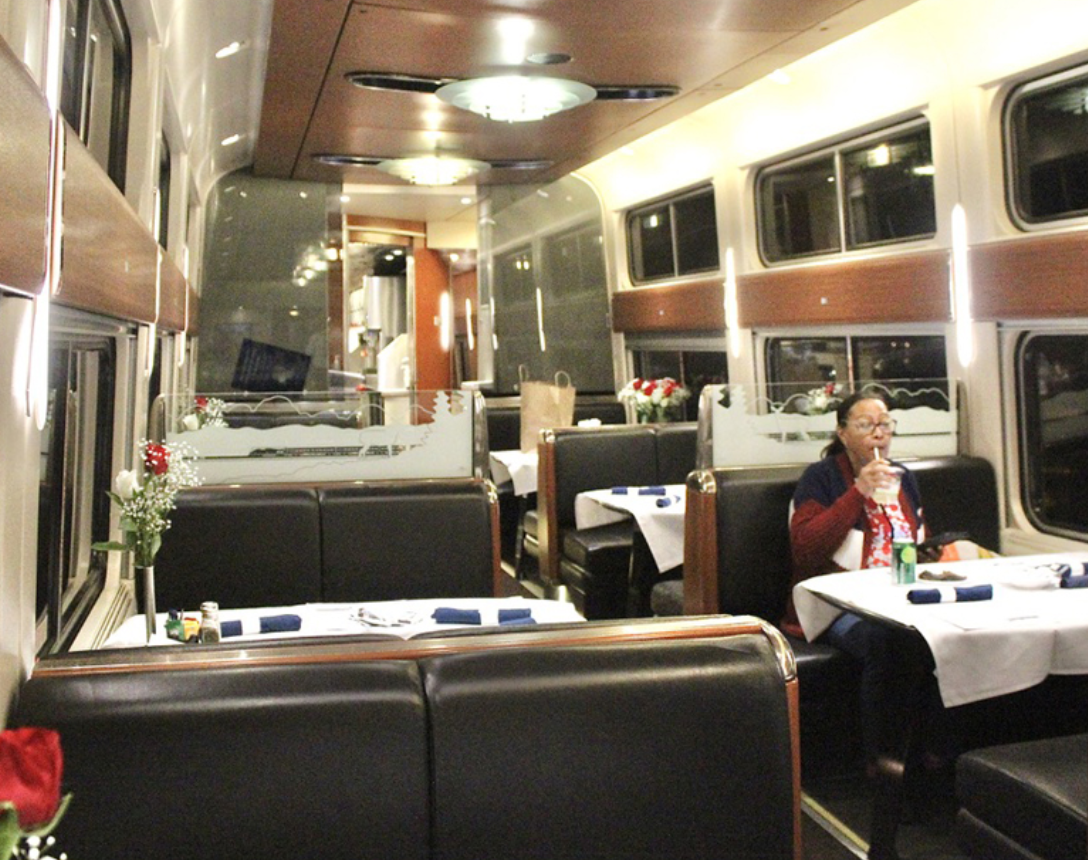
Editor's Note: Rep. Steve Cohen’s proposed Train FOOD and Train EATS Acts focus on improving Amtrak’s dining experience. While the legislation emphasizes accountability and better options for passengers, it raises the question of whether dining improvements will ever become a true priority for the rail operator. | |
Trains Magazine / January 12th
U.S. Rep. Steve Cohen (D-Tenn.) has introduced legislation aimed at improving dining on Amtrak trains.
H.R. 265, the Train Furtherance of Outstanding Onboard Dining Act (Train FOOD Act) would require the company to report annually on progress toward implementing recommendations from the Food and Beverage Working Group. The bill would require Amtrak to justify decisions not to implement the group’s recommendations. It would also require a Government Accountability Office report on implementation.
H.R. 264, the Train Establishment of Appetizing Table Service Act (Train EATS Act) would require that coach passengers be able to access traditional dining on long-distance trains on a space-available basis; an affordable food option, currently filled by the café/lounge car; and allow passengers to pre-order meals that meet their dietary requirements, as well as healthy meal options based on USDA guidelines.
| |
|
Virginians for High Speed Rail / Starting Jan 20
Our 2025 VHSR Virtual Town Hall Series will bring together an influential collection of presenters to give you an update on how passenger rail is doing across Virginia and the nation.
We are also securing speakers and finalizing programs for our remaining Town Halls as part of the series. Zoom date/times will be updated once everything is confirmed with our presenters.
| |
Long-Haul Magazine / Winter 2025
This summer, the Canadian Industrial Relations Board (CIRB) brought a strike of running trades workers at Canadian National Railway (CN) and Canadian Pacific Kansas City Limited (CPKC, or just “CP”) to an abrupt conclusion. In a moment of rare opportunity, Teamsters Canada Rail Conference (TCRC) contracts covering nearly 10,000 locomotive engineers, conductors, crew dispatchers, and rail traffic controllers at both companies had expired at the same time, in the fall of 2023.
The stories collected here were shared by current and former engineers and conductors, as well as workers in other trades and unions at both CN and CP. They describe in detail the day-to-day work of a railway employee, and they reflect on the conditions on the job, within the TCRC, and with management and the federal government – the conditions that brought the heady few days in August, when it looked as though a historic strike was set to shut down the railways, to devastating effect.
| |
Editor's Note: Passenger service expansion is on the move. Pent up demand for rail travel is manifesting across the Amtrak network and in states like Virginia and North Carolina where infrastructure is being developed. The adage, "build it and they will come," has never rung truer. | |
Progressive Railroading / January 9th
Transit ridership in the United States continues to increase, growing by more than 17% nationwide from 2022 to 2023, according to a new report released by the Federal Transit Administration.
The increase reflects more Americans choosing to take subways, light-rail systems, buses and other modes to travel to work, school, services and weekend activities across the country. The increase occurred as transit agencies better understood ridership needs following travel pattern changes during the pandemic, FTA officials said in a press release.
| |
The State / January 6th
On a bright winter afternoon, Mitchell Wright stood in the front yard of his home, not 20 feet across a dirt road from a tangle of railroad tracks. Wright, who was working on his car while enjoying time off, scowled as he thought about the inconvenience of trains blocking intersections and sounding loud horns near South Assembly Street.
On many days, tanker cars filled with hazardous material move through Columbia, running past homes, businesses, schools and state office buildings in the most densely populated parts of town.. The cargo ranges from deadly chemicals to flammable products on the way for delivery. “It can’t be good for the environment or for us either,’’ Wright, 33, said.
| |
NEWS FROM AROUND THE LABOR MOVEMENT | |
Each week, RWU includes a few articles about advances and developments in the larger labor movement that are of interest to railroad workers. Got an artcile to submit for possible inclusion next week? Email it along to raillabornews@gmail.com. Thank you! | |
Editor's Note: Labor and Environment have long been played against one another. This false dichotomy must be overcome. We all deserve good wages, benefits, working conditions, job security AND a healthy environment for ourselves and our children and grandchildren. See the RWU Resolution in Support of a Green New Deal. | |
Portside / January 6th
A fault line runs between labor and environmental movements, or so we’re told.
Labor unions have been criticized for focusing on jobs without considering environmental consequences, with some unions supporting controversial projects like the Dakota Access Pipeline, and others opposing bans on fracking. Meanwhile, environmental groups are accused of being divorced from working-class realities, sometimes neglecting lost employment and wages related to the energy transition. The urgency of cutting emissions and phasing out fossil industries to mitigate climate change has brought the seemingly contentious relationship between labor and environment into sharp focus.
“Corporate America has painted everyone into a classic dilemma,” said Anthony Mazzochi in 1977, when he was the legislative director for the Oil, Chemical and Atomic Workers Union. “Now it’s jobs versus the environment. The worker has a choice between his livelihood and dying of cancer.”
| |
In These Times / December 24th
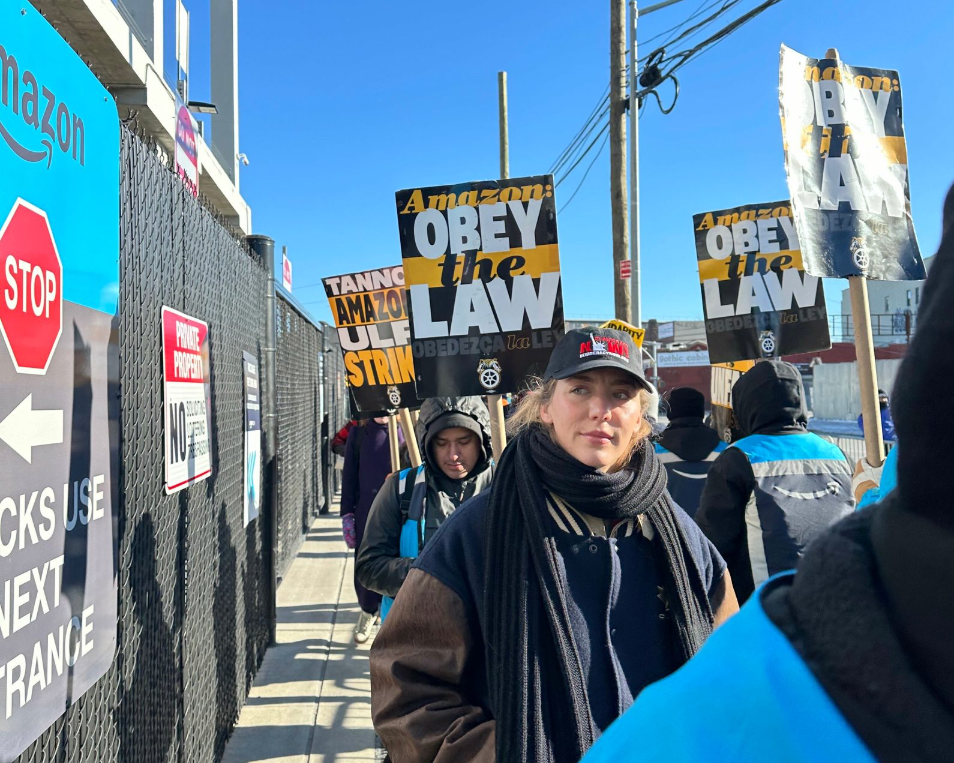
A blisteringly frigid weather and, in New York, a flooded sidewalk as part of an escalating series of strikes by a minority of workers across the logistics behemoth’s supply chain. These strikes, waged from coast to coast at nine warehouses across Amazon’s supply chain, are part of a nationwide movement to consolidate organizing at the logistics giant in the International Brotherhood of Teamsters (IBT).
In 2022, the Teamsters launched a division to support organizing at Amazon. The union now represents 5,500 workers at the hulking JFK8 fulfillment center on Staten Island who formed the independent Amazon Labor Union over two years ago, voting in June to affiliate with the Teamsters, creating ALU-IBT Local 1. Amazon has refused to recognize the union and bargain a contract.
| |
WEEKLY DERAILMENT DEPARTMENT | |
Each Tuesday in this news bulletin, RWU does our best to present a picture of what has been happening over the course of the previous week in terms of derailments in North America, and investigation determinations of previous accidents. NOTE: This list is by no means comprehensive. Smaller and less consequential mishaps are generally not reported here. If the wreck results in injury or fatality, or is especially damaging/extreme, a full article will appear as a feature in the dozen or so rail articles above. Know of a train wreck? Please feel free to forward a link to raillabornews@gmail.com for possible inclusion next week. Thanks! |
| | | |