Rail & Labor News from RWU
| |
Weekly Digest Number #1 - December 31st 2024 | |
Welcome to the RWU Rail & Labor News! This news bulletin is produced and emailed out each Tuesday morning. We hope you find each week's news and information useful. If so, please share with co-workers, friends, and colleagues. If you like, you can sign them up to get all the news from RWU HERE. Or forward them the link. Got a hot tip? Please forward the article and a link to raillabornews@gmail.com. Note: If you read over this news bulletin each week, you will be sure to never miss the important news of what is going on in the railroad world from a worker's perspective! | |
THIS WEEK'S RAIL AND LABOR NEWS | |
Editor's Note: The fatal derailment in Pecos, Texas, is a sobering reminder of the dangers posed by grade crossing incidents, claiming the lives of two Union Pacific crew members. As the NTSB’s investigation unfolds, the rail industry and labor advocates must continue to emphasize preventative measures that safeguard workers and communities alike, avoiding premature conclusions while honoring those lost. | |
Progressive Railroading / December 26th, 2024
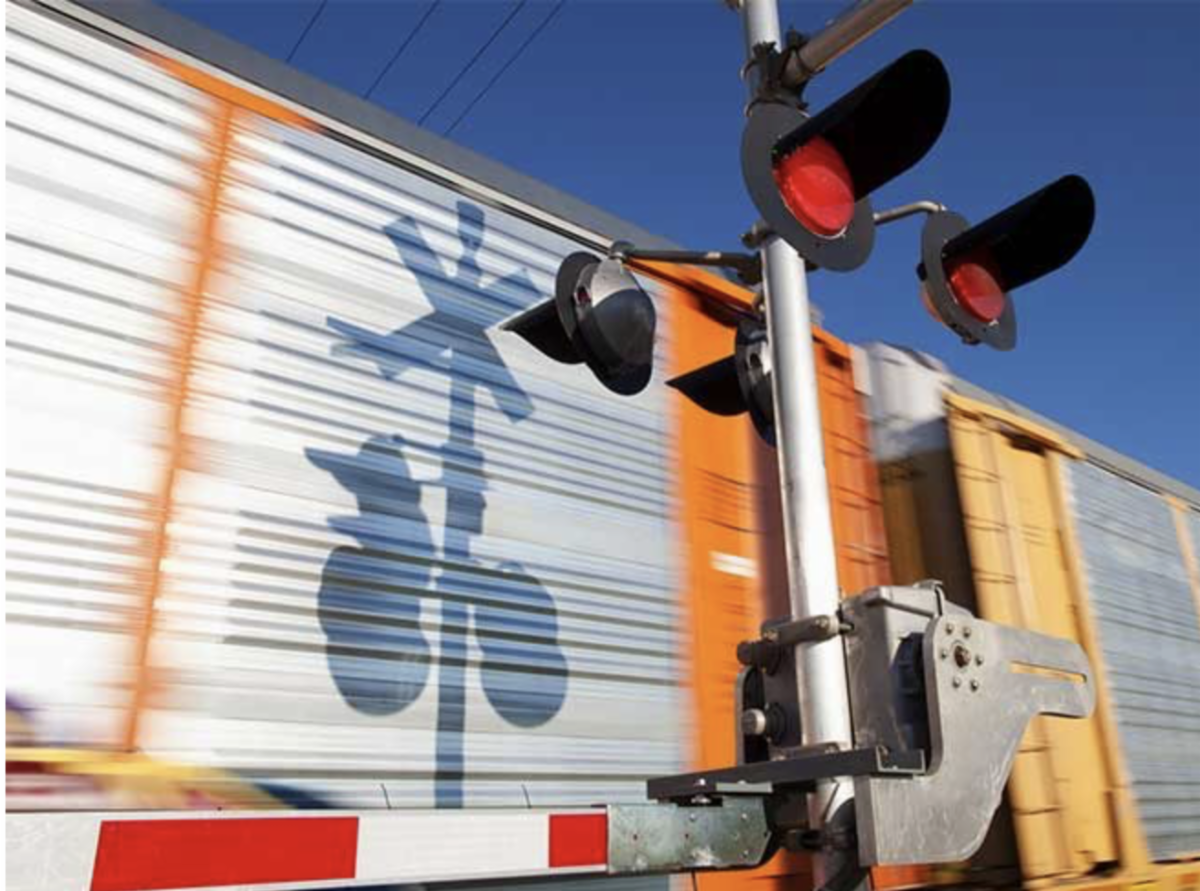
The National Transportation Safety Board released preliminary information on its investigation into a Dec. 18 derailment of a Union Pacific Railroad train in Pecos, Texas. The train's conductor and engineer died as a result of the incident, in which the train collided with a truck stopped on the track at a grade crossing.
The accident occurred when the northbound truck, a tractor-lowboy trailer combination, tried to cross the track at a crossing. According to the NTSB's report, the truck was hauling heavy equipment and could not proceed through the intersection for reasons under investigation.
The NTSB determined that the truck was on the track for just over a minute before it was struck by the train. The head-end locomotive event data recorder was removed from the wreckage and is being transported to the NTSB materials laboratory in Washington, D.C.
| |
Editor's Note: The ongoing dispute at NJ Transit reveals the lengths some carriers will go to avoid honoring contractual obligations, even resorting to federal court to block arbitration. This fight is a stark reminder of the importance of solidarity and vigilance in enforcing agreements. With critical dates approaching, including the Presidential Emergency Board’s recommendations and the potential for “self-help,” rail labor must remain steadfast, prepared to protect workers’ rights and ensure fair treatment for all crafts. | |
|
Brotherhood of Locomotive Engineers & Trainmen / December 29th, 2024
When conductors at the commuter railroad received a raise, engineers didn’t. The dispute is scheduled to be settled at an arbitration hearing on January 9. NJT is trying every trick in the book to get out of its contractual obligations and out of the arbitration hearing.
NJT’s lawyers filed suit last week in U.S. District Court seeking a court order to stop the arbitration from happening. BLET’s lawyers will argue in federal court that under the parties’ existing contract, money is owed and that the arbitration should be held as scheduled.
Presidential Emergency Board 252 is also scheduled to release its report no later than January 21 with its non-binding recommendations for a contract settlement. The date that the cooling-off period mandated by the Railway Labor Act ends is 60 days after the Presidential Emergency Board issues its report and potential “self-help” by the union, meaning a strike, could begin then if the parties are unable to agree.
| |
Editor's Note: Alvin Brown’s designation as vice chairman of the NTSB places a seasoned leader at the helm of critical transportation safety efforts. With a background in public service and infrastructure, Brown’s tenure could bring a fresh perspective to rail safety at a time when systemic improvements are urgently needed. Rail labor should watch closely to see how his leadership addresses the ongoing challenges in protecting workers and the public alike. | |
Progressive Railroading / December 27th, 2024
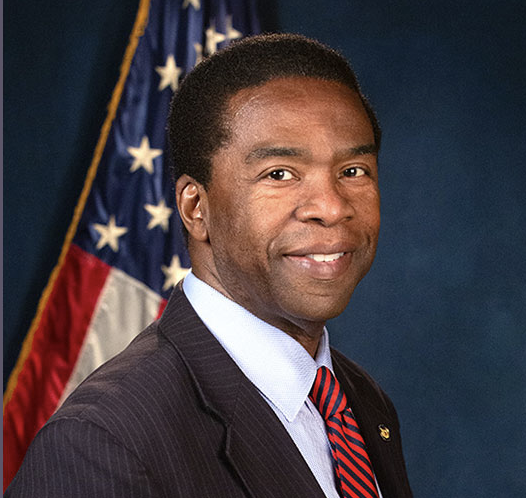
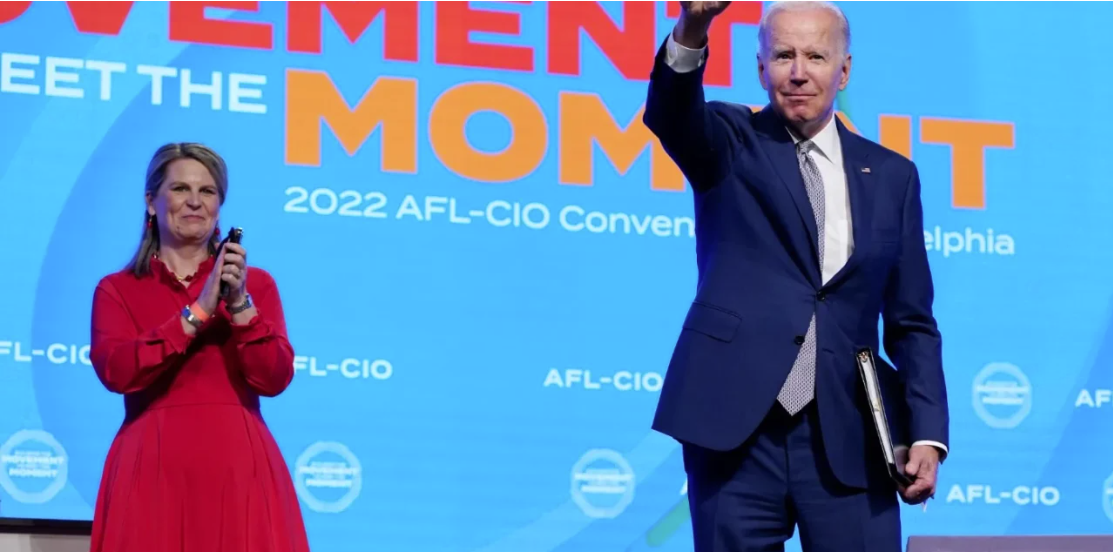
President Joe Biden has designated Alvin Brown vice chairman of the National Transportation Safety Board, the agency announced this week. Brown has been an NTSB member since his board appointment was approved by the U.S. Senate in March. His term runs through 2026.
"The NTSB is the gold standard for public safety, and I look forward to continuing to work with my colleagues at this federal agency to save lives and make transportation safer," he said in a press release.
Brown is a former mayor of Jacksonville, Florida, a position he held from 2011 to 2015. He also has served as senior adviser for community infrastructure opportunities at the U.S. Department of Transportation.
|
|
Editor's Note: The Ending Passenger Rail Forced Arbitration Act is a necessary challenge to Amtrak’s 2019 policy that forces passengers to waive their rights in cases of injury, negligence, or discrimination. By introducing this legislation, Representatives Boyle and Deluzio are fighting against corporate overreach that prioritizes legal loopholes over accountability. Justice shouldn’t come with an asterisk for Amtrak riders—or anyone else. It’s time to end forced arbitration and restore the basic right to seek fairness in the courts. | |
|
Office of Congressman Brendan Boyle / December 18th, 2024
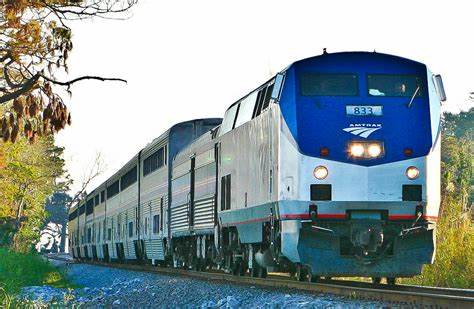
Congressman Brendan F. Boyle (PA-02) and Congressman Chris Deluzio (PA-17) introduced the Ending Passenger Rail Forced Arbitration Act to protect the ability and rights of Amtrak riders to seek justice if things go wrong.
Currently, when a passenger buys a ticket to ride an Amtrak train, they also sign over certain rights through a broad arbitration agreement and class action waiver policy.
The current policy that Amtrak implemented in 2019 captures personal injury claims, gross negligence, wrongful death, and claims of discrimination. The Ending Passenger Rail Forced Arbitration Act would prohibit Amtrak from imposing this policy so riders can seek justice should they be wronged.
| |
Editor's Note: Unifor members at Canadian National Railway have ratified new four-year agreements, securing modest annual raises of 3% for workers in mechanical, clerical, and intermodal positions. While the agreements offer stability through 2028, they also reflect the ongoing challenges of negotiating fair compensation in an industry where inflation and corporate profits often outpace wage growth. As always, the strength of these agreements will be measured by their ability to improve conditions for the workers on the ground. | |
Trains Magazine / December 23rd, 2024
Members of the Canadian union Unifor have ratified new four-year agreements with Canadian National Railway, the union and railroad have announced.
CN says the agreements were ratified on Sunday, Dec. 22, and cover approximately 3,300 workers in mechanical, clerical, and intermodal positions. The new agreements covering Unifor Council 4000 and Local 100 run through Dec. 31, 2028, and include an annual raise of 3%.
| |
Editor's Note: The FRA’s move to clarify the waiver process under 49 CFR Part 211 raises an important question: Why should railroads so often seek exemptions from rules designed to keep workers and the public safe? While defining terms like “in the public interest” and “consistent with railroad safety” might improve transparency, it also exposes how far the industry has drifted from putting safety first. True progress comes not from bending rules, but from upholding them to protect the lives of those who keep the trains moving. | |
|
Saftey & Health Magazine / December 26th, 2024
The Federal Railroad Administration is seeking to bring “clarity, transparency, and consistency” to the process by which railroads petition to have safety requirements waived or suspended.
According to a recently published proposed rule, FRA is seeking to update 49 CFR Part 211 to define two components of the statutory waiver and suspension standard: “consistent with railroad safety” and “in the public interest.”
FRA Administrator Amit Bose said in a press release. “This proposed rule will help ensure that petitions for regulatory relief meet FRA’s safety standards and align with the agency’s policy priorities to advance the development of a safe, efficient, and resilient American rail network.”
| |
Editor's Note: The case of Seven County Infrastructure Coalition v. Eagle County is a stark reminder of what happens when profits are prioritized over public interest. Railroads have long been pressured to cut corners under systems like Precision Scheduled Railroading, leaving workers and communities to bear the brunt of the risks. The National Environmental Policy Act is one of the last defenses against unchecked corporate power, ensuring projects like this are held accountable for their environmental and human costs. Weakening it now would send a clear message: expediency matters more than safety, sustainability, or the lives of those impacted. | |
Rolling Stone / December 27th, 2024
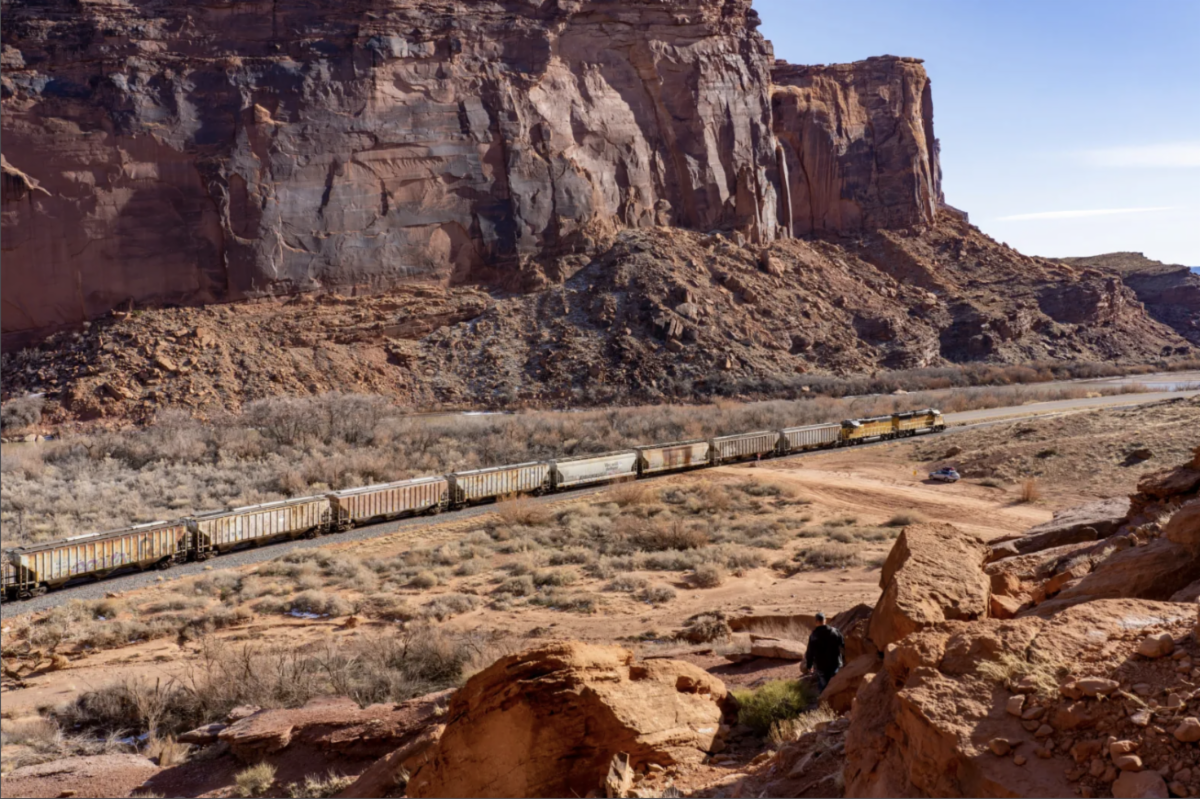
The case of Seven County Infrastructure Coalition v. Eagle County, Colorado, over a planned oil train line, could end up determining the fate of one of the nation’s bedrock laws: the National Environmental Policy Act. The oil train in question would travel from Utah through Colorado, and on to Texas and Louisiana.
Signed into law by President Richard Nixon in 1970, it was enacted in part as a response to the 1969 Santa Barbara oil spill, one of the nation’s worst environmental disasters. The law requires the federal government to consider, analyze, and publicly disclose potential environmental and climate impacts of new projects or actions.
Opponents predict health harms from increased pollution for people living in states along the entire route, citing the risk of derailments leading to oil spills into the Colorado River. This threatens the drinking water supply of 40 million people across 7 states. The climate impacts of burning an extra 350,000 barrels of oil a day would produce 53 million tons of carbon dioxide, the equivalent of six coal power plants.
| |
Editor's Note: The residents of Curtis Bay are fighting a battle emblematic of what happens when corporate power runs unchecked. For generations, they’ve endured toxic coal dust from CSX’s operations, with profits prioritized over their health and homes. While CSX denies responsibility, the evidence of harm is undeniable. This is yet another example of how the working class is forced to bear the cost of corners cut in pursuit of efficiency and profit—a stark reminder that without organized resistance, communities will always be treated as expendable. | |
The Real News Network / December 23rd, 2024
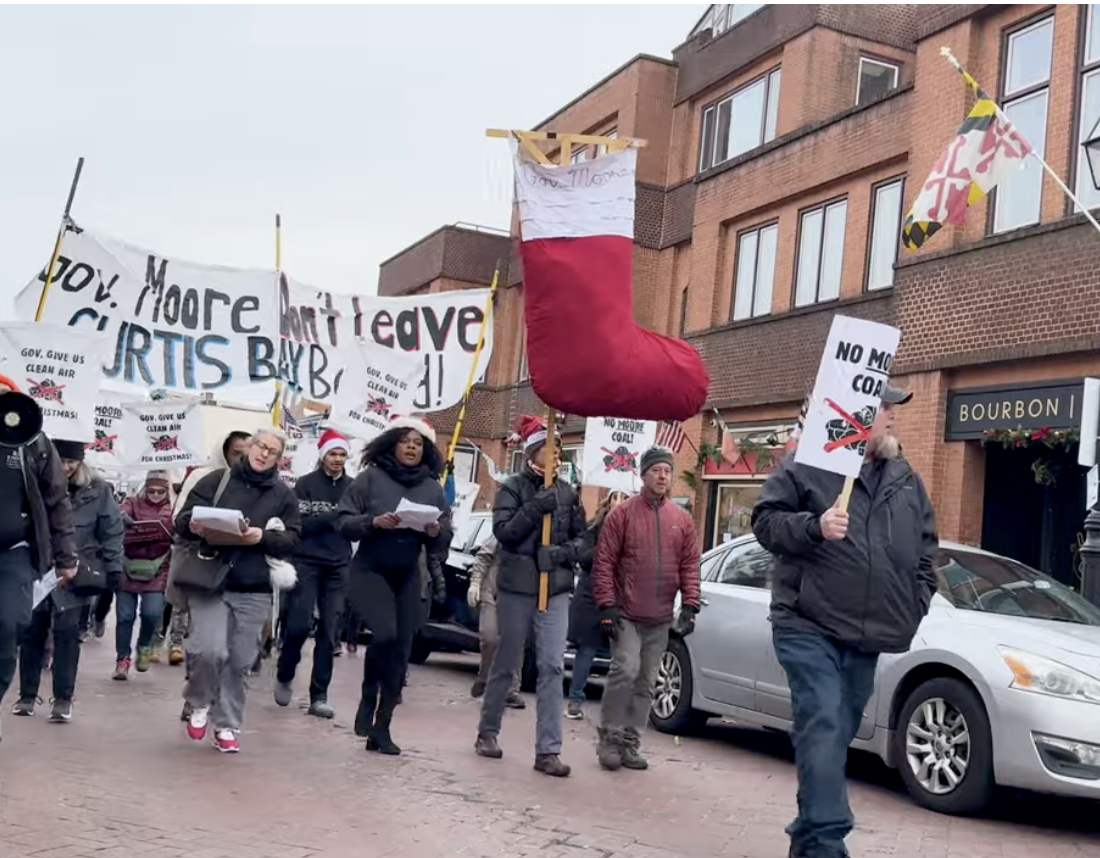
On Dec. 7, working-class residents of Curtis Bay and other South Baltimore neighborhoods marched through the streets of Annapolis and delivered a giant stocking full of coal to the Governor’s mansion.
They are demanding Gov. Wes Moore intervene in a generations-long struggle to stop rail giant CSX transportation from polluting their bodies, homes, and communities with toxic coal dust.
A recent air quality study confirmed what residents have been complaining about for generations: Coal dust from the CSX Transportation coal export terminal is present all over Curtis Bay. CSX has denied culpability and called the study “materially flawed.”
| |
Editor's Note: The Brightline collision in Delray Beach is a reminder of the high stakes at rail crossings. Accidents like this don’t just happen—they are the result of systemic failures to ensure coordination and accountability. True safety requires more than just infrastructure; it demands a collective commitment to keeping tracks clear and prioritizing human lives over convenience. Until we embrace that commitment, tragedies like this will continue to serve as a grim indictment of our priorities. | |
|
Trains Magazine / December 28th, 2024
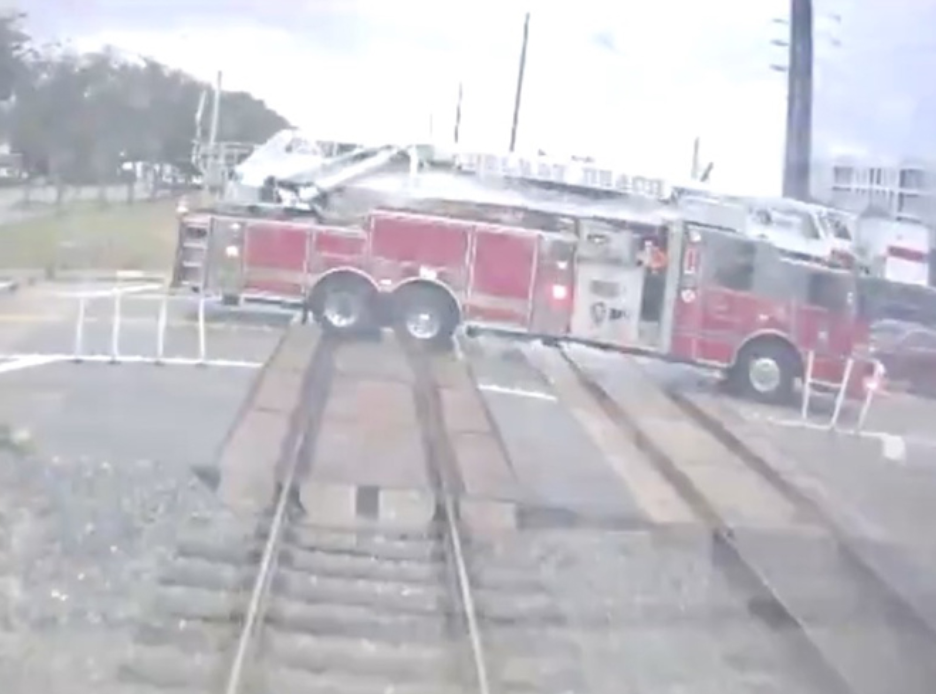
Fifteen people were injured when a Brightline train hit a firetruck in downtown Delray Beach on Dec. 28, 2024, splitting the ladder truck into two parts.
The collision occurred at about 10:45 AM. Three firefighters from the Delray Beach Fire Rescue truck were hospitalized in stable condition. Palm Beach County Fire Rescue assisted in the incident and transported 12 people from the train to the hospital with minor injuries. Passengers on the train were evacuated onto a new train shortly after 12:30 PM.
| |
Editor's Note: This is great news for passenger rail and rail employment in Colorado., After the UP takeover of SP/Rio Grande 30 years ago, much of the through freight in Colorado was moved north to the UP mainline across Wyoming, devastating Colorado rail and its workforce. With additional decline in coal, these gorgeous and convenient routes across Colorado offer a golden opportunity to bring back a lot of trains and a lot of railroad jobs. | |
Trains Magazine / December 23rd, 2024
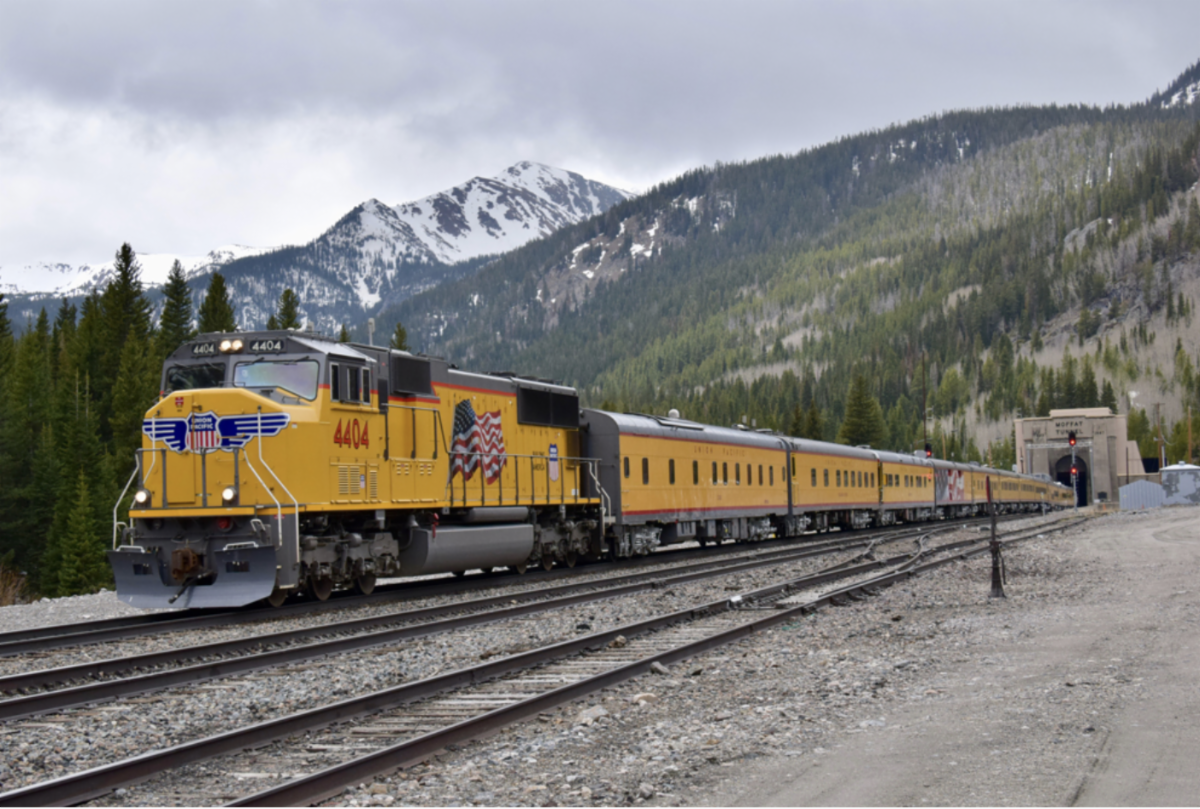
The State of Colorado will not have to pay a fee to Union Pacific to use its track for a Denver-Craig passenger train, while the railroad will no longer pay the state annually for use of the 6.2-mile Moffat Tunnel under a new 25-year agreement announced Dec. 23, 2024.
The agreement announced by Gov. Jared Polis comes as a result of negotiations between Colorado and UP on the railroad’s lease for the state-owned tunnel. The current lease, a 99-year agreement dating from 1926, includes a $12,000 annual fee. That deal was set to expire in January, but will be extended four months while the new deal is finalized.
“This is a big step forward in making Mountain Rail from Denver to Craig a reality,” Polis said in a press release. “Passenger rail on this corridor will relieve traffic to one of Colorado’s iconic mountain communities and provide safe, reliable, affordable transportation options for tourists and skiers as well as workers traveling along the corridor.”
| |
|
Public Rail Now
In September, Public Rail Now launched a groundbreaking economic study on the immense benefits of a public rail system in the United States. The peer-reviewed study revealed that U.S. consumers could save up to $140 billion annually while avoiding $190 billion in health, environmental, and fiscal costs.
This special webinar will provide an opportunity for supporters to learn more about these findings and engage in a dialogue featuring the study's author, rail workers, passenger rail and truck drivers, and other experts. The discussion will explore the potential benefits of public rail ownership and its impact on the working class.
The conversation will be moderated by Kari Lydersen, journalist and author of In These Times article, "The Case for Nationalizing the Railroads."
Our Panelists Include:
-
Kira McDonald: Author of the study, independent researcher in urban economics, social geography, and public policy. Member of the Climate and Community Institute, researcher with Princeton University's Office of Population Research, and faculty member at the School of Visual Arts in New York City. Former economist for the New York City Council.
-
Maddock Thomas: Author of "Putting America Back on Track: The Case for a 21st Century Public Rail System." Researcher and organizer with Public Rail Now and Railroad Workers United, and a student at Brown University.
- Sean Jeans-Gail: Vice President of Policy & Government Affairs at the Rail Passengers Association. With over a decade of experience, he directs national grassroots advocacy campaigns and oversees federal and state-level policy initiatives.
-
Thomas Hanna: Research Director at The Democracy Collaborative and author of Our Common Wealth: The Return of Public Ownership in the United States. He is a leading expert on public ownership and economic democracy, with extensive experience researching and advocating for democratic alternatives in sectors like transportation, energy, and telecommunications.
- Billy Randel: Co-founder of Truckers Movement for Justice, a grassroots cross-border labor organization empowering truckers across North America.
- Nick Wurst: General Secretary of Railroad Workers United, a cross-craft caucus of railroaders organizing for solidarity across rail unions. Member of SMART-TD Local #1473.
We’d like to give a special shout out to our co-sponsors Labor Network for Sustainability, Climate and Community Institute and Railroad Workers United.
Don’t Miss This Engaging Discussion!
Discover how public rail could transform our economy, environment, and workforce. Gain insights from experts and workers at the forefront of the movement for public rail ownership.
Date: Wednesday, January 15; Time: 7pm CT
Location: https://us02web.zoom.us/webinar/register/WN_aKLlHNqYSderBvhOWP8NHg
We look forward to seeing you there!
| |
NEWS FROM AROUND THE LABOR MOVEMENT | |
Each week, RWU includes a few articles about advances and developments in the larger labor movement that are of interest to railroad workers. Got an artcile to submit for possible inclusion next week? Email it along to raillabornews@gmail.com. Thank you! | |
Labor Notes / December 18, 2024
Union workers broke open the cookie jar in 2024, after years of stagnant wages and rising prices. With strikes and the threat of strikes, workers did more than forestall concessions: They gained ground. Union workers in the private sector saw 6 percent real wage rises for the year. Just the fear that workers would organize drove up wages at non-union employers like Delta Airlines, Amazon, and Mercedes.
Meanwhile, unemployment rates of around 4 percent made strikes easier to maintain. For instance, many Boeing workers were able to get side jobs during their 53-day strike this fall. Relatively plentiful jobs have also made it easier for workers to organize new unions, since the threat of getting fired is less daunting.
| |
Labor Today / December 24, 2024
Efforts to reform our failed and weak labor laws have been jettisoned by even the labor leadership today. Ultimately, and contemptibly, the mass approval by working people of trade and labor unions is squandered, because the unions themselves in great majority refuse to do the difficult work of bringing those supporters into the unions as members and participants. New organizing levels have yet to return to pre-pandemic levels, which themselves were at a 50-year low point in 2019. Today’s union bigs tend frequently to refer onlookers to their abundant internet sites and social media accounts for evidence of their leadership prowess – all showcasing in most cases the absolutely ordinary daily activities they undertake during their rule as union “leaders.”
| |
Portside / December 24, 2024
The story seemed to fit into a familiar theme: naive California progressives overreaching and generating a predictable fiasco. “Let me give you the downside,” Donald Trump responded when recently asked whether he would agree to raise the federal minimum wage during his second term. “In California, they raised it up to a very high number, and your restaurants are going out of business all over the place. The population is shrinking. It’s had a very negative impact.”
Except it hasn’t. In the six months after California’s new minimum wage came into effect in April, the state’s fast-food sector actually gained jobs. If anything, it proves that the minimum wage can be raised even higher than experts previously believed without hurting employment. That should be good news. Instead, the policy has been portrayed as a catastrophic failure. That is a testament to how quickly economic misinformation spreads—and how hard it is to combat once it does.
| |
|
Freight Waves / December 23, 2024
More layoffs have hit freight-related companies across the U.S., with 948 job cuts recently announced by companies in Arizona, California, Colorado, Florida and New York.
It is the fourth wave of layoffs across the nation’s supply chain industry since early October, according to firms filing Worker Adjustment and Retraining Notification (WARN) Act notices.
Over the past eight weeks, companies announcing job cuts or facility closures include Amazon, GXO, UPS, DHL, Kuehne+Nagel, Advance Auto Parts, Great Dane, Ryder, True Value Co., CJ Logistics America, PepsiCo, Reyes Coca-Cola Bottling LLC, Hunt & Sons LLC, Americold Logistics, Green Thumb Produce Inc., 3E Logistics NJ Inc., Genuine Parts Co. and Trademango Solutions.
| |
WEEKLY DERAILMENT DEPARTMENT | |
Each Tuesday in this news bulletin, RWU does our best to present a picture of what has been happening over the course of the previous week in terms of derailments in North America, and investigation determinations of previous accidents. NOTE: This list is by no means comprehensive. Smaller and less consequential mishaps are generally not reported here. If the wreck results in injury or fatality, or is especially damaging/extreme, a full article will appear as a feature in the dozen or so rail articles above. Know of a train wreck? Please feel free to forward a link to raillabornews@gmail.com for possible inclusion next week. Thanks! |
| | | |