September 2026


As summer begins to give way to cooler days, September is a time to prepare for the changing seasons. Whether it's getting ready for fall weather, updating emergency plans during National Preparedness Month, or simply enjoying the last warm days of the year, reliable access to clean water remains an important part of everyday life.


This month, we're sharing tips to help you stay prepared, taking a closer look at how weather patterns like El Niño can impact our region, and providing updates on the work Ramsey Water is doing to continue delivering safe, dependable water service to our community.

National Preparedness Month: Be Ready Before You Need To Be


September is National Preparedness Month, a reminder that emergencies can happen when we least expect them. Taking a few simple steps today can help your family stay safe and comfortable during unexpected events like severe storms, flooding, or power outages.


Consider keeping an emergency kit stocked with essentials, including drinking water, nonperishable food, flashlights, batteries, medications, and a first-aid kit. It's also a good idea to know where your home's main water shutoff valve is located in case of a plumbing emergency.


A little preparation today can make a big difference tomorrow.


Emergency Kit Checklist

☐ Drinking water (1-gal/person/day)


☐ Flashlight & extra batteries


☐ First-aid kit


☐ Nonperishable food


☐ Battery-powered or hand-crank radio


☐ Medications


☐ Phone charger or power bank


ICYMI: Bill Pay Options


In our latest video, we’re walking customers through the simple ways you can pay your Ramsey Water bill—whether you prefer to pay in person, by mail, online, or over the phone.


We’re committed to making bill payment as convenient as possible, so you can choose the option that works best for you.


Staying Connected for Important Water System Updates


To ensure you receive important notifications, including precautionary boil water advisories, please make sure we have your current phone number on file.

If you believe you should have previously received a boil water notification for your area but did not, contact our office to verify and update your phone number. Keeping your contact information current helps us reach you quickly when important notices are issued.

El Nino vs. La Nina—What's the Difference?

If you've been following the weather, you've probably heard the terms El Niño and La Niña. These are natural climate patterns that develop in the Pacific Ocean, but they can influence weather across North America—including here in Indiana.


🌊 El Niño occurs when Pacific Ocean waters are warmer than normal. During an El Niño year, our region often experiences a milder winter with fewer prolonged cold snaps and an increased chance of wetter conditions.


❄️ La Niña is the opposite. It occurs when Pacific Ocean waters are cooler than normal and is often associated with colder, snowier winters in parts of the Midwest and more variable weather patterns.


While these climate patterns begin thousands of miles away, they can influence everything from rainfall and snowfall to water supplies and stream levels. That's why Ramsey Water closely monitors weather conditions and source water throughout the year. No matter what Mother Nature brings, our team works every day to provide safe, reliable drinking water for our customers.


Did you know?

The average American uses about 82 gallons of water every day.

From showering to cooking and washing dishes to doing laundry, that's nearly 30,000 gallons each year!

Fall Home Water Care Checklist

As cooler weather approaches, now is a great time to prepare your home for the changing season.


✔ Disconnect and drain garden hoses


✔ Inspect outdoor faucets for leaks


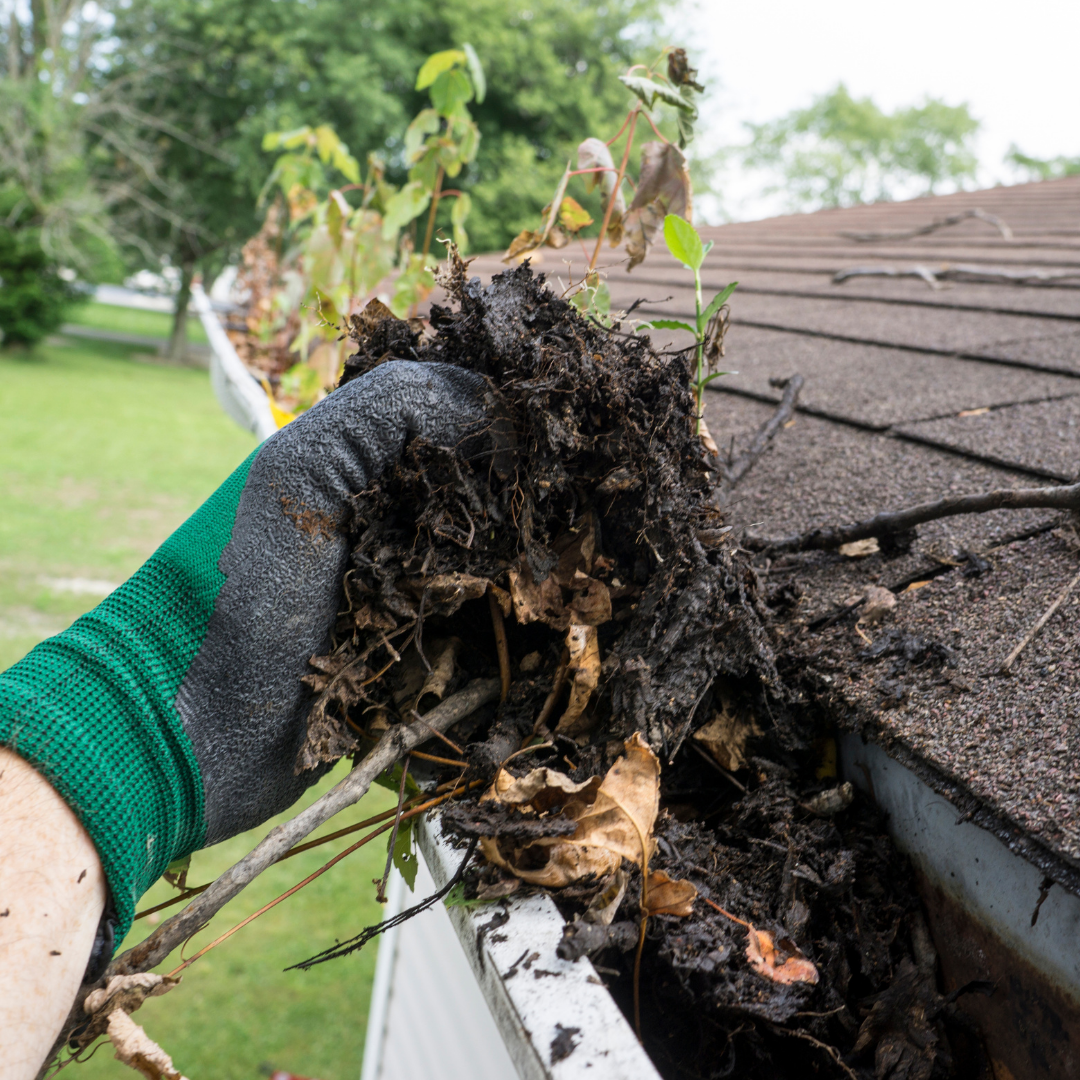
✔ Clean gutters and downspouts


✔ Test your sump pump before fall rains arrive


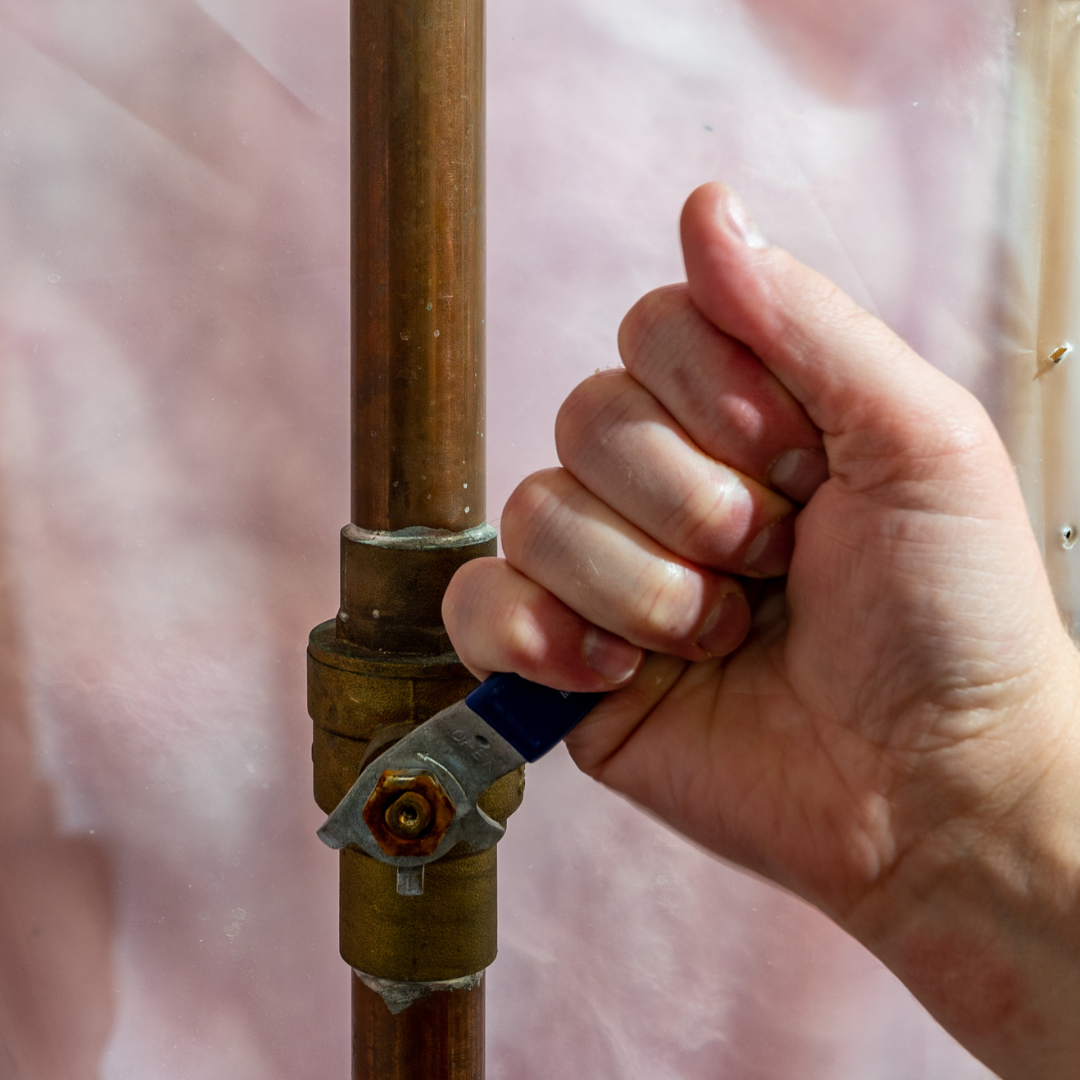
✔ Locate your home's main water shutoff valve

Know Your Water Shutoff Valve

In the event of a plumbing emergency, knowing where your home's main water shutoff valve is located can help minimize damage.


Take a few minutes this month to locate it—and make sure everyone in your household knows where it is, too.


A home's main water shut-off valve is usually located inside on the lower level, positioned on the front wall facing the street where the underground supply line enters the foundation. If you cannot find it there, check near your water heater or laundry area.

Upcoming Events & Holidays