Wednesday, April 22nd, 2026 | | |
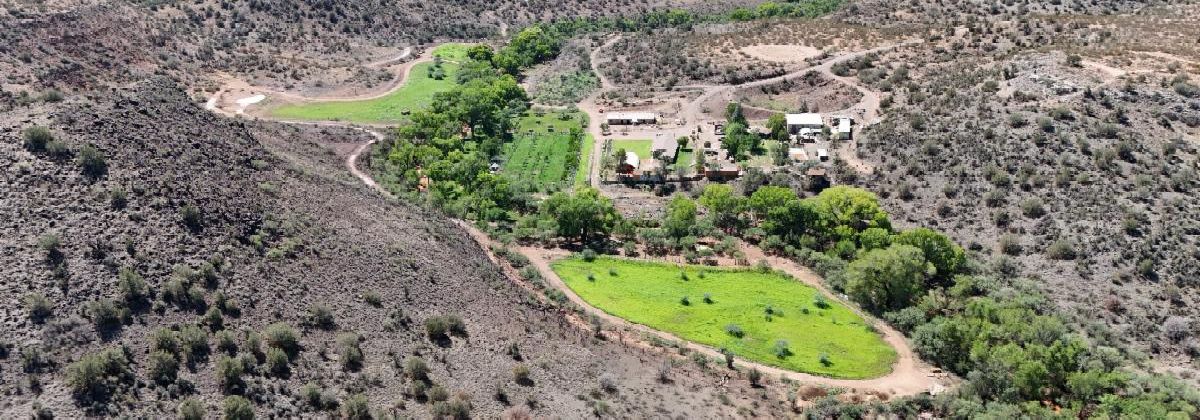
Happy Earth Day from your friends at Ranch Almasomos! The Rancho Roundup is back with the latest news and happenings at our biodynamic farm. Since the last edition of the newsletter, way back in 2023, we are happy to say there has been some real progress towards the realization of our dream for this sacred piece of land and we’re excited to catch you up on all the progress.
| | |
It’s been a minute… over a million and a half of them, actually
Since the last edition of our newsletter back in 2023, we’ve had a minute or two to turn inward and focus on establishing the budding ecosystem at the center of our vision for Rancho Almasomos. And a lot has taken root.
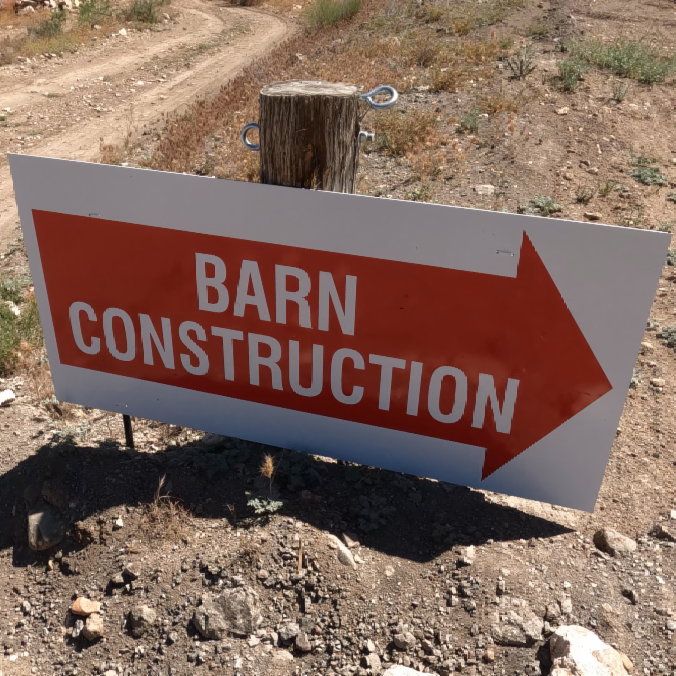
Now that the permits are finally in, we are moving heaven and earth to get the new barns built, or at least earth.
Construction has broken ground and the grading and excavation has begun, marking the start of something we've been dreaming about for a long time. Two structures are going up: one for the animals and one for equipment and tractors. The old barn has lived a long life, and we are so ready to give our animals the beautiful, dignified home they deserve.
| | |
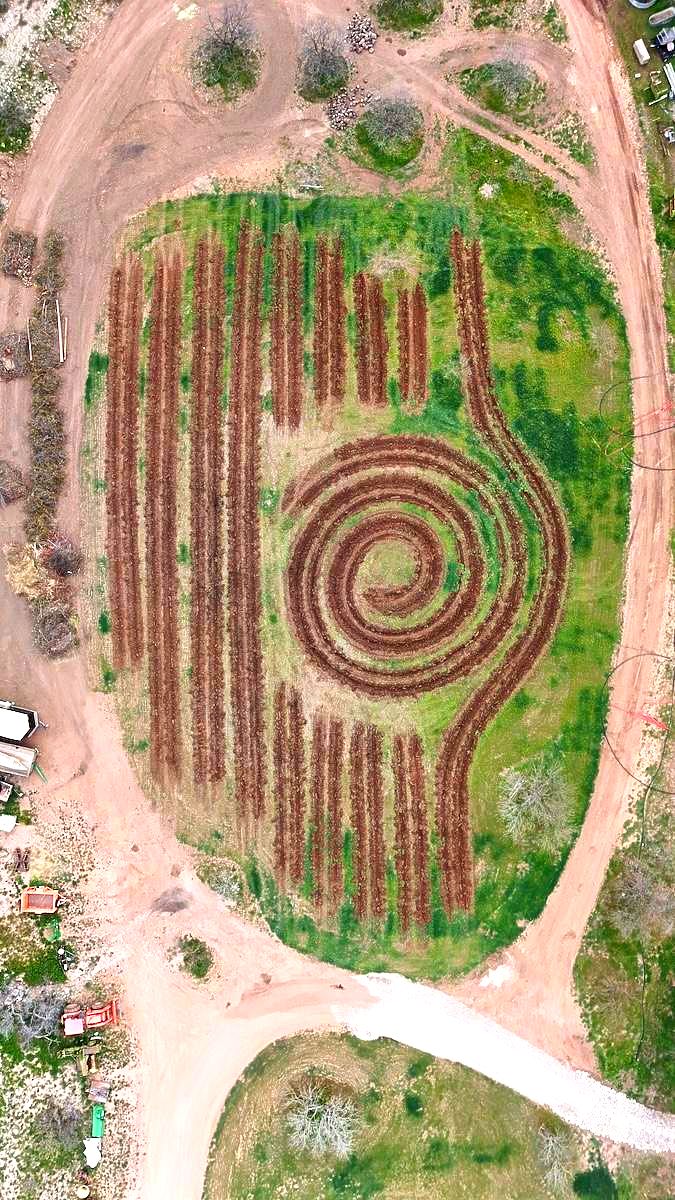
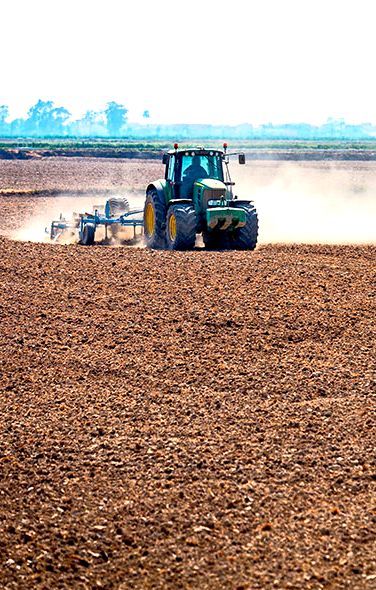
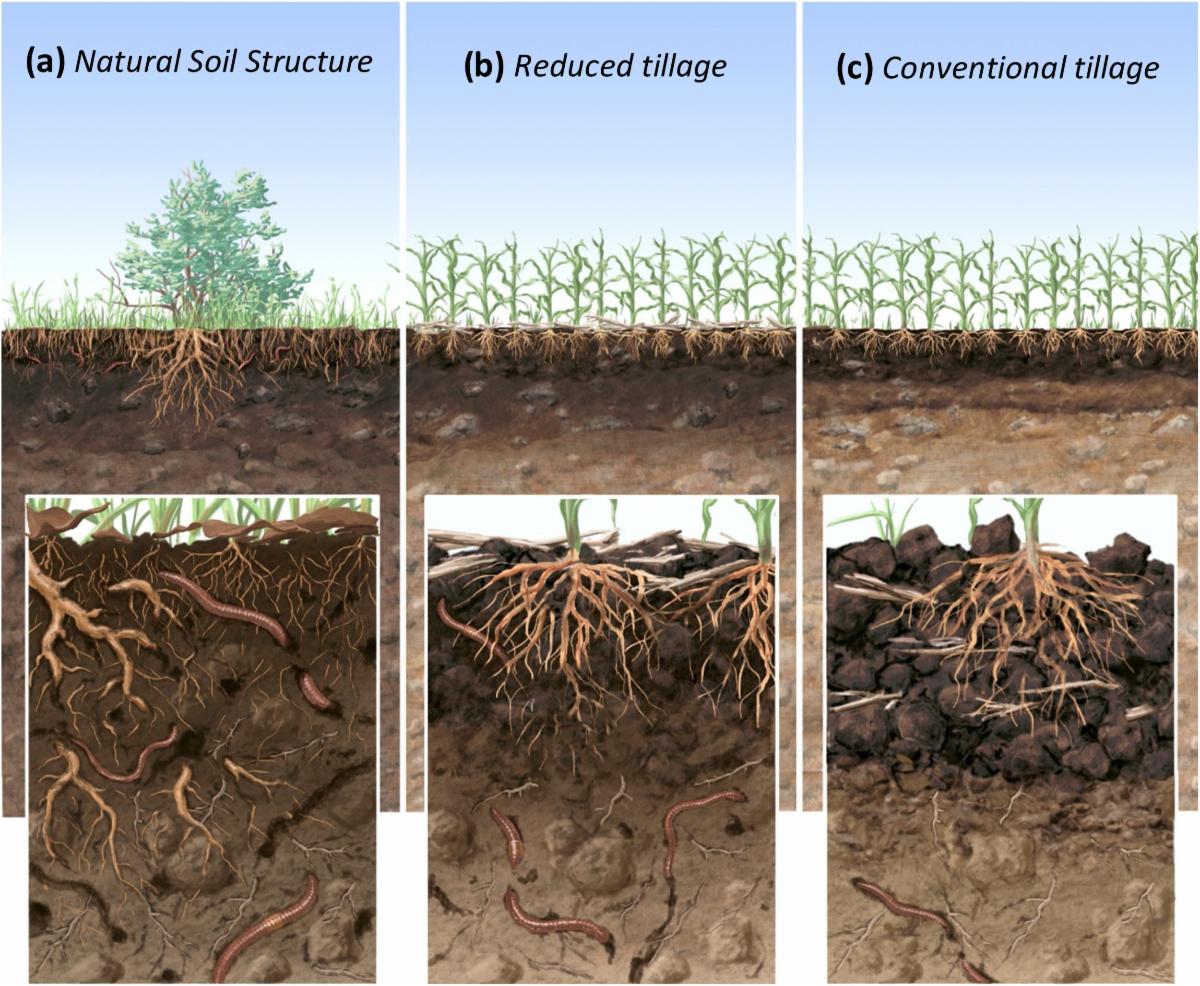
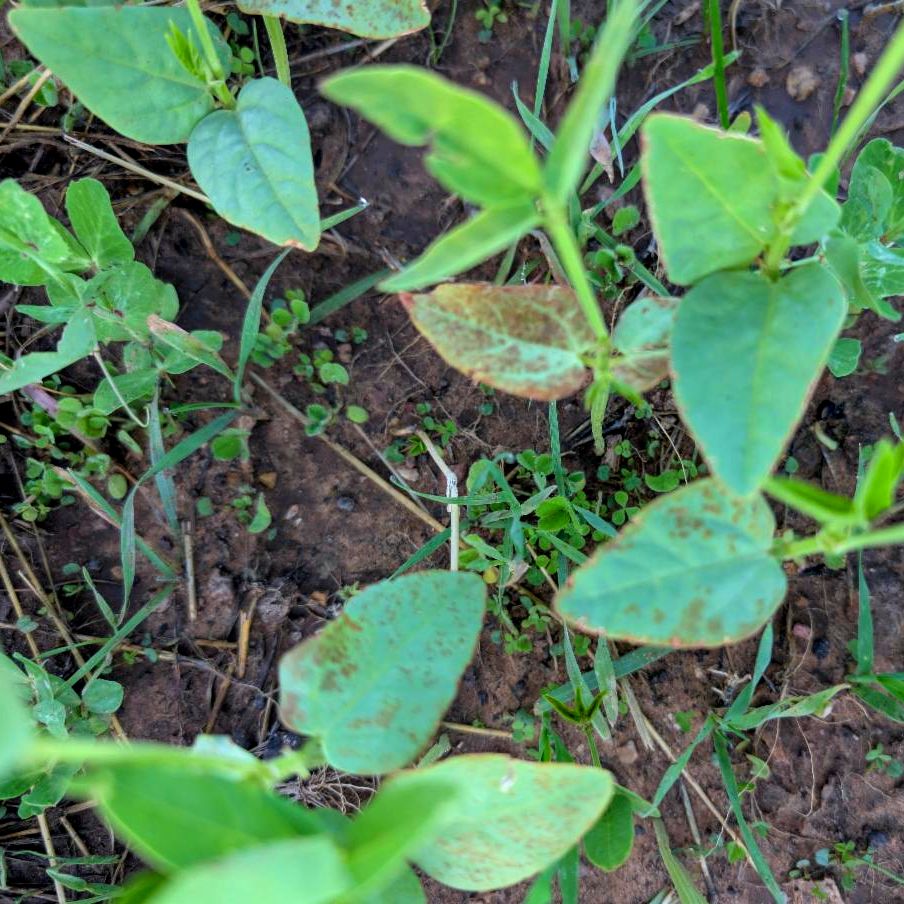
Closer to the ground, our new "Three Sisters" garden has been planted, complete with an herb garden nestled into stunning rock-walled raised beds, shaded by the beautiful mature mesquite trees that have watched over this land far longer than we have. In the east and north fields, pasture cover crop is going in via no-till drill, a seeding method that plants directly into the soil without turning it over first. We do it this way because conventional tilling disrupts the delicate fungal networks and microbial communities we are working so hard to rebuild.
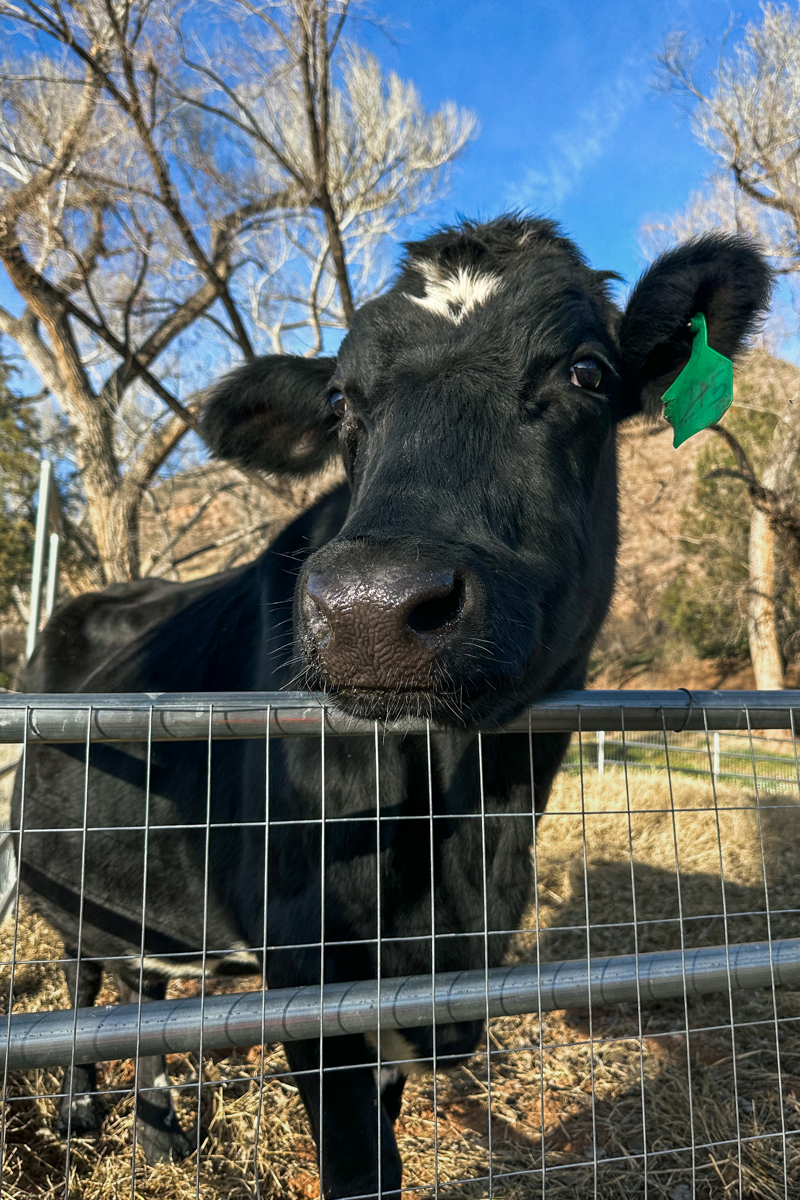
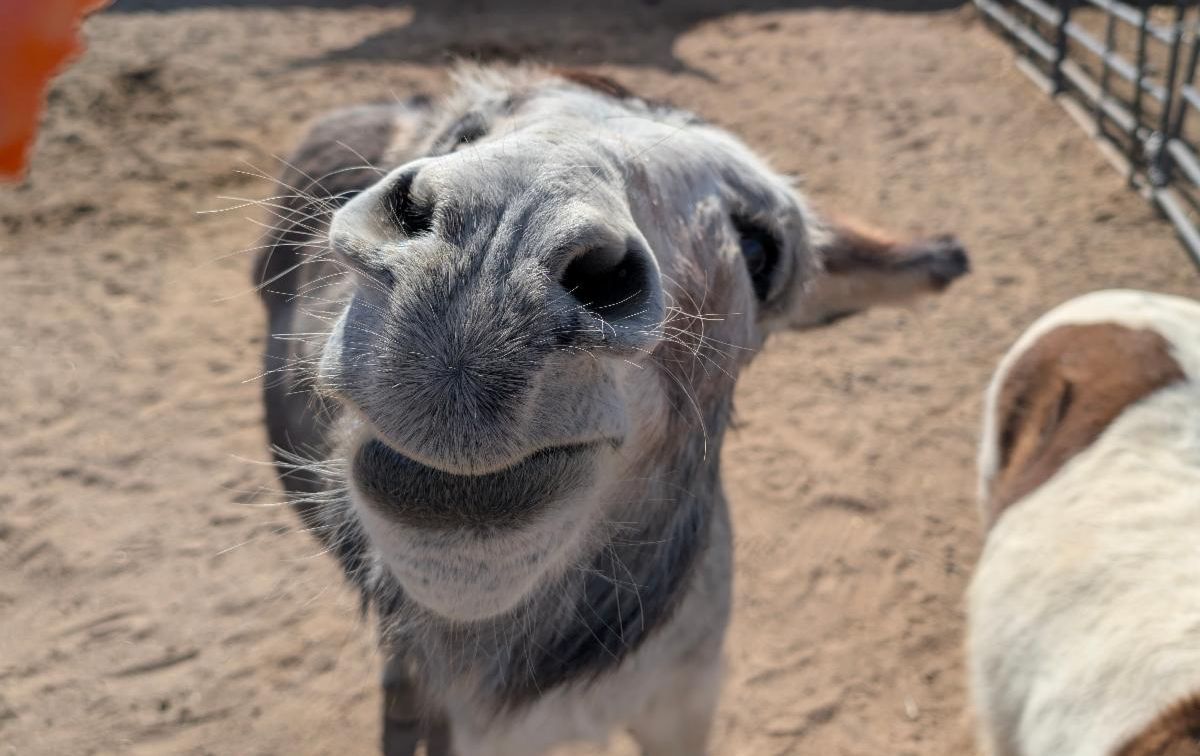
The chickens are relocating from the Orchard to the North Field. This marks the beginning of scheduled animal rotations through the fields here at Rancho Almasomos and a significant element in the life of a biodynamic farm. As they graze and move across the land, they naturally fertilize the soil and contribute to the cycle of renewal that is at the heart of everything we are doing here. Patches and Pecan (our cows), Pumpkin (the donkey), Pie (the mini-horse) and the three goats (Gertie, Aggie and Winnie) will eventually start their regular schedule on the East Field.
| |
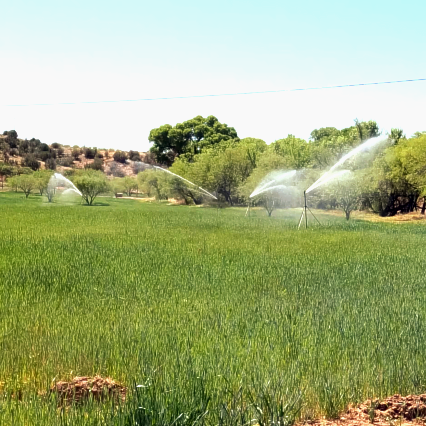
Summer is shaping up to be a fruitful one. We're expecting a generous harvest from the orchard this year, with apricots leading the way. Thanks in no small measure to our now thriving worm farm quietly doing its part, leaving castings out to the fields and giving the soil exactly the kind of slow, living nutrition that can't be bought in a bag. And thanks to a major upgrade to our irrigation system to a highly efficient drip setup we can finally make real and responsibly sustainable use of our irrigation rights. The whole property is looking greener and more vibrant than ever before. If you haven't visited in a while, the difference is something you have to see.
| | |
Bringing the Soil Back to Life
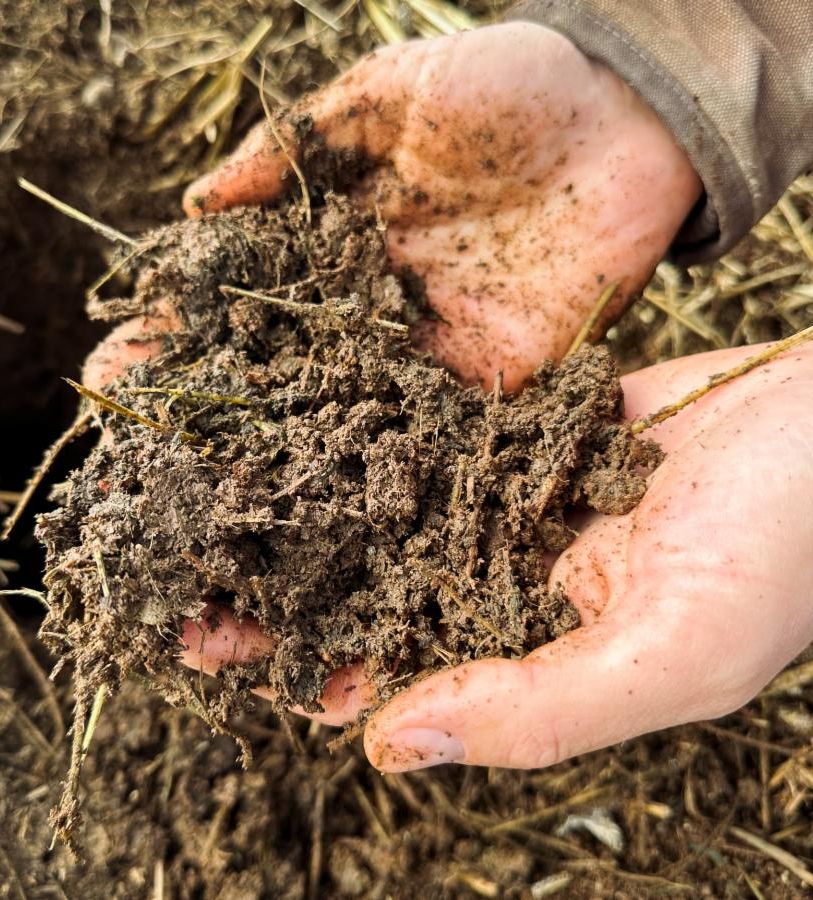
Beneath every healthy farm lies a world most people never see. A single teaspoon of living, healthy soil contains more microorganisms than there are people on Earth — bacteria, fungi, nematodes, protozoa — entire civilizations underground working ceaselessly to break down organic matter, cycle nutrients, and feed the roots of everything that grows above. This invisible world is not just a nice factoid about mother nature. It is the foundation of most life as we know it on the planet. And on most conventionally farmed land today, it has been all but destroyed.
| | |
Decades of industrial agriculture — synthetic fertilizers, chemical pesticides, heavy tillage, and relentless monocrops — have stripped the life from enormous stretches of the earth's farmland. When you pour synthetic nitrogen onto soil year after year, the microorganisms that would naturally do that work begin to disappear. When you till aggressively, you break apart the fungal networks that connect plant roots across acres. When you grow the same crop in the same field repeatedly, you deplete specific nutrients and invite the pests and diseases that specialize in that crop. The result is dirt that looks like soil but is now dependent on external inputs to produce a harvest, breaking down more and more year over year with reduced resilience and diminishing returns, functioning more like a machine than a biological ecosystem. The United Nations estimates that if current trends continue, the world has fewer than 60 harvests left in much of its agricultural topsoil (source)
Biodynamic and Regenerative agriculture has always understood soil differently. Rather than treating it like a machine that needs to be fed fuel until it wears out, biodynamics treats soil as a living ecosystem to be tended with a loose hand that allows it to restore and maintain its own vitality. This is not a radical new idea. It is, in fact, one of the oldest methods of farming in the world, embedded in the practices of indigenous and traditional agricultural peoples across every continent. What biodynamics does is provide a coherent modern framework for returning to those principles.
| | |
Biodynamic and Regenerative agriculture has always understood soil differently. Rather than treating it like a machine that needs to be fed fuel until it wears out, biodynamics treats soil as a living ecosystem to be tended with a loose hand that allows it to restore and maintain its own vitality. This is not a radical new idea. It is, in fact, one of the oldest methods of farming in the world, embedded in the practices of indigenous and traditional agricultural peoples across every continent. What biodynamics does is provide a coherent modern framework for returning to those principles.
Soil restoration in biodynamic practice begins with organic matter. Cover crops — plants grown not for harvest but to protect and nourish the soil during fallow periods — are one of the most powerful tools available. Their roots prevent erosion, improve soil structure, and feed the microbial communities below. When they decompose, they return their nutrients and carbon to the earth. Composting builds on this, transforming farm waste — animal manure, plant matter, kitchen scraps — into rich, biologically active humus that reintroduces life to depleted ground. Biodynamic compost goes a step further, introducing preparations that help regulate this transformation and build the kind of stable, long-lasting soil carbon that conventional compost alone cannot produce.
| | |
On a biodynamic farm like Rancho Almasomos, our animals are not a separate operation. Their manure returns to the fields, their grazing naturally shapes the pastures, and their presence is an integral part of the living system.
Equally important is what biodynamic farmers choose not to do. Minimizing tillage preserves the delicate architecture of healthy soil, such as its pore spaces, its fungal threads, its layered communities. Avoiding synthetic inputs keeps the delicate microbial ecosystem intact. Rotating crops, integrating animals, and planting diverse species all work together to build resilience and prevent the cycles of depletion that monoculture farming accelerates.
What makes this work remarkable is its timeline. Restoring deeply degraded soil is not a season's work. It is a years-long, sometimes decades-long commitment. But the results are measurable and they compound. Farms that have followed biodynamic and regenerative practices for a decade or more consistently show higher levels of soil organic matter, greater microbial diversity, better water retention, and crops with measurably higher nutritional density. They also sequester carbon — drawing it out of the atmosphere and locking it in the ground — making healthy soil one of our most powerful tools in responding to climate change.
| |
At Rancho Almasomos, we are still at the beginning of this journey. This land has a long history, and not all of it was kind to the soil. Everything we are doing — every season, every crop, every scheduled rotation of animals through the fields, every careful application of compost and biodynamic preparations — is an effort toward returning this land to its full vitality. From Steiner and from every tradition of land stewardship that preceded him, we know that when you give the soil back its life, it will give life back to everything that depends on it.
| | |
Big Things in the Ground and in the Works
There is no shortage of things to look forward to at Rancho Almasomos in the months ahead.
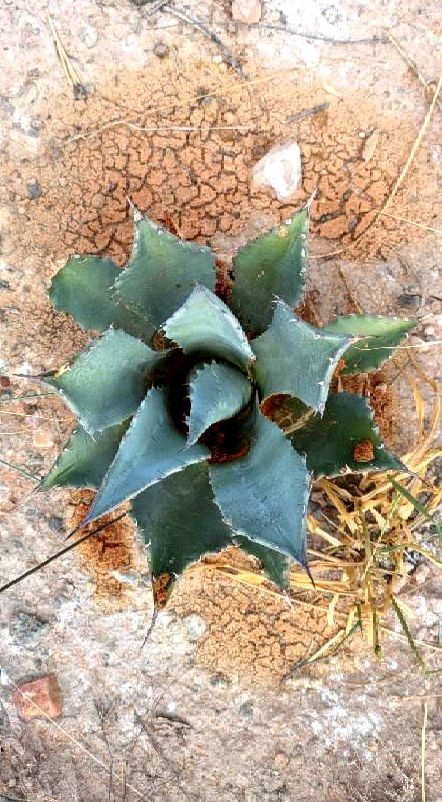
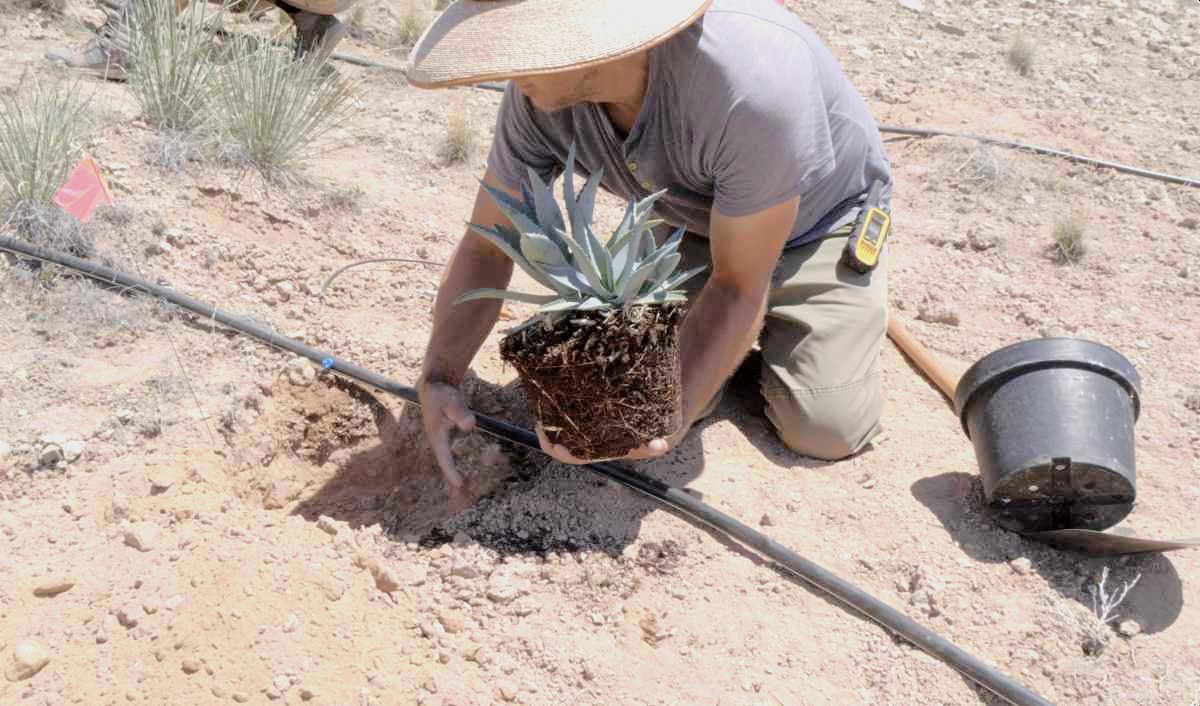
Our agave planting continues, and the next round will be the largest to date, with over 2,000 plants going into the ground. Agave is a plant that asks very little and gives a great deal. It's drought tolerant, deeply native to this landscape, and a model of sustainable land use in an arid climate. It also asks for patience. Each plant takes five to seven years to reach full maturity, which means every round we put in the ground today is an investment in a future harvest we are still years away from seeing. However, witnessing this landscape slowly take on the character we've been envisioning for it, one planting at a time, is one of the quiet joys of our work here.
Barn completion is already on the horizon, with an estimated finish by end of year. Two new structures rising up in the East Field is a transformation we can't wait to share with you.
| |
On the county approval front, it's been a long and winding road, but a worthwhile one. With thoughtful input from neighbors and community members, we've taken the time to scale back our initial plans and realign them more closely with founder Kat Massey's evolving vision for this land. That process of listening and refining has only deepened our sense of purpose here. We've resubmitted our application and are rapidly moving toward the public hearing stage. As that moment approaches, we will be grateful for the support of this community, so stay close and stay tuned.
You can learn about future events and be privy to insider knowledge of developments at Rancho Almasomos every quarter right here in the Rancho Round-up newsletter. We hope you share our excitement for what’s coming!
| | | | "That which secures life from exhaustion lies in the unseen world, deep at the roots of things." | | |
A big welcome back from all of us at Rancho Almasomos. May your Earth Day celebrations this year deepen those connections to the natural world that sustain, enhance and make life possible.
For more ranch updates, follow us on Instagram at @almasomos. Look for the next edition of the Rancho Round-Up newsletter this summer.
| |
If you received this edition of the Rancho Roundup from a friend, you can sign-up for our newsletter yourself with the button below. | | | | |